Until the Stars Burn Out Book Review, Synopsis & 5 Red Flags
The curse is broken, the labyrinth is gone, and Enver still cannot manage the apparently impossible task of telling Nell what is going on. Until the Stars Burn Out by Jordan Lynde takes an established romance into more dangerous territory: unstable magic, unfinished vengeance and a missing relic that could determine whether the couple has a future. Its strongest hook is the possibility that saving someone might destroy the relationship you are trying to protect. Immortal love, it seems, comes with spectacularly poor aftercare.
Pre-publication assessment based on the official synopsis and advance-reader responses; the complete novel was not available for review. Scheduled publication: 29 December 2026.

Detailed Summary
Beyond the Labyrinth
The second Shadowsworn novel begins after the destruction of the labyrinth and the breaking of Enver’s curse. Nell and Enver can finally contemplate a relationship beyond the conditions that first brought them together. Their attraction remains powerful, but freedom has not settled the question of trust.
Enver continues keeping secrets, leaving Nell uncertain about what their apparent victory actually means. The premise shifts attention from escaping a dangerous situation to living with its consequences.
That is fertile ground for a sequel. Surviving a crisis together can intensify a relationship without preparing either person for honesty, vulnerability or disagreement.
Enver’s Magic Becomes a Threat
Enver’s control over his magic is slipping. A missing relic may hold the answer, turning the search for it into something more urgent than a conventional treasure hunt. Nell refuses to let him face that search alone.
The premise connects his supernatural vulnerability with the couple’s emotional difficulties. Physical closeness does not automatically bring greater security, and loving Enver cannot simply cancel the danger surrounding him.
The interesting tension lies in the limits of devotion. Nell can commit herself to helping, but commitment and control are different things.
The Journey Across Realms
Their search carries them through different realms and brings familiar figures back into their lives. Some were previously trapped in the labyrinth; others belong to Enver’s past. The couple must navigate those connections while pursuing the relic.
This expansion offers the sequel a chance to examine the aftermath of the first book’s events. People who were once confined together now have lives, interests and loyalties beyond that shared predicament.
However, returning characters need more than recognition value. A reunion becomes meaningful when it changes a decision, exposes a consequence or complicates the quest.
The Past Becomes a Present Danger
Nell encounters the person responsible for Enver’s long confinement and learns of his ambition to gain power. The threat therefore extends beyond the couple’s private difficulties. Enver’s history becomes part of a wider struggle over what happens next.
With assistance from friends she previously helped free, Nell develops a plan to protect those she cares about and answer the wrongs committed against Enver. The official synopsis establishes that strategy without revealing its outcome.
This gives Nell a potentially substantial role. She is positioned to make consequential decisions rather than simply accompany Enver while he handles the plot.
The Choice at the Centre of the Story
The advertised dilemma is whether Nell can protect Enver without losing him emotionally. Her intentions may be loving, but the consequences of acting on them could be devastating.
That creates the book’s most compelling thematic possibility: protection can become another form of control when it overrides the person being protected.
The complete chapter sequence and ending remain unverified. The available synopsis supports a story about trust, rescue and costly choices, rather than a definitive account of how those conflicts conclude.
Characters
Nell
Nell supplies much of the initiative in the confirmed premise. She insists on joining the search and later develops a plan with allies. Her contribution extends beyond reassuring the man at the centre of the magical crisis.
Her strongest potential quality is the combination of compassion and independent judgement. A heroine does not need to become emotionally brutal to become formidable.
The concern is whether her own identity receives enough space. Saving a partner can be an important choice without becoming the only meaningful thing a character does.
The distinction matters:
- Agency: Nell chooses what she believes is right.
- Dependence: Her value rests entirely on what she can do for Enver.
- Growth: Her choices become more confident and accountable.
- Repetition: She keeps absorbing the same problems under a new magical postcode.
Enver
Enver presents the central contradiction of the premise: a powerful immortal whose abilities are becoming unreliable. His secrecy complicates both the quest and his relationship with Nell.
That vulnerability offers more dramatic potential than invincibility. Power becomes interesting when it cannot solve the problem its owner most fears.
Still, pain cannot do all the work of characterisation. A difficult past may explain defensive behaviour, but development requires something beyond increasingly elaborate declarations of love.
The crucial question is whether Enver changes how he behaves when Nell disagrees with him. Respect is easiest to advertise when nobody is saying no.
Valen
Valen appears in advance-reader accounts as part of the wider journey and as an influence on Nell’s decisions. Those accounts do not establish a sufficiently complete arc for a firm judgement.
His potential function is useful: an additional perspective can disrupt the central couple’s assumptions. Advice becomes dramatically valuable when accepting or rejecting it has consequences.
Evangeline
Evangeline is mentioned in advance responses concerning tension involving Nell and Enver. Her complete history and motivations are not sufficiently documented in the accessible material.
The important question is whether she has interests beyond disturbing the main romance. Supporting women deserve more substantial employment than making the heroine uncomfortable.
Kayn
Kayn is identified as a villain in advance-reader commentary. His full motivation and eventual fate remain unverified.
A strong antagonist here would force difficult choices rather than simply provide someone conveniently worse than Enver. The romance becomes more interesting when the external threat exposes weaknesses that affection cannot immediately repair.
Dio
Dio is another returning character discussed by advance readers, with differing reactions to his treatment. His presence offers continuity, but continuity alone does not establish a satisfying contribution.
The useful test is whether his return changes the present story. Familiarity can make a scene welcoming; purpose makes it necessary.
The available material identifies these characters but does not establish a complete cast list.
Compare with Other Works
Until the World Falls Down by Jordan Lynde
The first Shadowsworn novel gives Nell a sharply defined predicament: escape Enver’s labyrinth within forty-eight hours or remain as his lover. The sequel replaces that contained challenge with an expanding quest and the difficulties of sustaining their connection.
| Element | Until the World Falls Down | Until the Stars Burn Out |
|---|---|---|
| Central premise | A bargain involving a labyrinth | A search for a missing relic |
| Main pressure | Escape within a deadline | Deteriorating magic and wider danger |
| Romantic question | What attraction might become | Whether an existing bond can survive secrecy |
| Structural opportunity | Intensity within confinement | Consequences beyond confinement |
The sequel’s challenge is to make expansion feel necessary. More locations can enlarge a map without deepening a story.
A Court of Mist and Fury by Sarah J. Maas
The relevant connection is the aftermath of survival. Maas’s sequel follows Feyre as the consequences of earlier events intersect with romance, personal power and political danger. It offers a useful comparison for how fantasy can make an apparent victory the beginning of a more complicated struggle.
For Lynde’s premise, the corresponding test is whether recovery changes what the characters do. Emotional suffering supplies material; decisions give that material direction.
Uprooted by Naomi Novik
Uprooted provides a comparison through its threatening magical world, powerful male figure and heroine discovering abilities of her own. Its standalone structure also offers a different reading experience from an ongoing romantic fantasy series.
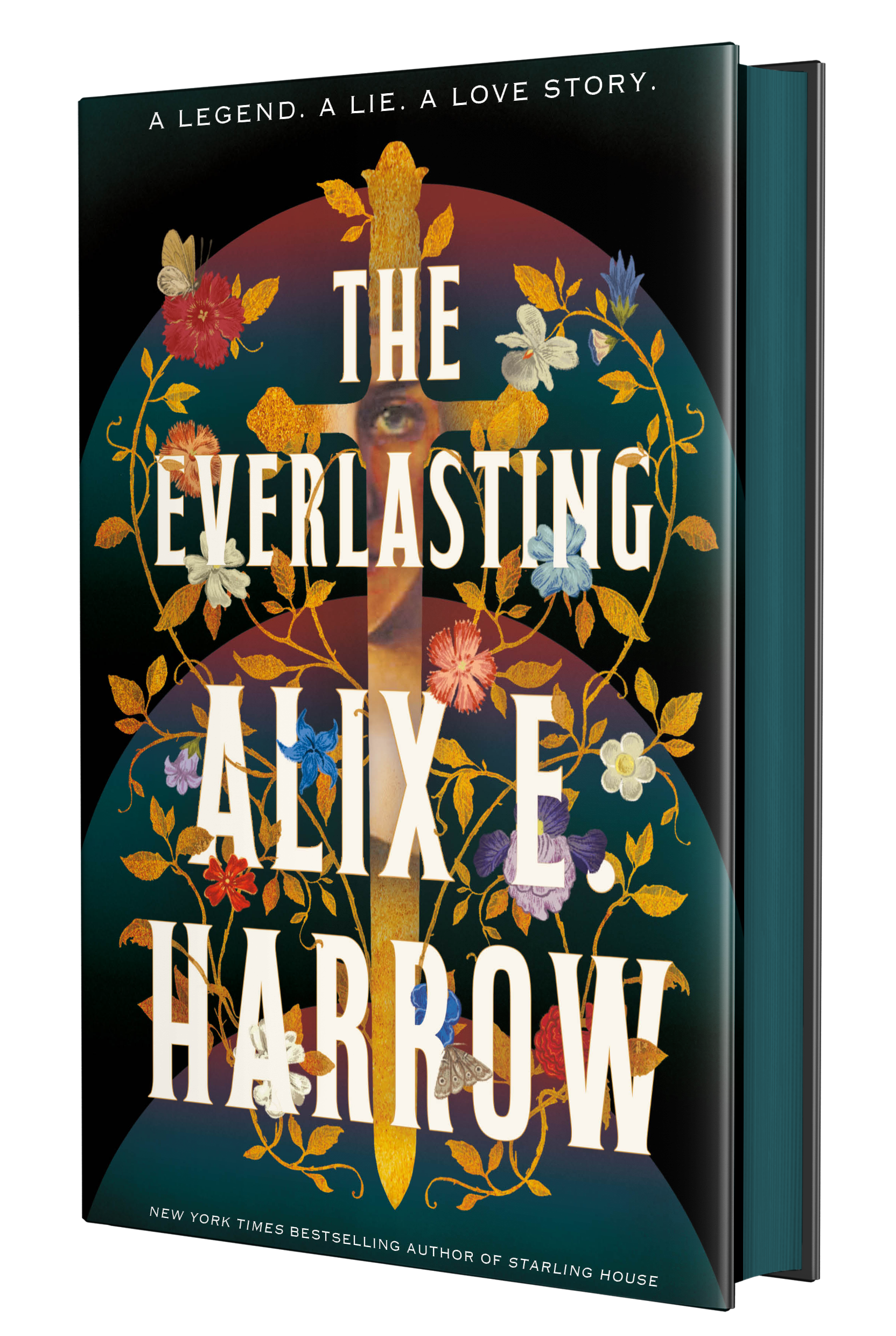
G'day, mates. Picture this: a lady knight stuck in a time loop, dying over and over for a dodgy queen, while some wimpy historian bloke keeps popping back to "fix" her legend. It's meant to ...

Andy and Dominique, cousins in small-town Indiana, both spectacularly ruin their New Year's Eve. Andy pukes on her crush, loses her car, and discovers her family's business faces closure. Dominique returns home as an influencer ...
The useful distinction concerns balance. Readers drawn primarily to magic and the heroine’s development may want something different from readers seeking prolonged attention to a central relationship.
Achievements and Verified Numbers
The available figures establish publication details and advance engagement. They do not establish a verified sales total or bestseller position for this sequel.
| Measure | Verified information |
|---|---|
| Series position | Book 2 of Shadowsworn |
| Scheduled publication | 29 December 2026 |
| Listed US edition length | 528 pages |
| NetGalley rating participation | 104 members displayed when checked |
| Copies sold | No reliable public figure established |
| Exact bestseller ranking | No verified position established |
| Awards | No verified award win established |
These details reflect the publisher’s catalogue and the accessible NetGalley listing; participation figures can change.
The publisher identifies Until the World Falls Down as a USA Today bestseller. That achievement belongs to the first novel. It does not automatically become an achievement of Until the Stars Burn Out. Bestseller status is not hereditary.
1. Conversations Need to Produce Change
Advance responses are divided: some readers praise emotional development, while others describe repetitive reassurance and inconsistent pacing. These are reactions to advance copies rather than a settled verdict on the final edition.
The underlying critical distinction is simple. A conversation earns its space when it reveals something new or changes what happens afterwards.
Revisiting an emotional wound can be convincing. Revisiting it without movement can leave readers feeling they have accidentally joined a meeting with no agenda.
2. Secrecy Must Have a Credible Purpose
Enver’s withholding of information is central to the premise. That creates tension, but it also raises a demanding question: why does silence remain preferable despite its obvious costs?
A convincing answer can make secrecy tragic. A weak answer can make the plot feel dependent on two people refusing a reasonably straightforward conversation.
3. Travel Must Advance the Quest
A journey across realms creates scope for imaginative settings and unexpected encounters. It also creates opportunities for detours that look busy while changing very little.
Each major stop should ideally:
- Reveal necessary information.
- Remove an easy option.
- Alter a relationship.
- Demand a meaningful sacrifice.
Attractive scenery is welcome. It should not have to impersonate narrative momentum.
4. Nell Needs a Life Beyond Enver’s Rescue
The possibility that Nell alone can save Enver gives the romance urgency. It also risks turning her into the solution to someone else’s story.
Her strongest development would preserve desires, limits and priorities that complicate the rescue. Devotion becomes more persuasive when a character has something of her own to negotiate.
5. Familiar Tropes Need Specific Consequences
The marketing promises possessive devotion, shadow magic, explicit intimacy and a fated connection. Those signals clearly identify the intended readership.
What matters is how the novel makes those familiar elements particular to Nell and Enver.
Possessiveness should affect choices. Trust should require evidence. Magical danger should impose limits that remain inconvenient when the romance wants an easier answer.
A shadow-wielding immortal can be excellent entertainment. He still needs a personality beyond premium lighting.
What Makes the Premise Promising?
The strongest idea is that freedom does not instantly create emotional competence. Nell and Enver may have escaped the circumstances that shaped their bond without yet knowing how to sustain it.
That gives the sequel a reason to exist beyond extending the attraction. It can examine what the relationship becomes when survival is no longer its only shared purpose.
Nell’s active involvement is another strength of the premise. She has decisions to make and alliances to pursue.
The reservation is whether those opportunities produce lasting change. A story about learning trust should eventually allow its characters to behave differently because they have learned something.
Who Should Read Until the Stars Burn Out?
| Your reading preference | Likely fit |
|---|---|
| You already care about Nell and Enver | The clearest intended audience |
| You enjoy emotionally intense adult romantasy | Strong premise-level match |
| You like quests entangled with relationship conflict | Worth considering |
| You prefer tightly compressed plotting | Early pacing concerns may matter |
| You want a standalone introduction | Start with Until the World Falls Down |
| You want a verified explanation of the ending | The available material is insufficient |
Final Assessment
Until the Stars Burn Out offers an appealing emotional problem: how do you protect a relationship when the effort to save your partner might undermine their trust? That question has more substance than the familiar catalogue of shadows, possessiveness and destined attraction might initially suggest.
The concerns are equally clear. Secrecy can manufacture conflict, rescue can consume a heroine’s identity, and reassurance can become a substitute for development.
For existing Shadowsworn readers, Nell and Enver’s unresolved difficulties provide a clear reason to return. The finished novel’s success will depend on whether those difficulties lead somewhere new.
Would you follow Nell and Enver into another realm—or insist they finish one honest conversation first? Leave your verdict in the comments.

A broken truce, a captured princess and a kingdom sliding into civil war: Warrior of the Shards gives Kenna Heron a brutal problem to solve. Saving Mistei may demand the ruthlessness she wants to overthrow. ...
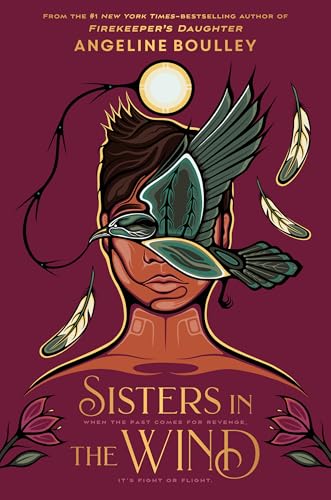
G'day, mates. Ever reckon a book could gut-punch you with foster care horrors while dangling Ojibwe secrets like a carrot on a stick? Sisters in the Wind kicks off with Lucy Smith, this tough-as-nails teen ...