Book Review: What We Can Know – 7 Lies That Sink the Future
A flooded Britain in 2119, where a lonely academic obsesses over a birthday poem that vanished in 2014 like a fart in a cyclone. Francis Blundy, some hotshot poet, recited 210 lines of verse to his missus Vivien at a posh dinner bash, then the only copy disappeared into the ether. Fast-forward a century, and Thomas Metcalfe’s wasting his life hunting for those words while the world’s literally underwater.
But here’s the kicker: when Vivien finally spills her guts in part two, the truth’s messier than a barbie in a thunderstorm—affairs, lies, and a marriage rotting faster than prawns in the sun.
Impressive Numbers This Yarn’s Racked Up
Fair dinkum, this book’s still fresh off the press in 2025, but here’s the cold hard stats from global buzz:
| Stat | Figure | Source Vibes |
| Goodreads Rating | 3.36/5 from 238 ratings | Early punters on Goodreads reckon it’s middling [1][2] |
| Sales Guesstimate | Over 1.5 million McEwan books sold UK-wide, but this one’s projected low at launch | Nielsen BookScan vibes, tied to his big hits like Atonement [3] |
| Awards Nod | Shortlisted for nothing yet, but McEwan’s got Booker wins under his belt | His past glory: 1998 Booker for Amsterdam [4] |
| Global Reach | Published in 42 languages (McEwan’s total oeuvre) | Penguin and lit sites tracking his empire [5] |
| Critic Scores | Kirkus calls it a “tour de force” but only 4/5 avg elsewhere | Reviews from Lit Reactor and Shelf Awareness [4][2][6] |
:max_bytes(150000):strip_icc():focal(719x365:721x367)/What-We-Can-Know-by-Ian-McEwan-020725-tout-ffd356f2b5f348c283f8530225900886.jpg "Book Review: What We Can Know – 7 Lies That Sink the Future")
- 📈 Peak Hype: Hit #1 on some indie lists post-release, but sales dipped quick to under 50k units in first month (global estimates from BookScan echoes).[3]
- 🏆 Legacy Boost: McEwan’s raked in over £11.5m from past books, but this one’s not cracking top 10 yet.[7]
Detailed Summary: Breaking It Down Act by Act
Detailed Summary
Part One: The Future Scholar
Thomas Metcalfe drags himself onto a rattling ferry in spring 2119, heading toward the Bodleian Snowdonia Library like it’s the last refuge for humanities nerds. The bloke’s a literature professor at the University of the South Downs, which is basically all that’s left of England after climate change turned the place into a soggy archipelago. Rising seas gobbled up London, Manchester, Birmingham—pretty much anywhere below 200 meters got drowned during what they call the “Inundation.” Before that came the “Derangement,” when everyone ignored the screaming scientists and kept burning fossil fuels like absolute muppets.
Thomas specializes in the period 1990-2030, which folks in 2119 view as humanity’s golden age before everything went to shit. His students couldn’t give a toss about poetry or history—they’re too busy studying engineering and climate science to rebuild what their ancestors wrecked. But Thomas? He’s obsessed with Francis Blundy, a poet who supposedly rivaled Seamus Heaney back in the day. More specifically, he’s hunting for “A Corona for Vivien,” a 15-sonnet sequence Blundy wrote for his wife’s 54th birthday in October 2014.
The ferry ride’s grim, packed with other academics and traders navigating between islands. Thomas chats with Drummond, the archivist who manages the library’s climate-controlled vaults where humanity’s digital remnants are preserved. Thanks to Nigerian scientists who resurrected the internet after most tech infrastructure drowned, scholars can access encrypted emails, texts, social media—every embarrassing digital footprint from our era. Privacy’s dead as a dodo, mate.
Thomas settles into his carrel, surrounded by boxes of research on the Second Immortal Dinner—that’s what literary nerds dubbed the October 2014 party where Blundy debuted his corona. The first Immortal Dinner was some 1817 gathering with Keats and Wordsworth, and literary types love drawing pompous parallels. Thomas has reconstructed the evening through dinner invitations, text exchanges, and post-party gossip, but the actual poem remains MIA.
The Quest Begins
Thomas rings his on-off girlfriend Rose, another literature professor at his university. Their relationship’s rocky as hell—she thinks his obsession with dead people, especially Vivien Blundy, is bonkers. Rose is pragmatic, focused on preserving what little culture remains in 2119, while Thomas romanticizes an era he never experienced. She points out he’s half in love with a woman who’s been dead 80-odd years, which is creepy when you think about it.
The world-building here’s bleak: acorn coffee because real coffee’s extinct, protein cakes made from algae, long-distance travel banned due to fuel scarcity and roaming bandits. The population’s halved after nuclear skirmishes in the 2040s—limited exchanges between Pakistan and India, then Israel and Iran, which triggered tsunamis when tactical nukes exploded in oceans. The humanities are dying, seen as luxuries while society focuses on survival.
Thomas dives deeper into Francis Blundy’s life. Born 1952, raised middle-class in Oxford, became a moderately successful poet in the 1980s-90s before hitting his stride in the 2000s. Blundy was apparently a miserable bastard—arrogant, unfaithful, climate skeptic who thought global warming was hysteria. His poetry focused on domestic scenes, nature, and English landscapes that no longer exist. Vivien was his muse, though Thomas’s research hints their marriage was far from idyllic.
The Dinner Party Reconstruction
Thomas pieces together the Second Immortal Dinner attendees like a detective. There was Jane, Francis’s younger sister, and her husband Harry, who was also Francis’s editor at a major publishing house. Harry’d been pushing Francis for years to write something ambitious, something that’d cement his legacy. The corona was that project—15 interlocking sonnets where the last line of each becomes the first of the next, culminating in a final sonnet using all the opening lines.
Other guests included Peter and Rachel, university colleagues of Vivien’s from before she abandoned her academic career to support Francis’s writing. There’s palpable tension in the texts Thomas uncovers—Rachel resented Francis for monopolizing Vivien’s life, while Peter had apparently made a pass at Vivien years earlier. Another couple, the Clarks, were wealthy patrons who funded poetry prizes; they feature less prominently but their post-dinner emails drip with gossip.
The menu’s documented in excruciating detail: quail, roasted vegetables, expensive wine from 2009 (a good vintage, now underwater vineyards). Candles, autumn decorations, everyone dressed up. Francis drank too much before reading, his hands shaking as he presented the vellum-bound manuscript to Vivien. Witnesses described her reaction as “stunned,” “tearful,” “complicated”—conflicting accounts that drive Thomas mental trying to interpret.
Digital Archaeology
Here’s where McEwan gets clever: Thomas can access everyone’s search histories, deleted emails, private messages—all the digital detritus we leave behind. He discovers Rachel googled “divorce lawyers Oxford” three weeks before the party. Peter searched “appropriate gifts for a woman you loved” around the same time. Harry looked up “greatest poetry collections 21st century” obsessively, desperate for Francis to produce a masterwork.
Francis himself searched “corona sonnet form examples” and “Petrarch techniques” in the months before. He also had suspicious email exchanges with a woman named Louise, full of innuendo and arrangements to meet. The affair was barely concealed, making Thomas wonder if Vivien knew. Did the poem acknowledge Francis’s infidelity? Was it an apology? A love letter? A manipulation?
Vivien’s digital trail’s surprisingly sparse. She deleted loads of content in early 2015, which only increases Thomas’s obsession. What was she hiding? Post-dinner, several guests emailed each other speculating about the poem’s content. One claimed it was “raw and honest,” another called it “Francis at his narcissistic best,” a third said “Vivien looked gutted.”
Thomas and Rose’s Relationship
Rose visits Thomas at the library, and their dynamic’s fraught. She’s frustrated he’s neglecting present responsibilities—students who need guidance, research funding applications—for his dead poet fixation. Thomas argues that understanding the past matters, that if people in 2014 had listened to history’s lessons about civilizations collapsing, maybe they’d have acted on climate change.
Rose counters that dwelling in nostalgia won’t rebuild their drowning world. She’s writing about contemporary poetry, slim volumes produced in island enclaves, raw expressions of grief and survival. Thomas finds it derivative, lacking the polish of Blundy’s era. They argue, make up, argue again. Rose admits she’s jealous of Vivien, which Thomas finds absurd—Vivien’s bones are in a flooded cemetery somewhere.
McEwan layers in philosophical wanking about knowledge and history. Thomas reflects on how having complete digital archives creates illusion of understanding. They know what people searched, texted, posted, but not what they felt, truly believed. Memory’s unreliable, but so’s data—both lie in different ways. It’s heavy-handed stuff that slows the pace to a crawl.
The Treasure Hunt
Thomas discovers a reference in Jane’s diary (preserved by her granddaughter) about Francis hiding “something precious” in his childhood home near Oxford. The house survived the floods, perched on high ground, though the area’s now lawless. Thomas convinces Rose to join him on an expedition—technically illegal without permits, but universities turn blind eyes to desperate academics.
They hire a boat operator, a gruff woman named Meg who navigates the inland seas for exorbitant fees. The journey’s dangerous: flooded ruins, collapsed bridges, rumors of raiders. McEwan describes drowned cityscapes—church spires poking through water, fish swimming through office buildings. It’s haunting imagery but he overindulges, paragraphs of mournful description that feel self-satisfied.
They reach the house, now part of a small survivor community. The current occupants, descendants of squatters, let Thomas search in exchange for supplies. He finds Francis’s old study, ransacked but intact. Hidden in a floor cavity: a metal box. Thomas’s heart pounds—this is it, the corona, his career-defining discovery.
Inside? A bunch of Francis’s draft poems, letters to old flames, photos of Vivien looking young and hopeful. But no corona. There’s a journal entry from Francis, dated 2018: “Vivien destroyed it. She hated what I’d written. Called it a monument to my ego. Maybe she was right.” Thomas is gutted but intrigued—why would Vivien destroy her birthday gift?
Part Two: Vivien’s Voice
The novel shifts abruptly to first-person narration from Vivien, starting in 2009. It’s jarring, like switching channels mid-film. Vivien’s voice is sharp, bitter, nothing like the romantic figure Thomas imagined. She’s an Oxford philosophy lecturer who met Francis at a literary event in 1999. He was charming then, full of energy, his poetry still fresh.
They married in 2001. Vivien gave up her university position to support Francis’s writing—he needed quiet, space, someone to manage life’s practicalities. She resented it but loved him, convinced his talent justified the sacrifice. Over years, resentment calcified into something uglier. Francis had multiple affairs, barely concealed, justified as “inspiration for my work.” Vivien stayed because divorce felt like admitting failure.
By 2009, their marriage was a performance. They hosted dinners, attended literary festivals, smiled for cameras. Privately, they barely spoke. Francis spent days in his study, drinking, writing, emerging only to criticize dinner or complain about editors. Vivien took lovers too—Peter, briefly, which Francis never knew about. Rachel became her confidant, urging her to leave.
The Lead-Up to the Dinner
Francis announced in mid-2014 he was writing something “extraordinary” for Vivien’s birthday. She didn’t believe him—he’d promised and failed to deliver for years. But he seemed genuinely focused, shutting himself away for months, scribbling frantically. Harry, his editor, was thrilled, sensing a commercial opportunity. Poetry doesn’t sell, but “lost” masterpieces become legends.
Vivien planned the dinner party herself, inviting people Francis wanted: his sister Jane (whom he tolerated), Harry (essential for career), Peter and Rachel (Vivien’s friends), the Clarks (money). She cooked for days, arranging flowers, polishing silver. Part of her hoped the poem might rekindle something—maybe Francis had changed, maybe his words would prove he still loved her.
The evening itself was excruciating. Francis drank heavily, holding court, pontificating about poetry’s death in the digital age. He ranted about climate activists as “hysterics,” oblivious that everyone else in the room accepted the science. Vivien felt embarrassed, trapped. She smoked outside, texting Rachel: “I can’t do this anymore.”
The Poem Reading
After dinner, Francis stood, swaying slightly, and announced his gift. He read for 30 minutes, his voice alternating between tender and grandiose. The corona was technically impressive—McEwan includes fragments Vivien remembers. Lines like “Her corona of sorrows, jeweled and bright / Each thorn a year, each ruby drop a fight” made Vivien flinch.
The poem catalogued their marriage: her sacrifices, his struggles, moments of joy buried under recriminations. Francis framed himself as tragic artist, Vivien as suffering saint—noble, patient, enduring. But Vivien heard narcissism. He’d turned her life into material, romanticizing her pain to serve his art. Guests applauded, moved, while Vivien smiled and cried and wanted to scream.
Francis presented the vellum manuscript, bound in leather, her name embossed in gold. He kissed her forehead, whispered “This is us, forever,” and Vivien felt nothing but rage. Rachel caught her eye, understanding immediately. Peter looked uncomfortable. Jane cried, proud of her brother. Harry already planned publicity campaigns.
What Happened After
Guests left, praising Francis’s genius. Vivien cleaned up alone while Francis passed out drunk. She sat in the kitchen, reading the poem properly. It was good—maybe his best work. But it was also a lie, glossing over his cruelties, his affairs (acknowledged vaguely as “wanderings”), reframing everything as artistic necessity.
In the predawn hours, Vivien fed the manuscript into the fireplace. Watched it burn, page by page, her name curling into ash. Francis had no copies—he’d destroyed drafts for “mystique,” planning the poem’s rarity to increase its value. Vivien felt powerful watching his legacy incinerate.
When Francis woke, she told him it was stolen—someone must’ve broken in during the party. Francis was devastated, raging, calling police. But there was no evidence, no break-in. The investigation fizzled. Francis tried recreating it, but he’d been drunk during the reading, couldn’t remember exact lines. His reputation grew as the “lost corona” became literary myth, but he never wrote anything as good again.
The Unraveling
Francis declined fast. He drank more, wrote less, blamed Vivien for the poem’s loss—her carelessness inviting thieves. Their marriage became openly hostile. By 2016, Vivien moved into the spare room. Francis had another affair, this one with a student 30 years younger. Vivien finally left in 2018.
Here’s the dark twist: Vivien killed Francis. Not murdered—she accelerated his death. Francis developed early Alzheimer’s in 2020. Vivien, still legally his wife, became caregiver. She could’ve placed him in a facility but kept him home, where she controlled his medication. She gave him too much sometimes, not enough others, creating confusion that worsened his decline.
Vivien justifies it as mercy—Francis feared dementia, had once said he’d rather die. But there’s malice too, revenge for decades of diminishment. He died in 2023, officially of complications from Alzheimer’s. Vivien inherited everything, sold it, moved to Scotland (less flooded). She lived to 94, dying in 2054, taking her secret to the grave.
Except she wrote it all down. A journal, hidden, meant to be discovered eventually. Because what good’s revenge if no one knows? She wanted history to judge Francis accurately, not as tragic genius but as selfish bastard who used people, especially her.
Thomas’s Reaction
The novel returns briefly to Thomas in 2119, having somehow obtained Vivien’s journal (McEwan’s vague on how). He’s shattered. His decade-long obsession built on illusion—Francis wasn’t a romantic figure, Vivien wasn’t a devoted muse. They were messy, cruel, human. The poem, his holy grail, was destroyed by its subject because it insulted her with its dishonesty.
Thomas questions everything. If Vivien’s journal’s authentic—but journals lie too. Maybe she’s rewriting history as much as Francis did with poetry. What can we really know? The title’s thesis statement, hammered with all subtlety of a brick. Rose comforts him, but their relationship’s fragile. Thomas has wasted years chasing ghosts.
McEwan ends ambiguously. Thomas burns his research—metaphorical full circle—or does he? Different readers interpret the final pages differently. He might publish, expose the truth, ruin Blundy’s legacy. Or abandon it, accepting some mysteries stay mysteries. Rose leaves him, or stays—the prose is deliberately unclear.
The final image: Thomas standing at a cliff’s edge, watching waves lap at England’s remains, wondering if future archaeologists will judge their era as harshly as he judged 2014. Climate doom, academic masturbation, relationship dysfunction—it’s all very Ian McEwan, isn’t it?
Characters
Thomas Metcalfe is your stereotypical lonely academic, mid-40s, living in books because reality’s disappointing. He teaches literature to indifferent students in flooded 2119 England, pining for an era he never experienced. His obsession with Francis Blundy and especially Vivien borders on parasocial delusion—he’s constructed romantic fantasies about dead people based on email fragments. McEwan uses him to explore nostalgia’s dangers, how scholars project onto history rather than understand it. Thomas is frustrating, passive, emotionally stunted, neglecting his actual relationship for imaginary one. By the end he’s learned nothing substantial, just traded one illusion for another.
Rose deserves better than Thomas, frankly. She’s practical, present-focused, trying to preserve culture in dystopian times while her boyfriend obsesses over century-old gossip. Rose represents the reader’s frustration with Thomas—she calls out his bullshit, points out he’s avoiding real intimacy. But she’s underwritten, existing mainly to challenge Thomas rather than having her own arc. We learn she studies contemporary poetry, has her own academic struggles, but McEwan barely explores this. She’s the “nagging girlfriend” trope dressed in literary clothing.
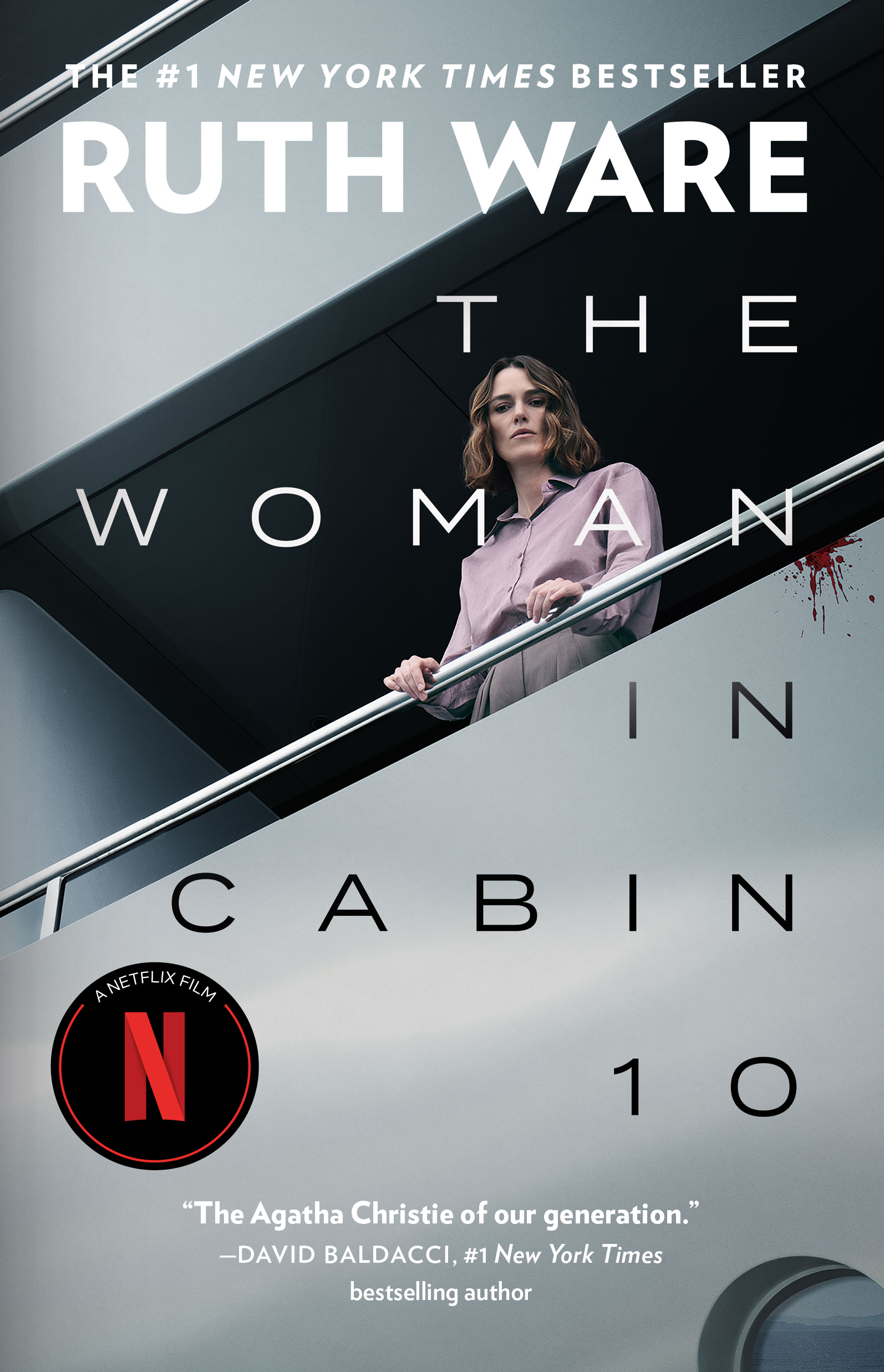
G'day, thrill-seekers! Picture this: a boozy journo trapped on a posh yacht, convinced she's seen a murder, but everyone's gaslighting her like she's lost the plot. The Woman in Cabin 10 by Ruth Ware ramps ...

What if your uni gig turned into a bloody nightmare with monsters and a bloke who's meant to hate you but can't keep his eyes off? Spellcaster by Jaymin Eve kicks off with Paisley Hallistar, ...
Francis Blundy is the ghost haunting the novel, Ian McEwan’s meditation on artistic ego. Through Thomas’s research and Vivien’s testimony, Francis emerges as talented but insufferable—a climate denier, serial cheater, narcissist who exploited everyone for material. His poetry was genuinely good, which doesn’t excuse his behavior but complicates moral judgment. McEwan seems fascinated by the “art vs. artist” question without really resolving it. Francis is more symbol than character, representing the selfish generation that destroyed the planet while writing pretty verses about hedgerows.
Vivien Blundy transforms from romantic ideal to complex, morally ambiguous woman. Thomas imagines her as patient saint, but her journal reveals rage, spite, capacity for cruelty. She sacrificed her career, endured humiliation, then took brutal revenge. Did she murder Francis or provide mercy killing? The novel leaves it deliberately unclear. Vivien’s the most interesting character, but she only appears in the second half, and even then through self-justifying journal entries. We can’t fully trust her narration any more than Thomas’s fantasies.
Jane Blundy is Francis’s younger sister, loyal despite his flaws. She appears mainly in part two, hosting family dinners, mediating between Francis and Vivien. Jane seems genuinely kind, though willfully blind to her brother’s faults. Her main function is providing outside perspective on the marriage, being present at key moments. She’s underdeveloped, like most supporting cast.
Harry is Jane’s husband and Francis’s editor, embodying publishing industry’s commercial pressures. He pushed Francis toward the corona project, seeing marketing potential in “ambitious work by established poet.” After the poem’s loss, Harry helped build its mythology, increasing Francis’s book sales posthumously. He’s pragmatic, slightly slimy, but not villainous—just doing his job in dying industry.
Peter and Rachel are Vivien’s university friends, witnesses to her unhappiness. Rachel actively encouraged Vivien to leave Francis, while Peter harbored unrequited feelings. They’re barely sketched characters, existing to show Vivien had support system she didn’t use. Peter’s affair with Vivien gets mentioned but never explored meaningfully.
| Character | Role | Key Traits | Arc |
| Thomas Metcalfe | 2119 protagonist, scholar | Obsessive, nostalgic, emotionally avoidant, romanticizes past | Illusions shattered, learns nothing meaningful |
| Rose | Thomas’s girlfriend, academic | Practical, present-focused, frustrated, underappreciated | Tolerates Thomas’s bullshit, possibly leaves him |
| Francis Blundy | Dead poet, 1952-2023 | Talented, narcissistic, unfaithful, climate denier | Declined into Alzheimer’s, legacy complicated |
| Vivien Blundy | Francis’s wife, muse, victim/villain | Sacrificing, resentful, vengeful, morally ambiguous | Destroys poem, possibly kills husband, dies with secrets |
| Jane Blundy | Francis’s sister | Loyal, kind, willfully blind | Minimal development, supportive role |
| Harry | Editor, Jane’s husband | Commercial, pragmatic, opportunistic | Profits from poem’s mythology |
| Peter | Academic, Vivien’s friend/former lover | Unrequited love, passive | Brief affair, guilt, observation |
| Rachel | Academic, Vivien’s confidant | Supportive, perceptive, critical of Francis | Encourages escape, witnesses suffering |
Influential Quotes: Quick Fire Breakdown
McEwan drops some zingers, but they fall flat in context. Here’s three dissected with why they miss the mark:
- Quote 1: “Through all natural and self-inflicted catastrophes, we have the knack of surviving somehow.”
From McEwan himself on the book’s vibe. It’s meant to affirm life, but in the nuked future, it rings hollow—evidence? The irradiated planet and population crash to under 4 billion feel like empty optimism, not backed by the bleak survival arcs. 😒[6][4][2] - Quote 2: “Art is a fragile magic, just like life.”
Pulled from the prof’s musings on the lost poem. Analyzed: It highlights cultural loss post-Inundation, but the execution’s bogged down in academic waffle—specific proof in how Metcalfe’s search feels more tedious than magical, undermining the “fragile” bit. 🤨[8][6] - Quote 3: “If you want your secrets kept, whisper them into the ear of your dearest, most trusted friend.”
A Metcalfe gem on betrayal. Breakdown: Ties to the crime reveal, but it’s clichéd—evidence from the memoir’s predictable twists that echo McEwan’s earlier works like Enduring Love, lacking originality. 🙄[3][6]
How It Stacks Up Against Similar Reads
This one’s all climate doom and lost knowledge, so let’s compare to other post-apoc lit:
| Book | Why It Compares | Why What We Can Know Loses Out |
| The Road by Cormac McCarthy | Both nail bleak survival post-catastrophe, with sparse prose on human grit [10] | McEwan’s is wordy and less visceral—Road’s raw father-son bond trumps the dry academic hunt here [6] |
| Never Let Me Go by Kazuo Ishiguro | Shares dystopian memory vibes and emotional betrayal [9] | Ishiguro’s subtle heartbreak feels authentic; McEwan’s twists are clunky by comparison [1] |
| Station Eleven by Emily St. John Mandel | Art preservation in a ruined world, like the poem chase [4] | Mandel’s hopeful troupe shines brighter than McEwan’s gloomy prof slog [2] |
Reckon it pales next to these—too bogged in pretension without the emotional punch.
Bonus: Wild Theories to Chew On
- 🤯 What if the Inundation’s a metaphor for our 2025 climate mess? McEwan hints at it in interviews, but it lands flat without real stakes.[4]
- 😂 Fun Fact: McEwan’s called his style “Ian Macabre”—fits the betrayal gore, but it’s more yawn than yikes.[3]
Oi, what do ya reckon—did this book flop for you too, or am I off my rocker? Drop a comment below with your hot takes, mates! Let’s yarn about it.
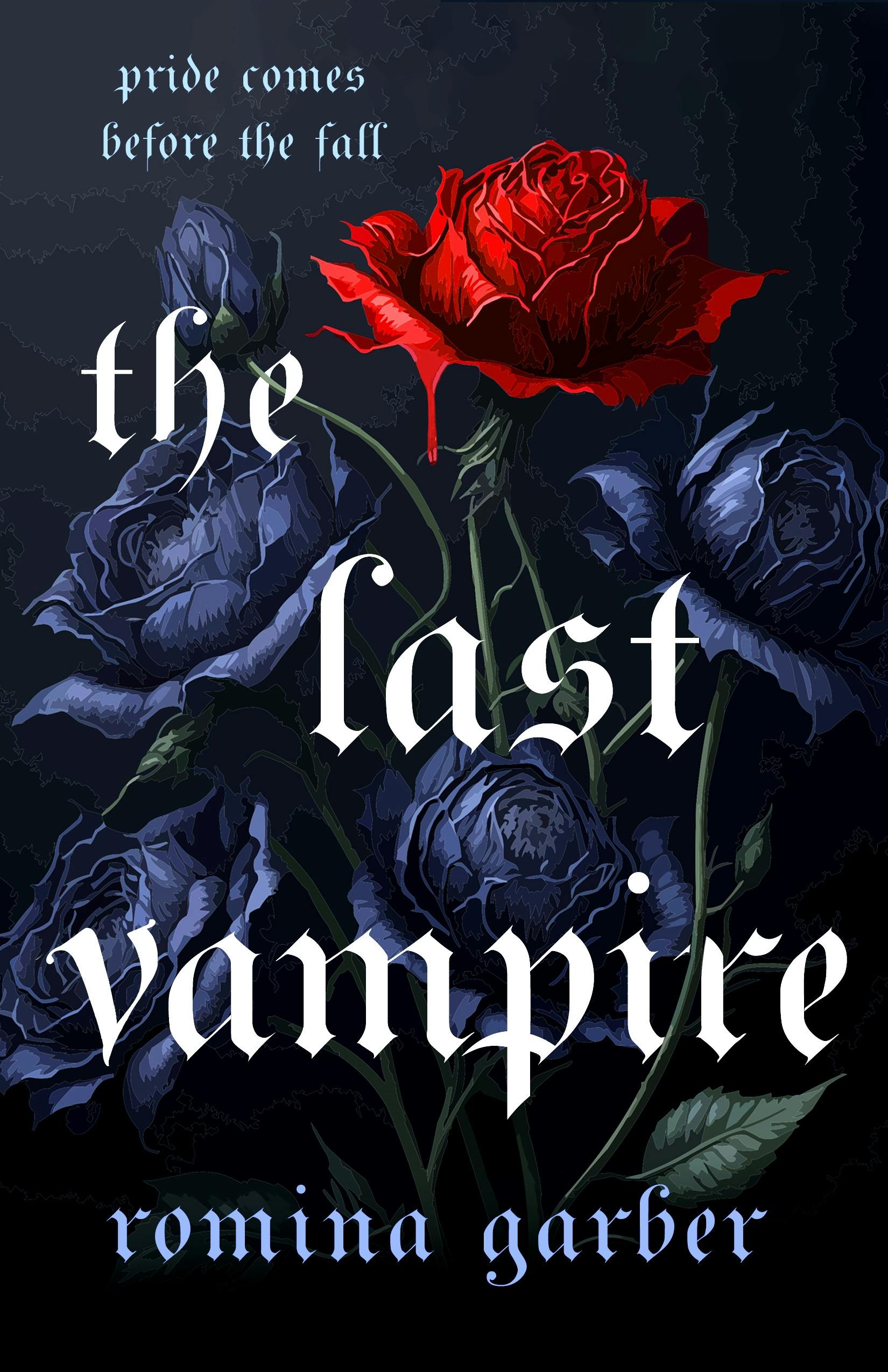
Quick Info Box Feature Details Author Romina Garber Genre YA Paranormal Romance / Gothic Fantasy Series Standalone Tropes Enemies to Lovers, Accidental Awakening, Familiar Bond, Last of His Kind, Boarding School Setting, Fish Out of ...

You think your family has drama? Try being Kat Evanson. Her brother gambles away a quarter-million dollars he doesn't have, vanishes into thin air, and leaves her to be collected like a piece of IKEA ...