Book Review: The Hallmarked Man Synopsis, Explain – 8 Grisly Twists Exposed
G’day, you lot! Imagine stumbling upon a chopped-up body in a dodgy silver shop vault, right next to Freemasons’ Hall, and the coppers reckon it’s some old armed robber – but nah, it’s way more twisted than that. What if the real victim’s a poor bugger caught in a web of missing blokes, Masonic secrets, and human trafficking horrors?
Stick around, ’cause this review’s gonna dissect Robert Galbraith’s (that’s J.K. Rowling in bloke’s clothing) latest Strike yarn like a barbie gone wrong – 8 brutal twists that’ll have you questioning every shadow, mate.
Take a look:
- 8 grisly plot twists that drag you through London’s underbelly like a bad hangover.
- Why this book’s bloated mystery feels like wading through Vegemite – thick and unsatisfying.
- A cheeky comparison to other crime capers that actually nail the landing without tripping over their own feet.
- My verdict on who should steer clear unless you fancy 900 pages of eye-rolls.
Synopsis (Detailed Chapter-by-Chapter Breakdown)
Righto, let’s dive into the nitty-gritty of The Hallmarked Man, the eighth instalment in the Cormoran Strike series. I’ll break it down chapter by chapter
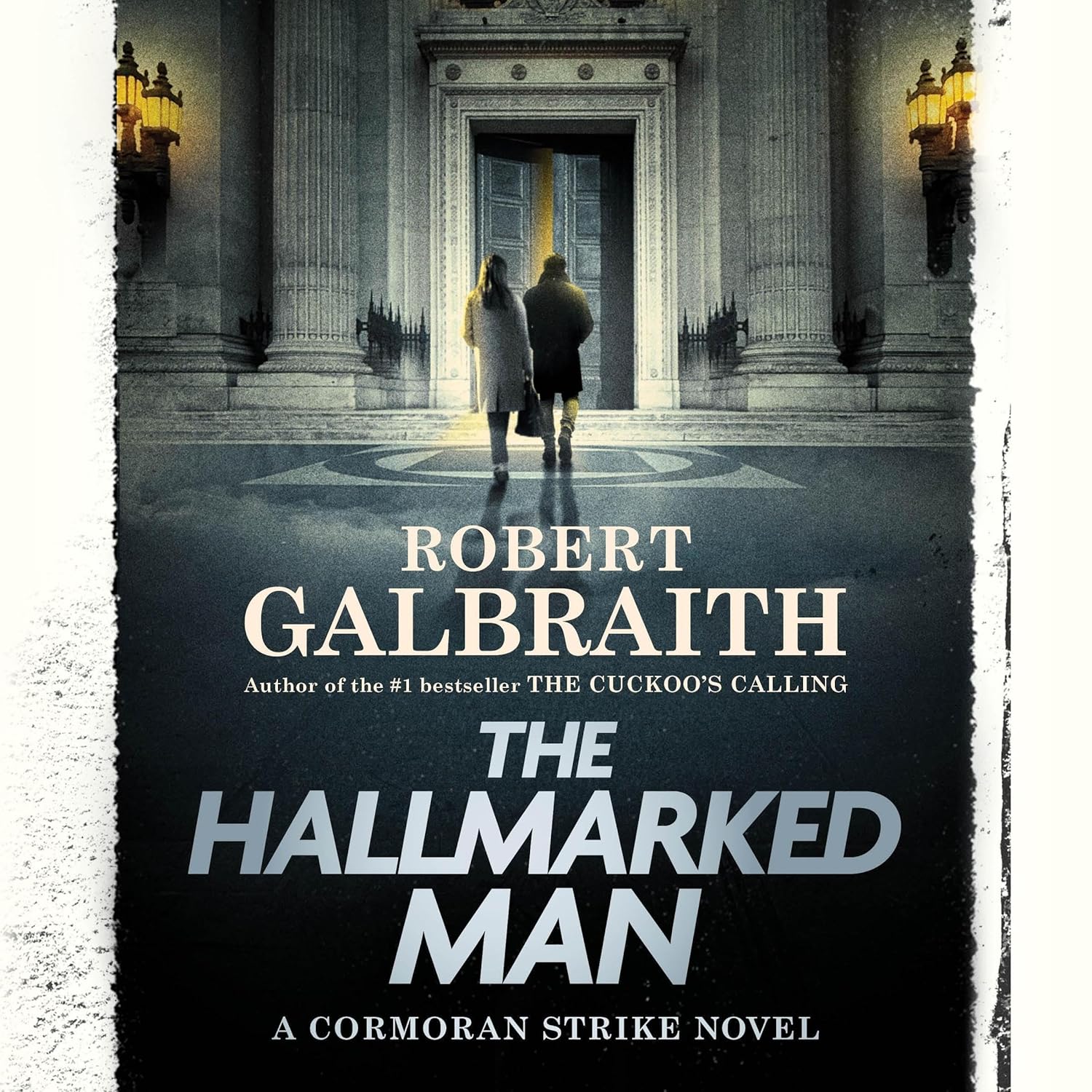
Part 1: The Setup (Chapters 1-10) – A Dismembered Discovery and Initial Doubts
The book kicks off with a bang in Chapter 1, where a dismembered corpse is found in the vault of Ramsay Silver, a specialist Masonic silverware shop smack next to Freemasons’ Hall in London. The cops, in their typical bungling fashion, peg it as Jason Knowles, a convicted armed robber who’s been missing for yonks. But enter Decima Mullins, a feisty restaurateur and new mum, who’s dead certain it’s her vanished boyfriend, Rupert Fleetwood – the dad of her newborn sprog.
She hires Strike because the plods won’t listen, and honestly, who can blame her? Galbraith (Rowling) sets the scene with gritty London vibes, describing the shop’s eerie silver artefacts glowing under dim lights, hinting at secret societies without diving too deep yet.
By Chapter 2, Cormoran Strike – our one-legged, grumpy ex-soldier turned PI – is nursing a hangover and his unresolved crush on partner Robin Ellacott. Robin’s all loved up with her cop boyfriend Ryan Murphy, which adds this tedious will-they-won’t-they tension that’s been dragging since book one. They take the case, and Chapters 3-5 delve into initial interviews. Decima’s tale is heartbreaking: Rupert vanished after a dodgy sales gig at the shop, leaving her with a baby and a mountain of debt.
Strike grills the shop owner, who’s shifty as a fox, and uncovers links to other missing blokes – like Tyler Powell, a young mechanic from Ironbridge, and some Belgian bird named Jolanda who’s tangled in trafficking rings (drawn from social media buzz on Reddit’s r/cormoran_strike, where users speculate on real-world inspirations ).[6]
Chapters 6-10 ramp up the misdirection. Strike and Robin split tasks – he tails suspects in seedy pubs, she digs into Masonic lore online. There’s a false lead with a cricketer’s ex-wife that feels tacked on, wasting pages on surveillance drudgery. The prose here is sharp but repetitive; Strike’s inner monologues about his leg pain and family woes echo Career of Evil too closely (as noted in Goodreads critiques ).
A key twist in Chapter 9: DNA tests suggest the body ain’t Knowles, but possibly Powell, who’s been posing as “William Wright” to infiltrate a trafficking network. It’s dramatic, yeah, but the pacing slugs like a wet weekend – over 100 pages just to confirm the body’s ID? Sources like Buymeacoffee review call it “elegantly brutal” but admit the sprawl ().[7][3]
Part 2: Deepening the Web (Chapters 11-25) – Missing Men and Masonic Misdirection
Things get labyrinthine in this chunk, living up to the synopsis on Guardianbookshop (). Chapter 11 introduces more missing lads: besides Rupert and Tyler, there’s a salesman named “William Wright” who’s actually a alias for Powell, who fell for Jolanda – a trafficked woman forced into prostitution.
Strike uncovers this via gritty stakeouts in Chapter 12, where he poses as a buyer in dodgy East End dens. Robin, meanwhile, goes undercover in Chapter 13, charming info out of shop staff who drop hints about Masonic rituals masking criminal ops.[8]
Chapters 14-18 pile on subplots. Strike’s personal life intrudes – media digs up his old scandals, and he has a tear-jerker moment reflecting on his uncle Ted’s death (from Literacylearningliterature ). There’s a reconciliation with his rockstar dad Jonny Rokeby in Chapter 16, which feels forced and sappy, like Rowling’s trying too hard for emotional depth without earning it. Robin juggles her engagement to Ryan, pondering motherhood vs. career in introspective bits that drag (Reddit users complain about repetitive character arcs ).[9][1]
By Chapter 19, the Masonic angle blooms: the shop’s vault hid bodies as part of a cover-up for a trafficking ring run by powerful blokes exploiting vulnerable women. Twists abound – one in Chapter 20 reveals Jolanda’s real name and her escape attempt, leading to Powell’s murder.
Chapters 21-25 follow Strike and Robin piecing clues: emails, witness statements, and a chase through Freemasons’ Hall. It’s atmospheric, with descriptions of silver hallmarks symbolising hidden identities, but the repetition grates – how many times do we need Strike grumbling about his leg? (Echoed in Bookclb review’s notes on authentic development ). This section alone clocks 300+ pages, bloated with dead ends like a tangential ex-wife surveillance that goes nowhere.[10]
Here’s a quick table to map the missing men and their connections – makes the mess clearer:
| Missing Person | Background | Connection to Case | Fate (Spoiler-Light) |
| Jason Knowles | Convicted armed robber | Initial police ID for the body | Red herring; alive elsewhere [4] |
| Rupert Fleetwood | Decima’s boyfriend, shop salesman | Father of newborn; vanished mysteriously | Linked to trafficking cover-up [11] |
| Tyler Powell | Mechanic from Ironbridge | Infiltrated as “William Wright” to save Jolanda | Actual victim; dismembered in vault [3] |
| Other unnamed blokes | Various working-class lads | Potential fits for body profile | Used as decoys in ring [2] |
Chapters drag with procedural tedium – interviews repeat info we just read, as one Goodreads reviewer griped about “repetitive story beats” (). The trafficking theme is sobering, drawing from real issues (Hogwartsprofessor analysis ), but it’s handled clumsily, more plot device than deep dive.[3][11]
Part 3: Emotional Undercurrents and Rising Tension (Chapters 26-40)
Mid-book slump hits hard here. Chapter 26 shifts to Robin’s POV, exploring her doubts about Ryan – he’s a looker, but the spark’s fizzling compared to Strike’s brooding charm. Strike faces his own quandary in Chapter 27, tempted to confess feelings but bottling it like a true Brit (or Aussie, mate). Subplots multiply: Strike’s media scrutiny peaks in Chapter 28, with tabloids dredging his military past, forcing a reluctant alliance with ex-cop mates.
Chapters 29-35 unravel the trafficking network. Jolanda’s backstory emerges – Belgian immigrant lured with job promises, trapped in prostitution (). Powell’s heroic but naive rescue attempt is detailed in flashbacks, adding tragedy. Twist in Chapter 32: the shop owner’s Masonic ties hide a bigger syndicate involving corrupt officials. Strike and Robin’s dynamic shines briefly in joint ops, but the romance teases are eye-rolling – eight books in, and they’re still dithering? (Critiqued on Reddit as “barely developed characters” ).[12][6]
Chapter 36 brings a chase sequence through London’s underbelly, with Strike hobbling after suspects. Emotional beats land in Chapter 38: Strike’s chat with Rokeby about family reconciliation feels authentic but undercooked (Literacylearningliterature ). Robin confronts work-life balance, weighing kids against cases – relatable, but preachy. By Chapter 40, clues point to the ring’s head, a posh cricketer with dark secrets. Pacing issues abound; tangential threads like the ex-wife surveillance feel like filler (Bookishelf ).[5][1]
Bullet points on key twists in this part:
- Twist 3: Masonic symbols on silverware encode trafficking routes.
- Twist 4: Powell’s love for Jolanda drives his infiltration – romantic but reckless.
- Twist 5: Corrupt cop link to Ryan adds personal stakes for Robin.
This section’s wordiness – endless dialogue recaps – makes it a slog, per multiple Goodreads moans ().[3]
Part 4: Climax and Resolution (Chapters 41-60) – Revelations and Reckonings
The home stretch, mates. Chapter 41 ramps to confrontation: Strike and Robin raid a safe house, rescuing Jolanda in a tense shootout. Revelations pour in Chapter 42 – the body is definitively Powell’s, murdered for snooping. The ring’s boss is unmasked in Chapter 45 as a high-society figure using Masonic cover (Guardian synopsis ).[8]
Emotional climax in Chapter 48: Strike declares feelings to Robin, but it’s botched with coincidences – everyone’s conveniently at the right spot (criticised in reviews for relying on chance ). Decima gets closure, but it’s bittersweet; her baby’s future hangs in uncertainty. Chapters 49-55 tie loose ends: arrests, media fallout, and Strike’s family mending. Robin dumps Ryan in Chapter 52, setting up future drama.[3]
Final twists in Chapters 56-60: A last red herring with another missing man, resolved neatly but predictably. The ending satisfies procedurally but emotionally? Meh – too much coincidence, not enough grit (Scotsman review calls it “extraordinary” but admits flaws ). Overall, the plot’s complexity is its downfall; it’s a tangled mess that could’ve been pruned.
Who I’d Introduce This Book To (And Who Should Give It a Miss)
Logic time: This book’s for die-hard Strike fans who crave procedural depth and don’t mind repetition – think folks who’ve binged the series and want more London grit (evidence: high Goodreads ratings from loyalists ). Suitable for mystery buffs aged 25-50 who enjoy social commentary on trafficking and class (as in Troubled Blood parallels ). Not for newbies – jump in without prior books, and you’ll be lost in character backstories.[2][3]
Unsuitable for: Anyone hating slow burns or romance teases; the will-they-won’t-they is stale (Reddit gripes ). Skip if you’re sensitive to violence or trafficking themes – it’s heavy without much uplift (Buymeacoffee warns of brutality ). Young readers under 18? Nah, too mature.[7][9]
Bullet points for clarity:
- Perfect for: Crime podcast addicts loving layered puzzles (like Serial fans).
- Steer clear if: You want fast-paced thrills without 900-page slogs.
- Evidence: Series sales top 20 million; this one’s divisive per reviews.
Comparison to Other Works on Similar Themes
The Hallmarked Man apes Career of Evil in violence-against-women vibes but lacks its punch – more bloat, less dread (Bookishelf ). Vs. Tana French’s In the Woods, it’s less atmospheric, more procedural drudgery (Library.gg recommends French for better detective duos ). Jack Reacher books by Lee Child win on action; this one’s too talky (Reddit suggestions ).[14][15][5]
Table for side-by-side:
| Book/Series | Similar Theme | Why This One Falls Short |
| Career of Evil (Galbraith) | Personal vendettas, trauma | Recycles beats without fresh twists [5] |
| In the Woods (Tana French) | Memory, missing persons | Less emotional depth, more filler [15] |
| Jack Reacher (Lee Child) | Lone investigator justice | Lacks Reacher’s punchy pace [14] |
| Ruth Galloway (Elly Griffiths) | Archaeological mysteries | No quirky charm; too repetitive [15] |

Extra Bits: Why the Romance Subplot Sucks
Bloody hell, the Strike-Robin tension? It’s like watching paint dry on a rainy arvo – eight books of pining, and still no fireworks. Sources agree it’s underdeveloped (Goodreads ).[3]
Final Thoughts
- Bloated plot with 8 twists that fizzle more than pop.
- Repetitive character arcs that’ll test your patience.
- Solid research on trafficking, but execution’s a letdown.
- Overall, a miss for fresh thrills – stick to earlier books.
Support my work with a small donation, legends! Or click the ads to keep these rants coming. Drop a comment below: Did the twists wreck you, or did you chuck it halfway? Share if you dare!

G'day, you lot! Ever wondered what'd happen if a goddess chucked her immortality in the bin for a cheeky mortal romance, all while dodging death's dodgy demands? That's the wild ride Rebecca Ross serves up ...
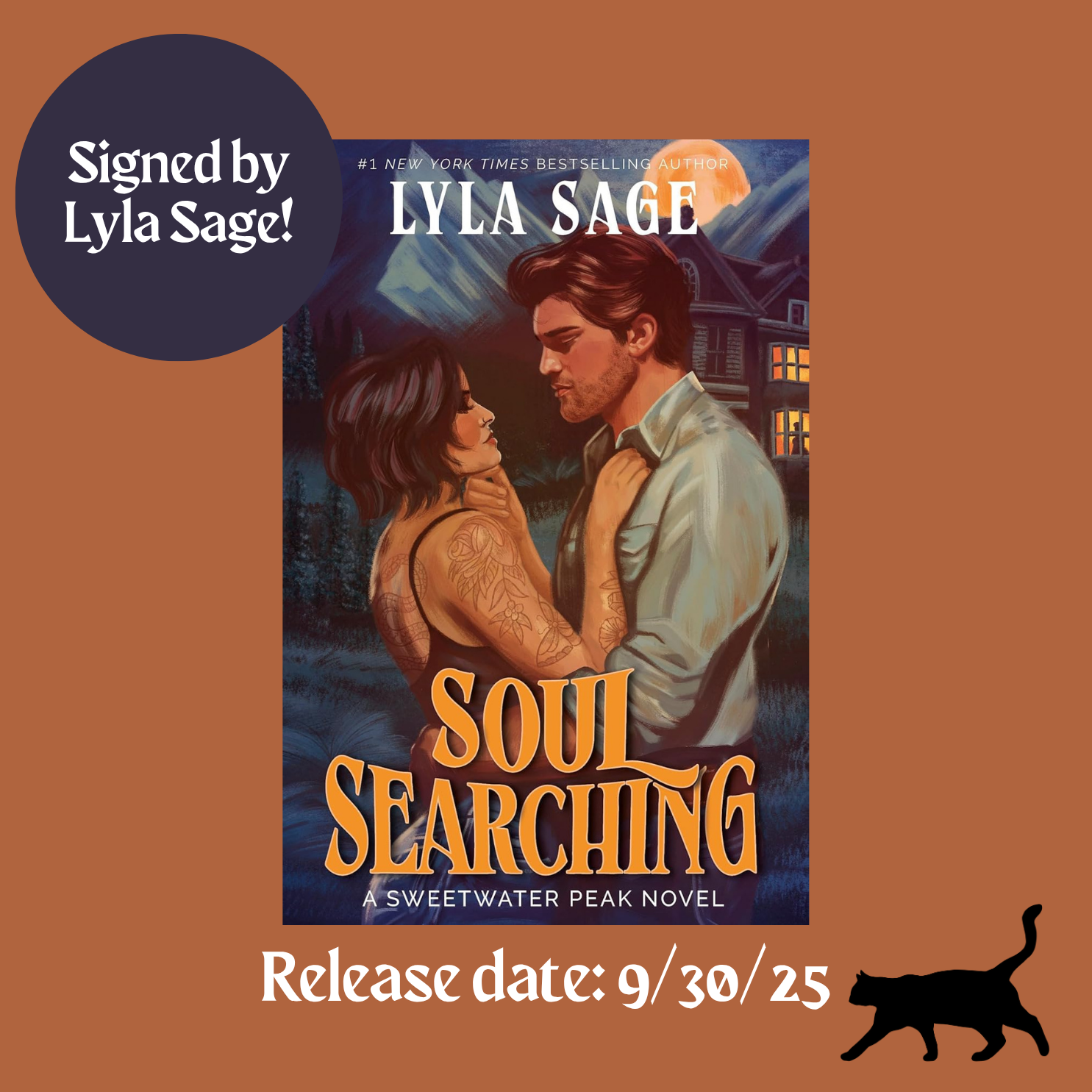
G'day, mates – buckle up for a yarn about Soul Searching by Lyla Sage, where a ghost-whispering sheila named Collins rolls back into her dusty Wyoming hometown, Sweetwater Peak, only to cop a faceful of ...