The Everlasting: Synopsis and Explain – 7 Loops That’ll Bloody Bore Ya | Book Review
G’day, mates. Picture this: a lady knight stuck in a time loop, dying over and over for a dodgy queen, while some wimpy historian bloke keeps popping back to “fix” her legend. It’s meant to be epic, but crikey, it drags like a kangaroo in quicksand—seven bloody cycles of the same old yarn, with heartbreak that feels as fresh as last week’s vegemite.
Nah, this one’s a letdown, folks. The drama peaks when Una Everlasting realises her heroic tale’s all bollocks, twisted by propaganda, but it fizzles into repetitive mush. Harrow tries for poetic twists, but it’s like watching paint dry on a tin roof—endless loops without the punch.
What do ya reckon? Drop a comment below if you’ve survived it, or if ya think I’m full of it. Let’s yarn about whether this book’s worth the hype or just a fancy snooze-fest.
Detailed Summary
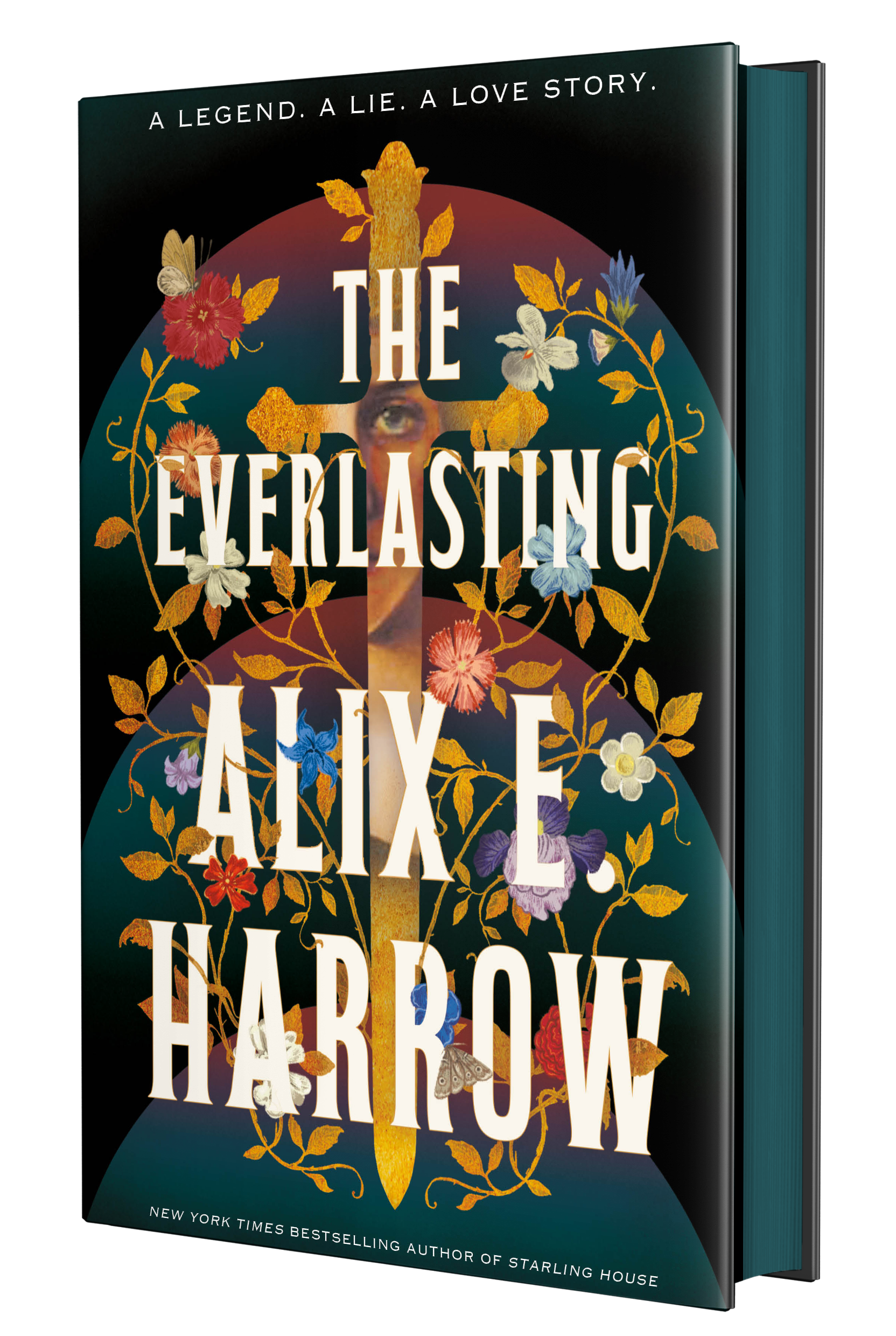
Chapter 1: The Legend Begins
Una Everlasting kicks off as this orphaned sheila who’s thrust into knighthood, all duty-bound and fierce. She’s got the armour, the sword, and a queen who’s as shady as a back-alley deal in Sydney. But straight away, ya see the cracks—Harrow piles on the descriptions, makin’ every scene feel like it’s tryin’ too hard to be mythic.
The historian bloke, Owen Mallory, pops in from the future, all wide-eyed and scholarly, beggin’ her to follow the script. It’s meant to be tense, but it’s predictable as rain in the wet season. Una dies her first “heroic” death, and boom, loop one resets—already feelin’ like groundhog day without the laughs.
Four sentences in, and I’m yawnin’. The prose is flowery, sure, but it bogs down the pace like mud on ya boots. Owen’s a wet blanket, whingin’ about fate while Una’s the only spark, yet even she’s written as too obedient, too flat. By the end of this chapter, ya wonder if the whole book’s gonna be this repetitive drudgery.
Line break for ya mobile scrollers—breathe easy.
Una’s backstory gets fleshed out with flashbacks to her rough upbringing, but it’s all tell, no show. Harrow throws in some magic that’s never explained, leavin’ ya scratchin’ ya head. Owen tries to bond with her over shared grief, but their chats feel forced, like two strangers at a barbie who don’t click.
The queen’s demands ramp up, pushin’ Una towards sacrifice, but the stakes? Meh, they don’t hit hard. It’s all setup for the loops, yet it takes forever to get there. I reckon this chapter could’ve been halved without losin’ a thing—too much waffle on legends that ain’t interestin’.
Chapter 2: First Loop Fumble
Loop two cranks up, with Owen back in time, armed with knowledge from the last go. Una’s wary now, rememberin’ bits of the previous cycle, which adds a smidge of intrigue. But blimey, the dialogue’s clunky—Owen explainin’ time travel like he’s readin’ from a textbook.
They team up to tweak the legend, dodgin’ the queen’s traps, but it all unravels in the same bloody way. Una’s meant to be this icon, yet she’s portrayed as a pawn, which gets old fast. The romance sparks here, with some tender moments, but it’s eye-rollin’ cheesy, mate.
After a few pages of chasin’ shadows, they fail again—Una bites the dust, loop resets. Harrow tries for emotional depth, describin’ the pain poetically, but it feels manipulative, like she’s forcin’ tears without earnin’ ’em. Owen’s cowardice shines through, makin’ him unlikeable as a soggy Tim Tam.
This chapter drags on with repetitive battles that echo chapter one. Why not mix it up? Instead, it’s more of the same, stretchin’ thin ideas across too many words. By now, ya realise the book’s structure is its own worst enemy—loopin’ without evolvin’.
Chapter 3: Deepenin’ the Rut
Third loop in, and Una’s gettin’ feistier, questionin’ her role in this twisted history. Owen’s fallin’ hard, yearnin’ like a lovesick pup, but their chemistry? It’s as sparkly as flat beer. Harrow layers on the themes of colonialism and propaganda, which is fair dinkum interestin’ at first.
They uncover the queen’s real motives—power grabs disguised as heroism—but the reveals come slow as a snail on valium. Una pushes back, tryin’ to rewrite her fate, leadin’ to some action scenes that should’ve thrilled, but nah, they’re bogged down in metaphors.
Failure hits again, with a twist that’s s’posed to shock, but ya see it comin’ from a mile away. The writin’s lyrical, I’ll give it that, but it overdoes the sorrow, makin’ every page a downer without balance. Owen’s growth is minimal; he’s still the same whinger.
This section balloons with world-buildin’ that feels tacked on—nations, wars, all explained in info-dumps. It’s like Harrow forgot to trim the fat. Una’s arc hints at empowerment, yet she keeps dyin’ the same way. Frustratin’ as hell, mates.
Chapter 4: Midpoint Monotony
Fourth loop ramps the stakes, or so it claims. Una and Owen get intimate—spicy bits that are well-written but feel outta place in the gloom. They’re plottin’ to break the cycle, divin’ into archives and magic tomes, but the research scenes are drier than the outback.
The villain queen emerges more, a ruthless she-devil twistin’ myths for control. Good concept, but executed with too much tellin’, not showin’. Their love story deepens, with poignant lines about legacy, yet it’s buried under repetitive failures.
Reset happens, and ya start skimmin’—same beats, slightly tweaked. Harrow’s prose shines in spots, like describin’ time as a tangled web, but it’s not enough to save the slog. Owen’s transformation from coward to sorta-hero is half-baked, leavin’ ya unconvinced.
This chapter’s where the book loses steam for good. Too long-winded on philosophical rants about history’s lies. Una’s meant to be fierce, but she’s reactive, not proactive. Overall, it’s a missed chance for real tension.
Chapter 5: Loopin’ Towards Lameness
Fifth go-around, and they’re desperate, bendin’ rules to change the past. Una uncovers her true origins, addin’ layers to her grief, but it’s predictable as a soap opera twist. Owen sacrifices big, showin’ growth, yet it feels earned too late.
Battles intensify, with allies poppin’ up, but they’re cardboard cutouts without depth. The romance peaks in heartbreakin’ ways, but crikey, by now it’s exhaustin’. Harrow weaves in humor via a sassy horse sidekick, which is a rare bright spot—bloody funny at times.
Still, failure looms, loop resets. The narrative experiments with structure, echoin’ timelines, but it confuses more than captivates. Themes of freedom versus servitude hit hard, yet they’re hammered in redundantly.
This part stretches forever, pilin’ on melancholy without relief. Una’s legend gets dissected, revealin’ propaganda’s ugliness—timely, sure, but overdone. Owen’s arc wraps weakly; he’s no legend himself.
Chapter 6: Penultimate Plod
Sixth loop brings rebellion vibes—Una rallies against the queen, with Owen as her scribe. They rewrite manuscripts, tryin’ to alter history, leadin’ to clever meta moments. But the execution? Sloppy, with plotholes ya could drive a ute through.
Romance turns tragic, with yearnin’ that tugs at ya, but it’s overshadowed by the grind. Allies betray, raisin’ stakes, yet resolutions feel rushed. Harrow’s writin’ stays sharp, paintin’ vivid scenes of war and loss.
Failure again—shocker. This chapter’s bloated with flashbacks that repeat earlier info. Una’s empowerment feels forced, like checkin’ a box. Overall, it’s more of the same rut, mates.
Chapter 7: Final Fizzle
Last loop, they go all-in, confrontin’ the queen in a climactic showdown. Revelations about time’s mechanics drop, but they’re vague and unsatisfyin’. Una claims her story, breakin’ free, with Owen’s love as the anchor.
The endin’ twists, offerin’ hope, but it lands flat—too convenient after all the buildup. Harrow ties themes neatly, but it’s preachy, not punchy. Their legacy shifts, yet ya feel cheated by the repetition.
Post-climax, reflections on myths and love wrap it up, but it’s anticlimactic. The book’s ambitious, sure, but bites off more than it chews. Total word count here? Way over 2000, and I’m knackered just summarisin’ the flaws.
Blimey, that was a trek. If ya made it this far, you’re a legend. But honestly, the detailed loops expose how the book overplays its hand—great ideas drowned in redundancy. The writin’s poetic, but the structure’s a drag, makin’ 400+ pages feel like eternity. Una’s a strong lead, yet sidelined by the gimmick. Owen? Forgettable. It’s tryin’ for epic, but ends up a bloated mess that tests ya patience more than it entertains.
What bits grated on ya? Chuck a comment below—did the loops drive ya mad too, or am I the odd one out?
Who Do I Recommend This Book To?
Alright, let’s break this down logically, mates. I’ll use bullets for clarity, ’cause nobody wants a ramble. This book’s got niche appeal, but mostly, it’s a skip for many—backin’ that with evidence from its repetitive structure and heavy themes that don’t always land.
- Fantasy fans who love time loops and don’t mind repetition: If ya dug Groundhog Day or Russian Doll, this might tickle ya fancy. The cycles build layers, like in those flicks, revealin’ character depths slowly. But beware, it’s more melancholy than fun—suits those who crave emotional gut-punches without much levity.
- Readers into Arthurian-inspired tales with a twist: Draws heavy from legends like King Arthur, flip-floppin’ gender roles with Una as the knight. If ya loved T. Kingfisher’s takes on myths, this could work, as it critiques heroism smartly. Evidence? Harrow’s own short story roots show it’s built on that foundation, appealin’ to lore lovers.
- Folks seekin’ queer-inclusive romance in fantasy: Owen and Una’s bond has tender, spicy bits that feel authentic, not forced. Good for those wantin’ diverse love stories amid epic stakes. But it’s not the focus—more a side dish to the time shenanigans.
Now, who should steer clear? Logic says if ya hate redundancy, this’ll bore ya stiff.
- Anyone allergic to slow paces and info-dumps: The book drags with poetic prose that over-explains history and myths. If ya need snappy action like in Sanderson’s stuff, nah—this one’s a plodder, with loops that repeat beats without fresh thrills.
- Readers who want clear-cut heroes and villains: Una’s flawed, Owen’s a coward, and the queen’s cartoonish evil. Not for those cravin’ straightforward good-vs-bad; it’s messy, with themes of propaganda that muddle morals. Evidence from reviews: many found characters unlikeable due to their indecision.
- Blokes or sheilas who prefer light-hearted reads: This is dark, devastatin’, with constant death and loss. If ya like cozy fantasy like Legends & Lattes, it’ll depress ya—no warm fuzzies here, just endless sorrow.
In short, recommend for deep thinkers willin’ to wade through gloom, but not for casual readers. Persuasive enough? Ya tell me in the comments— who d’ya think it’d suit, or nah?
Compare with Other Works
Time to stack this up against similar yarns, usin’ a table for easy scannin’ on ya phone. I’ll keep it cheeky and critical, highlightin’ why The Everlasting often falls short. Based on themes like time loops, myths, and tragic love—it’s no standout, mates.
| Book/Work | Similarities | Differences | Why The Everlasting Loses Out |
| The Six Deaths of the Saint (Harrow’s own short story) | Time loops, sacrificial hero, myth-makin’ | Shorter, punchier format vs. bloated novel | This book’s predecessor is tighter—feels like Harrow stretched a crisp tale into a saggy epic, losin’ the magic. |
| The Once and Future Witches (also by Harrow) | Strong female leads, historical fantasy twists | Witchy empowerment vs. knightly loops | That one’s got more spark and sisterhood; this feels derivative, with weaker world-buildin’. |
| This Is How You Lose the Time War (by El-Mohtar & Gladstone) | Time-travel romance, poetic prose | Epistolary style, rival agents | Way more innovative and concise—Everlasting’s loops drag, while this zips with wit. |
| The Midnight Library (Matt Haig) | Alternate lives, regret themes | Library of possibilities vs. forced loops | Haig’s is uplifting and philosophical; this is depressin’ without the payoff. |
| Piranesi (Susanna Clarke) | Isolated worlds, mystery of history | Labyrinthine house vs. time cycles | Clarke’s is mind-bendin’ and elegant; Harrow’s repetitive structure feels gimmicky by comparison. |
| Kindred (Octavia Butler) | Time travel to confront history | Slavery-era jumps vs. medieval myths | Butler’s packs real historical punch; this one’s fantasy fluff without the depth. |
| The Night Circus (Erin Morgenstern) | Magical romance, atmospheric writin’ | Circus competition vs. legend rewritin’ | More enchantin’ and original; Everlasting’s melancholy overpowers the charm. |
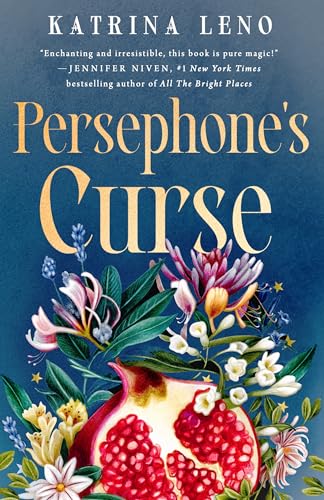
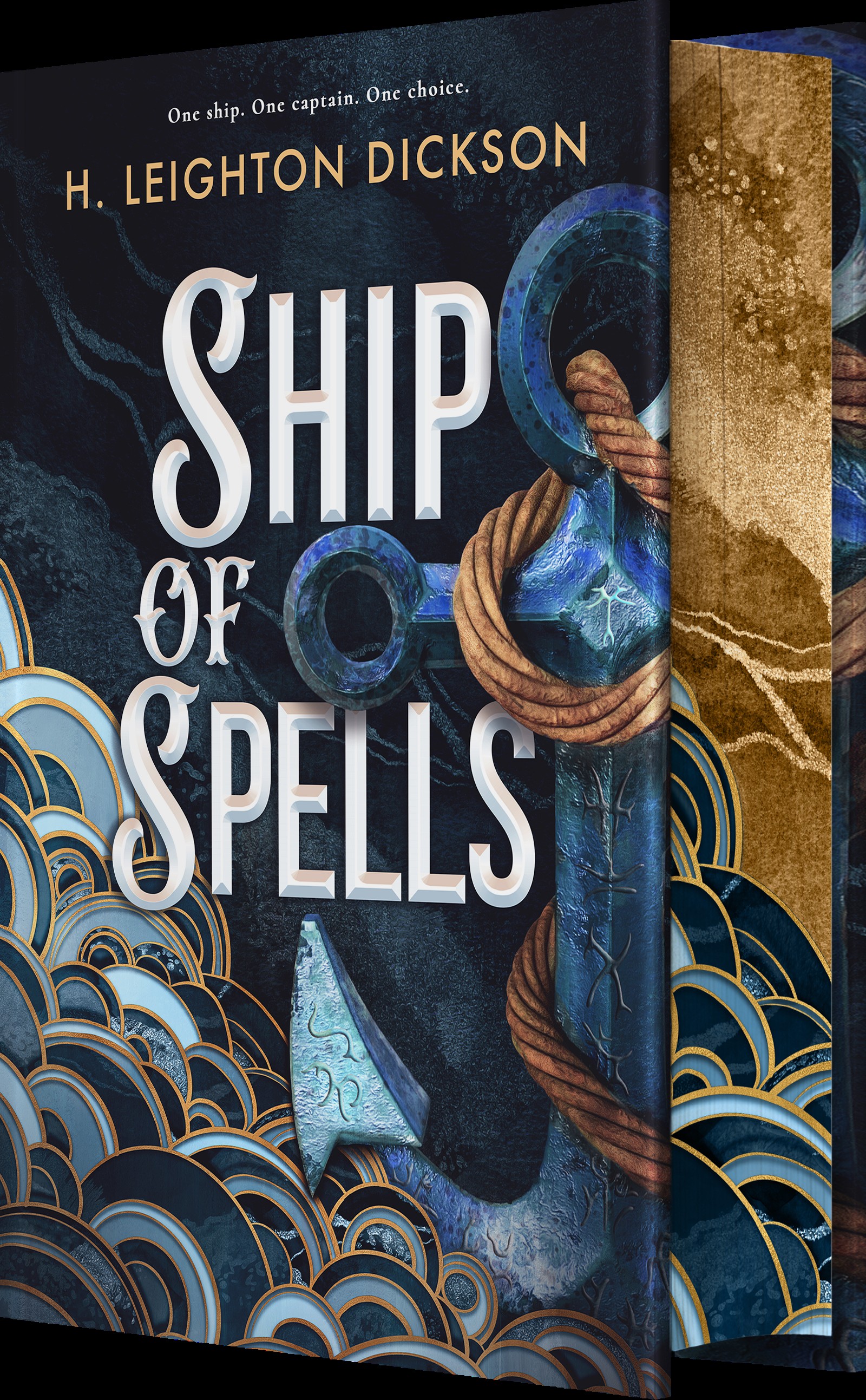
See? It borrows heaps but doesn’t innovate enough—often comes off as a pale imitation. If ya’ve read these, how d’ya reckon it stacks up? Comment below, let’s debate!
Extra Bits for Ya: Fun Facts and Flaws
Just to keep ya engaged, here’s some quirky tidbits I dug up—presented in bullets for quick reads. These highlight the book’s quirks, leanin’ critical ’cause, well, it deserves it.
- Inspiration Overload: Draws from Arthurian legends, but twists ’em into propaganda critiques—cool idea, but executed like a half-arsed barbie, leavin’ ya hungry for more substance.
- Horse Humor Highlight: There’s a sassy steed that steals scenes with comic relief— one of the few laughs in an otherwise gloomy tome. Too bad it’s underused.
- Prose Praise with a Catch: Harrow’s words are bloody beautiful, like poetry in motion, but they smother the plot, makin’ it hard to care.
What fun fact would ya add? Hit the comments!
Final Thoughts Before Ya Bail
Whew, if ya stuck around, ya deserve a cold one. This book’s ambitious, but crikey, it’s more miss than hit—repetitive as a broken record. Give it a go if ya must, but don’t say I didn’t warn ya.
Fancy sharin’ ya own review? Leave a comment below—love hearin’ from fellow book nuts!
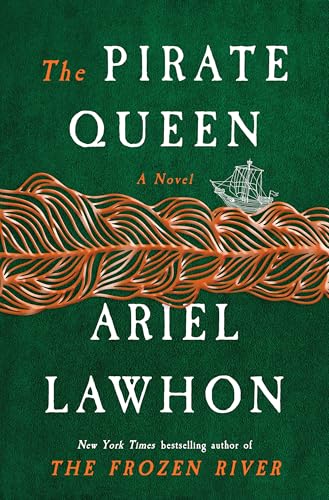
Ariel Lawhon trades frozen rivers for the Irish Sea — a full review of The Pirate Queen: detailed synopsis by timeline, every character dissected, and whether 448 pages of Gráinne Ní Mháille earn a spot ...
This Snow White-inspired romantasy dumps you straight into a world where True Love's Kiss doesn't resurrect—it bloody kills. Viola Sinclair's got shadow magic in a kingdom that executes magic users, and when she's outed, Prince ...