Just in Time Book Review: Synopsis & 5 Dilemmas Explained
A lawyer who can erase her mistakes meets a nurse who can rescue people from theirs—and falling in love may jeopardise the power both depend on. Just in Time by Emily Wibberley and Austin Siegemund-Broka turns New York’s yellow taxis into time machines, giving two habitual fixers a problem they cannot comfortably solve: a relationship with an uncertain future. The hook is irresistible. The awkward question is whether their emotional connection can compete with their extraordinary commute.
Advance review: US publication is scheduled for 8 December 2026. This assessment covers the published opening, confirmed premise and early reader reception.

Detailed Summary
A Breakup That Feels Like a Failed Investment
The published opening introduces Gwen Bailey during a painful argument with her boyfriend, Jonathan Peters. They disagree about commitment, and Gwen struggles to accept that years together may not lead to the future she wants.
Meanwhile, work demands continue arriving. Her personal and professional lives are competing for the same exhausted attention, and neither is prepared to wait.
Gwen responds by travelling five years into the past, intending to intervene before the relationship begins. The scene gives time travel an emotionally recognisable purpose: avoiding the humiliation of having tried hard at something that still failed.
A Life Built Around Second Attempts
Gwen’s ability allows her to revisit earlier moments and correct mistakes. She has used it to support academic achievement and professional excellence, creating an outwardly impressive life through opportunities other people do not possess.
The premise makes perfectionism more troubling than a preference for tidy spreadsheets. Gwen can repeatedly escape the experience of being wrong, late or insufficiently prepared.
That invites an uncomfortable interpretation: perhaps the ability to fix everything makes an ordinary mistake increasingly unbearable. If you always have another attempt, accepting failure can start to feel like choosing it.
Ian’s Gift Comes With Different Responsibilities
Ian Knox uses time travel to help the people he loves. His priorities involve family, protection and preventing harm, rather than maintaining an immaculate record of achievement.
His generosity has a cost. The confirmed synopsis describes someone who overextends himself and risks losing his connection to the present.
This is a strong counterpoint to Gwen because it prevents their difference from becoming a simple contest between selfishness and kindness. Both approaches can make intervention feel compulsory.
Gwen wants to get everything right. Ian wants everyone to be all right. Neither ambition comes with sensible working hours.
An Encounter With an Impossible Clue
Gwen realises another person shares her ability after noticing a man wearing merchandise from a concert that has not yet happened. It is an appealingly specific discovery: an ordinary object becomes evidence that someone else understands her impossible experience.
Ian is a cardiac nurse, and his discovery of time travel is connected to a near-fatal incident involving his father and brother. That background gives his protective behaviour a concrete emotional origin.
Their shared secret offers an immediate basis for connection. They can discuss a part of their lives that would sound unbelievable to almost anyone else.
However, understanding someone’s unusual circumstances is only the beginning of a convincing love story. The romance still needs to establish why these particular people belong together.
Friendship Becomes Attraction
Gwen and Ian’s connection develops from friendship into romantic interest. Their relationship brings together different attitudes towards responsibility, personal fulfilment and the uses of their extraordinary gift.
The strongest possibility here is mutual challenge. Each can recognise habits in the other that are harder to acknowledge in themselves.
That also creates a demanding task for the authors. Their conversations must feel like exchanges between individuals, rather than two opposing arguments wearing attractive coats.
The Ability They Rely On Becomes Unreliable
As their relationship develops, their time-travelling abilities begin to deteriorate. Gwen suspects that their growing connection may be involved, bringing uncertainty into an area of life she previously treated as dependable.
The problem now reaches beyond romance. Losing control of time would mean confronting everyday life without the correction mechanism both characters have come to rely on.
This is the premise’s most effective escalation. Intimacy threatens an established way of coping.
Its success depends on how convincingly the novel connects magical consequences with emotional choices. An unexplained malfunction can create trouble; it cannot automatically create meaningful conflict.
The Choice Beneath the Fantasy
The confirmed premise places Gwen and Ian between an uncertain future together and continued attempts to reshape their pasts.
Thematically, that suggests a difficult question: how much control would someone surrender for a relationship that offers no guarantee against pain?
The answer cannot simply be that love makes every risk worthwhile. Some risks are ordinary disappointments; others involve serious harm. A satisfying treatment needs to recognise the difference.
The complete ending and chapter sequence remain unverified, so the available material supports this broad narrative outline rather than a chapter-by-chapter reconstruction.
Characters?
Gwen Bailey
Gwen Bailey is an ambitious lawyer whose pursuit of excellence has become intertwined with her ability to revisit the past. Advance trade coverage also identifies the isolation accompanying her work-focused life.
She is potentially compelling because her strengths and weaknesses are closely related. Persistence can become rigidity. Preparation can become avoidance. High standards can become an impossible condition for feeling secure.
The important measure of her development is behavioural. Recognising perfectionism is one thing; allowing an imperfect outcome to stand is considerably harder.
Ian Knox
Ian Knox is a nurse whose protective instincts shape his relationship with time travel. His concern for family supplies an understandable reason to keep returning to earlier moments.
His character invites scrutiny because self-sacrifice is easy to romanticise. Constantly helping others can be admirable, exhausting and intrusive at the same time.
A persuasive version of Ian needs room for those contradictions. Kindness becomes more interesting when it does not make someone automatically correct.
Jonathan Peters
Jonathan Peters is Gwen’s boyfriend at the opening. Their disagreement about marriage exposes incompatible expectations.
His role raises a useful distinction: wanting commitment is reasonable, but effort cannot manufacture another person’s willingness.
Dasha
Dasha is Gwen’s best friend and is connected to the evening Gwen first met Jonathan.
The published opening establishes her place in Gwen’s personal history without providing enough material to assess a complete character arc.
Thomas M. Holberg
Thomas M. Holberg, also called Tom, is the senior colleague whose call intensifies Gwen’s opening crisis.
He represents the immediate professional consequences of her divided attention.
Will
Will is the friend Jonathan intends to stay with after the argument.
His confirmed appearance is a reference in the opening, rather than evidence of an extensive subplot. These supporting-character details are established in the published excerpt.
Ian’s Brother
Ian’s brother is an important focus of Ian’s protective behaviour.
His significance lies partly in a question the premise raises: does caring for someone require preventing every difficulty they might encounter?
Ian’s Father
Ian’s father is connected to the crisis surrounding Ian’s discovery of his ability.
That connection gives Ian’s protectiveness emotional context, although the available coverage does not establish the father’s full individual storyline.
Compare With Other Works
| Book | Shared appeal | Key distinction |
|---|---|---|
| The Seven Year Slip — Ashley Poston | Romance, disrupted timing and a carefully managed life encountering the impossible. | Poston connects people living seven years apart through an apartment; Gwen and Ian actively revisit their pasts. |
| This Time Tomorrow — Emma Straub | Time travel as a way to examine regret, family and alternative choices. | Straub gives particular emotional weight to the relationship between a daughter and her father. |
| Seeing Other People — Emily Wibberley and Austin Siegemund-Broka | Supernatural circumstances make emotional attachments impossible to ignore. | Its protagonists confront literal ghosts, while Just in Time explores the temptation to alter earlier events. |
These are comparisons of premise and thematic focus, rather than claims that the books offer identical reading experiences.
The Closest Romantic Comparison: The Seven Year Slip
The Seven Year Slip is the most useful comparison for readers drawn to romance complicated by time and emotional self-protection.
The major difference is choice. Encountering someone from another year creates one kind of problem. Repeatedly choosing to change events creates another, with sharper questions about responsibility and interference.

Picture this: every single night at 3:41 a.m. on the dot, a massive antique grandfather clock and a groundskeeper's wristwatch both freeze cold inside a rotting 1692 Massachusetts estate. Outside a locked bedroom door, a ...

G'day, mates! Picture this: Robert Langdon jets off to Prague for a brainy lecture, only to get sucked into a whirlwind of brutal murders, vanishing manuscripts, and a shadowy golem-like assassin straight out of ancient ...
The Closest Author Comparison: Seeing Other People
Seeing Other People makes attachment to the past visible through haunting. Its supernatural idea is easy to connect with its emotional subject.
Just in Time introduces a more complicated possibility: the past can be revisited and altered. That expands the story’s ethical territory, but it also places greater pressure on the consistency of its magical rules.
Achievements and Numbers
The available figures indicate positive early attention, with no verified numerical sales record or specific bestseller-chart position established here.
| Measure | Verified information | What it means |
|---|---|---|
| Goodreads average | 4.14/5 in the retrieved indexed snapshot | Early responses lean positive. |
| Goodreads ratings | 83 | A modest prerelease sample. |
| Goodreads written reviews | 61 | More detailed reactions are available from some readers. |
| Named publisher-listed endorsements | 3 | Jodi Picoult, Ellen O’Clover and Joss Richard provide promotional support. |
| US publication | 8 December 2026 | The novel is forthcoming as of 7 November 2026. |
| Australian paperback publication | 5 January 2027 | The Australian print schedule differs. |
| Confirmed copies sold | Not established | No reliable sales total is available. |
| Confirmed chart ranking | Not established | No specific list position and reporting period have been verified. |
Ratings can change, and endorsements are distinct from awards or audited commercial achievements.
5 Dilemmas Explained
1. Can Correcting Everything Make Someone Less Resilient?
Avoiding consequences and learning from experience are different processes. A person could become excellent at preventing embarrassment while remaining poorly equipped to tolerate disappointment.
That is the most interesting possibility within Gwen’s premise. Her extraordinary competence may depend on never having to practise acceptance.
2. When Does Protection Become Interference?
Helping someone does not necessarily mean understanding what they want.
Ian’s situation raises the possibility that protection could limit another person’s freedom to make mistakes, take risks or choose differently. Good intentions deserve consideration, but they do not end the discussion.
3. What Makes Love Authentic When Circumstances Can Be Edited?
A relationship develops through decisions, accidents and imperfect exchanges. Repeatedly adjusting those conditions introduces an imbalance.
If one person can privately revise the encounter, the other may be participating in a relationship without understanding how it was shaped. That is rich territory for a romance willing to examine the implications.
4. How Much Explanation Does Time Travel Need?
The novel does not need a physics lecture. It does need consequences readers can follow.
An unexplained magical origin can be perfectly acceptable. Rules that seem to change solely to create another obstacle are harder to forgive.
Readers can happily accept an impossible taxi and still object to a suspicious detour.
5. Is Letting Go Always the Right Choice?
Acceptance becomes unhelpful when it treats every problem as something people should simply endure.
The meaningful distinction is between relinquishing impossible control and abandoning reasonable responsibility. A romance about healing gains depth when it can tell those situations apart.
What Works—and What May Frustrate Readers
The Strongest Feature: A Premise With Emotional Purpose
The time travel reflects the protagonists’ priorities. It gives their habits practical power and makes their differences consequential.
That is a stronger starting point than adding fantasy merely to make an otherwise familiar courtship look unusual. The central idea creates questions worth discussing beyond whether the couple will kiss.
The Main Reservation: Understanding Is Not Automatically Chemistry
Advance reception is divided over the romance. Some readers find the connection moving; others describe the pair as more persuasive friends than lovers. Publishers Weekly offers a more enthusiastic assessment of their compatibility.
That disagreement matters because emotional understanding and romantic tension are separate strengths. A couple may be believable confidants without producing much anticipation.
The novel’s challenge is giving their attraction a distinctive life beyond their shared ability.
Another Reservation: The Magical Rules May Test Patience
Some advance readers question the explanation of time travel and the changing conditions surrounding it. Others find the speculative elements easy to accept and enjoy.
The relevant standard is internal consistency. Readers should be able to understand why a choice is difficult, even when the mechanism making it difficult is impossible.
Mystery can deepen a fantasy. Convenience usually weakens it.
The Most Divisive Element: The Third-Act Conflict
The late breakup attracts criticism in several advance responses, including otherwise positive reviews. Objections concern its necessity and its relationship to the characters’ earlier development.
A separation earns its place when it exposes a genuine unresolved problem. When it merely extends the journey, frustration is understandable.
Even a magical taxi should know when to stop circling the block.
Who Should Read Just in Time?
| Reading preference | Likely fit |
|---|---|
| Contemporary romance with a supernatural premise | Strong conceptual appeal. |
| Stories about perfectionism and over-responsibility | Central to the setup. |
| Personal development alongside romance | A promising match. |
| Detailed, tightly explained time-travel mechanics | Expectations should remain measured. |
| Romance driven primarily by intense chemistry | Early responses are mixed. |
| Little patience for third-act breakups | The reported conflict may prove irritating. |
Final Verdict
Just in Time offers an appealing premise with genuine emotional questions, while advance responses leave its romantic execution open to debate. Its strongest idea is that the ability to repair life might eventually prevent someone from living it.
The concerns carry weight: chemistry, consistent magical consequences and a convincing late conflict are fundamental to this kind of story. A clever concept earns attention; those elements determine whether the attention lasts.
For now, it is a promising choice for readers who enjoy speculative romance and complicated discussions about regret. The ingredients are there. Whether the relationship delivers the same spark as the premise remains the question.
Would you erase a failed relationship if that also erased everything it taught you? Leave your answer below—and say whether you would trust yourself with that taxi.
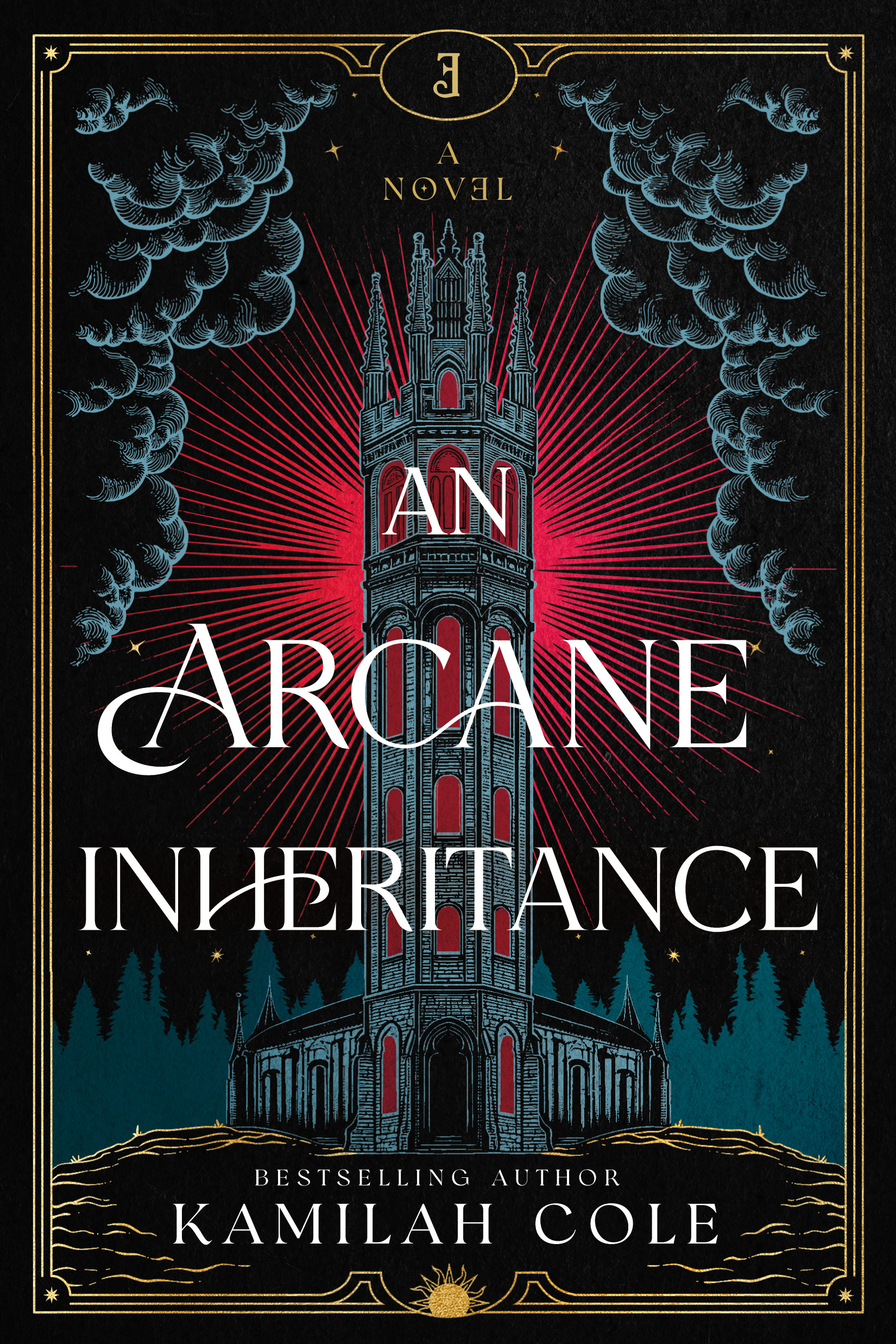
Jamaican-American scholarship student Ellory Morgan rocks up to Warren University with déjà vu so intense she's convinced she's lived this nightmare before. Buildings shift, tattoos appear and vanish on her skin, and a soccer ball ...

Picture this: a country starlet traumatised at a concert, fleeing to Kentucky, and bumping into a bloke she'd already shagged in his truck months prior. Sounds spicy, yeah? But mate, what could've been a ripper ...