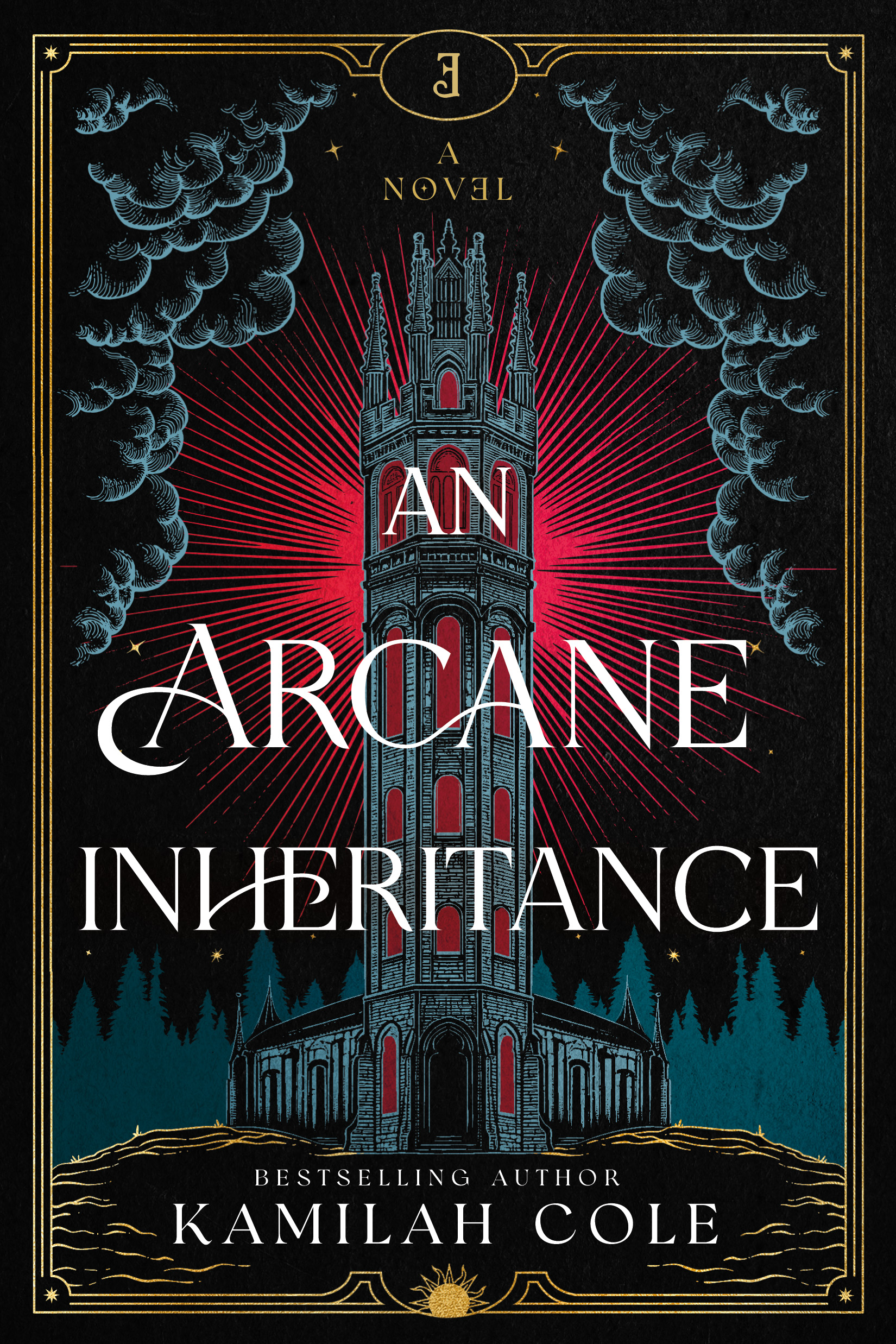
Book Review: An Arcane Inheritance – 8 Deaths, 1 Slow Plot?
Jamaican-American scholarship student Ellory Morgan rocks up to Warren University with déjà vu so intense she’s convinced she’s lived this nightmare before. Buildings shift, tattoos appear and vanish on her skin, and a soccer ball freezes mid-air before smashing her face. Eight students have mysteriously died at Warren over the years, and if Ellory can’t convince her snobbish academic nemesis Hudson Graves to help her unravel the university’s dark magic, she’ll be number nine.
But here’s the kicker: you’ll need the patience of a saint to get through the first half of this 432-page slog before anything remotely exciting happens.
Stick around to discover:
- Why 200+ pages of repetitive insecurity nearly killed this dark academia novel
- How Warren University sacrifices BIPOC students for forbidden magic (and why the execution falls flat)
- Whether the rivals-to-lovers romance between Ellory and Hudson is worth the glacial pacing
- Why critics called it derivative and lacking the punch of Babel or A Deadly Education
Detailed Summary
Chapter 1-3: The Arrival
Twenty-one-year-old Ellory Morgan finally arrives at Warren University after deferring for three years to care for her ailing aunt in Jamaica. She’s older than her peers, poorer than most, and immediately feels like an outsider at America’s youngest Ivy League institution. The Goodwin scholarship she mysteriously received offers full tuition, but something about the Gothic buildings and shadowy corridors feels disturbingly familiar.
On her first day, she clashes with Hudson Graves at the library bearing his family’s name—a legacy student who “loomed over the freshmen like an angry god.” He’s insufferably handsome, entitled, and everything Ellory despises about inherited privilege. Their academic rivalry supposedly started before, but the book never shows it, only tells you about it repeatedly.
Ellory reunites with her friends Tai and Cody, the only people who make Warren bearable. Her roommate Stasie is selfish and unbearable, representing the worst of Warren’s wealthy elite.
Chapter 4-8: The Weirdness Begins
Strange occurrences plague Ellory’s daily life at Warren. She experiences intense déjà vu walking through campus, remembering places she’s never been and conversations she’s never had. A soccer ball hurtles toward her during practice but stops just before impact, defying physics.
Most disturbingly, a tattoo appears on her shoulder and disappears just as easily, like reality itself is glitching. Ellory tries to focus on her studies and her ambition to join the school newspaper, but her aunt’s warnings about staying away from trouble echo in her mind.
Hudson continues to antagonize her in their one shared class. The author repeatedly tells us they’re academic rivals with this intense dynamic, but we never see them actually competing or sparring intellectually in any meaningful way. It’s frustrating because their supposed rivalry forms the foundation of their relationship, yet it exists entirely off-page.
Chapter 9-12: The Dinner Party Revelation
Ellory starts dating Liam, Hudson’s ex-roommate, which complicates her already tense relationship with Hudson. When Hudson unexpectedly invites her to an exclusive dinner party as his plus-one, she accepts to network with academic power players and prove she belongs.
At the party, everything changes. Ellory sees a strange reflection in a mirror that doesn’t match her movements. She discovers handwriting in a book that looks exactly like hers, but she has no memory of writing it. The bizarre events aren’t in her imagination—they’re real, and they’re escalating.
Ellory realizes she needs help, and the only person who might have answers is the last person she wants to ask: Hudson Graves. She approaches him reluctantly, and he agrees to help her investigate Warren’s secrets, though his motivations remain frustratingly unclear.
Chapter 13-18: The Eight Deaths
As Ellory and Hudson dig deeper, they uncover Warren University’s sinister history. Eight students have died on campus over the years under mysterious circumstances, and the university has covered up each death. The victims were predominantly BIPOC students on scholarships—just like Ellory.
Warren offers classes in occult studies, alchemy, and dark arts, which Ellory initially thought were theoretical. She learns that magic at Warren is very real, and it’s been used for centuries to maintain the power of a secret society. This society harvests the magical potential of talented BIPOC students, using their lives as fuel to keep the university’s elite burning bright.
The Goodwin scholarship isn’t a generous gift—it’s a mark of death. Previous recipients have all vanished or died under suspicious circumstances. Ellory is the latest sacrifice, chosen for her untapped magical abilities.
Chapter 19-25: Memory Loops and Time Manipulation
The biggest revelation hits: Ellory has been at Warren before. Her déjà vu stems from actual memories of previous timelines where she attended the university, uncovered the conspiracy, and died. Someone or something has been resetting time, trapping her in a loop where she’s destined to discover the truth and perish before she can expose it.
Her relationship with Hudson deepens as they spend time researching together. The forced proximity ignites undeniable chemistry between them. Hudson’s cold exterior cracks, revealing someone who’s also trapped by Warren’s legacy and his family’s complicity in the conspiracy.
Ellory struggles with overwhelming insecurity about her place at Warren, constantly comparing herself to wealthier students. The narrative hammers this point home repeatedly—she feels inadequate, she doesn’t belong, she’s too poor, too old, too different. While understandable, the relentless repetition of her self-doubt grows tedious by the twentieth time.
Chapter 26-30: The Secret Society Exposed
Hudson and Ellory identify the secret society behind Warren’s dark magic. The group consists of legacy families who’ve maintained their power for generations by sacrificing scholarship students. These families include Hudson’s own bloodline, making his decision to help Ellory an act of betrayal against his heritage.
The magic system at Warren functions through rituals that drain life force and magical essence from BIPOC students. The university’s prestigious reputation, its advanced facilities, and the success of its graduates all stem from this stolen power. Warren literally stands on the bones of murdered students.
Ellory’s tattoo, the frozen soccer ball, and the shifting buildings are all symptoms of the magical infrastructure breaking down. Her presence—and her resistance to the memory wipes—threatens the entire system. The society realizes she’s not complying with the script and moves to eliminate her permanently.
Chapter 31-35: Rising Action and Confrontation
The pace finally accelerates in the book’s second half. Ellory and Hudson race to gather evidence and find a way to break the cycle before the society performs another ritual. Tai and Cody become involved, though their roles remain frustratingly underdeveloped.
Liam’s relationship with Ellory creates friction with Hudson, adding romantic tension. The love triangle feels forced and unnecessary, distracting from the more compelling magical mystery. Hudson’s jealousy manifests in brooding glances and cryptic comments rather than genuine emotional development.
Ellory must decide whether to flee Warren and save herself or stay and fight to free future students from the same fate. Her determination to prove herself worthy of her place at the university conflicts with the reality that the institution itself is built on exploitation and murder.
Chapter 36-40: The Climactic Twist
The book’s final act delivers the twists reviewers promised. Ellory discovers her own connection to Warren’s founding is deeper than she imagined. The Goodwin scholarship specifically targets descendants of the original victims, perpetuating a cycle of sacrifice that spans centuries.
Hudson’s true motivations come to light—his family tasked him with monitoring Ellory and ensuring she followed the predetermined path to her death. His growing feelings for her complicate his mission, forcing him to choose between family loyalty and doing what’s right.
The confrontation with the secret society happens on campus during a ritual meant to claim Ellory’s life force. Using knowledge from her fragmented memories of previous loops, she and Hudson disrupt the ceremony. The ending aims for emotional impact and sets up potential sequel hooks, but feels rushed after the glacial pacing of earlier chapters.
Final Chapters: Resolution
Ellory survives, but Warren University’s dark legacy isn’t fully dismantled. The book ends with ambiguity about whether the secret society has truly been defeated or merely delayed. Hudson and Ellory’s relationship reaches a tentative resolution, though calling it satisfying would be generous.
The conclusion raises questions about institutional corruption, inherited privilege, and whether one person can dismantle centuries of systematic oppression. Unfortunately, these weighty themes receive surface-level treatment rather than the nuanced exploration they deserve.
Characters
Ellory Morgan
The 21-year-old protagonist from Mandeville, Jamaica, and Astoria, Queens. Ellory is determined, intelligent, and academically gifted, but her defining trait is crippling insecurity that the narrative won’t stop reminding you about. Every other page features her internal monologue about not belonging, being too poor, too old, too different. While her struggles with imposter syndrome at an elite institution are realistic, the repetitive execution makes her exhausting rather than sympathetic. She’s meant to be a hardworking scholarship student fighting against the odds, but spends more time wallowing in self-doubt than actually demonstrating the brilliance that supposedly earned her place at Warren.
Hudson Graves
The brooding legacy student with a personality described by reviewers as “brick-like.” Hudson comes from one of Warren’s founding families, giving him wealth, status, and all the insufferable entitlement that accompanies inherited privilege. The book insists he’s mysterious and compelling, but never shows what makes him interesting beyond being tall, handsome, and good at glowering. His academic rivalry with Ellory exists entirely in backstory—they supposedly competed intensely before, but readers never witness it. His transformation from antagonist to love interest feels unearned because we don’t see enough of him beyond the brooding bad boy archetype.
Tai and Cody
Ellory’s loyal friends who provide emotional support and comic relief. Unfortunately, they’re severely underdeveloped considering how much Ellory claims they matter to her. They appear when the plot needs her to have confidants, then vanish for chapters at a time. Their personalities, backgrounds, and motivations remain frustratingly vague throughout the novel.
Stasie
Ellory’s selfish roommate who embodies everything wrong with Warren’s wealthy student body. She’s cartoonishly awful—thoughtless, privileged, and oblivious to anyone’s struggles but her own. Rather than developing into a three-dimensional character, she remains a one-note representation of class privilege.
Liam
Hudson’s ex-roommate who dates Ellory, creating artificial tension in the budding relationship between Ellory and Hudson. Liam serves primarily as a plot device to manufacture jealousy rather than existing as a fully realized character. His relationship with Ellory lacks chemistry and feels like filler designed to delay the inevitable pairing of the main rivals.
| Character | Role | Development | Effectiveness |
|---|---|---|---|
| Ellory Morgan | Protagonist | Repetitive, one-note insecurity | 2/5 |
| Hudson Graves | Love Interest | Underdeveloped, told not shown | 2/5 |
| Tai | Best Friend | Barely present | 1/5 |
| Cody | Best Friend | Barely present | 1/5 |
| Stasie | Antagonist Roommate | Cartoonish stereotype | 1/5 |
| Liam | Love Triangle | Unnecessary plot device | 1/5 |
Compare With Other Works
Reviewers constantly compare An Arcane Inheritance to Babel by R.F. Kuang and A Deadly Education by Naomi Novik, but this book doesn’t earn the comparison. Babel masterfully weaves colonialism, linguistics, and institutional exploitation into a devastating commentary on how elite institutions extract value from marginalized people. An Arcane Inheritance attempts similar themes but lacks the nuance, delivering social critiques that feel shallow and awkward.
A Deadly Education presents a school literally trying to kill its students with sharp wit, creative worldbuilding, and a protagonist whose prickliness masks genuine vulnerability. Ellory’s constant insecurity feels flatter by comparison, and Warren University’s dangers lack the inventive menace of the Scholomance.
The Ninth House by Leigh Bardugo offers another superior dark academia comparison—Galaxy “Alex” Stern navigates Yale’s secret societies with grit, trauma, and complexity that Ellory never achieves. Catherine House by Elisabeth Thomas creates genuinely unsettling atmospheric dread where An Arcane Inheritance only manages mild spookiness.
If you enjoyed the diversity and queer representation in Ace of Spades by Faridah Àbíké-Ìyímídé, you might appreciate An Arcane Inheritance’s BIPOC focus, but that book handles systemic racism in elite schools with far more sophistication and narrative tension.
Achievement
An Arcane Inheritance launched December 30, 2025, with modest commercial reception. The Goodreads rating sits at 4.14 stars based on early reviews, dropping to 3.9 stars on StoryGraph with 64 reviews. For comparison, Kamilah Cole’s previous work So Let Them Burn became an instant national indie bestseller and Goodreads Choice Awards nominee, suggesting An Arcane Inheritance hasn’t matched that success.
Kirkus Reviews delivered a lukewarm assessment, noting the book “will appeal to readers who crave its melding of fantasy and dark academia, but its spell could use a bit more seasoning.” Publishers Weekly’s review was similarly unimpressed, calling a major twist “late and somewhat clichéd.”
The book runs 432 pages published by Poisoned Pen Press, with both standard and deluxe editions available. Booklist called it “unusual” and “rich” but stopped short of enthusiastic praise. No New York Times bestseller status, no major award nominations announced, and social media buzz remains moderate compared to other 2025 dark academia releases.
Cole’s Divine Traitors duology earned Lambda Literary Award and Lodestar Award finalist nominations, plus Reactor’s Most Iconic SFF Books of the 21st Century reader’s choice recognition. An Arcane Inheritance hasn’t generated comparable industry recognition.
Pacing Problems
The most consistent criticism across reviews addresses the glacial pacing. Readers report the story doesn’t pick up until 33% through—or even 62%, depending on individual tolerance for slow burns. That means slogging through 140-270 pages before anything exciting happens in a 432-page novel.
The first half drowns in repetitive setup: Ellory feels insecure, Warren feels familiar, something’s weird, Hudson glowers, repeat. The second half finally delivers the promised twists and action, but by then, many readers will have checked out. This structural imbalance fundamentally undermines the reading experience.
Magic System Muddle
The magic at Warren never receives coherent explanation. Ellory experiences magical phenomena—disappearing tattoos, frozen objects, shifting buildings—but the rules governing these occurrences remain frustratingly vague. The occult studies, alchemy, and dark arts classes sound atmospheric, but we don’t see how magic actually functions or what limits it.
The secret society’s ritual sacrifice system gets mentioned repeatedly without clear mechanics. How exactly does draining BIPOC students’ life force work? What determines who gets targeted? The time loop element introducing Ellory’s repeated deaths across timelines adds another layer of confusion without satisfying answers.
Social Commentary Issues
An Arcane Inheritance tackles important themes: institutional exploitation of marginalized students, the violence of elite academia, and how privilege perpetuates itself through sacrifice of the vulnerable. Unfortunately, the execution lacks subtlety.
Kirkus Reviews identified the problem: “the book’s frequent social critiques often lack nuance.” One example stands out—Ellory observes that “The wealthy bought their way in. The poor begged their way in. Both groups were praised for their admission as if their journeys had been equal.” This oversimplified take on admissions feels awkward given how scholarship students routinely face accusations of not earning their places.
The book wants to critique power structures but sometimes undermines its own message with clumsy framing. Babel and A Deadly Education handle similar themes with far more sophistication.
Romance Lacks Chemistry
The enemies-to-lovers romance between Ellory and Hudson should be this book’s strength, but their chemistry never convinces. Their rivalry happens off-page, their gradual warming toward each other feels obligatory rather than organic, and Hudson remains too underdeveloped to root for.
The forced proximity during investigation should create tension, but mostly generates repetitive scenes of them researching together while Ellory angsts about her feelings. The Liam subplot adds nothing except delays to the inevitable coupling. Reviews promising swoon-worthy romance oversold what the book actually delivers.
What Actually Works
Despite extensive criticism, An Arcane Inheritance isn’t completely without merit. Kamilah Cole’s prose can be vivid and atmospheric when she focuses on Warren’s Gothic architecture and sinister ambiance. The core mystery of the eight student deaths and the secret society provides compelling hooks that keep you reading despite pacing issues.
The BIPOC representation and Ellory’s Jamaican heritage add cultural specificity often missing from dark academia. The concept of scholarship programs as hunting grounds for institutional sacrifice offers genuinely disturbing social commentary—the execution just needed stronger development.
The second half’s improved pacing shows Cole can write engaging action when she stops retreading the same emotional beats. Readers who power through the slow start report the ending delivers satisfying twists and emotional payoffs.
Final Verdict
An Arcane Inheritance suffers from repetitive writing, underdeveloped characters, and pacing problems that sink its potentially compelling premise. The first 200+ pages test reader patience with Ellory’s relentless insecurity and lack of forward momentum. The magic system needs clearer rules, the social commentary needs more nuance, and the romance needs actual chemistry.
If you worship at the altar of Babel and A Deadly Education, you’ll likely find this a disappointing imitation rather than a worthy addition to dark academia’s pantheon. The 3.9-4.14 rating range suggests mediocrity, and critical reviews confirm it.
That said, if you’ve exhausted other dark academia options and specifically want BIPOC representation in the genre, An Arcane Inheritance might scratch that itch—just prepare for frustration along the way. The second half partially redeems the sluggish opening, but can’t fully overcome structural weaknesses.
Would I recommend it? Only to completists desperate for new dark academia or devoted fans of Kamilah Cole’s previous work. Everyone else should reread Babel instead.
Drop a comment below if you’ve braved this 432-page mystery—did the slow burn destroy your patience or did the ending redeem it? Tell me I’m not alone in my frustration!
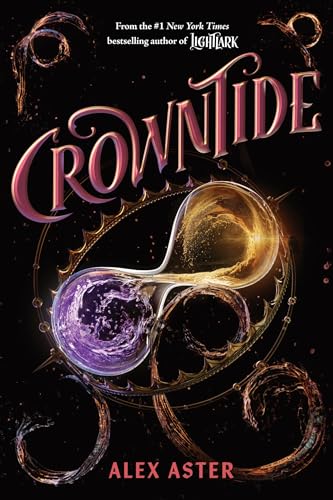
Isla Crown's back, and she's dragged herself—plus her two man-children kings—into another realm to fight her psycho ancestor. Spoiler: it's exactly as messy as it sounds. Crowntide, the fourth instalment in Alex Aster's Lightlark saga, ...

Picture this: a world where blokes are scarce, and a fierce sheila kidnaps a prince for hubby duties—bloody brilliant or a total stitch-up? Stick around as I unpack this spicy romantasy that'll have you chuckling ...