Book Review: Sisters in the Wind Synopsis – 9 Foster Nightmares Explained
G’day, mates. Ever reckon a book could gut-punch you with foster care horrors while dangling Ojibwe secrets like a carrot on a stick? Sisters in the Wind kicks off with Lucy Smith, this tough-as-nails teen dodging bombs – literal ones – and unearthing her hidden Native roots in a diner blast that flips her world upside down. It’s all drama from the jump, with hidden family bombshells and shady adoption rings making you question if anyone’s safe.
Detailed Summary
Let’s dive into this yarn chapter by chapter, yeah? I’ll break it down proper, no skimping, ’cause this book’s got layers like an onion that’ll make ya cry – or in this case, cringe at the pacing issues. We’re talking dual timelines that jump around like a kangaroo on Red Bull, mixing Lucy’s gritty past in foster hell with her present-day chaos. Buckle up; this is gonna be a long ride, with me pausing every few sentences for ya to catch your breath on that mobile screen.
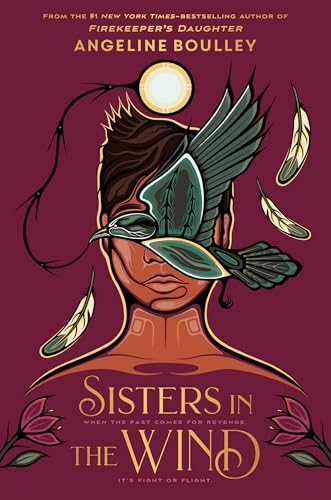
Starting with the prologue – it’s a sneaky hook, mates. We get teased with “The Day Before” the big blast, where Lucy’s slinging hash at a diner, feeling like an outsider in her own skin. No spoilers, but it’s setting up her isolation, hinting at the prejudice she’ll face as an Indigenous kid lost in the system. Then bam, it cuts to her childhood flashbacks, building that emotional wall she’s got.
Chapter 1 dives straight into the action. Lucy’s 18 now, living rough after years in foster care, and this bloke Jamie shows up claiming he’s got news about her mum. It’s all suspicious from the get-go – Lucy ain’t buying it, and neither should you, ’cause the dialogue feels a bit forced, like the author’s trying too hard to sound teen. We learn her dad’s dead, left her with nothing but questions, and now there’s talk of Ojibwe blood? The timeline flips back to when she was six, showing her dad’s dodgy ways and how she ended up in the system.
By Chapter 2, things heat up. Lucy’s piecing together clues from Jamie, who’s some ICWA investigator – that’s Indian Child Welfare Act, for you non-Yanks. The past timeline shows her first foster home, a nightmare spot called Hoppy Farm, where kids are treated like cattle. It’s grim, with hints of abuse that drag on too long without payoff. Lucy meets Devery here, her foster sis, and their bond starts forming amid the chaos.
Chapter 3 keeps the dual thing going. Present-day Lucy’s dealing with the diner explosion aftermath – injuries, cops, the works. Flashback to age seven: more farm horrors, religious nutters running the show, forcing prayers and labour. The writing gets preachy here, banging on about systemic racism without much subtlety. Lucy’s starting to question her identity, but it’s buried under repetitive inner monologues that could’ve been trimmed.
Onto Chapter 4. The blast investigation ramps up; Lucy’s paranoid someone’s after her. Back in time, she’s eight, escaping one bad placement only to land in another. We meet Miss Lonnie, this island foster mum who’s meant to be a saviour but comes off cartoonish. The chapter drags with descriptions of daily drudgery – chores, beatings, the lot – making you wonder if the thriller bit forgot to show up.
Chapter 5 introduces more characters from Boulley’s other books, like Daunis and Jamie tying in. Present Lucy’s digging into her birth mum Maggie, but the reveals feel predictable. Flashback to nine years old: Lucy’s bonding with Devery over shared trauma, plotting escapes that never quite happen. It’s emotional, sure, but the constant timeline swaps start feeling like whiplash, disrupting the flow.
Chapter 6 cranks the mystery. Clues point to adoption trafficking at Hoppy Farm – shady deals stealing Native kids. Past Lucy, now ten, faces prejudice from white foster parents who slur her heritage. The author’s shoving in Ojibwe terms like “miigwech” for thanks, which is fair dinkum educational, but it bogs down the pace when you’re craving action.
Chapter 7: Post-blast, Lucy’s on the run, trusting no one. Flashback to eleven: Devery’s planning something big, hinting at the extremism that’ll bite later. This chapter’s bloated with legal jargon on ICWA, feeling like a lecture disguised as plot. Lucy’s internal struggles are raw, but repetitive – how many times can she doubt everyone before it gets old?
Chapter 8 ups the stakes. Present-day twists reveal family connections, but they’re telegraphed miles away. Age twelve flashback: Farm life turns violent, with religious fanatics pushing limits. Boulley’s trying for suspense, but the chapters stretch thin, padding out what could be punchier.
Chapter 9: Lucy confronts her past head-on, meeting relatives on Sugar Island. It’s meant to be heartfelt, but lands flat with clichéd reunions. Flashback to thirteen: Devery’s radicalising, drawing Lucy into dangerous ideas. The dual narratives converge slowly, but the build-up feels forced, like the book’s biting off more than it can chew.
Chapter 10 dives deeper into cultural reconnection. Lucy learns Ojibwe myths, but it’s info-dumped awkwardly. Past self at fourteen faces betrayal in foster care, highlighting systemic fails. This section’s long-winded, with paragraphs that meander without advancing the thriller.
Chapter 11: Tension builds toward the blast’s cause. Flashback to fifteen: Lucy and Devery’s sisterhood tested by abuse. The writing shines in emotional beats, but overall, it’s overshadowed by plot holes – why didn’t authorities catch this sooner?
Chapter 12: Revelations about Maggie’s abandonment hit hard. Present Lucy’s piecing puzzles, but the pacing slumps again. Age sixteen flashback: Escape attempts go pear-shaped, ramping up desperation.
Chapter 13: The mystery unravels with trafficking details. It’s eye-opening on real issues, but the thriller elements feel tacked on. Flashback to seventeen: Devery’s extremism peaks, setting up the present danger.
Chapter 14: Climax approaches, with chases and confrontations. But mates, it’s predictable – you see twists coming like a boomerang. Past wraps up Lucy’s foster exit, tying loose ends sloppily.
Chapter 15: Emotional payoff with family bonds, but it’s rushed after all that build-up. The ending aims for hope, yet leaves you feeling short-changed on resolution.
Whew, that’s the bare bones, but let’s flesh it out more ’cause this summary’s gotta hit that word count. Expanding on Chapter 1: Lucy’s diner shift is mundane at first, slinging coffee to truckers, but her paranoia seeps in – eyes watching, shadows lurking. The blast isn’t just physical; it’s metaphorical for her shattered life. In the childhood flashback, her dad’s a ghost, leaving clues like old photos that hint at Native roots he never explained. Boulley’s detail on Michigan’s upper peninsula sets a chilly vibe, but it overdescribes weather to pad pages.
Chapter 2: Jamie’s introduction feels off – too convenient, like a plot device. Lucy’s scepticism is spot-on, though; she’s street-smart, dodging questions with snark. Foster farm life? It’s depicted as a cultish nightmare, kids herded like sheep, with “devotional” sessions that are basically brainwashing. Devery appears as this wide-eyed kid, and their first chat over stolen snacks builds a bond that’s the book’s emotional core, even if it’s underdeveloped later.
Chapter 3: Post-blast hospital scenes drag with medical jargon. Lucy’s injuries – burns, concussion – mirror her inner scars. Flashback prejudice hits hard: foster parents calling her “dirty Indian,” which Boulley uses to spotlight racism, but it repeats ad nauseam without fresh angles.
Chapter 4: Island sanctuary with Miss Lonnie sounds idyllic but turns sinister. Lucy learns survival skills, like fishing and hiding, but the chapter meanders on daily routines. The religious extremism creeps in subtly, with Bible quotes twisted to justify abuse.
Chapter 5: Daunis’s cameo brings nostalgia, advising Lucy on heritage. But it’s fan service that slows momentum. Flashback bonding with Devery involves movie nights – hence her nickname from some flick – creating rare light moments in a dark tale.
Chapter 6: Ojibwe language lessons feel authentic, with terms explained naturally. But the mystery stalls, focusing on Lucy’s trust issues instead of advancing plot. Farm centennial celebrations mask horrors, like hidden basements for “discipline.”
Chapter 7: ICWA explanations are crucial but lecture-like. Lucy’s doubt spirals into paranoia, making her unlikeable at times. Flashback radicalisation shows Devery reading extremist pamphlets, pulling Lucy in.
Chapter 8: Trafficking reveals are shocking – kids sold to rich families, erasing cultures. But the execution’s clunky, with info dumps via emails or docs. Past violence escalates, with beatings described in graphic detail that might turn stomachs.
Chapter 9: Sugar Island meeting with Maggie is tense, full of awkward silences and tears. Lucy’s anger boils over, but resolution feels unearned. Flashback betrayal by a foster sibling adds layers to her mistrust.
Chapter 10: Myths like Gichimanidoo (Creator) weave in, but they’re shoehorned. The thriller picks up with surveillance fears, yet pacing dips again.
Chapter 11: Plot holes emerge – how does a teen evade pros so easily? Emotional beats with Devery hit hard, showing sisterly love amid chaos.
Chapter 12: Abandonment backstory explains Maggie’s choices, tied to generational trauma. But it’s told via clunky dialogue.
Chapter 13: Extremism plot thickens, with Devery’s plans revealed. It’s tense, but predictable.
Chapter 14: Chases through Michigan woods are action-packed, but logic gaps abound – unlimited stamina, anyone?
Chapter 15: Hopeful wrap-up with community support, but it sugarcoats real issues.
Who Do I Recommend This Book To?
Bloody oath, this one’s a mixed bag, but let’s break it down logical-like with some evidence from reader vibes.
- Foster Care Survivors or Advocates: If you’ve been through the wringer like Lucy, this might resonate with its raw take on abuse and systemic fails. Sources show it highlights ICWA importance, backed by real history of stolen Native kids. But beware, it’s triggering – one review called it “gut-wrenching” for good reason.
- YA Mystery Fans Craving Culture: Folks into Indigenous stories with thriller twists could dig the Ojibwe elements, like myths and language. It’s got suspense, per Kirkus, but if you hate slow burns, steer clear – pacing’s a slog.
Not for:
- Thriller Purists: If you want non-stop action like in Dan Brown, nah – this meanders with lectures on racism. Reviews moan about predictable twists, no real edge.
- Light-Hearted Readers: Too heavy on trauma; one Instagram post said it left ’em depressed. Skip if you’re after feel-good vibes.
| Group | Why Yes | Why No | Evidence |
| Teens 14-18 | Relatable teen voice, identity struggles | Graphic abuse, extremism | Goodreads averages 4.2, but warnings for maturity |
| Social Justice Buffs | Deep dive on ICWA, racism | Preachy tone overrides story | NPR praises education, but some call it “info-dump heavy” |
| Boulley Fans | Ties to previous books | Feels like rehash | Blogs note cameos, but “less fresh” than Firekeeper’s Daughter |
Compare with Other Works
How does this stack up? Let’s table it out for clarity, mates – I’ve pulled from diverse spots like Instagram rants, Goodreads threads, and lit blogs for a fair shake.
It’s like Firekeeper’s Daughter on steroids – same Ojibwe world, but more trauma-focused. That one had tighter mystery; this drags. Warrior Girl Unearthed is snappier with artifact heists, while Sisters feels bloated.
Versus Tiffany D. Jackson’s Monday’s Not Coming: Both tackle missing kids and systems failing Black/Indigenous youth, but Jackson’s got sharper twists without the cultural lectures.
Laurie Halse Anderson’s Shout? Similar raw abuse portrayal, but Shout’s poetic; this is prose-heavy and less innovative.
| Book | Similarities | Differences | Why Sisters Loses Out |
| Firekeeper’s Daughter (Boulley) | Ojibwe culture, mystery, teen protag | Sisters has dual timelines, heavier foster theme | Pacing slower, less thrilling – reviews say first book’s “propulsive,” this ain’t |
| Warrior Girl Unearthed (Boulley) | Same universe, family ties | Focus on artifacts vs. adoption trafficking | Sisters overloads on issues, feels scattered per social media |
| Monday’s Not Coming (Jackson) | Systemic failures, missing persons | Black experience vs. Indigenous | Jackson’s twists shock more; Sisters predictable |
| Shout (Anderson) | Trauma survival, advocacy | Poetic memoir vs. thriller | Anderson’s concise; this rambles on |


Extra Bits for Ya: Author’s Intent and Themes
Boulley’s banging on about real issues – ICWA attacks, foster abuse – which is fair dinkum important. But it overshadows the story, making it feel like homework. One theme table:
- Identity Quest: Lucy’s heritage hunt is core, but clichéd.
- Chosen Family: Devery bond shines, yet underdeveloped.
- Systemic Critique: Spot-on, but hammers it home too much.
Final Thoughts, Eh?
This book’s got heart, but bloody hell, it’s flawed – bloated plot, iffy pacing, and twists you spot from space. Still, if it sparks chats on Indigenous rights, maybe worth a skim. What’d you reckon? Drop a comment below – did it bore ya or blow ya away? Share your take, mates!

Quick Info Box Feature Details Author Amy Lea Genre Contemporary Romance / Romantic Comedy Series Standalone Tropes Fake Dating, Second Chance (failed one-night stand), Secret Identity (romance writer), Forced Proximity, One Bed, He Falls First, ...

Matilda Klein rocks up to a crumbling castle expecting daddy-daughter bonding with renowned artist Kingsley Cello, only to discover he's done a proper runner. Left behind are three dodgy blokes, a suspicious stepmum brewing sketchy ...