We Fell Apart by E. Lockhart Synopsis, Explained & Character Plots
Matilda Klein rocks up to a crumbling castle expecting daddy-daughter bonding with renowned artist Kingsley Cello, only to discover he’s done a proper runner. Left behind are three dodgy blokes, a suspicious stepmum brewing sketchy herbal tinctures, and enough red flags to decorate the entire Massachusetts coastline.
Set just five days after the infamous Sinclair house fire that killed three teenagers, this gothic summer tale promises secrets thicker than blood but delivers a plot twist you’ll spot from Chapter 3.
The hype machine promised another mind-bending thriller from the author who gave us that devastating We Were Liars ending. What we got instead feels like Lockhart’s trying to squeeze every last drop from the Sinclair universe without earning it.

Detailed Summary
Part 1: The Invitation
Eighteen-year-old Matilda Avalon Klein lives in a perpetual state of abandonment. Her mum’s buggered off to Mexico City with yet another bloke, leaving Matilda with Saar, her mum’s ex-boyfriend who’s somehow become the only stable adult in her chaotic existence. Matilda’s preparing to start university where she plans to design 3D games, but her entire world tilts when an email arrives claiming to be from Kingsley Cello, the legendary artist she’s never met. He says he’s her father and invites her to spend summer at Hidden Beach, his coastal estate.
Matilda’s skeptical as hell, obviously. Her mother’s told her precious little about her biological father except vague artistic mumbo jumbo. But curiosity wins out over common sense, and she books a flight across the country.
Upon arrival at Martha’s Vineyard, she’s picked up by Tatum, a moody taxi driver who radiates hostility from every pore. He drives her to this decrepit castle overlooking the ocean, and the vibes are immediately off.
The castle’s falling apart, there’s weird art everywhere, and Kingsley? Nowhere to be bloody found. He’s allegedly in Italy, or maybe Boston, or possibly New York—nobody seems to know or care.
Part 2: Meet the Misfits
The only person genuinely chuffed about Matilda’s arrival is Meer, short for Vermeer, her half-brother she never knew existed. This kid’s like an overexcited golden retriever, desperate for sibling connection and completely oblivious to how dodgy this entire setup looks. He’s sweet but painfully naive, believing everything about their absent father’s artistic genius.
Then there’s June, Meer’s mother and Kingsley’s long-term partner. This woman takes one look at Matilda and decides she’s about as welcome as a turd in a swimming pool. June runs the household like some kind of wellness cult, confiscating phones, forcing everyone to drink herbal tinctures, and imposing bizarre dietary restrictions.
Brock rounds out the household—a former child actor who’s supposedly recovering from addiction at the castle. He’s broody, damaged, and spends most of his time being generically troubled without much depth.
And surprise, surprise, Tatum actually lives there too. He’s taken on way too much responsibility for someone barely out of his teens, practically running the place while Kingsley swans about avoiding his offspring.
Part 3: Summer in Dysfunction
Days turn into weeks and Kingsley still hasn’t materialized. Matilda falls into the group’s strange rhythm: trespassing in empty vacation homes, having picnics on the beach, and playing weird experimental games that are probably meant to be deep and artistic but mostly just waste time.
June’s rules get increasingly controlling. No internet, mandatory health drinks, locked rooms throughout the castle, and constant surveillance disguised as maternal concern. The woman’s giving off serious villain energy but everyone acts like this is totally normal.
Matilda starts exploring the castle and discovers Kingsley’s paintings—dark, twisted fairy tale imagery that reveals more about his disturbed psyche than any conversation ever could. These artworks are described in excruciating detail, painting after painting of nightmarish scenarios.
Romance begins brewing between Matilda and Tatum, despite him being an absolute knob to her for weeks. Classic enemies-to-lovers except he gives up on the “enemies” bit after approximately one chapter, making the whole dynamic feel rushed and unearned.
Part 4: Enter Holland
Holland appears as a mysterious figure with connections to the Sinclair family from the neighboring Beechwood Island. They’re queer, they’ve got secrets, and they’re watching Matilda with unsettling intensity. Holland knows things about Kingsley that nobody else is willing to share.
The Sinclair connection becomes clearer—the fire that killed Cadence’s cousins and Gat is recent news, and there are threads linking Kingsley to that tragedy in ways that feel forced and convenient.
Matilda pumps Holland for information but gets cryptic non-answers wrapped in artistic pretension. Everyone in this book speaks like they’re auditioning for a slam poetry competition, which gets exhausting fast.
Part 5: Secrets and Locked Doors
Matilda’s detective work intensifies. She discovers June’s been lying about pretty much everything, Kingsley’s “trips” are suspiciously vague, and those locked rooms contain more than just storage.
Brock reveals bits about his troubled past but remains frustratingly one-dimensional. His recovery arc gets mentioned but never properly explored, making him feel like a plot device rather than a person.
Meer stays annoyingly innocent throughout, refusing to see any darkness in his father despite overwhelming evidence. His puppy-dog devotion becomes grating rather than endearing.
Tatum and Matilda’s relationship progresses through predictable beats: tension, revelation, bonding, repeat. The chemistry feels manufactured to tick boxes rather than develop organically.
Part 6: The Not-So-Shocking Truth
Here’s where the book expects you to be gobsmacked: Kingsley isn’t coming back because he’s dead. Or missing. Or whatever the exact reveal is—the point being he’s been gone the whole time and everyone knew except Matilda.
The mystery that’s supposed to be this huge revelation is painfully obvious from early on. Most readers clock it by page 50, then spend the next 270 pages waiting for Matilda to catch up.
June’s been maintaining this elaborate charade for reasons that are meant to be complex but mostly just seem selfish and borderline abusive. Her motivations don’t hold up under scrutiny.
The paintings take on new meaning, the locked rooms get opened, and family secrets spill out in a rushed climax that lacks the emotional punch of We Were Liars.
Part 7: Confrontation and Resolution
Matilda confronts everyone about their lies. There are tears, accusations, and artistic monologues about truth and family and obligation. June tries to justify her actions but comes across as manipulative rather than misunderstood.
The boys all have their moment of reckoning with varying degrees of sincerity. Meer finally grows some awareness, Brock does something vaguely redemptive, and Tatum proves he’s worthy of being the love interest by… existing supportively?
A disturbing scene involving animal harm occurs that feels gratuitous and unnecessary. Multiple reviewers mentioned this upset them significantly, and it serves no real narrative purpose beyond shock value.
Part 8: Endings and New Beginnings
Unlike We Were Liars’ devastating conclusion, this one wraps up relatively happily. Matilda makes peace with her absent father’s legacy, decides what obligation means to her, and chooses whether to stay connected to this dysfunctional crew.
Saar, the mum’s ex-boyfriend, proves he’s the real hero by flying out to check on Matilda when things go sideways. He’s literally the only functional adult in this entire story, which makes you wonder why the book isn’t about him instead.
The ending attempts profundity with quotes about commitment and devotion but lands somewhere between hallmark card and pretentious thesis statement. It’s meant to feel like closure for the entire Sinclair saga but really just feels like Lockhart couldn’t figure out how to end things properly.
There’s resolution without satisfaction, answers without revelation, and a romance that exists because YA novels apparently require one rather than because it adds anything meaningful.
Character Plots
| Character | Role | Arc | Problem |
| Matilda Klein | Protagonist | Abandoned daughter seeking father | Not like other girls syndrome; takes 300 pages to figure out what readers knew immediately; lacks genuine anger despite having every right to rage |
| Meer | Half-brother | Innocent believer | One-dimensional puppy dog personality; no growth until forced; annoyingly naive |
| Tatum | Love interest | Brooding local orphan | Rude for no reason; “testing” Matilda is toxic not romantic; gives up antagonism too quickly making enemies-to-lovers fall flat |
| Brock | Supporting cast | Recovering child actor | Mentioned addiction but barely explored; exists to fill space; no real character development |
| June | Antagonist | Controlling stepmother | Suspicious behavior with weak justification; disappears from narrative when inconvenient; villain without complexity |
| Kingsley Cello | Absent father | Dead/missing artist | The MacGuffin everyone orbits around; characterized through paintings; deadbeat dad romanticized as tortured genius |
| Saar | Hero | Mom’s ex-boyfriend | Only functional adult; actually shows up for Matilda; deserves better than supporting role |
| Holland | Sinclair connection | Mysterious observer | Forced link to previous books; cryptic without reason; queer representation that feels tokenistic |
Matilda Klein is meant to be a resilient, creative protagonist but comes across as frustratingly passive. She’s waited eighteen years for a father and when he doesn’t show up, she just… hangs around waiting more? No rage, no breakdown, no realistic emotional response. Her “not like other girls” moments are cringeworthy, and her detective skills are rubbish considering how obvious everything is.
Meer exists as pure innocence without nuance. His desperate desire for family connection could be touching but instead reads as willful ignorance. How does he not see his father’s neglect for what it is?
Tatum is the worst kind of YA love interest—hostile and rude for most of the book, then suddenly romantic because plot demands it. His excuse that he was “testing” Matilda is manipulative rubbish. The relationship feels obligatory rather than organic.
Brock is tragically underwritten. Former child star struggling with addiction should be fascinating, but he’s reduced to generic brooding and occasional helpful comments.
June is controlling and suspicious but the book can’t decide if she’s villain, victim, or something between. Her herbal tinctures and phone confiscation scream cult leader, but we’re meant to sympathize with her circumstances?
Kingsley Cello gets more characterization through his disturbing paintings than actual presence, which might be the point but doesn’t make for compelling reading. Absent fathers don’t become profound just because they’re artists.
Saar is genuinely lovely and proves that showing up matters more than biology. He flies across the country when Matilda needs help. That’s real parenting, not Kingsley’s artistic abandonment.
Holland feels shoehorned in to connect this book to the Sinclairs. Their mysterious watching and secret-keeping adds little beyond forced continuity.
Compare With Other Works
- Lockhart’s Own Books
We Were Liars demolished readers with its twist ending and genuinely unreliable narrator. The Sinclair family dysfunction felt earned through careful characterization. The fire reveal actually shocked people. That book spent 13 weeks on the New York Times bestseller list and won the Goodreads Choice Award in 2014 for bloody good reason.
Family of Liars worked as a prequel, giving us Carrie’s backstory and expanding Sinclair mythology in ways that felt necessary. It had its own identity while honoring the original.
We Fell Apart feels like Lockhart’s scraping the bottom of the Sinclair barrel. The connection to previous books is tenuous at best, forced at worst. Where We Were Liars had sharp prose and devastating emotion, this has pseudo-poetic rambling and predictable plotting.
Genuine Fraud told its story backwards and made it work. We Fell Apart tells its story forwards and still confuses its own timeline.
Similar YA Thrillers
One of Us Is Lying by Karen McManus delivers actual mystery with red herrings that work. Multiple suspects keep you guessing. We Fell Apart telegraphs its reveal so obviously it’s insulting.
The Cousins by Karen M. McManus explores family secrets and inheritance drama with three protagonists who each bring something distinct. We Fell Apart’s cast blurs together except for broadly drawn characteristics.
The Inheritance Games by Jennifer Lynn Barnes (who blurbed this book, awkwardly) creates genuine intrigue around a mysterious benefactor. The puzzles and clues engage readers. We Fell Apart’s mystery is solved by readers immediately while Matilda flounders for 300 pages.
They Never Learn by Layne Fargo and My Sister, the Serial Killer by Oyinkan Braithwaite handle unreliable narrators and dark themes with actual bite. We Fell Apart tries for gothic atmosphere but achieves melodrama.
Even Lockhart’s prose—once distinctive and beautiful—feels like self-parody here. The short, clipped sentences and metaphorical descriptions that worked brilliantly in We Were Liars feel tired and pretentious in We Fell Apart.
Achievement
We Were Liars Universe Numbers
The original We Were Liars sold nearly 2 million copies worldwide since its 2014 publication. In the UK alone, Bonnier Books UK moved over 600,000 copies.
The hashtag #wewereliars generated over 67 million views on TikTok initially, exploding to 82 million views by 2022 as BookTok discovered it. That viral momentum convinced Lockhart to write the prequel.
We Were Liars debuted at #6 on the New York Times Bestseller List and spent 13 consecutive weeks in the top ten during 2014. It was declared the most-searched standalone title on Goodreads in 2014.
The book won the Goodreads Choice Award for Best Young Adult Fiction in 2014 and earned spots on multiple prestigious lists including ALA Top Ten Best Fiction for Young Adults for 2015.
We Were Liars became an Amazon Prime Video series in June 2025, introducing the story to entirely new audiences.
We Fell Apart Specific Numbers
We Fell Apart released November 4, 2025 with 320 pages in hardcover with sprayed edges and special endpapers.
On Goodreads, early reviews show approximately 564 ratings averaging around 3.72 stars—significantly lower than We Were Liars’ rating. Out of those ratings: 18% gave it 5 stars, 42% gave it 4 stars, 29% gave it 3 stars, and 11% gave lower ratings.
That rating breakdown tells the story: most readers found it merely okay, not mind-blowing. Less than one in five readers loved it enough for 5 stars.
The book’s listed as a #1 New York Times bestselling author’s work but that’s riding on Lockhart’s previous success, not this title’s merit.
Publishers pushed it heavily with the Prime Video series launch, but reader reception remains lukewarm compared to the original phenomenon.
Writing Style Issues
Lockhart’s signature prose worked in We Were Liars because it matched Cadence’s privileged, poetic worldview. Giving Matilda—an unmoored gamer with abandonment issues—the exact same narrative voice makes zero sense.
Why does Matilda describe people with the same metaphorical structure as Cadence? “Tatum is surf and storm” feels like Lockhart copying her own homework without understanding why it worked the first time.
The short chapters and clipped sentences that created urgency before now just fragment the narrative unnecessarily. Combined with frequent line breaks for mobile reading, the pacing feels choppy rather than intense.
The Twist Problem
Mystery novels live or die on their reveals. We Were Liars worked because Lockhart hid the truth in plain sight so cleverly that readers felt gutted when they realized.
We Fell Apart’s central mystery—where’s Kingsley?—is painfully obvious from early on. Readers report guessing the truth within the first 50 pages then spending 270 more pages watching Matilda slowly catch up.
There’s no tension when readers are shouting at the protagonist to see what’s right in front of her. That’s not unreliable narration; that’s slow narration.
Did We Need This Book?
Honestly? Probably not. We Were Liars worked beautifully as a standalone. Family of Liars added depth to the Sinclair mythology. We Fell Apart feels like contractual obligation rather than artistic necessity.
The connection to the Sinclairs is tenuous—Holland shows up to link storylines, the fire gets mentioned, but this could be set in any gothic coastal setting with any rich family and nothing would change.
Lockhart herself said in interviews that BookTok’s resurgence made her reconsider the universe. While it’s lovely she responded to fan demand, sometimes stories should end while they’re ahead.
Final Verdict
We Fell Apart is a middling gothic YA mystery that trades on its predecessor’s reputation without earning its own place. The plot twist lands with a thud, the characters lack dimension, and the prose feels like Lockhart imitating herself badly.
If you’re desperate for more time in the Sinclair universe, you’ll read it anyway. But don’t expect the emotional devastation or clever plotting that made We Were Liars a phenomenon.
It’s not terrible—it’s just thoroughly mediocre, which might be worse. At least terrible books provoke strong reactions. This provokes a shrug.
Rating: 2.5 out of 5 stars
Worth reading only if you’ve read the previous books and need closure on the Sinclair saga. Newcomers should start with We Were Liars and possibly stop there.
Drop your thoughts below—did you guess the twist immediately? Did Tatum’s “testing you” excuse work for you or was it toxic rubbish? And seriously, can we get a spinoff about Saar because he’s the only character with his head on straight?
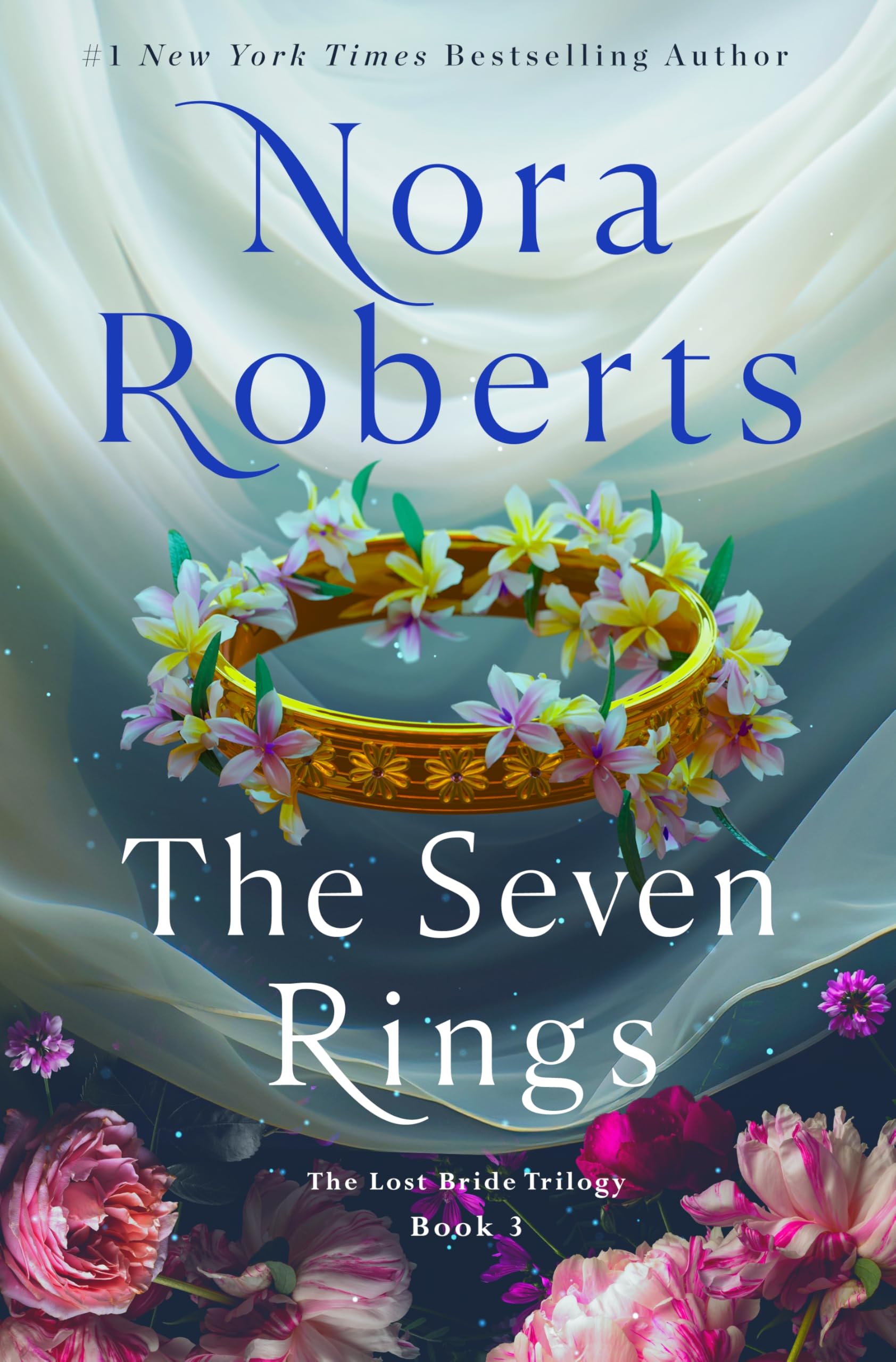
Seven dead brides. Seven stolen wedding rings. One pissed-off witch who's been squatting in a Maine manor for two centuries. Sounds brilliant, yeah? Well, buckle up, because Nora Roberts' finale to The Lost Bride Trilogy ...
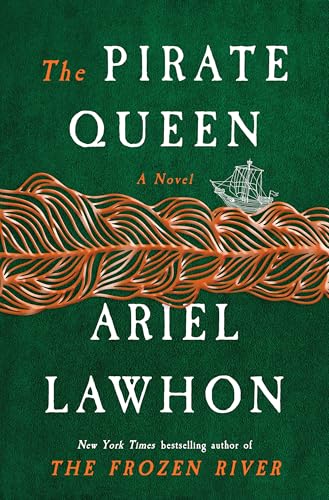
Ariel Lawhon trades frozen rivers for the Irish Sea — a full review of The Pirate Queen: detailed synopsis by timeline, every character dissected, and whether 448 pages of Gráinne Ní Mháille earn a spot ...