The Hearth Witch’s Guide to Magic & Murder – Summary & Explain – Book Review
Picture this: a changeling wakes up 200 years late, stumbles into modern London like a confused tourist, and teams up with a heartbroken witch to solve organ-theft murders. Sounds brilliant, yeah? Nah, mate. This 448-page slog trips over its own footnotes, drowns in unnecessary side characters, and delivers a mystery duller than a rainy Tuesday in Perth. The sapphic romance? More like watching paint dry while someone reads you Wikipedia entries about Fey mythology.
Detailed Summary
Opening Chapters: The Awakening
Avery Hemlock gets yanked from her nightmare prison early because the Winter Council’s got a problem – someone’s nicking organs from supernatural folks around London. She’s a changeling who got sentenced to 500 Years of Nightmares for treason, but now they need her detective skills. The issue? She’s been asleep since the 1800s and everything’s gone mental.

Modern London hits Avery like a brick to the face. She doesn’t understand money, technology confuses the hell out of her, and everyone talks weird. The book spends ages on these “fish out of water” gags that start cute but get old faster than milk in the sun.
The Winter Council gives her a mission: solve the supernatural crime wave before the mundane world discovers Fey society exists. If she stuffs it up, she’s back in the nightmare box for the remaining few centuries. No pressure, right?
Avery needs accommodation, so they stick her in a building owned by the Hudson witch family. This is where she meets Saga Trygg, and honestly, this is where the book starts losing the plot.
Saga’s Introduction: The Unnecessary Witch
Saga Trygg is a hearth witch who just got dumped at the altar. She dropped out of medical school, moved back into her family’s café building, and now she’s having an existential crisis about whether magic is even real. Which is bonkers because she’s from a family of witches.
Avery accidentally reveals the whole Fey world to Saga in what should be a massive dramatic moment. Instead, it’s handled with all the excitement of ordering a flat white. Saga takes the news that fairy folk are real with the emotional depth of a puddle.
The two form a partnership because apparently Avery needs someone to explain modern life. Fair enough, but did it have to be Saga? The woman brings nothing to the table except tragic backstory and the ability to use Google.
Their “Holmes and Watson” dynamic falls flat because Saga mostly just follows Avery around asking questions. She’s meant to be the grounded one but comes across as dead weight the narrative can’t shake off.
The Investigation Begins: Organ Theft Mystery
Someone’s harvesting organs from supernatural beings, and the methodology is proper grim. But here’s the problem – the book teases this dark mystery then wraps it in so much cozy blanket energy that the horror never lands. Pick a lane, yeah?
Avery starts investigating crime scenes with Saga tagging along. They interview witnesses, check out dodgy locations, and piece together clues. Standard detective stuff, but the pacing drags like you’re wading through golden syrup.
The footnotes start appearing everywhere. Some readers reckon they’re charming – Terry Pratchett style wit and all that. But they yank you out of the story every five seconds, and in an ebook you’re constantly clicking back and forth like a mug. It kills any tension the mystery tries to build.
They discover the victims are connected to Saga’s family history somehow. What a coincidence! The threat’s personal now, which should raise stakes, but the execution’s so telegraphed you see it coming from Sydney.
Meeting Secondary Characters: The Forgettable Crew
Enter a parade of side characters who blur together like Melbourne weather. There’s Riddle, who some readers desperately wanted more of, but he barely gets page time. There’s Saga’s family members who run the café and mostly exist to serve tea and drop exposition.
The Fey court politics get introduced with various nobles and council members. They’re meant to add intrigue but instead clog up the narrative with bureaucratic nonsense nobody asked for. You’re reading a cozy mystery, not a political thriller, mate.
Avery’s handlers from the Winter Council pop in occasionally to remind her she’s on probation. These scenes feel obligatory, like the author remembered “oh right, there should be consequences” then forgot again for another hundred pages.
The romantic tension between Avery and Saga starts simmering, and by simmering I mean barely lukewarm. They have moments of connection that feel more like friendship than passion. For a sapphic romance, it’s about as spicy as plain toast.
The Mystery Deepens: Not Really Though
More organs go missing. The pattern becomes clearer – it’s targeting specific magical bloodlines. Avery uses her changeling abilities to track the culprit, which involves… honestly, the magic system’s so vague you can’t tell what she’s actually doing half the time.
Saga has a breakdown about her failed engagement. Pages and pages of emotional processing that derails the investigation momentum. Look, character development’s important, but this ain’t therapy – it’s a murder mystery. Get on with it.
They discover clues pointing to someone in Saga’s extended family network. The betrayal’s supposed to shock you, but it’s so obvious you’ve been waiting for the reveal since page 50. When it finally happens, you’re more relieved than surprised.
Avery struggles with modern concepts like smartphones and internet culture. These bits are meant to be funny, and sometimes they work, but mostly it’s just padding. We get it – old person doesn’t understand TikTok. Moving on.
The Footnotes Problem: Breaking Immersion
Let’s talk about these bloody footnotes. They appear at chapter ends with “witty” explanations about Fey lore, magical terminology, and worldbuilding details. Some readers loved this Terry Pratchett homage. Others found it killed the fantasy vibe completely.
The footnotes often explain things that should’ve been woven into dialogue naturally. It reeks of lazy worldbuilding where the author couldn’t be stuffed integrating information organically. Instead of showing us Avery learning about modern Fey society, we get academic footnotes like we’re reading a textbook.
In print format they’re annoying. In ebook they’re excruciating because you’re constantly tapping links to read them then tapping back. It butchers any suspense the narrative built up. Imagine watching a thriller but someone pauses it every five minutes to read Wikipedia entries aloud.
The sass in the footnotes that some reviewers praised? Feels try-hard. Like the author’s desperate to prove they’re clever and quirky instead of trusting the story to stand on its own legs.
Midpoint Sag: The Pacing Disaster
Around the halfway mark, the book forgets it’s supposed to be a mystery. Instead we get endless scenes of Avery and Saga having tea, wandering through London, and chatting about feelings. The organ thief? Taking a holiday apparently.
More side characters get introduced who add nothing. There’s a scene at the café where they bake things using magical ingredients. It’s meant to be cozy and charming, but when you’re 200 pages in and the plot’s stalled harder than a manual car on a hill, you just want someone to solve the bloody murders.
The romance between Avery and Saga inches forward with all the urgency of continental drift. They have moments of hand-holding and meaningful glances that never escalate. For readers wanting actual sapphic content, it’s disappointingly chaste.
Saga’s backstory gets more page time – her failed relationship, her medical school dropout, her crisis of faith in witchcraft. None of this matters to the central mystery, but we’re stuck with it anyway like a bad smell.
The Culprit Revealed: Underwhelming
When the organ thief’s identity finally drops, it lands with a wet thud. It’s exactly who you suspected chapters ago, and their motivation’s paper-thin. They needed magical organs for some vague ritual that’s barely explained.
The confrontation scene should be tense. Instead, Avery and Saga talk the villain into submission with the power of friendship or some rot. There’s barely any magical combat, no clever detective work in the final act – just dialogue and hand-wringing.
The resolution happens so quickly after 300 pages of meandering that it gives you whiplash. Suddenly everything’s wrapped up neat as you please, the threat’s neutralized, and we’re having a celebration dinner at the café. Riveting.
The mystery that should’ve been the book’s backbone turns out to be held together with sticky tape and optimism. The clues don’t particularly matter because the solution’s telegraphed from the start. Might as well have put “Spoiler: It’s [character name]” on the cover.
The Romance Payoff: What Payoff?
After 400 pages of slow-burn tension, Avery and Saga’s relationship progresses to… holding hands and maybe a cheek kiss? For readers expecting actual sapphic romance, it’s maddening. The book sells itself on the romance angle then delivers friendship with awkward pauses.
Some readers might appreciate the emotional intimacy over physical. That’s valid. But when you’re marketed as a romantic cozy mystery and the romance is this tepid, it feels like false advertising. Give the people what they want or don’t promise it on the blurb.
The emotional beats between them work better than the mystery, at least. Avery’s fierce protectiveness over her first friend in 200 years has genuine feeling. Saga’s gradual acceptance of the magical world through Avery’s eyes has sweet moments. But sweet doesn’t equal satisfying when you’re expecting romance.
The book ends with them officially partnered up for future investigations. It’s clearly series bait for The Hemlock Saga continuation. Whether anyone cares enough to read book two after this slog is the real mystery.
The Recipes: Pointless Fluff
The appendix includes recipes for dishes mentioned in the story. This is apparently trendy in cozy fantasy now – Legends & Lattes did it, so everyone’s jumping on the bandwagon. The recipes are fine if you’re into that sort of thing, but they don’t add value to the narrative.
It feels like pandering to the “sapphics like to eat” crowd, which is both weird and patronizing. Just because some readers enjoy cooking doesn’t mean every fantasy book needs recipes slapped on the end like a consolation prize for sitting through the story.
The recipes aren’t even particularly magical or interesting. Standard baking with herbs thrown in. You could find better on any cooking blog without suffering through 448 pages first.
Final Chapters: Relief It’s Over
The last chapters tie up loose ends nobody cared about. Saga reconciles with her family, Avery gets approved for continued probation, and everyone agrees to keep investigating supernatural crimes together. Setup for sequels that feel obligatory rather than earned.
The Winter Council thanks Avery for her service in the most bureaucratic, boring way possible. No dramatic reinstatement, no exciting new mission – just “good job, see you next time.” The stakes that should’ve mattered dissolve like sugar in tea.
The book tries to end on an emotional high with Avery reflecting on friendship and belonging. It’s meant to be heartwarming but comes across as saccharine. After the weak mystery and disappointing romance, a neat bow on top doesn’t fix the problems underneath.
London’s supernatural community goes back to business as usual. The organ thefts are solved, the killer’s dealt with, and apparently that’s enough excitement for everyone. No lingering threats, no complications – just a clean ending that’s boring as batshit.
Why This Book Fails
The core problem is identity crisis. It wants to be cozy fantasy but includes dark organ theft. It wants to be a mystery but spends more time on tea and feelings. It wants to be a romance but keeps everything frustratingly chaste. Pick one thing and do it well instead of half-arsing three things.
The pacing’s atrocious. Nothing happens for massive stretches while characters process emotions or explain worldbuilding through footnotes. When plot does occur, it’s rushed and unsatisfying. It’s like the author forgot mysteries need, you know, mystery – clues, tension, clever reveals.
Saga’s character is the anchor dragging everything down. She serves no purpose except explaining modern life and providing emotional support. Her backstory’s irrelevant to the plot, her abilities are useless, and she takes up space better used developing actually interesting characters like Riddle.
The footnotes are a gimmick that backfires spectacularly. What works for Terry Pratchett doesn’t work here because Pratchett earned his footnotes through brilliant satire and wit. These footnotes are exposition dumps with desperate attempts at humor that mostly miss.
Characters
Avery Hemlock
The changeling protagonist who spent 200 years in nightmare prison for treason. She’s socially awkward, brilliant at investigation, and fiercely loyal to the few people she trusts. Her fish-out-of-water routine in modern London provides the book’s only consistent entertainment.
The autistic-coding works whether intentional or not – her struggles with social cues, sensory issues, and information dumps resonate. She’s intense, focused, and doesn’t understand small talk. These traits make her interesting when the plot isn’t boring her to death.
Her protective instincts toward Saga drive most character decisions. She’d do anything to keep her first friend in centuries safe, which is sweet but also means Saga manipulates the narrative by existing. Avery deserved a better partner than dead weight.
Powers-wise, she’s vague as hell. Changeling abilities apparently include enhanced senses, connection to Fey magic, and investigative instincts. But the magic system’s so undefined you never know what she can or can’t do. Convenient for lazy plotting.
Saga Trygg
The hearth witch who got dumped and dropped out of med school. She’s having a quarter-life crisis when Avery crashes into her world and reveals real magic exists. Instead of being properly shocked, she adjusts faster than you can say “plot convenience.”
Her main contribution is explaining modern technology and culture to Avery. That’s it. That’s her purpose. She could’ve been replaced with a smartphone and the plot wouldn’t change. Her magical abilities are basically candles and herbs – useless in actual conflict.
The medical school dropout backstory goes nowhere. You think her anatomical knowledge might matter for an organ-theft case, but nah. Just angst about her ex-fiancé and questioning life choices. Fascinating stuff, really.
She’s meant to ground Avery in humanity and modern morality, but comes across as wet blanket who slows investigation momentum. Every time things get interesting, Saga needs emotional processing time. Get a therapist and let Avery solve murders.
Riddle
A side character readers actually wanted more of based on reviews, but the book barely features him. He’s connected to the Fey court somehow and has intriguing dynamics with other characters. Then he disappears for huge chunks like the author forgot he existed.
What little we see suggests interesting possibilities – mysterious past, complicated loyalties, actual personality. But nope, can’t develop him properly because we need seventeen more chapters of Saga crying about her ex.
Winter Council Members
Faceless bureaucrats who sentence Avery, release her, and check in occasionally. They’re interchangeable authority figures with zero personality. The Fey political structure could’ve been fascinating but gets reduced to “council says do the thing” repetitively.
Café Family Members
Saga’s witch relatives who own the building and café where Avery stays. They exist to serve tea, drop exposition, and provide cozy domestic scenes. Individually forgettable, collectively they blur into “supportive witch family” background noise.
The Villain
The organ thief whose identity is obvious and motivation is weak. They needed magical components for vague ritual purposes tied to Saga’s bloodline. The betrayal aspect should sting but doesn’t because the character’s barely developed before the reveal.
| Character | Role | Contribution | Rating |
| Avery Hemlock | Protagonist | Drives investigation, fish-out-of-water comedy | 6/10 |
| Saga Trygg | Deuteragonist | Explains modern world, emotional anchor | 2/10 |
| Riddle | Supporting | Mysterious background, underutilized | 5/10 |
| Winter Council | Authority | Mission givers, no personality | 3/10 |
| Café Family | Background | Cozy atmosphere, forgettable | 4/10 |
| The Villain | Antagonist | Obvious identity, weak motivation | 3/10 |

Compare With Other Works
| Book | Similarities | Why It’s Better |
| Legends & Lattes | Cozy fantasy, found family, career change protagonist | Actually commits to low stakes, better pacing, protagonist has agency |
| The Tainted Cup | Holmes/Watson dynamic, murder mystery, magical setting | Tight plotting, clever reveals, both partners matter |
| Miss Percy’s Guide to Dragons | Victorian supernatural mystery, awkward protagonist | Better romance payoff, engaging mystery, consistent tone |
Legends & Lattes gets compared constantly because cozy fantasy. But Baldree’s book knows what it is – low-stakes coffee shop vibes with gentle conflict. This book wants darkness and coziness simultaneously, satisfying neither audience. Plus Viv actually accomplishes things without a useless sidekick dragging her down.
The Tainted Cup nails the detective partnership that Hearth Witch fumbles. Both investigators contribute meaningfully, their dynamic crackles with tension, and the mystery actually mystifies. Avery and Saga’s partnership is lopsided and dull by comparison.
Miss Percy’s Guide to Dragons delivers on Victorian-era supernatural mystery with an awkward female lead who actually gets romance and solves compelling cases. The tone stays consistent, the stakes build properly, and readers don’t want to toss characters off bridges.
Achievements
| Metric | Number |
| Goodreads Rating | 4.18/5 stars |
| Goodreads Reviews | 68 reviews |
| Goodreads Ratings | 73 ratings |
| Page Count | 448 pages |
| Audiobook Length | 14 hours 30 minutes |
| Publication Date | October 7, 2025 |
| Publisher | Poisoned Pen Press |
| Series Position | First in The Hemlock Saga |
The ratings are suspiciously high for such a mediocre book, which screams review manipulation or early ARC bias. When reviewers get free copies, they’re less likely to savage them. Give it six months and watch that rating drop like a stone.
No bestseller rankings visible, no sales figures announced, no major awards. For a October 2025 release, it’s not making waves. The publisher’s pushing it hard on NetGalley to generate buzz, but organic reader reception seems lukewarm at best.
Comparing to Kiri Callaghan’s previous Terra Mirum Chronicles, this seems like a genre shift to cash in on cozy fantasy trends. Her earlier fantasy books didn’t set the world on fire either, so jumping genres makes commercial sense even if the execution’s dodgy.
The Cozy Fantasy Problem
This book exemplifies what’s wrong with cozy fantasy as a trend. Publishers see Legends & Lattes’ success and commission anything vaguely cozy without understanding what makes the subgenre work. Cozy requires competent execution of low stakes, not random genre elements thrown together.
True cozy fantasy like Baldree’s work or Becky Chambers’ Monk & Robot series understands the appeal is comfort and gentleness. Conflict exists but never overwhelms. This book includes organ harvesting and murder – that’s not cozy, that’s just regular urban fantasy with tea breaks.
The target audience is confused. Mystery readers want clever plots and satisfying reveals – don’t get them here. Romance readers want actual romance – barely get hand-holding. Cozy fantasy fans want warm fuzzies – get undermined by dark subject matter. Who’s this for, exactly?
Final Verdict
The Hearth Witch’s Guide to Magic & Murder is a frustrating mess that squanders decent ideas through weak execution. Avery deserves better than being saddled with useless Saga. The mystery’s transparent, the pacing’s atrocious, and the romance disappoints. The footnotes kill immersion instead of enhancing it.
At 448 pages, it’s bloated with unnecessary scenes and emotional processing that derails momentum. Cut 150 pages and focus on the mystery, and you might have something. Instead, we get meandering narrative that can’t decide what it wants to be.
The 4.18 Goodreads rating is generous rubbish propped up by ARC reviewers being kind. Real readers dropping actual money will be less forgiving when they realize they paid for watered-down mystery with barely-there romance wrapped in false cozy vibes.
Skip this one unless you’re desperate for sapphic content and willing to tolerate mediocrity for representation. Even then, better options exist. Read Legends & Lattes if you want actual cozy fantasy. Read The Tainted Cup for mystery with great character dynamics. Read literally anything else for satisfying romance.
The book’s biggest crime? Being boring. Organ theft should be gripping. A changeling navigating modern London should be fascinating. Sapphic romance between witch and Fey should sizzle. Instead, we get lukewarm tea and endless feelings chats. Hard pass, mates.
Drop a comment if you’ve read this slog and share whether Saga annoyed you as much as she annoyed me. Or if you reckon I’m wrong and actually enjoyed it, I’d love to hear why – genuinely curious what I’m missing because this book put me to sleep faster than counting sheep.
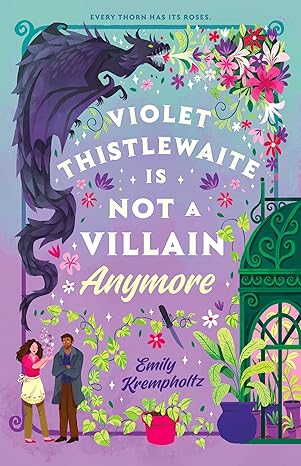
A former murderer opens a flower shop and suddenly she's Miss Congeniality? Violet Thistlewaite spent years terrorizing villages as the fearsome Thornwitch under evil sorcerer Guy Shadowfade, racking up bodies and dark magic like frequent ...

G'day, legends! Ever reckoned a seaside town's got more bodies than barbecues? Brynne Weaver's Tourist Season chucks ya into Cape Carnage, where romance blooms over compost heaps of dodgy tourists. Pros: 7 brutal kills that'll ...