Book Review: Dracula Synopsis – Explain 27 Chapters of Drag
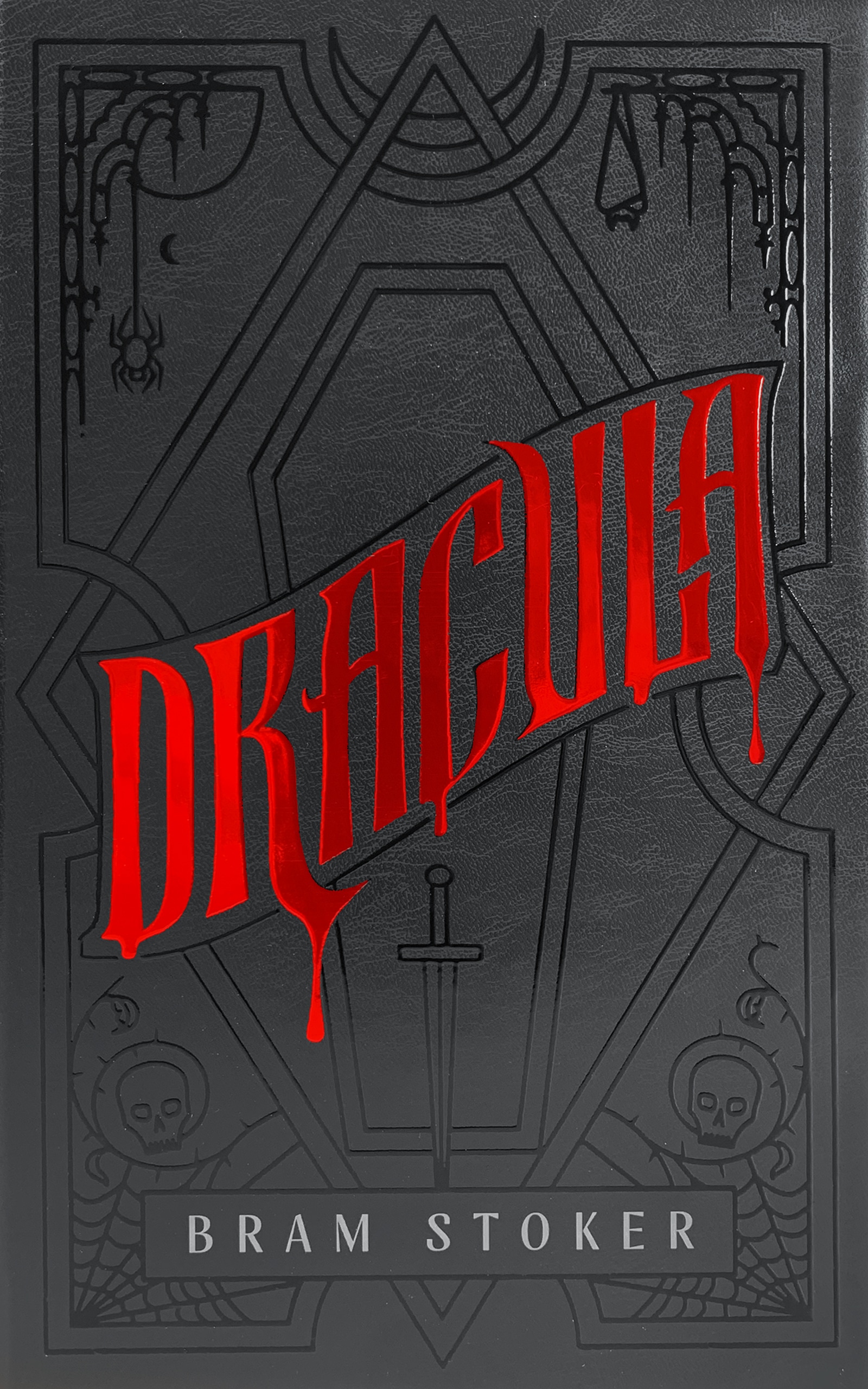
Picture this: a bloke trapped in a castle with a creepy old count who crawls down walls like a bloody gecko, three randy vampire ladies, and absolutely no way out except climbing down a cliff. That’s just the appetiser for Bram Stoker’s 1897 Dracula—a slog through diary entries, telegrams, and phonograph recordings that’ll test your patience harder than waiting for a servo pie to cool down. Yeah, it’s a classic, but crikey, it’s also a mess of repetition, dodgy pacing, and characters who make the same stupid mistakes over and over.
Let’s rip into this thing proper. Drop a comment below if you reckon I’m being too harsh—or not harsh enough.
Detailed Summary
Chapter 1
Jonathan Harker, some English solicitor, rocks up in Bistritz, Romania, ready to flog a London property to Count Dracula. The locals lose their minds when they hear where he’s headed, shoving crucifixes and talismans at him like he’s off to meet Satan himself. Classic ominous warning signs that Jonathan completely ignores because, you know, business comes first.
The carriage ride to the castle is proper creepy—wolves howling, the driver taking dodgy routes that loop around, and mysterious blue flames popping up everywhere. Jonathan’s getting the heebie-jeebies but still doesn’t bail. Mate, when the driver of your ride is sus and wolves are circling, maybe reconsider your life choices?
He finally arrives at this dark, crumbling castle that screams “turn around now.” But nah, Jonathan waltzes right in. Setting up for disaster from the jump.
Chapter 2
Jonathan meets Dracula, and the count is properly weird—pale as milk, hairy palms, sharp teeth, and breath that could knock out a horse. They have dinner, but only Jonathan eats because Dracula just watches him like a creep at a buffet. Red flag number one million.
The next day, Jonathan cuts himself shaving and Dracula lunges at his throat like a starving dingo on a chook. The count only stops because he touches Jonathan’s crucifix. Then he chucks Jonathan’s mirror out the window—because vampires have no reflection, genius. Jonathan finally cottons on that he’s locked in with a monster.
Every door is locked, no mirrors anywhere, and Dracula vanishes during daylight. Jonathan’s basically a prisoner, but it takes him ages to properly panic. Bloke’s got the survival instincts of a wet paper bag.
Chapter 3
Dracula bangs on about his family’s glorious history—classic narcissist move. He grills Jonathan about English life and laws, clearly planning something dodgy in London. He makes Jonathan write letters saying he’ll stay longer, which is essentially a death sentence in writing.
Jonathan ignores Dracula’s warning to only sleep in his own room—because why listen to the vampire who owns you?—and crashes in some dusty chamber. Three hot vampire ladies show up, all seductive and deadly, ready to feast on his neck. Just as one’s about to bite, Dracula barges in, claims Jonathan as his property, and tosses the ladies a bag with something moving inside (probably a baby, because this book goes dark).
Jonathan wakes up back in his room wondering if it was a dream. Mate, it wasn’t a dream. You’re in a castle of vampires. Get out.
Chapter 4
Dracula makes Jonathan write three post-dated letters about heading home—essentially forging Jonathan’s goodbye notes. Jonathan tries to smuggle real letters out via Gypsies, but Dracula intercepts them like a controlling ex.
Jonathan spots Slovaks hauling in big wooden boxes and sees Dracula slithering down the castle wall wearing Jonathan’s clothes—identity theft and gecko moves combined. A distraught woman shows up at the castle screaming for her child (yep, the one in the bag), and wolves devour her. Brutal.
Jonathan discovers Dracula lying in a box of dirt in a creepy chapel tunnel, looking younger with blood on his gob. He tries to kill Dracula with a shovel but fails—classic Jonathan incompetence. He plans to escape by climbing down the wall himself, because apparently that’s the only option. The chapter ends with Jonathan’s fate uncertain, which is a cheap cliffhanger.
Chapter 5
We switch to letters between Mina Murray (Jonathan’s fiancée) and Lucy Westenra (her bestie). Lucy’s living her best life with three marriage proposals—she accepts Arthur Holmwood, a rich nobleman, and rejects Dr. John Seward (asylum director) and Quincey Morris (rich Yank). Bit of a humble brag, Lucy.
Dr. Seward mopes in his phonograph diary about getting rejected, then distracts himself with his patient Renfield, a nutter who eats bugs and small animals. This Renfield bloke becomes important later, but right now he’s just comic relief.
Quincey writes Arthur a congratulations letter, being a proper gentleman about losing the girl. Meanwhile, Mina’s worried because she hasn’t heard from Jonathan in weeks. Foreshadowing much?
Chapter 6
Mina visits Lucy in Whitby, a coastal town with a ruined abbey and a spooky graveyard. They befriend Mr. Swales, an old sailor who tells them creepy stories. Lucy starts sleepwalking, which is never a good sign in Gothic literature.
Mr. Swales gets all doom-and-gloom, sensing his own death is near. Then a massive ship—the Demeter—washes ashore during a storm with no crew, just a dead captain lashed to the wheel. A huge dog (spoiler: it’s Dracula) leaps off and disappears into the night.
Mina’s worried about both Jonathan and Lucy, who’s getting weirder by the day. Dr. Seward notes that Renfield is munching on spiders and flies like they’re Maccas. The pieces are coming together, but no one’s connecting the dots yet.
Chapter 7
Newspaper clippings reveal the Demeter’s horror story. The crew disappeared one by one during the voyage from Varna, Russia. The first mate jumped overboard after seeing some intruder, and the captain tied himself to the wheel with a crucifix, determined to go down with his ship. The cargo? Fifty big wooden boxes of dirt from Transylvania.
Mr. Swales is found dead with a broken neck and a horrified expression—classic vampire victim. Lucy’s getting more restless, sleepwalking constantly. The captain gets a hero’s funeral, but no one realizes they’ve just let a vampire loose in England.
This chapter’s all newspaper clippings and secondhand accounts, which breaks up the diary format but also feels like padding. Get to the action, Bram.
Chapter 8
Lucy sleepwalks to the churchyard on August 11, and Mina finds her with a dark figure hunched over her. Lucy’s got two red puncture marks on her neck—vampire bite, obviously—but everyone’s clueless. Mina sees bats outside Lucy’s window and a shadowy figure with red eyes in the graveyard. Connect the dots, people!
The boxes from the Demeter get delivered to Carfax, Dracula’s new digs next to Dr. Seward’s asylum. Convenient, yeah? Meanwhile, Jonathan turns up in a Hungarian hospital with “brain fever,” which is Victorian-speak for a mental breakdown.
Mina prepares to leave for Hungary to fetch Jonathan. Dr. Seward finds Renfield by the Carfax chapel, babbling about his “master” and promising obedience. The setup is crawling into place, but the pacing is slower than a kangaroo in quicksand.
Chapter 9
Mina finds Jonathan in rough shape—he’s traumatized, can’t remember his time in Transylvania, and keeps raving deliriously. He gives Mina his diary in a sealed envelope, telling her not to read it unless absolutely necessary. They get married at his hospital bed, which is romantic but also depressing.
Back in England, Lucy’s getting worse. She writes about nightmares and something scratching at her window every night. Arthur asks Dr. Seward to examine her, and Seward brings in his old mentor, Professor Van Helsing, a Dutch expert in obscure diseases (read: vampire hunter).
Renfield keeps escaping to Carfax, trying to reach his “master.” Dr. Seward’s baffled, but Van Helsing starts putting pieces together. This chapter’s all setup, setup, setup. Where’s the bloody action?
Chapter 10
Van Helsing examines Lucy and immediately transfuses Arthur’s blood into her—first of many transfusions. He notices the puncture wounds on her neck but doesn’t explain what he suspects. He jets off to Amsterdam for books and “objects” (garlic, crucifixes, all the vampire-hunting kit).
Dr. Seward watches Lucy overnight, and she improves. But the next night, he falls asleep on duty—classic Seward—and Lucy’s worse by morning. He transfuses his own blood into her. Van Helsing returns and makes Lucy wear a garlic flower necklace, which sounds like a bizarre fashion statement but it’s actually protection.
The blood transfusion thing gets ridiculous. Lucy ends up getting blood from four different blokes, which would kill a normal person from incompatible blood types, but Stoker wasn’t up on his medical science. Historical inaccuracy, mate.
Chapter 11
Van Helsing gives Lucy yet another transfusion, this time his own blood. She’s basically running on borrowed blood at this point. Renfield attacks Dr. Seward, cutting his wrist and licking up the blood like a vampire wannabe. Foreshadowing.
A telegram from Van Helsing urging Seward to stay with Lucy gets delayed—because Victorian-era communication is rubbish. A wolf escapes from the London Zoo (Dracula’s doing) and smashes through Lucy’s window. Her mum removes the garlic from Lucy’s neck, not knowing it’s protection, then dies of shock from seeing the wolf.
Lucy loses consciousness. The maids drink some drugged wine and pass out—everyone’s useless. Lucy hides her diary entry in her bodice, knowing she’s done for. The chapter ends with Lucy alone and vulnerable. Brutal, but also frustratingly slow.
Chapter 12
The doctors find Lucy barely alive. Quincey Morris volunteers for another blood transfusion—she’s basically got a whole blood bank in her at this point. Mina writes that she and Jonathan are married and back in England, but the letter arrives too late to give Lucy comfort.
Renfield escapes again and attacks men carrying boxes from Carfax—he’s trying to stop Dracula but failing. Dr. Seward spots a bat hovering near Lucy’s window. Van Helsing brings Arthur to say goodbye to Lucy, who begs for a kiss with creepy, seductive energy. Van Helsing stops Arthur from kissing her on the lips—because she’s turning into a vampire and would drain him.
Lucy dies, and her beauty returns in death—a classic vampire sign. This whole Lucy arc drags on forever. Just stake her and move on already.
Chapter 13
Before Lucy’s funeral, Van Helsing covers her corpse with garlic and puts a crucifix in her mouth, but someone nicks it. He asks Arthur for Lucy’s papers to investigate. Meanwhile, Mina and Jonathan spot a man Jonathan swears is Dracula walking around London. Jonathan has another breakdown and forgets the encounter—his mental health is cooked.
Mina decides to read Jonathan’s diary to understand what happened in Transylvania. She learns the truth and is horrified. That night, she gets a telegram about Lucy’s death. Double trauma.
Newspapers report kids being abducted near Lucy’s grave and returned with neck wounds. Van Helsing knows Lucy’s now a vampire, but convincing the others takes forever because Victorian blokes are stubborn.
Chapter 14
Mina gives Van Helsing her diary and Jonathan’s diary—finally, some information sharing. Jonathan starts a new diary, his mental health slightly improved. Renfield starts munching on living creatures again—spiders, flies, the works.
Van Helsing shows Dr. Seward the newspaper reports about the abducted children and reveals his theory: Lucy’s the “Bloofer Lady” (baby talk for “beautiful lady”) luring kids. Seward thinks Van Helsing’s lost the plot, but he’s slowly coming around.
This chapter is all exposition and convincing. Stoker loves his long explanations when a quick scene would do. Get on with it, mate.
Chapter 15
Van Helsing and Seward visit one of the abducted kids in hospital and confirm the neck wounds match Lucy’s. That night, they visit Lucy’s tomb and find it empty. Near dawn, they find a child lying outside and take it to safety. They return to the tomb and find Lucy inside, looking fresh as a daisy—no decomposition.
Van Helsing explains to Seward, Arthur, and Quincey that they need to decapitate Lucy, fill her mouth with garlic, and drive a stake through her heart. Arthur’s devastated but agrees. The emotional weight here is solid, but the pacing is still glacial.
Chapter 16
The four men return to Lucy’s grave, find it empty again, and Van Helsing seals the tomb door with Communion wafers. Lucy reappears carrying a child, looking seductive and monstrous. She drops the child and tries to lure Arthur to her, but Van Helsing jumps between them with a crucifix.
Van Helsing removes the wafers, Lucy slips into her tomb, and they follow. Arthur hammers a stake through her heart while Van Helsing decapitates her and stuffs her mouth with garlic. Lucy’s tortured expression becomes peaceful—she’s finally free. It’s brutal but also a relief after chapters of buildup.
The gang agrees to hunt down Dracula and destroy him. About bloody time.
Chapter 17
Van Helsing calls Mina and Jonathan to the asylum. Mina transcribes Dr. Seward’s phonograph diary—more admin work. Seward reads Jonathan’s diary and realizes Dracula is his neighbor at Carfax and connected to Renfield’s behavior.
Jonathan investigates and discovers all fifty boxes of earth were delivered to Carfax, but some have been moved elsewhere. Arthur and Quincey arrive, and Mina distributes copies of all the diaries and letters to everyone. The bureaucracy in this book is exhausting. It’s like a vampire hunt run by a committee.
Chapter 18
Mina visits Renfield and finds him polite and rational—a stark contrast to his usual madness. Van Helsing compliments Mina’s organizational skills but excludes her from the vampire hunt because she’s a woman. Sexist nonsense, even for the 1890s.
Van Helsing lectures the group about vampire lore—the undead, their powers, their weaknesses. It’s a massive info dump that could’ve been condensed. The men visit Renfield, who begs to be released. Seward denies him, which proves to be a fatal mistake.
Chapter 19
The men go to Carfax but only find some of the boxes—Dracula’s spread them around London as safe houses. Smart move by the count, frustrating for the heroes. Mina reports strange occurrences the night before: weird sounds from Renfield’s room, her window opening on its own, white mist creeping toward the asylum, and a white face bending over her.
No one takes Mina’s warning seriously. Classic horror movie mistake. The heroes are reactive instead of proactive, which makes them look like muppets.
Chapter 20
Jonathan discovers the missing boxes are stashed in two other houses in London. Seward questions Renfield about eating souls via living creatures. The next evening, asylum attendants hear a scream and find Renfield covered in blood in his cell.
The tension’s building, but Stoker stretches it out like taffy. Just get to the confrontation already.
Chapter 21
Renfield, dying, confesses that Dracula visited him multiple times and also attacked Mina. Renfield tried to stop Dracula and got smashed for his efforts. The men rush to the Harkers’ room and find Jonathan unconscious and Mina drinking blood from a wound on Dracula’s chest—he’s forcing her to become a vampire.
Van Helsing brandishes a Communion wafer, and Dracula escapes as mist. Quincey chases him and sees a bat flying away. Mina explains Dracula threatened to kill Jonathan if she made noise, drank her blood, then forced her to drink his. She’s now connected to Dracula, slowly turning into a vampire.
This is the big horror moment, but it’s buried two-thirds through the book. The pacing is cooked.
Chapter 22
Renfield dies from his injuries—RIP to the only interesting side character. The men go to Carfax and sterilize Dracula’s boxes by putting Communion wafers in them, making them uninhabitable. Van Helsing tries to bless Mina by touching her forehead with a wafer, but it burns her skin like acid—she’s already infected.
Mina breaks down, calling herself “unclean.” The Victorian melodrama is thick here. The men sterilize all the boxes except one—Dracula’s escape route. Classic last-minute complication.
Chapter 23
Mina messages the men that Dracula’s fled Carfax. They ambush him at his Piccadilly house, but Dracula escapes with some cash and threats. Van Helsing hypnotizes Mina, using her psychic connection to Dracula to track him. They discover he’s fleeing England by sea, heading back to Transylvania.
The hypnosis plot device is convenient—maybe too convenient. Stoker’s not big on subtlety.
Chapter 24
The gang discovers Dracula’s sailing to Varna and decides to chase him. Mina insists on coming along, arguing her connection to Dracula makes her useful. The men reluctantly agree after more sexist hand-wringing about protecting delicate women.
This chapter’s mostly travel plans and logistics. Riveting stuff, Bram.
Chapter 25
Before leaving England, Mina makes the men promise to kill her if she fully transforms into a vampire. Dark stuff. In Varna, they wait for Dracula’s ship, but it docks in Galatz instead—Dracula outsmarted them by changing routes.
Van Helsing theorizes Dracula accessed Mina’s mind and learned their plans, so he cut his psychic connection to her and ran. The group splits up to cover more ground. More travel logistics. Yawn.
Chapter 26
When they reach Galatz, Dracula’s box is already gone. Mina investigates possible routes to his castle, and the group divides into three teams: Arthur and Jonathan take a steamboat, Seward and Quincey travel on horseback, and Van Helsing and Mina take a train then carriage to the castle.
The splitting-the-party trope. Always a brilliant idea in horror stories.
Chapter 27
Van Helsing and Mina’s horses die en route, so Van Helsing draws a protective circle of Communion wafers around Mina and continues to the castle alone. The three female vampires from Chapter 3 reappear, trying to tempt him, but he resists. He stakes them, burns their bodies, and sterilizes Dracula’s tomb with wafers.
The Legacy Series finale crashes to a close with Tessalyn Ausra standing at the edge of salvation or total annihilation, her companions nursing fresh wounds from her chaos magic, and two love interests—Theon and Luka—who've ...

G'day, mates! Picture this: a lass trapped in a cursed Canadian town, chasing her bloke through monster-infested woods, only for the whole bloody thing to unravel into a mess of folklore gone wrong. Erin A. ...
On the way back to Mina, they spot Gypsies hauling Dracula’s box on a cart. The other teams converge, intercept the cart, and a fight breaks out. Quincey gets fatally wounded during the scuffle. Jonathan and Quincey pry open Dracula’s box and stab him through the heart just as the sun sets. Dracula crumbles to dust.
Quincey dies pointing out that the burn scar on Mina’s forehead has vanished—she’s cured. Years later, Jonathan writes that he and Mina have a son named Quincey, and Arthur and Seward are happily married. The end.
The climax is rushed after 26 chapters of buildup. Dracula barely fights back—he just gets shanked and disintegrates. Anticlimactic much?
Characters
| Character | Role | Analysis |
| Count Dracula | Main antagonist, vampire | Barely appears despite being the title character—only shows up properly three times. He’s creepy and powerful but underdeveloped. His motivations are murky: Why London? Why these people? Stoker gives us a boogeyman, not a character. |
| Jonathan Harker | Protagonist, solicitor | Painfully naive and incompetent. Ignores warning signs, makes stupid decisions, has multiple breakdowns. By the end, he’s slightly more useful, but he’s no hero. Just a traumatized bloke who survives through luck. |
| Mina Murray/Harker | Jonathan’s fiancée/wife, schoolteacher | The most competent character. She organizes all the information, keeps everyone on track, and uses her psychic link to Dracula strategically. But the men constantly sideline her for being a woman. Frustrating. |
| Lucy Westenra | Mina’s best friend, Dracula’s first English victim | Starts as a ditzy socialite, becomes a tragic victim, then a vampire. Her arc is the book’s emotional core, but it drags on forever. Her transformation into the “Bloofer Lady” is creepy but underexplored. |
| Professor Abraham Van Helsing | Dutch doctor, vampire hunter | The “expert” who explains everything in long-winded speeches. He’s knowledgeable but patronizing, especially toward Mina. His broken English is meant to be charming but reads as annoying. The book’s Dumbledore figure, for better or worse. |
| Dr. John Seward | Asylum director, Lucy’s rejected suitor | Boring and incompetent. He falls asleep when guarding Lucy, fails to understand his own patient (Renfield), and needs Van Helsing to explain everything. Mostly just narrates events without adding much. |
| Arthur Holmwood (Lord Godalming) | Nobleman, Lucy’s fiancé | Exists to be rich, aristocratic, and sad. He stakes Lucy in the big emotional scene, but otherwise he’s just money and connections. Barely a character, more like a plot device with a title. |
| Quincey Morris | Wealthy American adventurer | The token Yank. He’s brave and loyal, and his death is meant to be heroic, but he’s underdeveloped. His main trait is being American and saying “partner” a lot. Wasted potential. |
| Renfield | Asylum patient, Dracula’s servant | The most interesting side character. He’s tragic—mentally ill, manipulated by Dracula, and ultimately trying to protect Mina when he dies. His bug-eating habit is gross but memorable. Deserved more page time. |
| Three female vampires | Dracula’s brides | Sexy and deadly, they only appear twice. They’re defined by their sensuality and predatory nature—Victorian anxieties about female sexuality made literal. One-dimensional but effective for the horror they create. |
Compare With Other Works
| Work | Similarities | Why Dracula Loses |
| Frankenstein by Mary Shelley | Both Gothic horror classics with sympathetic monsters and Victorian anxieties | Frankenstein’s creature has depth, motivations, and philosophical weight. Dracula’s just a villain with no backstory. Frankenstein explores creation and responsibility; Dracula explores… invasions and blood? Less substance. |
| The Strange Case of Dr Jekyll and Mr Hyde by Robert Louis Stevenson | Victorian era, repressed desires, duality of human nature | Jekyll/Hyde is tight, fast-paced, and psychologically complex. Dracula meanders for 400+ pages with repetitive diary entries. Jekyll/Hyde delivers horror efficiently; Dracula takes forever. |
| Carmilla by Sheridan Le Fanu | Vampire stories with sexual undertones, Gothic atmosphere | Carmilla came first (1872) and did the lesbian vampire thing with more subtlety and tension. Dracula owes a debt to Carmilla but gets more credit because it’s longer and had better marketing. |
| The Picture of Dorian Gray by Oscar Wilde | Gothic horror, Victorian morality, supernatural immortality | Dorian Gray is witty, philosophical, and tightly written. Dracula is clunky and overwritten. Wilde’s prose sparkles; Stoker’s plods along like a drunk roo. |
Dracula gets credit for popularizing vampires, but it’s not the tightest or most innovative Gothic novel. It’s influential, sure, but that doesn’t make it good.
Achievements
- First edition sales: 3,000 copies printed in 1897, Stoker earned no royalties on the first 1,000 sold. Commercial flop during his lifetime.
- Long-term sales: Never out of print since 1897, estimated millions of copies sold worldwide, but exact figures are murky. Some sources claim it’s among the top 30 best-selling books ever, but that’s dubious.
- Cultural impact: 200+ film and TV adaptations, second only to Sherlock Holmes for most adapted character. That’s more about the character’s potential than the book’s quality.
- Goodreads rating: 3.99/5 stars from 1,432,833 ratings and 58,465 reviews as of 2025. Respectable but not stellar—plenty of readers find it slow and dated.
- Translations: Translated into dozens of languages, exact count unclear but widespread global reach.
- Legacy: Defined vampire mythology for the modern era (no reflection, garlic, stakes, sunlight). The book’s world-building is its greatest achievement, not the storytelling.
The numbers are impressive for longevity, not quality. Dracula’s influence is undeniable, but it’s celebrated more for what it spawned than what it is.
Themes and Symbolism
Victorian Anxieties: Dracula represents foreign invasion, disease (syphilis parallels), and sexual deviance. The British Empire was at its peak, and Stoker taps into fears of the “other” corrupting pure English society. It’s xenophobic if you squint too hard.
Sexuality and Repression: The blood-drinking and neck-biting are thinly veiled metaphors for sex. Lucy’s transformation from innocent girl to wanton vampire exposes Victorian anxieties about female sexuality. Mina, the “good” woman, resists longer. It’s all very Freudian and dated.
Science vs. Superstition: Van Helsing blends modern medicine (blood transfusions) with ancient superstition (garlic, crucifixes). The book straddles the line between rational Victorian progress and Gothic supernatural fear. It’s an identity crisis in novel form.
Gender Roles: Men are protectors and hunters; women are victims and administrators. Mina’s competence is acknowledged but constantly undermined by the men’s sexism. It’s a product of its time, but it’s grating to modern readers.
Why This Book Drags
Stoker uses an epistolary format (diary entries, letters, newspaper clippings), which sounds innovative but becomes repetitive. The same events are recounted multiple times from different perspectives, padding the page count without adding insight.
The pacing is cooked. Jonathan’s trapped in the castle for four chapters, Lucy’s illness drags for eight chapters, and the final chase to Transylvania feels rushed. Stoker doesn’t know when to speed up or slow down.
The characters are reactive, not proactive. They bumble around while Dracula executes his plan, then scramble to catch up. It makes the heroes look incompetent and the villain look smart by default.
Van Helsing’s long-winded explanations kill momentum. Every time the story builds tension, he stops to lecture about vampire lore for pages. Show, don’t tell, Bram.
Final Verdict
Dracula is influential but deeply flawed. The world-building and vampire mythology are brilliant—that’s why the character endures in pop culture. But the novel itself is a slog: repetitive, poorly paced, with one-dimensional characters and clunky prose.
It’s worth reading once as a cultural touchstone, but don’t expect a page-turner. The best parts—the castle sequence, Lucy’s transformation, the final chase—are buried in administrative tedium and Victorian moralizing.
If you love Gothic horror and can tolerate slow pacing, give it a go. If you want tight, scary horror, read something else. Dracula invented the vampire mythos but didn’t perfect it.
Rate it: 3/5 stars—historically important, narratively tedious.
Now tell me in the comments: Am I being too harsh, or is Dracula overrated? Have you slogged through all 27 chapters, or did you bail halfway? Let’s yarn about it below.

G'day, mates – ever fancied a sorority bash where the main course is a cheeky bit of human nosh? Olivie Blake's Girl Dinner chucks you into a bonkers world of elite uni birds chomping on ...

Arthie Casimir survives her own death at the end of book one, only to drag her ragtag vampire crew through 384 pages of sluggish plotting, cringe-worthy dialogue featuring "super vampires," and a gut-punch ending where ...