Book Review: Princess Knight Synopsis & Explain – 3 Reasons It Flops Hard
Picture a pampered princess rocking up to brutal knight school with zero combat skills, chasing a bloke who dumped her, armed only with sewing needles and delusions. That’s the cringe-worthy setup of The Princess Knight by Cait Jacobs—a Legally Blonde knockoff that swaps Harvard for swords, charm for tedium, and wit for a 512-page slog that’ll test your patience more than any battlefield ever could.
This debut fantasy promised medieval magic but delivered generic tropes wrapped in unpronounceable Irish names that’ll make your head spin faster than a jousting lance.
Detailed Summary
Righto, buckle in for the full yarn—this beast spans 512 pages of predictable drama, split into sections that drag like a knight in full armour through mud.

Part One: The Rejection Blues
Princess Clía of her kingdom (name’s too Irish to pronounce without googling) has her life mapped out. She’s betrothed to Prince Domhnall of a neighbouring realm since childhood. Everyone expects their union to strengthen both kingdoms. Political alliance, divine approval from the gods, the whole package deal sorted.
But then the git shows up and refuses to propose. His reason? She’s too soft, too weak, too obsessed with frocks and embroidery to protect a kingdom. He needs a “warrior queen” who can swing a sword, not stitch a tapestry. Brutal blow to her ego, mate.
Clía’s heartbroken but refuses to crumble. She hatches a brilliant plan—follow Domhnall to Caisleán Cósta, the prestigious military academy he’s attending. Prove she can fight. Win back the betrothal. Save the political alliance between kingdoms.
Only problem? She’s never held a weapon in her life. The academy has a brutal reputation for churning out elite warriors called Curadh. But how hard can sword fighting really be, right?
Part Two: Knight School Disaster
Clía arrives at Caisleán Cósta woefully unprepared. Day one throws her straight into duelling matches. She doesn’t know how to hold a sword properly. Gets absolutely wrecked in combat trials. Other students mock her relentlessly.
Enter Ronan, the Captain of Domhnall’s guard and his best mate. Ronan’s a 19-year-old warrior who fought his way up from nothing to earn his position. He’s got chronic pain from past battles but pushes through with gardening therapy and sheer determination.
Ronan initially dismisses Clía as another spoiled princess playing dress-up. But her determination catches his attention. When she keeps showing up despite humiliation, he offers to train her privately.
Their training sessions dominate the middle chunk. Clía learns basic sword techniques. Ronan teaches her footwork, combat strategy, endurance drills. It’s montage after montage of practice fights, with minimal plot development.
Meanwhile, Domhnall watches from afar, conflicted about his decision. His reasons for refusing the betrothal unfold slowly—he genuinely believes Clía can’t handle the threats facing his kingdom.
Part Three: The Legally Blonde Parallels
This section mirrors the original film beat-for-beat. Clía discovers she’s not just a pretty face. She uses her “feminine” skills—empathy, people-reading, strategic thinking from court politics—to her advantage.
There’s a “bend and snap” reference that feels forced. Side characters who initially dismissed her start respecting her. She wins over classmates through kindness rather than intimidation.
Niamh, a fierce female warrior from noble background, starts as Clía’s rival. They compete in training exercises. Niamh considers Clía a joke initially. But gradually, Niamh recognizes Clía’s growth and they develop mutual respect.
Murphy, Clía’s otter-like pet creature she adopted after its mum died, provides comic relief. The little blighter’s deadly despite being adorable—bites enemies, creates distractions in battles.
Time skips become frequent here, glossing over months of training. We’re told Clía improves dramatically but rarely see the actual progress on-page. It weakens her transformation arc considerably.
Part Four: Romance Without Spark
Ronan and Clía develop feelings during their training sessions. But the chemistry’s flatter than a pancake. Their interactions are sweet but lack tension. No banter that crackles. No stolen glances that make your heart race.
He admires her resilience. She appreciates his support. They have deep conversations about duty and identity. But it reads more like friendship than passion. The slow burn never ignites properly.
Ronan battles his loyalty to Domhnall versus his growing attraction to Clía. It’s meant to be angsty but comes off lukewarm. His internal monologues repeat the same conflicts without resolution.
Clía shifts from “win back Domhnall” to “prove myself for me” around the halfway mark. Character growth that should feel triumphant lands with a thud because the pacing crawls through molasses.
Part Five: War and Betrayal
War threatens the kingdoms. Political scheming intensifies. Someone betrays the academy from within—shockingly predictable from miles away.
The villain reveals himself with a typical “here’s my evil plan” monologue. His motivations are paper-thin—power-hungry noble who wants control. No complexity, no moral grey areas. Just standard baddie behaviour.
Combat sequences ramp up. Clía participates in actual missions beyond the academy. She holds her own in skirmishes, proving her worth as a warrior. These action scenes have energy but arrive too late to save the dragging middle.
Domhnall faces his own reckoning. He realizes he underestimated Clía and treated her poorly. His redemption arc feels rushed—few scenes of genuine grovelling for the cruel things he said. He just… gets forgiven because the author wants everyone friendly by the end.
Part Six: The Climactic Battle
The final confrontation involves all the kingdoms. Clía leads warriors into battle, showcasing her strategic mind and combat skills. She becomes the warrior queen Domhnall wanted—but for herself, not him.
A second villain emerges late in the game. Another betrayal that’s telegraphed chapters earlier. The reveals lack punch because the groundwork wasn’t laid properly. Just convenient plot devices to create false tension.
Clía discovers she possesses Gifts from the Treibh Anam—magical abilities tied to Irish folklore. This feels unearned, like the author needed a power boost for the finale. The magic system remains underdeveloped, barely scratching the surface of its potential.
The battle wraps up quickly. Too quickly. One villain dispatched abruptly. The other’s fate resolved with minimal fanfare. Loose ends tied in neat bows.
Part Seven: The Ending
Clía and Ronan finally confess their feelings. There’s fade-to-black intimacy—one or two scenes, very tame. Marketed as adult but reads firmly YA.
Domhnall pairs off with Niamh, who’s perfect for keeping his ego in check. Kían and Sárait (side characters who are adorable together) get their happy ending. Found family vibes all around.
The kingdoms unite against future threats. Clía earns respect as both princess and warrior. She retains her love of fashion and sewing—femininity as strength rather than weakness.
It ends open for sequels but works as standalone. Except those loose ends about Clía’s parents? Never addressed directly. They were integral to her insecurity about being controlled, but no confrontation or resolution with them. Just internal acceptance that feels hollow.
The Missing Pieces
The book desperately wants to follow Legally Blonde’s structure, forcing parallels that don’t fit organically. It sacrifices originality for tribute moments.
World-building stays minimal. We get snippets of Irish mythology, Celtic folklore, the Gifts system—but nothing deep enough to feel immersive. A map would’ve helped tremendously given all those unpronounceable place names.
The humour promised by the Legally Blonde comparison? Virtually absent. A few cute moments with Murphy, some light banter, but no actual comedy that makes you laugh out loud.
Clía’s growth should be the highlight. Instead, time skips rob us of witnessing her transformation. We’re told she becomes beloved “people’s princess” with minimal on-page development to earn it.
Characters
Let me break down every player in this medieval drama—spoiler alert, most are cardboard cutouts.
Clía
The protagonist princess with autism representation. She’s sheltered, naive, obsessed with fashion and needlework initially. Considered “beneath her status” to care about dress design.
She’s supposedly good at research, court politics, winning people over, military strategy—but we rarely see these skills in action meaningfully. Tell, don’t show at its finest, mate.
Her transformation from pampered royal to confident warrior happens largely off-page through time skips. Frustrating because that journey should be the book’s heart. By the end, she can do everything with relative ease, which makes her feel overpowered without earning it.
The autism portrayal is positive—she’s driven, kind, motivated despite hardships. But it’s not explored deeply enough to feel authentic rather than a diversity checkbox.
Ronan
The love interest and captain of the guard at 19 years old. He’s loyal, kind, supportive, protective—basically perfect boyfriend material without flaws that create interesting conflict.
His chronic pain from past battles is handled respectfully, showing how it affects his daily life. He gardens for therapy, which is adorable. But even this rep stays surface-level.
Ronan wears his heart on his sleeve throughout. His feelings for Clía are obvious from early on. No real tension because he’s openly smitten. The internal conflict about betraying Domhnall’s friendship never creates genuine stakes.
He lacks personality beyond “supportive mentor who falls in love.” No quirks, hobbies beyond gardening, or character growth. He’s a static cheerleader for Clía’s journey.
Domhnall
The prince who rejects Clía, sparking the whole plot. He’s not a villain—just misguided with good intentions executed poorly.
His reasoning for needing a “warrior queen” makes some sense given kingdom threats. But the way he dismisses Clía to her face? Brutal and cruel, calling her basically a pretty accessory unfit to rule.
He’s Ronan’s best friend, creating the loyalty conflict. But their friendship isn’t developed enough on-page to feel meaningful. Just stated as fact.
By the end, he’s supposed to be redeemed. He admits he was wrong about Clía. But there’s no real grovelling, no consequences for his cruelty. He just gets forgiven and paired with Niamh. Too easy, mate.
Readers either hate him throughout or find him tolerable by the finale. Divisive character who needed more development to earn his redemption.
Niamh
The fierce female warrior from noble background. Starts as Clía’s rival at the academy. Dismissive and harsh initially, considering Clía a joke.
As Clía proves herself, Niamh’s respect grows. Their relationship—rivals to reluctant allies to friends—is the most emotionally grounded in the book. It unfolds naturally over time, unlike the rushed romance.
Niamh is terrifying, competent, and keeps Domhnall in check when they pair off. She’s perfect for him because she won’t tolerate his nonsense.
Honestly, Niamh deserved more page time. Her character arc and friendship with Clía provide more payoff than the main romance.
Murphy
The adorable otter-like monster pet Clía adopted after its mother died. Provides comic relief and battle support.
Murphy bites enemies, creates distractions, and is fiercely loyal. Every reviewer mentions “protect Murphy at all costs.” The most universally beloved character.
But Murphy’s a prop—cute without substance. Used for comedic beats and convenient plot solutions when needed.
Kían
A warrior from noble background who befriends the group at the academy. Part of the found family dynamic.
He’s paired romantically with Sárait. Readers describe them as “adorable together” but they’re underdeveloped side characters without distinct personalities beyond “supportive friends.”
Sárait
Kían’s romantic interest. Virtually no personality beyond being part of the friend group. Sweet and supportive, which is her entire character description.
The book doesn’t give side characters enough depth. They exist to support Clía’s journey without their own compelling arcs.
Hazan & Huda
If these characters even appear, they’re so forgettable that reviews don’t mention them specifically. Likely background students at the academy filling space.
The Villains
Both antagonists are power-hungry nobles with generic motivations. No complexity, no sympathetic angles. Just evil for evil’s sake.
The first villain’s betrayal is predictable from introduction. The second arrives late-game as a twist that lacks impact because groundwork wasn’t laid.
Their defeats are anticlimactic—quick dispatches without satisfying confrontations. Wasted potential for compelling adversaries.
Compare With Other Works
How does this stack against similar fantasy romances? Not favourably—it’s Legally Blonde fanfiction stretched too thin.
| Book | Similar Theme | Why This One Loses |
| Legally Blonde (original film) | Underestimated woman proves her worth | The film has actual humour, snappy pacing, and Elle Woods’ charisma—Clía’s journey lacks all three |
| Mulan | Princess becomes warrior to save kingdom | Mulan has higher stakes, better action sequences, and emotional payoff this book never achieves |
| A Knight’s Tale | Commoner proves worth at elite level | Heath Ledger’s film balances comedy, romance, action perfectly—this book fails at all three |
| The Cruel Prince (Holly Black) | Court intrigue and warrior training | Black’s world-building is immersive, her characters complex—this is shallow by comparison |
| From Blood and Ash (Jennifer L. Armentrout) | Sheltered royal discovers hidden strength | Armentrout’s romance has actual chemistry and tension, not the flat attraction here |
| Red Queen (Victoria Aveyard) | Girl enters elite academy, discovers powers | Aveyard’s plot twists shock—this book’s are visible from orbit |


The Legally Blonde comparison hurts more than helps. That film succeeds through Elle Woods’ effervescent personality, sharp wit, and empowering message delivered with humour. This book has none of that sparkle. It’s a pale imitation trading cleverness for generic fantasy tropes.
Achievements
Let’s talk numbers—what has this book actually accomplished since release?
| Metric | Number | Details |
| Goodreads Rating | 4.08/5 | Based on early reviews, but inflated by ARC hype from BookTok fans |
| Total Ratings | 800+ ratings | As of October 2025, modest for debut with major influencer backing |
| Page Count | 512 pages | Thick book that could’ve been trimmed by 150 pages easily |
| Release Date | Oct 14, 2025 (US) / Oct 23, 2025 (UK) | Recent release, numbers still growing |
| Author’s TikTok Following | 214,000+ | Cait Jacobs is major BookTok influencer—created the BookTok phenomenon |
| Author’s Instagram Following | 70,000+ | Strong social media presence driving pre-orders |
| Publisher | Harper Voyager | Major traditional publisher, securing wide distribution |
| Special Editions | Fairyloot exclusive, LitJoy Crate mini book | Limited editions for collectors |
| Pre-order Bonus | Extra chapter showing Ronan & Clía’s first meeting | Incentive for early buyers |
No bestseller lists yet. No major awards. The author’s massive social media following (she literally created BookTok) generated hype, but reader reception is mixed. Reviews trend between 3-4 stars—decent but not spectacular.
For comparison, BookTok sensations like “The Song of Achilles” hit bestseller lists years after publication through viral videos. This book has the influencer advantage from the start but hasn’t achieved similar commercial breakout success.
Early sales figures aren’t public, but the modest Goodreads rating count suggests performance is solid but unspectacular for a debut backed by such massive platform reach.
Who Should Read This
Let’s get brutally honest about audience fit, backed by evidence from mixed reader reactions.
Skip This If:
- You expect the humour and charm of Legally Blonde—it’s virtually absent despite marketing promises
- You want original fantasy rather than derivative tropes recycled from better books
- You crave romance with actual chemistry and tension—this slow burn never ignites properly
- You’re allergic to predictable plots where every twist is telegraphed chapters in advance
- You hate Irish naming conventions you can’t pronounce—every character, place, and object will frustrate you
- You need tight pacing—the middle drags through endless training montages going nowhere
- You expect “adult” content based on marketing—this reads firmly YA with fade-to-black intimacy
- You’re not already invested in Cait Jacobs as a creator—her fans rate this higher than objective readers
Maybe Read If:
- You’re a die-hard Cait Jacobs fan from TikTok/Instagram willing to overlook flaws
- You enjoy military academy settings even when underdeveloped
- You appreciate disability representation (chronic pain) and neurodivergent characters (autism) even if surface-level
- You want light, undemanding fantasy that requires zero brainpower
- You collect special editions (Fairyloot, LitJoy versions) regardless of content quality
- You’re desperately seeking queer-normative fantasy worlds with bisexual main characters
- You like found family dynamics despite them being underdeveloped here
- You can tolerate 512 pages of “told not shown” character growth
Definitely Avoid If:
- You value your time and have a massive TBR—this isn’t worth 512 pages
- You expected groundbreaking debut from major BookTok influencer—it’s disappointingly generic
- You hate when marketing oversells books—the “Legally Blonde meets fantasy” hype is misleading
- You’re looking for the next big romantasy to obsess over—this ain’t it, mate
The Verdict
The Princess Knight is a textbook example of platform over substance. Cait Jacobs leveraged massive BookTok influence (she literally created the phenomenon) to land a major publishing deal, but the execution doesn’t match the hype.
It’s not offensively bad—just aggressively mediocre. The bones of a decent story exist: princess proves worth, femininity as strength, disability rep. But every element stays surface-level. The romance lacks spark. The plot is predictable. The humour promised by Legally Blonde comparisons never materializes.
At 512 pages, it’s bloated with unnecessary padding. Training montages that time-skip character growth. Political intrigue mentioned but not explored. Magic systems introduced then abandoned. Side characters who are sweet but forgettable.
The worst crime? It’s boring. For a book about sword-fighting knights at a brutal military academy with looming war, shockingly little happens. You’ll skim through training sequences waiting for plot development that arrives too late.
Rating: 2.5/5 stars
It’s not terrible enough to rage-quit but not good enough to recommend enthusiastically. If you’re a Cait Jacobs superfan, you’ll find things to enjoy. For everyone else, skip it and read Holly Black or Jennifer L. Armentrout instead—they do everything this book attempts, only better.
Drop a comment below: Did the BookTok hype fool you into pre-ordering, or were you smart enough to wait for reviews? What’s your biggest pet peeve in fantasy debuts—predictable plots or flat romances? Let’s hear it!
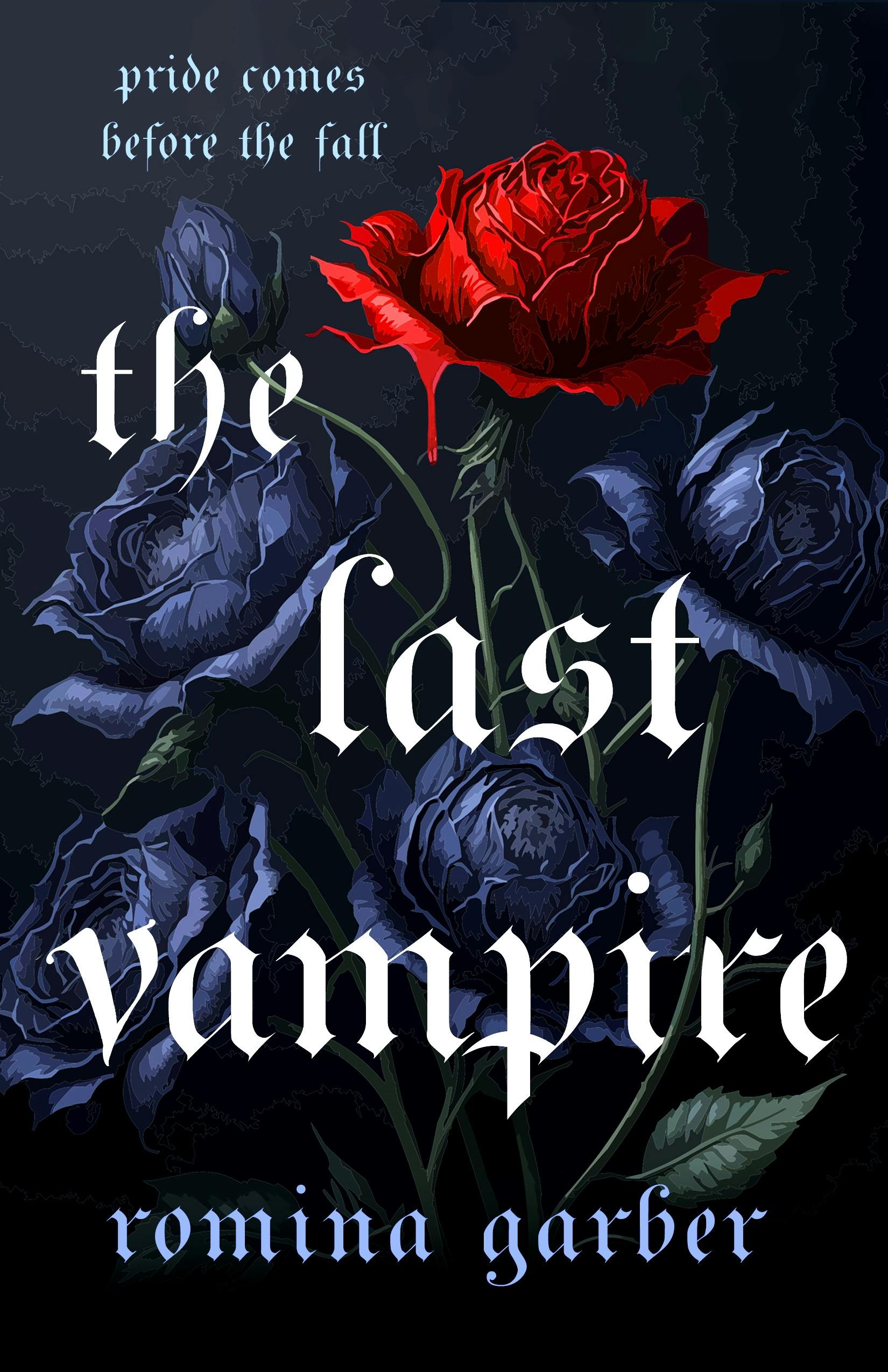
Quick Info Box Feature Details Author Romina Garber Genre YA Paranormal Romance / Gothic Fantasy Series Standalone Tropes Enemies to Lovers, Accidental Awakening, Familiar Bond, Last of His Kind, Boarding School Setting, Fish Out of ...
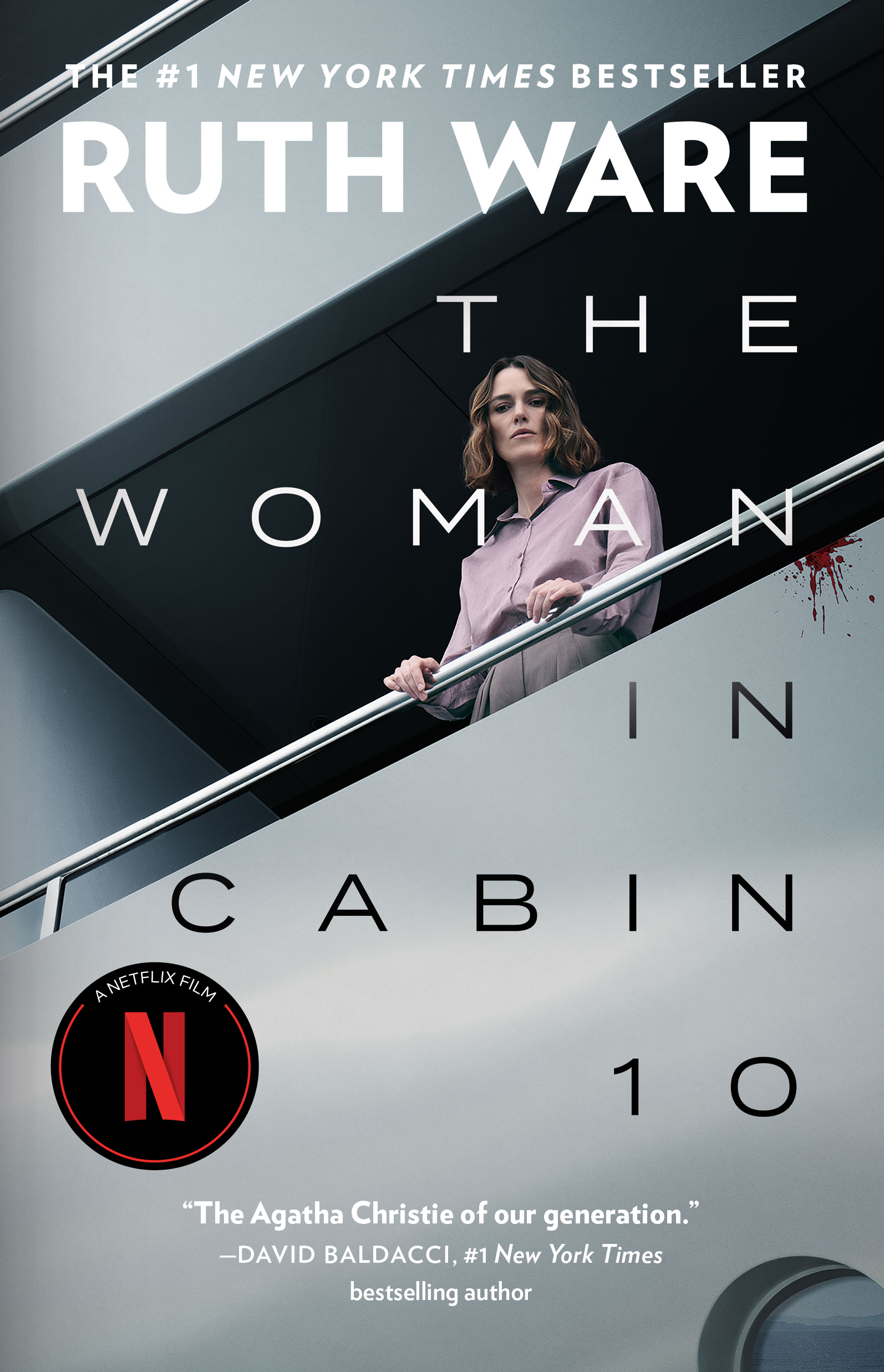
G'day, thrill-seekers! Picture this: a boozy journo trapped on a posh yacht, convinced she's seen a murder, but everyone's gaslighting her like she's lost the plot. The Woman in Cabin 10 by Ruth Ware ramps ...