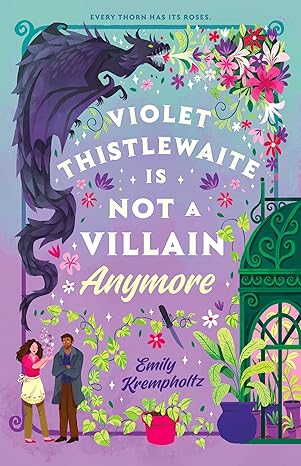
Violet Thistlewaite Is Not a Villain Anymore: 3 Fatal Flaws Explained | Book Review
A former murderer opens a flower shop and suddenly she’s Miss Congeniality? Violet Thistlewaite spent years terrorizing villages as the fearsome Thornwitch under evil sorcerer Guy Shadowfade, racking up bodies and dark magic like frequent flyer miles. Then bloke gets offed by a hero, and she decides “Yeah, nah, gonna sell petunias now.” The book wants you to believe this redemption arc is profound, but it’s about as convincing as a servo pie claiming to be gourmet.
The romance with grumpy alchemist Nathaniel Marsh barrels forward faster than a V8 on the highway, the magical plague subplot feels tacked on like a dodgy bumper sticker, and by the end you’re left wondering if Krempholtz actually understands what “cozy fantasy” means when she throws in explicit spice scenes that clash harder than thongs at a black-tie event.
Take a look:
- Why Violet’s villain-to-saint transformation feels faker than reality TV
- How the rushed romance undermines both main characters
- The magical plague that arrives conveniently when the plot needs stakes
- Why that sentient houseplant deserved its own bloody book instead
Detailed Summary
The Opening Gambit
The book kicks off with Violet Thistlewaite standing in the ruins of her former life after Guy Shadowfade, the dark sorcerer who raised her, has been killed by a hero. She’s told to “go, be good” and apparently that’s all the motivation she needs to completely overhaul her entire moral framework. No therapy, no gradual awakening, just an instant personality transplant that would make any psychologist’s head spin.
Violet decides Dragon’s Rest will be her fresh start—a quaint village where she’ll open a flower shop called The Steeped Thistle. She brings along Bartleby, her sentient houseplant who’s “mildly homicidal” (the book’s words, not mine, and honestly the only genuinely interesting character). The setup wants desperately to be whimsical but reads more like someone’s Stardew Valley fanfiction.
The first few chapters establish Violet as this sunshine-y, eager-to-please florist who just happens to have a dark past she’s desperately hiding. The cognitive dissonance is immediate—we’re told she committed murders and terrorized communities, but she acts like someone who once nicked a Mars bar from Woolies and feels guilty about it.
She rents a greenhouse space from Nathaniel Marsh, a grumpy alchemist running a struggling apothecary next door. Their first interactions are meant to be that classic “enemies to lovers” banter, but it’s more like watching two people who mildly irritate each other at the office.
Establishing Dragon’s Rest
Violet starts winning over the townsfolk with enchanted bouquets and cheerful customer service. Everyone falls for her charm immediately except Nathaniel, who remains skeptical because apparently being grumpy is his entire personality. The town includes various quirky characters like Pru (a violin-playing friend), Jerome the flower-allergic garden gnome, and assorted villagers who exist to be charmed.
The worldbuilding here is thinner than paper. We get vibes of a fantasy setting but barely any concrete details about how this world actually functions. Magic exists, there are different types of witches and magical practitioners, and… that’s about it.
Violet’s internal monologue constantly revolves around being “good” and doing “good things” but the book never really grapples with what that means beyond surface-level nice acts. It’s redemption arc lite—all the aesthetics of moral transformation with none of the actual heavy lifting.
The Greenhouse Drama
Nathaniel and Violet share the greenhouse space, which becomes the setting for their forced proximity romance. He’s dealing with his own trauma and a failing business, making him the grumpy to her sunshine. The problem? The grumpy/sunshine dynamic only works when both characters feel authentic, and here they both feel like cardboard cutouts of the trope.
Their bickering involves shop signs they put up outside their respective businesses—cutesy messages that are supposed to be charming but read like someone’s Pinterest board threw up on the page. Violet grows her plants, Nathaniel brews his potions, and they passive-aggressively communicate through signage like emotionally stunted teenagers.
The romantic tension builds in predictable beats: lingering glances, accidental touches, moments where they almost kiss but don’t. It’s Romance 101 with no actual chemistry to back it up. You’re told they’re falling for each other, but you don’t feel it.
The Blight Arrives
Right when the book needs an external conflict to justify its fantasy genre label, a mysterious magical blight starts threatening all plant life in Dragon’s Rest. Convenient timing, that. Suddenly Violet and Nathaniel must work together to solve this problem, because apparently neither the town nor any other magical practitioners can handle it.
The investigation into the blight is perfunctory at best. They examine some dying plants, have a few conversations, and the book expects you to be invested despite providing minimal stakes or tension. The pacing here accelerates like someone remembered they needed to wrap things up.
Violet’s past starts catching up with her through vague references and her own anxiety about being discovered. The book tries to build suspense around whether the town will accept her if they learn the truth, but since everyone’s been written as aggressively nice, there’s no real doubt about the outcome.
Relationship Development (or Lack Thereof)
Nathaniel and Violet’s relationship progresses from antagonistic to friendly to romantic so quickly you’ll get whiplash. One moment they’re trading barbs, the next they’re confessing feelings, and then boom—explicit sex scenes that feel like they wandered in from a completely different book.
The spice content clashes spectacularly with the cozy fantasy vibes the rest of the book cultivates. It’s like watching a G-rated Disney film suddenly pivot to a steamy romance novel for no reason. Readers who picked this up for wholesome cottage-core fantasy get blindsided by detailed bedroom scenes that serve no purpose except to meet some imaginary romantasy quota.
Nathaniel’s character development is particularly weak. His “grumpiness” is just surface-level surliness with no real depth. He’s struggling financially and emotionally, but we never truly understand why or what drives him beyond plot necessity.
Past Meets Present
A figure from Violet’s villainous past shows up—because of course they do. This confrontation is meant to be the emotional climax where Violet must face what she’s done and choose who she wants to be. The execution is rushed and lacks the emotional weight such a moment deserves.
The reveal of Violet’s past to the townspeople happens in a blur. There’s some initial shock, some hand-wringing about whether they can forgive her, and then everyone pretty much does because the book needs a happy ending. No real consequences, no lasting impact, just a quick forgiveness montage that undermines any attempt at serious moral reckoning.
The dark things Violet did are referenced but never shown in detail, which makes her redemption arc feel hollow. How can you gauge someone’s transformation if you don’t truly understand what they’re transforming from? The book wants to have its cake and eat it too—a protagonist with a dark past but without any of the actual darkness that would make the cozy vibes uncomfortable.
Defeating the Blight
The resolution of the magical plague feels anticlimactic. Violet and Nathaniel, with help from friends, figure out the source and fix it through the power of friendship and plant magic. The villain behind it (if you can call them that) is dispatched with minimal fuss.
There’s a moment where Violet must use some of her old dark magic to save the day, which is supposed to be this big character moment about accepting all parts of yourself. But it plays out like a checkbox on a redemption arc checklist rather than a genuinely earned character beat.
The Happy Ending
Everything wraps up neat as a pin. Violet and Nathaniel are together, her flower shop is thriving, his apothecary is doing better, the town loves her, and she’s officially forgiven herself and been forgiven by everyone else. It’s aggressively tidy in a way that feels unearned given how little actual conflict the book sustained.
The final chapters include more romantic scenes between the leads that are supposed to feel satisfying but mostly feel obligatory. We get assurances that this is just the beginning of their story (hello, book two in the contract), and everyone lives cozily ever after.
The message about goodness being something you do rather than something you are gets hammered home in case you missed it the first seventeen times. It’s a nice sentiment, but the book never explores it with any nuance or complexity.
Overall Plot Structure Issues
The entire narrative suffers from telling rather than showing. You’re told Violet was this fearsome villain, but you never see evidence of it in her character. You’re told she’s struggling with redemption, but she seems perfectly fine most of the time. You’re told the romance is passionate, but the chemistry is nonexistent.
Pacing is wildly inconsistent—glacial in the setup, rushed in the climax, with an ending that barrels through emotional beats that deserved space to breathe. The magical plague subplot feels like an afterthought, something added because “cozy fantasy” doesn’t mean “literally nothing happens” even if this book seems confused about that.
The worldbuilding is practically nonexistent beyond “generic fantasy village with magic.” No real sense of history, politics, culture, or how magic actually functions in this world. It’s all vibes and aesthetics with no substance underneath.
Characters
| Character | Description | Fatal Flaw |
| Violet Thistlewaite | Former villain turned florist with plant magic, the so-called Thornwitch | Her transformation from murderer to sweetheart is so abrupt and unconvincing it destroys any credibility. She has no real flaws to work through. |
| Nathaniel Marsh | Grumpy alchemist running a failing apothecary, Violet’s landlord and love interest | “Grumpy” is his only personality trait. His backstory is barely developed and his character arc is paint-by-numbers. |
| Bartleby | Sentient, mildly homicidal houseplant who threatens people with knives hidden in his pot | Literally the only interesting character in the entire book. Should have been the protagonist. |
| Pru | Violet’s friend who plays violin, part of the found family dynamic | Exists solely to support Violet’s arc with zero development of her own. Token quirky best friend. |
| Jerome the Gnome | Garden gnome allergic to flowers, meant to be whimsical comic relief | The “allergic to flowers” gag is his entire character. One joke stretched across 368 pages. |
| Guy Shadowfade | The dead dark sorcerer who raised Violet to be a villain | Already dead when the book starts, exists only in flashbacks and references. Convenient way to avoid actually showing the villain stuff. |
Violet Thistlewaite gets the most page time but the least actual character development. She starts the book wanting to be good and ends the book having been good with virtually no struggle in between. Her plant magic is vaguely defined—she can grow things really fast and do some unspecified dark magic stuff that’s never properly explained. The book tells us she’s grappling with guilt, but her actual behavior suggests someone who’s already completed therapy and is doing great, thanks for asking.
Her supposed internal conflict about deserving happiness feels manufactured because the book never lets her genuinely struggle. She makes friends easily, her business succeeds quickly, and the hot neighbor falls for her despite his reservations. Where’s the actual redemption arc? You can’t have a transformation story without showing the messy middle part, but this book skips straight from “was bad” to “is good” with nothing in between.
Nathaniel Marsh is the human equivalent of watching paint dry. His grumpiness is supposed to be endearing but mostly comes across as him being a bit of a knob for no good reason. We learn he’s got family issues and his business is struggling, but these backstory elements are dumped in exposition rather than woven organically into his character.
The chemistry between him and Violet is nonexistent until the book decides they’re in love, at which point they suddenly can’t keep their hands off each other. There’s no gradual build, no real emotional intimacy established before the physical stuff kicks in. He goes from finding her annoying to being desperately in love with minimal transition.
Bartleby the houseplant steals every scene he’s in because he’s the only character with actual personality. His homicidal tendencies and knife collection are played for laughs, and honestly, give me an entire book about this violent vegetation. At least he’s got edge, unlike literally everyone else.
Pru and the supporting cast are cardboard cutouts labeled “quirky fantasy townsfolk.” They exist to be charmed by Violet, support her when needed, and provide the found family vibes without any of them having actual inner lives. It’s lazy character work disguised as cozy worldbuilding.
The villain who shows up from Violet’s past is forgettable to the point where I’ve already forgotten their name. They’re less a genuine threat and more a plot device to force Violet’s secrets into the open.
Compare with other works
- Assistant to the Villain by Hannah Nicole Maehrer
Both books feature protagonists involved with villainy trying to navigate relationships, but Assistant to the Villain commits to its premise with actual humor and a protagonist who maintains her personality throughout. That series turned a TikTok concept into a New York Times bestseller by understanding that “cozy” doesn’t mean “boring” and “villain adjacent” can’t be sanitized into nothing.

Imagine watching your teeth fall out one by one while your pastor husband praises God for "cleansing" you. That's the nightmare Dark Sisters serves up. Kristi DeMeester crafts a folk horror masterpiece where the real ...

Early review — based on advance copies and pre-publication material. Veronica Roth walks Tris back to the Choosing Ceremony, changes one answer, and builds a whole hidden city under the one you remember. The synopsis, the ...
Violet Thistlewaite wants the same workplace comedy vibes but without the actual comedy or interesting workplace dynamics. Maehrer’s Evie Sage works FOR a villain and that creates ongoing tension and humor. Violet WAS a villain but instantly reforms, eliminating any interesting conflict.
- Legends & Lattes by Travis Baldree
The OG cozy fantasy about an orc opening a coffee shop after a life of violence actually earned its peaceful retirement arc. Baldree took 316 pages to show Viv’s transition from warrior to barista, giving space to the struggle of changing your life. The found family felt organic, the romance (what little there was) developed naturally, and the stakes—while small—actually mattered.
Violet Thistlewaite tries to copy the formula but rushes every element. Where Legends & Lattes was a slow pour-over coffee, this is instant from a jar—technically the same beverage but lacking all the nuance and care that makes it worth consuming.
- The Spell Shop by Sarah Beth Durst
Another 2024/2025 cozy fantasy about a magical woman opening a shop with a sentient plant assistant. The Spell Shop earned its Goodreads Choice Award nomination by having an actual plot, a protagonist with genuine social anxiety she works through, and worldbuilding that made sense. The romance between Kiela and her handsome neighbor developed over shared interests and genuine connection.
Violet Thistlewaite’s worldbuilding is practically nonexistent in comparison, the romance is rushed, and Violet’s character struggles feel performative rather than genuine. Both have sentient plants, but Durst’s Caz has personality integrated into the plot, while Bartleby is just quirky set dressing.
General Cozy Fantasy Comparison
This book represents everything wrong with the cozy fantasy trend—it’s cozy fantasy by checklist rather than by heart. Small town? Check. Found family? Check. Grumpy/sunshine romance? Check. Magic shop? Check. But ticking boxes isn’t the same as crafting a story.
The best cozy fantasies understand that “cozy” refers to tone and atmosphere, not the absence of conflict or meaningful character development. They’re comfort reads that still have substance. This feels like reading someone’s outline for a cozy fantasy rather than an actual completed work.
Achievement
Since “Violet Thistlewaite Is Not a Villain Anymore” hasn’t officially released yet (November 18, 2025 publication date), concrete sales figures aren’t available. However, here’s what we know:
Publishing Deal:
- Acquired by Berkley (Ace Books/Penguin Random House) in a six-figure pre-empt
- Two-book deal negotiated by Brent Taylor at Triada US
- Editor: Sareer Khader at Berkley
Pre-Release Reception:
- Goodreads rating approximately 4.17/5 stars based on 240+ ARC reviews
- NetGalley reviews mostly positive from advance readers
- Featured in fall 2025 cozy fantasy book lists
- Author has 32,000+ ratings/followers on Goodreads before book release
Comparative Context:
- Assistant to the Villain series by Hannah Nicole Maehrer sold millions, hit #1 New York Times bestseller
- Legends & Lattes by Travis Baldree became breakout 2022 hit with 300,000+ ratings on Goodreads
- The Spell Shop by Sarah Beth Durst was nominated for Goodreads Choice Award 2024
Marketing Push:
- Blurbs from USA Today bestselling authors India Holton and Julie Leong
- Positioned as major fall 2025 cozy fantasy release
- Book two already contracted, indicating publisher confidence
The six-figure pre-empt deal suggests strong publisher faith in the concept, and Emily Krempholtz’s background as a bestselling ghostwriter and book coach gave her industry connections. Whether that translates to actual sales success remains to be seen when the book officially releases.
Early reviews suggest it’ll find an audience among cozy fantasy fans willing to overlook weak characterization for wholesome vibes, but it’s unlikely to achieve the breakout status of genre-defining titles like Legends & Lattes.
Writing Quality
Krempholtz’s prose is serviceable but uninspired. It reads like someone who understands the mechanics of writing but hasn’t found their unique voice. Sentences are grammatically correct and properly structured, which is more than many debut authors manage, but there’s no spark, no memorable turn of phrase, nothing that makes you stop and reread because it was that well-crafted.
The dialogue is particularly weak—everyone sounds the same regardless of character. Violet and Nathaniel could swap lines and you wouldn’t notice because neither has a distinct voice. The “witty banter” reads like someone’s idea of what witty banter sounds like rather than actual engaging conversation.
Descriptions lean heavily on telling rather than showing. Instead of demonstrating Violet’s internal conflict through actions and choices, the book just has her think about how conflicted she is. Instead of building romantic tension through small moments and loaded glances, it announces “they’re attracted to each other now” and expects you to go with it.
The Spice Problem
The explicit sex scenes deserve special mention for how jarringly they clash with the rest of the book’s tone. You’re reading along, enjoying your cozy fantasy vibes about flower shops and quirky towns, and suddenly you’re in detailed erotica territory with absolutely no warning or tonal preparation.
It’s not that cozy fantasy can’t have spice—plenty of books blend the genres successfully. But it requires careful integration, not just dropping graphic scenes into an otherwise wholesome narrative like you’re playing romantic Russian roulette with your readers’ expectations.
Readers who wanted sweet fade-to-black romance feel ambushed. Readers who wanted substantial spice find it oddly placed and infrequent. Krempholtz tried to appeal to everyone and ended up fully satisfying no one.
What Could Have Saved It
Lean into the villain stuff: Show Violet actually struggling with her darker impulses rather than having her be inexplicably reformed from page one. Give her genuine flaws, actual temptations to fall back into old patterns. Make the redemption arc something she earns through difficult choices, not something that happens off-page before the book starts.
Develop Nathaniel properly: Give him an actual personality beyond “grumpy but secretly nice.” His financial struggles and family issues are mentioned but never explored meaningfully. Either commit to developing these threads or cut them entirely.
Fix the pacing: Slow down the romance, speed up the magical plague resolution, and give the ending room to breathe. Everything feels rushed or glacial with no middle ground.
Choose your genre: Is this cozy fantasy with sweet romance or is it romantasy with explicit content? Pick one and commit. The tonal whiplash is giving readers emotional whiplash.
Actual worldbuilding: Develop the magic system, explain how this society functions, give us history and context. The fantasy setting can’t just be aesthetic window dressing.
Final Verdict
“Violet Thistlewaite Is Not a Villain Anymore” is aggressively mediocre cozy fantasy that mistakes aesthetics for substance. It’s got all the surface elements trending in the genre right now but none of the heart that makes the best examples actually work.
The redemption arc rings hollow because Violet never seems like she actually needs redeeming—she’s too nice from the start for her villainous past to feel real. The romance is rushed and chemistry-free, elevated only by readers’ willingness to project better relationship dynamics onto the page than what’s actually written.
If you want to turn your brain completely off and vibe with wholesome fantasy shop-keeping content, this might scratch that itch. But if you want meaningful character development, genuine emotional stakes, or a romance you can actually root for, literally dozens of better cozy fantasy options exist.
Emily Krempholtz has the technical skills to write a competent book, but this debut feels more like a cozy fantasy generator churned out than something crafted with genuine passion. It’s the literary equivalent of frozen meals—technically food, not offensive, but utterly forgettable.
Rating: 2/5 stars – It’s not offensively bad, which somehow makes it worse. At least a disaster would be memorable.
Drop a comment below if you’ve read this or plan to—am I being too harsh? Did Bartleby’s knife collection make up for the weak plot for you? Let’s chat about whether cozy fantasy has lost the plot by playing it too safe.
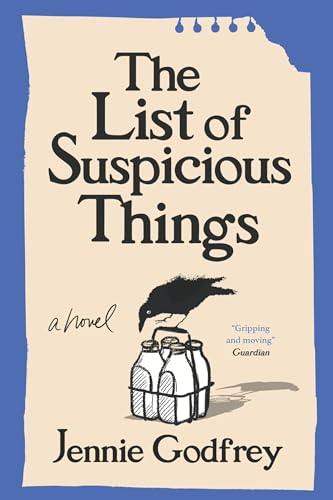
Quick Info Box Feature Details Author Jennie Godfrey Genre Historical Fiction / Coming-of-Age Mystery Series Standalone Tropes Child Detective, True Crime Backdrop, Best Friends Investigation, Silent Mother Mystery, Loss of Innocence, Small Town Secrets, Racism ...
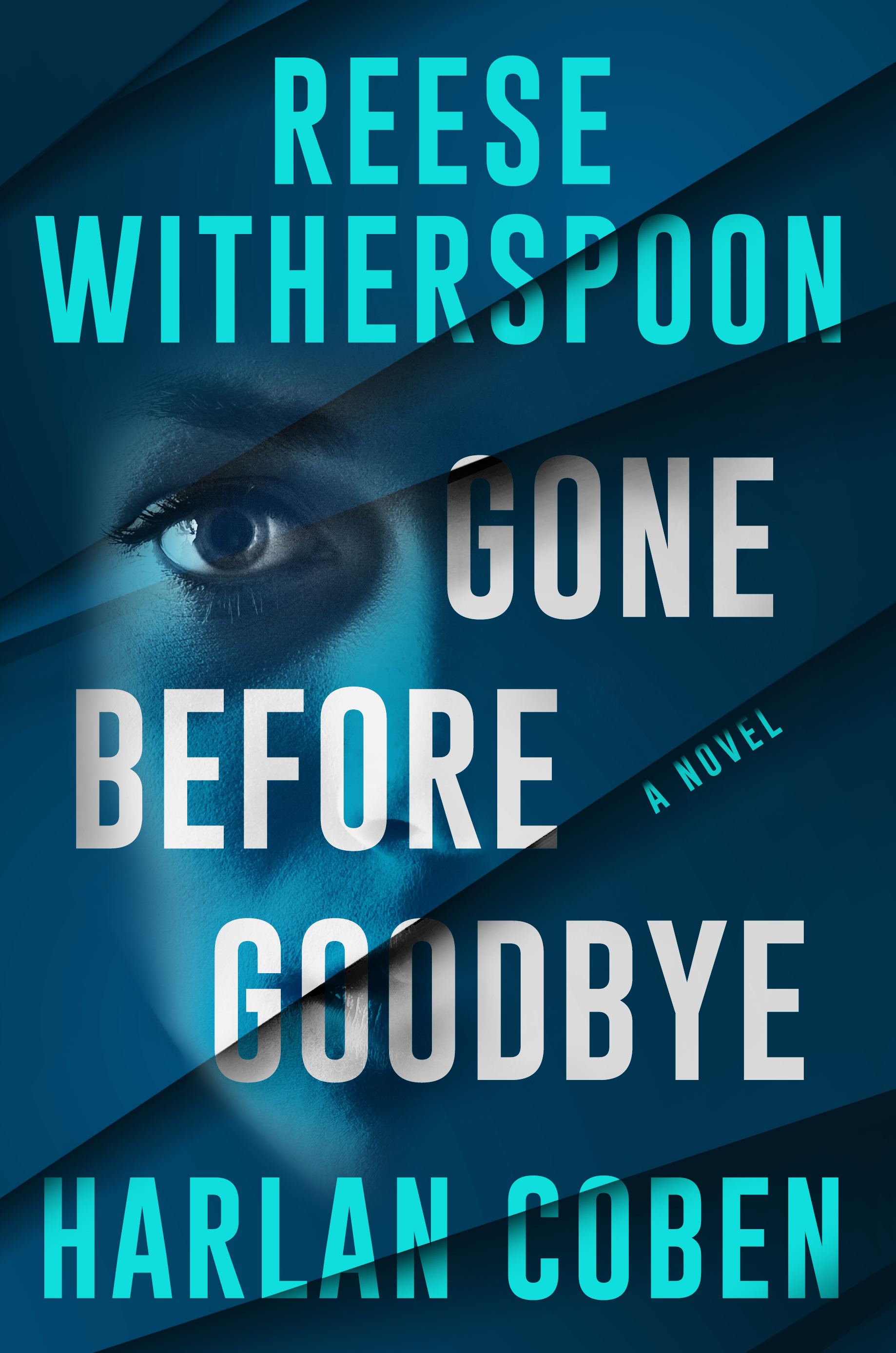
G'day mates, ever wondered if a celeb collab could crank out a thriller that actually thrills, or just leaves ya flat like a vegemite sandwich gone wrong? Gone Before Goodbye, penned by Reese Witherspoon and ...