The Sixth Faction Review: Does Tris Choose Dauntless?
Early review — based on advance copies and pre-publication material. Veronica Roth walks Tris back to the Choosing Ceremony, changes one answer, and builds a whole hidden city under the one you remember. The synopsis, the characters, the ARC consensus, and a provisional verdict — everything the blurb won’t tell you.
Veronica Roth went back to the Choosing Ceremony and changed the answer.
Fifteen years, 32 million copies, and one $765 million film trilogy after Divergent, The Sixth Faction finally answers the question fans have argued about since 2011: what if Beatrice Prior hadn’t chosen Dauntless?
And here’s my contrarian take, straight up: the best thing in this book isn’t Tris’s choice at all. It’s the city Roth built underneath the one you already know — for the people the original trilogy treated as scenery.
That’s the review in one sentence. Now let’s get into it properly, because this is a strange, uneven, occasionally wonderful book.

The 10-Second Verdict
★★★½☆ — 3.5/5 stars (provisional early verdict)
Roth argues with her younger self in the most interesting way, then loses the argument in the final act.
- Read it if: you grew up on Divergent, you love an author revisiting their own work with a scalpel, or you always suspected the factionless were the best idea in the original trilogy.
- Skip it if: you wanted a straight sequel, you’re precious about canon, or “alternate universe” smells too much like officially licensed fanfic for your taste.
- The mood: nostalgic, underground, more thoughtful than propulsive.
Book at a Glance
| Detail | The Facts |
|---|---|
| Author | Veronica Roth |
| Publisher | HarperCollins |
| Release date | 6 October 2026 |
| Length | 528 pages |
| Series | Book 1 of 2 — The Last Testimony follows in 2027 |
| What it is | An alternate-universe retelling of Divergent, not a sequel, prequel, or spinoff |
| Early reader signal | 4.22 average from ~158 early Goodreads ratings, ~91 written reviews |
Detailed Summary
Same City, Same Knife, Different Girl
Chicago is still Chicago. Five factions, five virtues, one beaten-up skyline. Beatrice Prior is still sixteen, still small, still the Abnegation daughter secretly hypnotised by the Dauntless kids who leap off moving trains for fun.
She still takes the aptitude test. Tori still tells her she’s something the system wasn’t built to accommodate. So far, so 2011.
Then the Choosing Ceremony happens — and this is where Roth pulls the pin. A violent disruption hits the ceremony itself, and Beatrice walks up to the five bowls carrying a grief she did not have a few hours earlier. The choice she makes under that weight is not the one you remember. No spoilers on which faction’s bowl gets her blood — or whether any of them do — because the reveal is one of the few cards this book holds close.
What we know from advance material: the tragedy at the ceremony rearranges the lives of every initiate in the room, and Beatrice’s resulting decision puts her on a collision course with an underground rebellion that no faction officially admits exists. And into the orbit of a Dauntless boy who answers to a number.
The City Beneath the City
Here’s the thing that genuinely surprised me in the advance material. The Sixth Faction’s biggest invention isn’t the plot twist. It’s the factionless.
In the original trilogy, the factionless were a cautionary tale — homeless, jobless, the boogeyman your parents invoked when you threatened to fail initiation. This book hands them a civilisation. Guilds. Safe houses. A whole quiet structure humming beneath the official one, with its own vocabulary and its own rules.
The Mender — a side character in deep plum and gold rings — has already become the advance-read crowd’s favourite, and it’s easy to see why. In a handful of pages, Roth sketches someone the original trilogy would have spent three books ignoring.
And the “sixth faction” of the title? That’s the tease. The society still runs on five official factions. The sixth is the one that isn’t supposed to exist — the Divergent, the factionless, everyone the system sorted into the bin.
A Girl With Many Eyes
Structurally, this is not Divergent’s single POV. The Sixth Faction rotates viewpoints, and the two big additions are Four — yes, that Four, the boy with only a number for a name — and Caleb.
Four’s chapters reportedly carry an adult weariness that suits the older voice of this book. Roth is 37 now, not 22, and readers coming from her adult novels (Chosen Ones, Poster Girl, Arch-Conspirator) will recognise the register: sentences that sit lower in the chest, less reactive, more observational.
Caleb benefits most from the structure. In the original trilogy, Beatrice’s brother was mostly a plot device wearing a cardigan. Giving him his own chapters reportedly makes his choices land with real weight — right up until the ending, where the acceleration problem kicks in. More on that below.
The Middle Stretch
Advance readers are broadly consistent on one point: the pacing. The opening is quick, the final 10 per cent reportedly ramps up hard, and the middle — where Beatrice settles into life among the factionless — slows considerably.
The trade-off is that the middle is where the worldbuilding lives, and the worldbuilding is the best part of the book. The Abnegation Memory Vault, the original trilogy’s vaguest mechanic, gets a genuine reframing that turns it morally pointed. Even the faction loyalists get more scepticism this time around, which reads like Roth arguing with her own 22-year-old worldview.
A few quiet two-person scenes — a mother and daughter in an alley, a brother and sister whispering between bedroom windows — are reportedly carrying more emotional charge than the action set pieces. Make of that what you will about where the budget went.
Where It Gets Messy
The ARC consensus has three recurring complaints, and they rhyme.
One: late-stage beats echo Allegiant closely enough that anyone who survived that ending will see the pivots coming from a few suburbs away. Two: Caleb’s arc rushes its landing — better served all book, then hurried across the finish line. Three: the factionless rebellion’s politics never get the page count they deserve. The hidden civilisation is more interesting than what it eventually does, which is a genuinely weird failure mode for a 528-page book.
And the romance? Slower to develop than the original. Some early readers appreciate the restraint after 2011’s instalove-on-a-train. Others found it underfed, given how much real estate that relationship occupied in the first trilogy.
Characters
Beatrice “Tris” Prior
Still small, still stubborn, still the girl who makes one choice that changes everything. But this version is written by a Roth with fifteen more years of craft and hindsight, and it shows — less reactive, more observant, a protagonist who notices the cross-stitch above the sink instead of just the sword on the wall. The ARC crowd’s main quibble is that the deck still gets stacked in her favour. Some things survive any universe.
Four (Tobias Eaton)
The boy with only a number for a name, returned from a different angle. Early readers who know his silhouette well say the new approach makes him feel like his own person rather than fan service — his chapters carry the book’s most grown-up voice. If you were a Four girl in 2011, pack accordingly.
Caleb Prior
The most improved player on the roster. His own POV chapters give Beatrice’s meticulous, quietly hungry brother an interior life the trilogy never bothered with — until the ending compresses his arc in a way that has already divided early readers.
The Mender
Deep plum. Gold rings. A factionless fixer who becomes a small marvel of characterisation inside a few pages. Keep both eyes on this one — advance readers are already asking for a whole book about her.
Marcus Eaton
Four’s father, still wearing his face like a sealed envelope. Present, dreadful, and reportedly deployed with more restraint than you’d expect.
Jeanine Matthews
Erudite’s scalpel-in-a-smile poster woman, still smiling, still sharp, still the systemic villain the factionless have actually been living under all along.
Quick Reference Table
| Character | Role | The Goss |
|---|---|---|
| Beatrice “Tris” Prior | Protagonist | Same girl, new grief; notices more, reacts less |
| Four | POV character, love interest | Adult weariness in a YA body; not fan service |
| Caleb Prior | Brother, POV character | Most improved — until the rushed ending |
| The Mender | Factionless fixer | Plum coat, gold rings, steals the whole book |
| Marcus Eaton | Four’s father | Sealed envelope, still dreadful |
| Jeanine Matthews | Erudite antagonist | The scalpel is back, with better context |

Compare With Other Works
| Book | The Vibe | How It Compares |
|---|---|---|
| Divergent (Roth, 2011) | The original | Same opening beats, deliberately — then the wall moves |
| Allegiant (Roth, 2013) | The flawed finale | Sixth Faction’s prose is sharper; its late beats echo it too closely |
| Life and Death (Meyer, 2015) | Twilight AU | The other famous “author rewrote their own hit” — lighter touch, less intent |
| Poster Girl (Roth, 2023) | Adult dystopia | The mature voice Sixth Faction borrows for its POV chapters |
| Legend (Lu, 2011) | Dual-POV dystopia | The structural cousin for the POV rotation |
| The Giver (Lowry, 1993) | Engineered conformity | The quiet, memory-obsessed grandparent of this whole genre |
The one-line hierarchy for Roth fans: this sits above Carve the Mark, below Divergent, and comfortably in the same conversation as Chosen Ones — her adult instincts wearing a teenage hoodie.
Achievements
The receipts, before the book has even hit shelves — this is one of the most loudly pre-announced YA releases of 2026.
| Milestone | Detail |
|---|---|
| Announcement | Revealed live at BookCon New York, April 2026 |
| Media rollout | Exclusive first interviews and excerpts in ELLE, USA Today, and People |
| Franchise pedigree | Original trilogy has sold over 32 million copies worldwide |
| Film legacy | The three Divergent films grossed $765 million globally |
| Reader demand | ~36,800 Goodreads users have marked it “want to read” pre-release |
| Early reception | ~158 early ratings averaging 4.22 on Goodreads before publication |
| Editions | Released simultaneously in standard, deluxe, and trade limited editions |
| Author status | #1 New York Times bestselling author |
An announcement covered by Deadline, Polygon, and Mashable within a week of BookCon — plus a second Roth novel (Seek the Traitor’s Son) already on shelves from May 2026 — makes this the most high-profile return to a YA franchise since Meyer dipped back into Twilight. The machine is fully behind this one.
What Works / Where It Hurts
What works:
- The factionless civilisation — guilds, safe houses, the Mender — is the best worldbuilding Roth has done in a decade
- The prose has visibly aged up: quieter, more textured, less reactive
- Four’s POV earns its pages instead of renting them
- Caleb finally gets an interior life worth reading
- The Memory Vault reframing turns the original’s vaguest mechanic into a moral question
Where it hurts:
- The middle sags while Beatrice settles into factionless life
- Late-stage beats echo Allegiant hard enough to be predictable
- Caleb’s ending is rushed after a book of slow build
- The romance is underfed for anyone here primarily for Four
- At least one ARC reviewer has called it, bluntly, “reading fanfiction” — similar events, different people. They’re not entirely wrong, and your tolerance for that will decide your star rating
The Verdict
Rating: 3.5 out of 5 stars — provisional early verdict.
Here’s the honest wrap, with the usual early-review caveats: this is a verdict on advance material, and the final published text may shift a beat or two.
The Sixth Faction is a smarter, sadder, slower book than Divergent, written by someone who has spent fifteen years thinking about what she got right and what she got wrong at 22. When it trusts itself — the underground city, the Mender, the quiet two-person scenes — it’s the best thing Roth has written since Chosen Ones. When it leans on the original’s scaffolding — the Allegiant echoes, the rushed Caleb ending, the fanfic-shaped beats — it’s a very polished cover band playing your favourite album.
Read it if the premise makes your chest do something. Wait for reviews if you’re precious about the canon. Either way, book two — The Last Testimony, due 2027 — is now on my radar, which is more than I expected to say about a Divergent book in 2026.
FAQ
Does Tris choose Dauntless in The Sixth Faction?
No — that’s the entire premise. A tragedy at her Choosing Ceremony sends her choice somewhere else, and the book is about where that lands her. The specific faction, or lack of one, is the book’s best-kept reveal.
Is The Sixth Faction a sequel to Divergent?
No. Roth has been explicit: not a sequel, not a prequel, not a spinoff, not a retelling from another POV. It’s an alternate universe where one choice goes differently.
Do I need to read the original trilogy first?
Not strictly — advance readers say it works as a standalone dystopia. But you’ll feel maybe 30 per cent less of it. The original is short. Read it.
Is Four in it?
Yes, and he gets his own POV chapters, written with what early readers describe as an adult weariness that suits the book’s older voice.
Is there a second book?
Yes. The Sixth Faction is book one of a duology; The Last Testimony is expected in 2027.
Is it suitable for young teens?
It’s listed for ages 13–19, in line with the original trilogy. Dystopian violence and grief are present; nothing beyond what the genre demands.
Over to you — are you team “Roth finally fixed the factionless” or team “this is expensive fanfic with a publisher”? Drop a comment below with your faction and your verdict. If you’ve read an ARC, no spoilers in the first line, cheers.
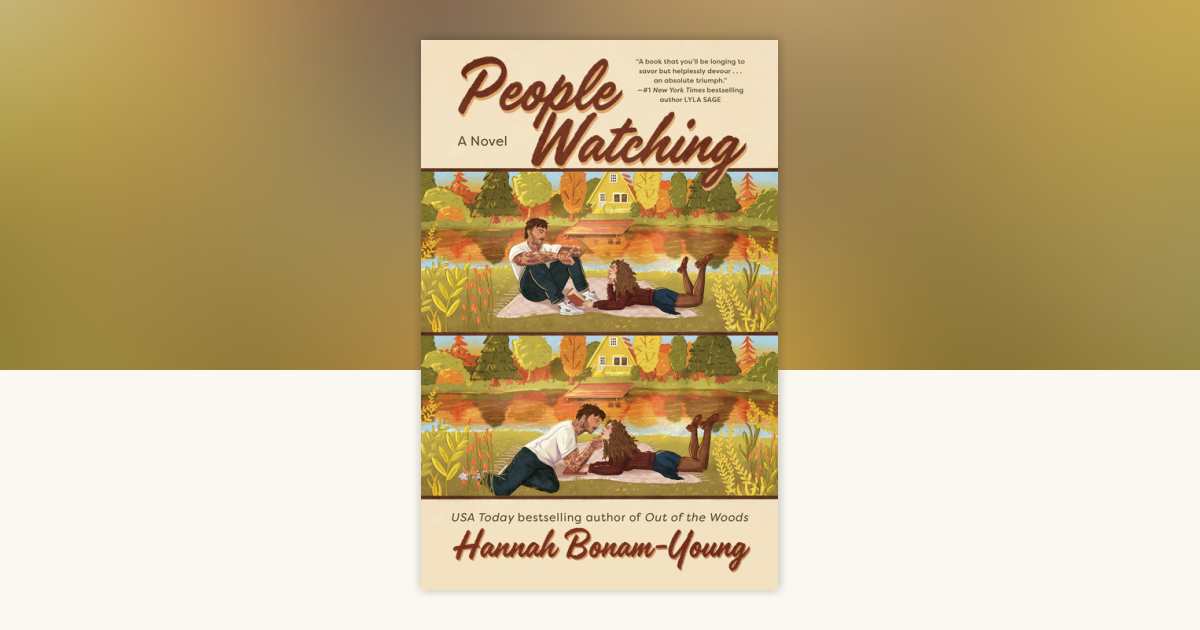
Twenty-four-year-old Prue sacrifices everything to care for her mum with early-onset Alzheimer's in small-town Ontario, writing poetry between shifts at the family servo. Then tattooed wanderer Milo rolls into town in his dodgy van, and ...
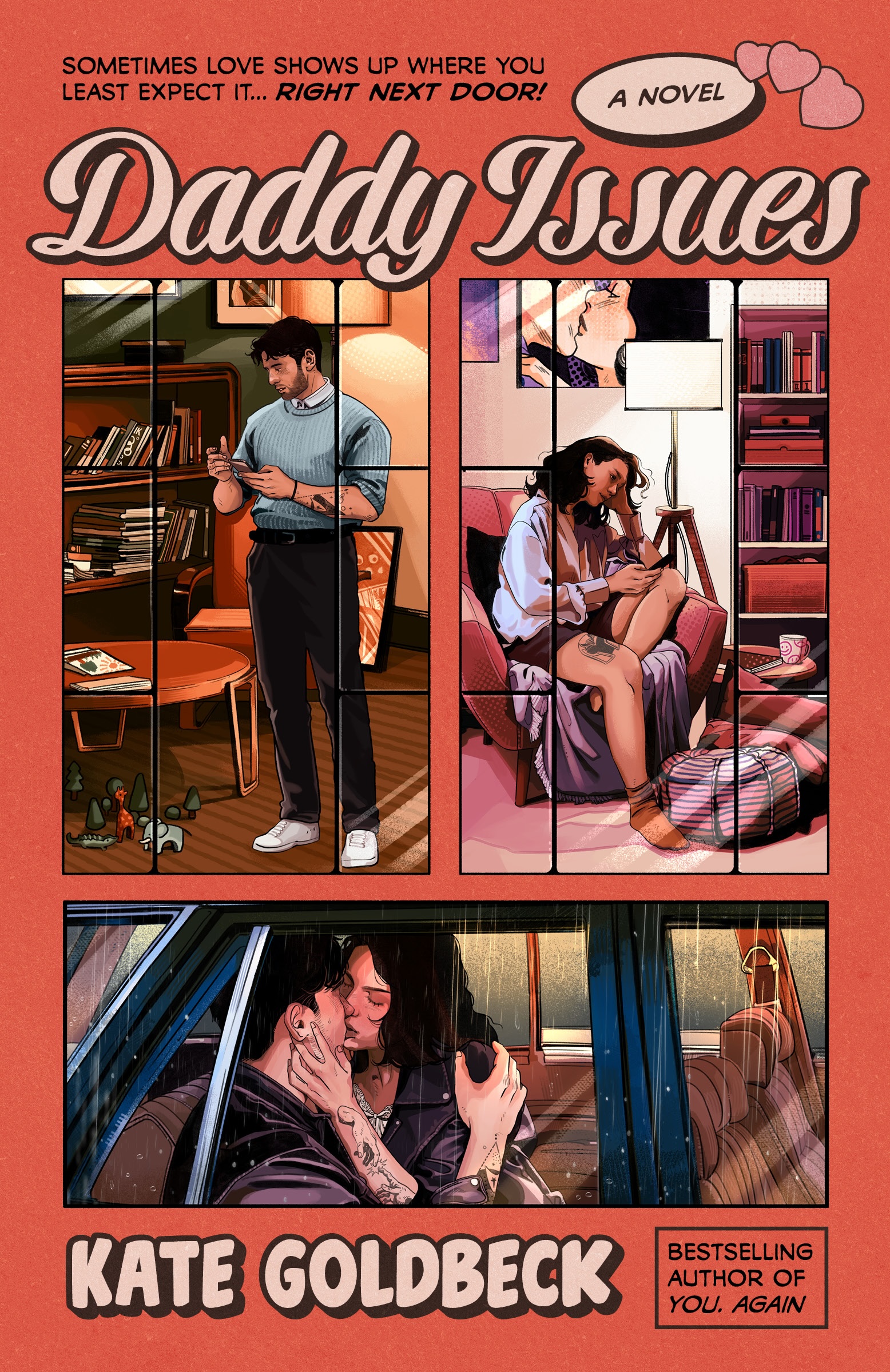
A 26-year-old barista stuck in her mum's condo shags a 39-year-old Chili's manager with a 9-year-old daughter, and somehow this is meant to be romantic? Kate Goldbeck's sophomore novel serves up a quarter-life crisis wrapped ...