Book Review: Dawn of the Firebird & 7 Reasons It Fails Fantasy
A girl with heavenly magic infiltrates an enemy academy, manipulates her own memory, and trains under cutthroat monks to avenge her slaughtered clan.
Sounds epic? Not quite.
Sarah Mughal Rana’s adult fantasy debut promised a rage-fuelled revenge story inspired by The Poppy War and She Who Became the Sun, but what readers got was 480 pages of confusing worldbuilding, an insufferable protagonist, and endless bird metaphors that’ll make you want to hurl the book across the room.
Notes:
- Why 185+ Goodreads reviewers are divided on this book
- The shadow creature that’ll confuse you til the last page
- How Khamilla’s character stays flat for 400+ pages
- The TV prequel that got announced before anyone finished reading

Detailed Summary
Part One: The Usur Nomad
Khamilla Zahr-zad begins her life unnamed, a child of two worlds who belongs to neither.
Raised by her mother in the nomadic Usur tribe, young Khamilla learns the ancient art of storytelling, weaving tales under vast open skies while her people move across harsh plains.
Her father? An untouchable emperor who never claimed her, viewing his half-barbarian daughter as an embarrassment to his refined court.
Everything shatters when enemy forces raid her village in a blood-soaked attack that leaves bodies scattered across the grasslands.
Amid the chaos of slaughter and screaming, Khamilla’s latent power awakens: nur, the heavenly magic that bonds humans to celestial firebirds, cranes, and ravens.
This cosmic light erupts from her hands, marking her as valuable for the first time in her miserable existence.
Her mother dies. Her tribe scatters.
Suddenly, the emperor wants her.
Part Two: The Palace Viper
Khamilla arrives at her father’s palace not as a daughter but as a weapon to be sharpened.
The court doesn’t welcome her with open arms—they greet her with poison in gilded cups and daggers hidden behind silk sleeves.
Her father barely acknowledges her humanity, viewing her nur magic as a tool to maintain his crumbling throne against rival empires.
She trains relentlessly in combat techniques that would break lesser fighters, learning to wield blades with lethal precision while simultaneously studying the intricate science of poisons.
Every meal could be her last. Every smile hides a potential assassin.
Her siblings? They’re competitors, not family, each vying for imperial favor in a game where second place means death.
Khamilla learns to survive by becoming what the palace demands: cold, calculating, and utterly devoted to her father’s throne.
She suppresses her Usur heritage, buries her grief, and pledges absolute loyalty to an emperor who views her as disposable.
But the palace proves no safer than the grasslands.
Part Three: The Fall
War erupts again, and this time Khamilla’s fragile place in the world crumbles completely.
A rival empire launches a calculated assault, assassinating key members of her father’s clan in brutal executions that leave Khamilla reeling.
Her father’s empire collapses. His throne topples.
Everything she sacrificed, every piece of herself she destroyed to earn his acceptance—gone in a night of blood and fire.
Khamilla barely escapes with her life, fleeing into the wilderness with nothing but her rage and her nur magic.
The rival empire that destroyed her second home originates from Za’skar, a legendary city known for its magical scholarship and fearsome warrior monks.
They possess powerful jinn magic and command armies of soldiers trained in both mystical arts and brutal martial combat.
Khamilla makes a decision that will define everything that follows: she will infiltrate Za’skar’s elite army academy.
She will learn their secrets, master their techniques, and destroy them from within.
Vengeance becomes her only religion.
Part Four: The Infiltrator
Disguising her identity, Khamilla enters Za’skar’s prestigious military academy as a new recruit.
The city dazzles with its architecture, libraries overflowing with ancient texts, and streets where magic flows as freely as water.
But Khamilla can’t afford to be seduced by beauty—she’s here to become their executioner.
The academy proves merciless. Students compete in brutal contests that leave the weak broken and bleeding.
Cutthroat mystic monks serve as instructors, teaching combat forms that blend physical violence with spiritual warfare.
Khamilla must outperform soldiers who’ve trained their entire lives while hiding the fact that she possesses the same nur magic her “enemies” wield.
She studies jinn lore, learning about the spiritual entities that grant power to those brave or foolish enough to form bonds with them.
She practices martial arts until her body screams, mastering fighting styles that would impress even her palace trainers.
Part Five: The Darkness Within
As Khamilla excels at the academy, something sinister begins to shadow her every move.
A creepy, sentient darkness lurks at the edges of her consciousness, whispering promises of power if she’ll only surrender to it.
This shadow creature feeds on her rage, growing stronger with every act of violence she commits.
Khamilla realizes she’s been using a forbidden technique: manipulating her own memories to cope with trauma.
Every time the pain becomes unbearable, she buries it, severing parts of herself to maintain her focus on revenge.
But this self-mutilation of memory comes at a cost she doesn’t yet understand.
The more she suppresses, the more the shadow grows.
She forms unexpected connections at the academy—fellow students, the pazktab children she begins to care for, and instructors who challenge her worldview.
These relationships crack the scorched earth of her emotional landscape, forcing her to confront uncomfortable truths.
Part Six: The Awakening
Khamilla’s studies expose her to historical texts that directly contradict everything her father taught her about war, honor, and empire.
The “barbarians” he demonized? They were defending themselves from his imperial aggression.
The “righteous” wars he waged? Naked power grabs wrapped in noble rhetoric.
Her father’s teachings of governance and duty? Propaganda designed to justify tyranny.
She begins questioning whether revenge will truly heal her wounds or simply create more corpses to haunt her dreams.
The academy offers her something she never had at the palace: genuine respect earned through skill rather than fear.
Instructors like Yabghu and companions like Eliyas see her not as a weapon but as a person capable of growth.
But the shadow creature grows impatient, demanding she fulfill her original mission of destruction.
Part Seven: The Impossible Choice
War spreads across the kingdoms like wildfire, consuming cities and lives with equal indifference.
A new, twisted form of magic begins overtaking the land—something corrupt that perverts the sacred bonds between humans and celestial beings.
Khamilla discovers this dark magic is connected to the shadow that’s been haunting her, a manifestation of trauma and rage given form.
She faces a brutal choice that will determine not just her fate but the fate of countless innocents.
Does she pursue vengeance, destroying Za’skar and everyone in it to avenge her fallen clan?
Or does she embrace salvation, breaking the cycle of violence that’s defined her entire existence?
The climax arrives in a whirlwind of revelations, as Khamilla learns the true nature of nur magic, the origins of her shadow companion, and the real reason her father’s empire fell.
Part Eight: The Cliffhanger
The book concludes with a jaw-dropping twist that recontextualizes everything readers thought they understood.
Khamilla makes her choice, but the consequences ripple outward in ways she never anticipated.
New enemies emerge. Old allies reveal hidden agendas.
The shadow creature’s true identity is finally revealed in the final pages, leaving readers gasping.
Multiple plot threads are deliberately left unresolved, setting up the sequel with frustrating effectiveness.
Questions about Khamilla’s father, the nature of jinn bonds, and the spreading corruption remain maddeningly unanswered.
Rana ends on a cliffhanger that guarantees readers will either frantically preorder the sequel or throw the book in rage.
Characters?
Khamilla Zahr-zad
The protagonist who’ll test your patience like no other character in recent fantasy.
She starts as an unnamed nomad child desperate for belonging, which honestly works in the opening chapters.
But as the story progresses, Khamilla remains frustratingly juvenile, making the same emotional mistakes repeatedly without meaningful growth.
She’s marketed as “highly intelligent and ruthless,” yet constantly fails to see obvious betrayals coming.
Her ability to manipulate her own memories creates fascinating psychological territory, but the execution feels half-baked.
She uses nur magic as a coping mechanism rather than confronting her trauma, which could be compelling if explored with more depth.
Instead, she cycles through the same emotional beats: rage, self-pity, determination, rage again.
Her voice remains oddly unchanged despite supposedly “maturing” through brutal experiences.
By page 400, you’ll want to shake her and demand actual character development.
The ending finally shows some introspection, but it arrives too little, too late for readers who’ve suffered through her adolescent decision-making.
The Emperor (Khamilla’s Father)
A distant, emotionally abusive tyrant who values Khamilla solely for her magical abilities.

In Your Dreams is a small-town, friends-to-lovers, chef‑meets‑farmer romance set in Rome, Kentucky, where burned‑out chef Madison Walker returns home to open a farm‑to‑table restaurant with her brother’s best friend, James Huxley.[1][2] It’s ideal for ...
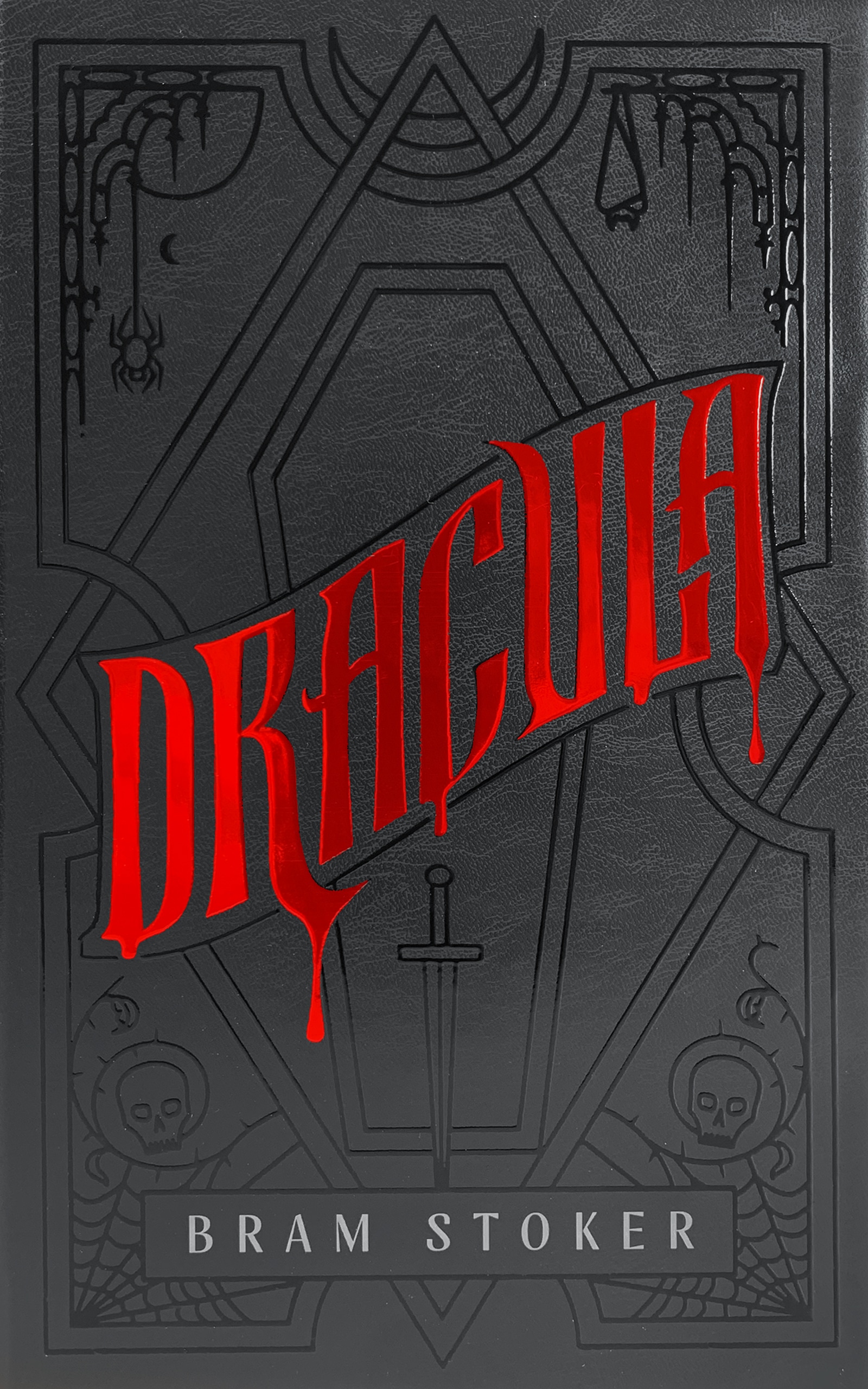
Picture this: a bloke trapped in a castle with a creepy old count who crawls down walls like a bloody gecko, three randy vampire ladies, and absolutely no way out except climbing down a cliff. ...
He embodies toxic imperial masculinity, viewing his children as political assets rather than human beings.
His refusal to acknowledge Khamilla’s humanity drives much of her desperate need for validation.
The historical texts Khamilla later discovers reveal him as a propagandist who justified conquest through manufactured nobility.
His fall from power happens off-page, which feels like a missed opportunity for emotional payoff.
Eliyas
One of the few bright spots in the character roster, mentioned positively in multiple reviews.
He appears early in Khamilla’s journey and provides genuine emotional connection.
His relationship with Khamilla offers glimpses of who she could become if she released her death grip on vengeance.
The text doesn’t provide extensive details about his role, but readers consistently cite him as memorable and well-developed.
Yabghu
An instructor or mentor figure at the Za’skar academy who challenges Khamilla’s worldview.
Represents the wisdom and alternative perspective Khamilla desperately needs but initially resists.
His teachings about war, power, and governance directly contradict the emperor’s propaganda.
He treats Khamilla with the respect her father never offered, which creates cognitive dissonance for her.
The Pazktab Children
A group of children Khamilla encounters during her academy training who crack through her emotional armor.
They represent innocence in a world consumed by war and political machination.
Khamilla’s gradual warming toward them shows her capacity for care beyond revenge.
Multiple reviewers note this as the only area where Khamilla demonstrates actual character growth.
The Shadow Creature
A sentient, creepy entity that stalks Khamilla throughout the narrative, feeding on her darkness.
Its true nature remains mysterious until the final revelations, keeping readers guessing about whether it’s enemy, ally, or manifestation of Khamilla’s fractured psyche.
The shadow grows stronger as Khamilla suppresses memories and embraces violence.
It whispers promises of power while seemingly working toward its own agenda.
The creature’s connection to the corrupted magic spreading across the kingdoms suggests larger implications for the trilogy.
Khamilla’s Mother
A nomadic storyteller from the Usur tribe who represents Khamilla’s lost heritage and innocent childhood.
She dies in the opening raid, catalyzing Khamilla’s transformation from storyteller-in-training to weapon.
Her memory haunts Khamilla, though the protagonist actively suppresses these painful recollections.
The Mystic Monks
Cutthroat instructors at Za’skar’s academy who train students through brutal, eliminationist teaching methods.
They blend combat techniques with spiritual warfare, creating warriors who command both physical and magical power.
Their harsh methods mirror the palace’s toxic environment, suggesting systemic violence transcends individual empires.
| Character | Role | Development Arc | Reader Reception |
|---|---|---|---|
| Khamilla | Protagonist/Infiltrator | Minimal until final chapters | Divisive – “insufferable” vs “fascinating” |
| The Emperor | Abusive Father/Tyrant | Static antagonist | Effectively hateable |
| Eliyas | Early Ally/Friend | Positive influence | Consistently praised |
| Yabghu | Mentor/Instructor | Wisdom provider | Well-received |
| Shadow Creature | Mysterious Entity | Evolving threat | Intriguing but confusing |
| Pazktab Children | Innocents | Catalyst for Khamilla’s growth | Appreciated addition |
Compare With Other Works
The Poppy War by R.F. Kuang
Dawn of the Firebird desperately wants to be The Poppy War but lacks the narrative discipline to pull it off.
Both feature war orphans who infiltrate elite academies, master forbidden magic, and descend into moral darkness.
But where Kuang’s Rin undergoes a devastating transformation rooted in historical atrocities, Khamilla’s arc feels juvenile and unfocused.
The Poppy War earned its brutality through tight prose and unflinching examination of war crimes inspired by the Rape of Nanking.
Rana’s violence feels almost performative by comparison—trying to be edgy like “a 14-year-old boy adding every dark thing to his D&D campaign.”
Kuang’s magic system (shamanism, gods, psychedelics) integrates seamlessly with plot and theme.
Rana’s nur magic remains confusing throughout, with Khamilla pulling new powers out whenever battles require deus ex machina solutions.
The Poppy War’s pacing maintains relentless momentum; Dawn of the Firebird staggers badly in its bloated middle sections.
Kuang trusts readers to handle complexity; Rana info-dumps constantly without meaningful payoff.
She Who Became the Sun by Shelley Parker-Chan
Another comp title that Dawn of the Firebird fails to match.
Parker-Chan’s protagonist Zhu transforms herself through sheer will, claiming a dead boy’s identity to escape starvation and achieve impossible destiny.
Her journey explores gender, identity, and ambition with psychological depth that makes you question morality itself.
Khamilla’s identity struggles feel surface-level by comparison—she’s caught between two cultures but never meaningfully engages with what that duality could teach her.
She Who Became the Sun features political intrigue that feels organic, with factions pursuing logical goals through believable strategies.
Dawn of the Firebird’s politics, while ambitious, lack the consistency to fully land.
Parker-Chan’s prose sings with controlled beauty; Rana’s oscillates between lovely description and jarring sentence construction.
Both books end on cliffhangers, but She Who Became the Sun earns reader investment through superior character work.
The Will of the Many by James Islington
The third comp title promises academy infiltration and political machination.
Islington delivers a magic system based on hierarchical power transfer that readers can actually understand.
His protagonist Vis navigates academy politics with intelligence that feels earned rather than informed.
Dawn of the Firebird’s academy section—which should be the book’s strongest element—instead becomes its weakest.
Where Islington builds tension through clever plotting, Rana relies on repetitive training montages and confusing battle descriptions.
Dune by Frank Herbert
Several reviewers note Dawn of the Firebird reminds them of Dune in its intricate politics and cultural worldbuilding.
Both feature desert/nomadic peoples with deep cultural traditions facing imperial forces.
Herbert’s Fremen earn reader respect through detailed anthropological worldbuilding; Rana’s Usur tribe feels sketched rather than inhabited.
Dune’s politics operate on multiple levels simultaneously (economic, religious, military, ecological); Dawn of the Firebird attempts similar complexity but lacks the narrative architecture to support it.
The Birth of a Dynasty (unspecified work)
Early sections of Dawn of the Firebird apparently evoke this comparison before pivoting toward Poppy War territory.
The shift in tone and structure contributes to the book’s identity crisis.
| Comparison | Similarity | Where Dawn of the Firebird Falls Short |
|---|---|---|
| The Poppy War | War orphan, academy infiltration, dark magic descent | Lacks narrative discipline, juvenile protagonist, confusing magic system |
| She Who Became the Sun | Identity struggle, political intrigue, epic scope | Surface-level identity exploration, inconsistent politics, weaker prose |
| The Will of the Many | Academy infiltration, hierarchical magic | Weak academy section, incomprehensible battles, unearned intelligence |
| Dune | Nomadic culture vs empire, intricate politics | Sketchy worldbuilding, lacks architectural complexity |
Achievement
Pre-Publication Hype
Dawn of the Firebird secured a TV prequel series deal with Jabal Entertainment before the book even released—announced October 2, 2025.
The series will explore the world’s backstory, banking on anticipated success of the main trilogy.
This represents significant industry confidence in Rana’s commercial potential despite mixed early reviews.
Publisher Support
Bloomsbury Publishing invested heavily in this debut, releasing it simultaneously across multiple territories (UK, Australia, US) on December 2-4, 2025.
They produced a deluxe limited edition through HarperCollins Canada at $39.50, signaling premium positioning.
The book spans 480 pages, demonstrating publisher willingness to support Rana’s ambitious worldbuilding.
Multiple special editions, including signed copies and Fairyloot exclusives, indicate strong pre-order expectations.
Author Platform
Sarah Mughal Rana brings 27,900 TikTok followers and 720,200 likes, establishing her as a BookTok personality before her adult fantasy debut.
She co-hosts “On the Write Track Podcast,” providing industry connections and promotional platform.
Her YA debut Hope Ablaze achieved a 3.95/5 rating with 902 reviews and 259 reader reviews on Goodreads.
She’s currently pursuing an MPhil in Global Area Studies at Oxford University (St. Anthony’s College), lending academic credibility to her research-heavy fantasy worldbuilding.
Review Metrics
As of late November 2025, Dawn of the Firebird accumulated 185+ reviews on Goodreads before official publication.
The ARC (Advance Review Copy) distribution through NetGalley reached hundreds of reviewers across multiple platforms.
The book sparked intense discussion on BookTok, Reddit’s r/Fantasy, and book review blogs—controversial reception often correlates with commercial attention.
Critical Recognition
Earned blurbs from Rebecca Ross (#1 New York Times bestselling author of Divine Rivals) and Ava Reid (#1 New York Times bestselling author of A Study in Drowning).
Shelf Awareness featured the book in their review section, providing literary legitimacy.
Multiple independent bookstores (Goldsboro Books, David’s Bookshops, Chapters) created special editions, suggesting trade enthusiasm.
Controversy Metrics
The book generated significant controversy around alleged review manipulation and author/family responses to negative reviews.
This drama, while unprofessional, paradoxically drives engagement and visibility in online book communities.
Social media discussions about the book’s reception may boost sales through the “any publicity is good publicity” principle.
| Achievement Category | Specific Numbers | Significance |
|---|---|---|
| TikTok Platform | 27,900 followers, 720,200 likes | Strong social media presence |
| Previous Book | Hope Ablaze: 3.95/5, 902 reviews | Established author reputation |
| Page Count | 480 pages | Ambitious scope |
| Pre-Publication Reviews | 185+ Goodreads reviews | High ARC engagement |
| TV Adaptation | Prequel series (Jabal Entertainment) | Major media deal before publication |
| Publisher Investment | Multi-territory release, deluxe editions | Significant promotional budget |
| Release Date | December 2-4, 2025 | Major holiday season positioning |
Why This Book Disappoints
The magic system remains incomprehensible despite 480 pages of exposition.
Nur bonds, jinn magic, heavenly connections, spiritual warfare—Rana throws terminology at readers without establishing clear rules or limitations.
Khamilla spontaneously develops new powers whenever plot demands, eliminating tension from combat scenes.
The worldbuilding suffers from opposite problems: simultaneously overwhelming with details yet somehow still feeling hollow.
Readers drown in foreign names, political factions, and cultural references that lack proper context or purpose.
The prose oscillates wildly between beautiful sensory description and clunky, jarring sentence construction that yanks you out of immersion.
Info-dumps plague the narrative, especially in the bloated middle section where Khamilla trains at the academy.
The pacing staggers badly—the opening hooks you, the middle drags interminably, and the ending rushes through revelations that deserved more space.
Khamilla’s voice never matures despite her supposedly transformative experiences, maintaining juvenile tone even after brutal character development.
Battle scenes prove nearly impossible to follow, with confusing choreography that leaves readers rereading passages without gaining clarity.
The constant bird imagery becomes exhausting—firebirds, cranes, ravens, endless avian metaphors that beat you over the head.
Final Verdict
Don’t waste your time unless you’re a completionist who needs to read every dark fantasy debut.
The 480 pages could’ve been trimmed to 250 without losing anything meaningful.
Save your money for the sequel reviews—if critics confirm Rana tightens her craft in book two, maybe give the series a shot then.
Otherwise, reread The Poppy War or She Who Became the Sun instead.
Those books execute similar premises with actual narrative discipline.
Got thoughts on whether academy infiltration plots are overdone in fantasy? Drop your rage in the comments below—I want to hear if you hated this as much as I did.
Click the ads to support more brutally honest reviews that publishers don’t want you to read.
1 2 3 4 5 6 7 8 9 10 11 12 13 14 15 16 17 18 19 20 21 22 23 24 25 26 27 28 29 30 31 32 33 34 35 36 37 38 39 40 41 42 43 44 45 46 47 48 49 50 51 52 53 54 55 56 57 58 59 60 61

G'day, mates! Ever wondered if a half-human she-wolf could outsnarl an alpha bloke while dodging fated mate drama? Ali Hazelwood's "Mate" drops you into a paranormal mess where Serena Paris, the orphaned hybrid chick, gets ...
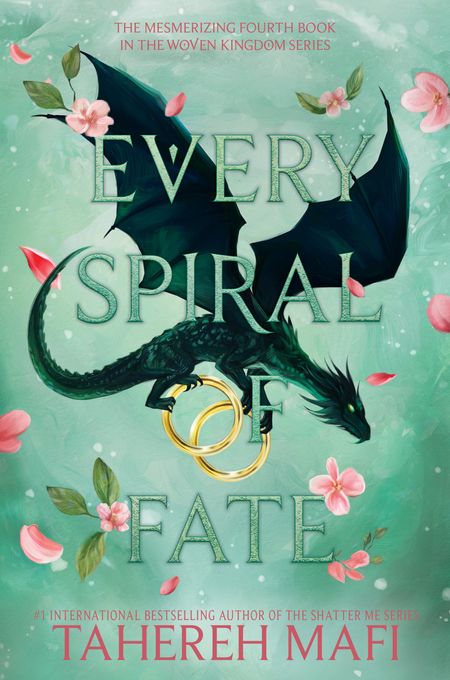
G'day, mates! Imagine a wedding where the groom's doomed by a blood oath, the bride's prophecy-bound to off him, and everyone's fleeing on dragons amid shattering secrets. That's the dramatic crux of Every Spiral of ...