Warrior of the Shards Book Review: 5 Risks Explained + Synopsis
A broken truce, a captured princess and a kingdom sliding into civil war: Warrior of the Shards gives Kenna Heron a brutal problem to solve. Saving Mistei may demand the ruthlessness she wants to overthrow. That moral trap is the strongest part of Sarah Hawley’s premise—because winning a throne means precious little if you become its next monster.
This pre-publication assessment examines the confirmed synopsis and advance-reader responses. The US edition is scheduled for 8 December 2026.

Detailed Summary
The Accord Breaks
Princess Kenna of Blood House has chosen whom to support as Mistei’s next ruler. The fragile political settlement collapses after her disastrous misstep, leaving hundreds of faeries dead. Kenna and two rebel princes are captured, while two ruthless faeries seize the throne.
The opening gives the conflict a sharper edge than a routine struggle against an evil ruler. Kenna must confront her own part in the catastrophe. Good intentions offer very little comfort when other people have paid the bill.
Her position also creates a compelling contradiction. She wants to help reshape Mistei, yet her actions have contributed to its instability. The story’s central challenge is whether she can recover the judgement needed to lead, alongside the strength needed to survive.
Captivity Makes the Conflict Personal
Kenna faces enemy violence and crushing guilt. Her responsibilities to Blood House and her attachment to the person she loves give her reasons to keep resisting. Survival is the immediate struggle, but the larger question concerns what survival will require her to sacrifice.
There is a useful distinction between endurance and leadership. Endurance means finding the strength to continue. Leadership also means deciding who bears the consequences of your next move.
That distinction gives the premise substance. A heroine can survive an ordeal without becoming a wiser leader. The interesting possibility is that Kenna must learn to do both.
The Fight for Mistei Becomes a Moral Test
The central dilemma concerns whether Kenna can fight effectively without abandoning her humanity. Here, humanity becomes a moral idea: compassion, restraint and concern for lives beyond her immediate circle. Her enemies make those values harder to practise precisely when they matter most.
My interpretation of the premise is that a convincing resolution must make Kenna answer for both her victories and her methods. A sympathetic heroine should still face uncomfortable scrutiny. Otherwise, political fantasy becomes an expensive costume party where the favourite guest always gets excused.
The strongest question is therefore broader than whether Kenna can defeat her enemies. What would make her victory different from theirs? A change of ruler means little if everyone else still lives under the same boot.
Characters?
Kenna Heron
Kenna carries the story’s central conflict between personal conviction and public responsibility. As Princess of Blood House, she has people depending on her choices. Her guilt makes the premise compelling because confidence and moral certainty are no longer enough.
The critical test is accountability. A character can be brave, traumatised and sympathetic while still making decisions that deserve criticism. The more seriously the narrative treats that distinction, the more convincing her leadership can become.
Her potential appeal lies in that uncomfortable combination: someone worth supporting who should not receive a free pass. Readers do not need a flawless heroine. They need a story willing to recognise her flaws.
Kallen
Kallen is Kenna’s romantic counterpart, and advance commentary identifies their separation and mutual devotion as important emotional elements. His connection to her gives the political conflict an intimate cost. The future of a kingdom matters differently when someone you love may never live to see it.
For my money, devotion becomes interesting when it leaves room for disagreement. A convincing partner needs judgement, boundaries and priorities of his own. Being attractive and supportive is a decent start; it is not an entire personality.
The relationship’s critical challenge is to remain a meeting of two people. A partner who can question the heroine may reveal more about their bond than one who simply admires everything she does.
Caedo
Caedo, the sentient, shapeshifting dagger, supplies one of the series’ more distinctive character concepts. A weapon with desires of its own makes violence conversational. That is an entertainingly unpleasant idea.
The concept also creates an ethical tension. If a weapon enjoys bloodshed, the person carrying it still has to decide when bloodshed is justified. Charming banter should never sign the moral permission slip.
Caedo’s appeal lies in the combination of personality and danger. The challenge is preserving both. Too much comic relief could make the violence feel weightless; too little personality would waste the unusual premise.
Torin
Advance-reader accounts identify Torin among the figures responsible for the opening ordeal. His involvement places him within the story’s immediate machinery of intimidation and control.
The available details do not establish his complete motivations or development. His effectiveness as an antagonist ultimately depends on whether the novel gives his cruelty a coherent purpose beyond making readers hate him.
Rowena
Rowena is also identified in accounts of the opening torture. That establishes her involvement in the protagonists’ suffering, but it does not provide a complete picture of her character.
The same critical standard applies: brutality can establish danger quickly, but it cannot do all the work of characterisation. A memorable antagonist needs a recognisable logic, even when that logic is appalling.
Compare with Other Works
| Work | Shared appeal | Key distinction |
|---|---|---|
| Kingdom of Ash by Sarah J. Maas | A captive heroine, suffering and the struggle to protect a threatened world. | Similar ingredients do not establish equal scale, execution or emotional impact. |
| The Queen of Nothing by Holly Black | Fae power, precarious authority and a trilogy’s final reckoning. | Black’s novel belongs to a young-adult series; Hawley’s contains explicit adult material. |
| A Witch’s Guide to Fake Dating a Demon by Sarah Hawley | A useful comparison within the same author’s work. | Glimmer Falls centres fantasy romantic comedy; Shards of Magic places fantasy and its political conflict ahead of the romantic subplot. |
Warrior of the Shards vs Kingdom of Ash
The comparison is understandable at the level of setup. Both connect a heroine’s captivity with a much larger struggle, asking readers to care about personal endurance alongside collective survival.
However, suffering alone does not create emotional depth. The meaningful comparison concerns what follows: how trauma affects judgement, relationships and responsibility. A brutal opening earns attention; the consequences must earn the reader’s investment.
Warrior of the Shards vs The Queen of Nothing
Both premises invite scrutiny of power within a fae society. Authority is unstable, relationships have political consequences, and the heroine’s position is anything but secure.
The useful comparison concerns how each story treats legitimacy. Having power, deserving power and using power well are three different things. Fantasy becomes considerably more interesting when it remembers that.
Warrior of the Shards vs Hawley’s Romantic Comedies
Readers arriving from A Witch’s Guide to Fake Dating a Demon should adjust their expectations. Hawley distinguishes her contemporary fantasy romantic comedies from the darker Shards of Magic books.
Familiar authorship does not promise a familiar mood. Arriving solely for playful supernatural romance could feel rather like bringing a picnic basket to a siege.
Achievements and Numbers
The available figures establish publication details and early engagement. They do not establish a verified commercial breakthrough for this particular title.
| Measure | Available figure or status |
|---|---|
| Series position | Book 3 of the planned three-book Shards of Magic series. |
| US publication date | 8 December 2026, scheduled. |
| US hardcover length | 512 pages in the publisher’s listing. |
| Goodreads early reception | An indexed snapshot displayed 4.52/5, based on 105 ratings, with 82 reviews. |
| NetGalley engagement | The accessed listing displayed a rating section referring to 84 members. |
| Verified sales total | Not established in the material reviewed. |
| Numbered bestseller position | Not established for this title. |
| Major award wins | Not established for this title. |


The Goodreads figures are a cached pre-publication snapshot, not live statistics. The early response is encouraging, but the sample is small and precedes general publication.
Hawley’s status as a USA Today bestselling author should also remain separate from claims about this book’s performance. An author’s achievement does not automatically become every title’s achievement. Marketing occasionally hopes nobody notices the difference.
5 Risks Explained
Advance reactions include strong enthusiasm alongside criticism. These five concerns provide useful questions for readers assessing the finale.
1. Compressed Pacing
Some early readers question how quickly events unfold. A busy plot can generate momentum while leaving too little room for emotional consequences.
The distinction matters because movement is not the same as development. Characters need enough space for major experiences to alter their behaviour convincingly.
2. Violence Becoming Repetitive
Graphic brutality divides early readers. The relevant test is whether a violent scene changes our understanding or simply adds another injury.
Dark fantasy can be disturbing without becoming monotonous. Once every crisis reaches maximum intensity, there is nowhere louder to go.
3. Convenient Resolutions
Some reactions describe developments as overly convenient. A resolution should emerge from established choices, abilities and limitations.
Readers will accept extraordinary magic more readily than suspiciously perfect timing. The finale still needs to earn its solutions.
4. Uneven Romantic Payoff
The romance attracts both enthusiasm and criticism. Readers who enjoyed uncertainty and yearning may respond differently when a relationship moves towards fulfilment.
That transition is a challenge. Once attraction becomes commitment, the relationship needs fresh emotional questions to sustain its interest.
5. Worldbuilding Without Enough Space
Some readers wanted more development of the wider world. More lore is not automatically better, but major revelations need sufficient context.
A finale must balance discovery with resolution. Introducing fascinating possibilities can become frustrating if there is little room left to explore them.
What Looks Most Promising?
A Heroine with Public Responsibilities
Kenna’s position gives the premise something more substantial than a personal grudge. Her decisions affect a community.
That creates opportunities to explore responsibility beyond individual survival. Her success should matter because of what it changes for other people.
A Political Question Worth Asking
Removing a tyrant does not explain how people should live afterwards. A story that recognises this has room to examine competing loyalties and the limits of heroic intervention.
Replacing the portrait above the throne is easy. Changing how power operates is considerably less glamorous—and potentially much more interesting.
An Emotional Reason to Care
Political stakes need personal attachments. Love, friendship and loyalty give readers something more immediate than a map changing colour.
The strongest advance reactions suggest that these attachments remain central to the finale’s appeal. For invested series readers, that may be the deciding factor.
Frequently Asked Questions
What Is Warrior of the Shards About?
Warrior of the Shards follows Princess Kenna of Blood House as political catastrophe leads to captivity and civil war in Mistei. Its central dilemma concerns how far she can go to change the kingdom without sacrificing her humanity.
Is Warrior of the Shards the Final Book?
Yes. Sarah Hawley identifies Shards of Magic as a trilogy, with Warrior of the Shards as its third volume.
What Is the Reading Order?
- Servant of Earth
- Princess of Blood
- Warrior of the Shards
Can You Read Warrior of the Shards as a Standalone?
It concludes a continuing story. Start with Servant of Earth to understand the relationships and political consequences behind the finale.
Is Warrior of the Shards Suitable for Younger Readers?
It contains explicit adult material. The author’s content warnings include violence, murder, torture, gore, imprisonment, self-harm, drug use, explicit sexual content and strong language.
Does Warrior of the Shards Have a Happy Ending?
Some advance readers describe the conclusion as satisfying. That does not establish every character’s fate or independently confirm a specific romantic outcome.
Verdict: A Strong Premise with Plenty to Prove
Warrior of the Shards presents a compelling conflict: a heroine trying to improve a violent society while violence reshapes her own choices. Its early reception suggests considerable enthusiasm, alongside reservations about pacing, brutality and convenient developments.
The provisional assessment is cautiously positive. Kenna’s moral dilemma gives the finale substance, but its execution must carry more weight than its dramatic ingredients. A crown, a kiss and a pile of corpses can produce a memorable ending; they still need a convincing story holding them together.
Read an advance copy? Leave a comment: did Kenna’s choices feel earned, or did the story forgive her too easily? Which mattered more to you—the future of Mistei or the romantic payoff?
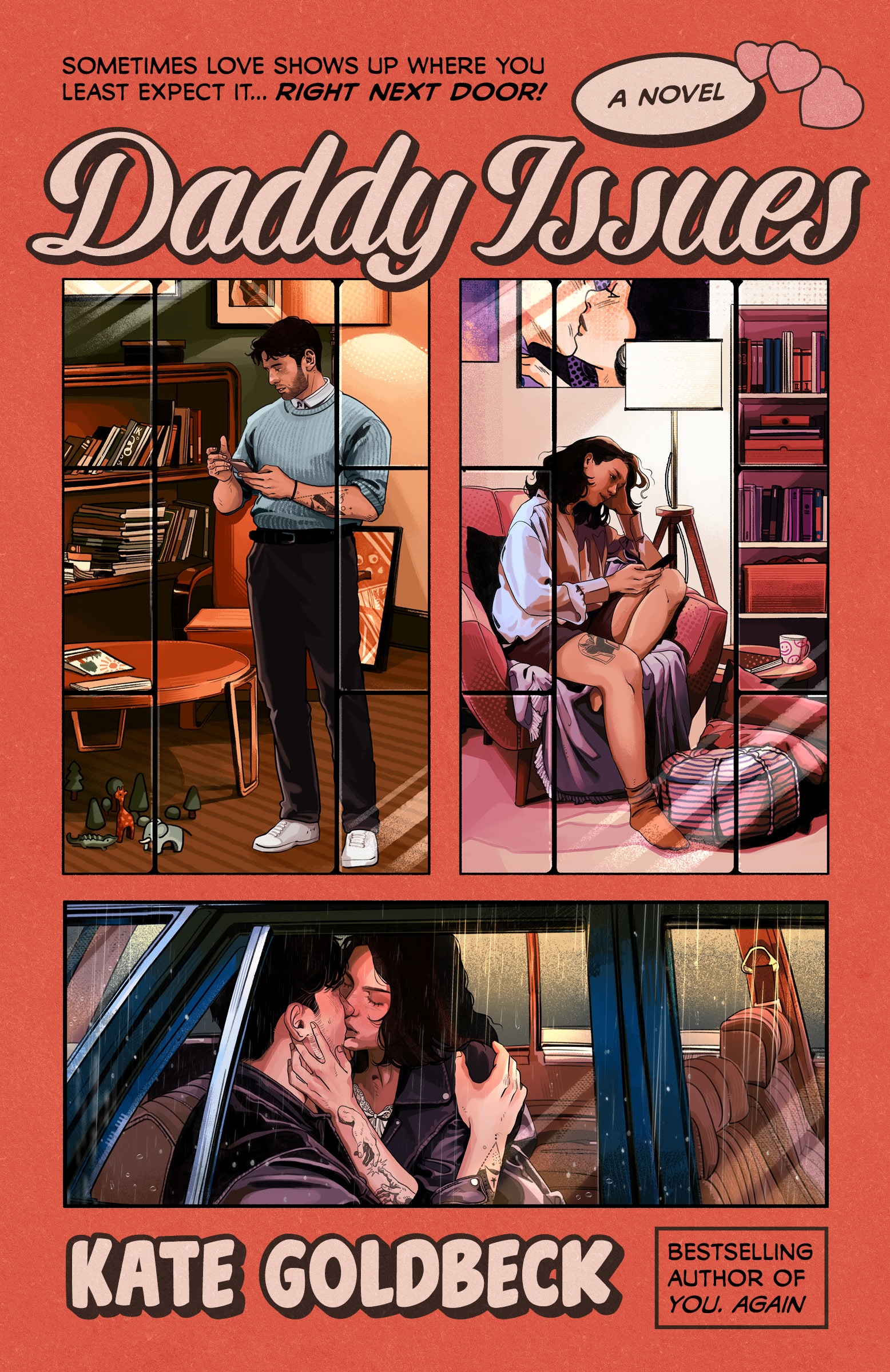
A 26-year-old barista stuck in her mum's condo shags a 39-year-old Chili's manager with a 9-year-old daughter, and somehow this is meant to be romantic? Kate Goldbeck's sophomore novel serves up a quarter-life crisis wrapped ...
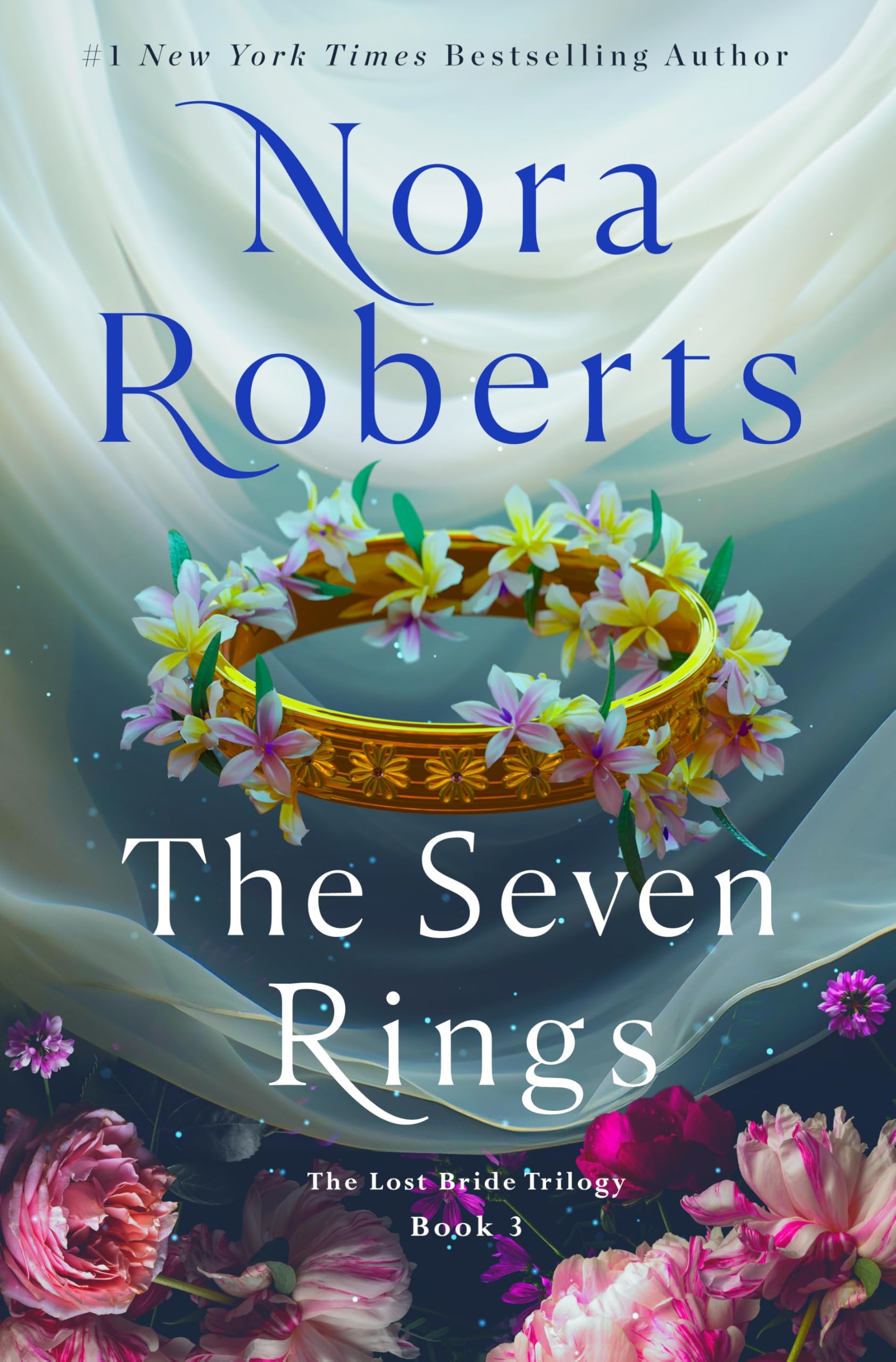
Seven dead brides. Seven stolen wedding rings. One pissed-off witch who's been squatting in a Maine manor for two centuries. Sounds brilliant, yeah? Well, buckle up, because Nora Roberts' finale to The Lost Bride Trilogy ...