Between You a River Book Review, Synopsis & 3 Rifts Explained
A mother’s death leaves two sisters grieving; an inheritance gives them something else to argue about. In Kimberly Garza’s Between You a River, Hannah and Mari Maldonado travel to the Philippines to untangle a land dispute and confront the uncomfortable possibility that their mother’s life was far less familiar than they imagined. The emotional hook is strong: loving someone does not mean knowing everything about them. The challenge is making another family-secret narrative feel like a discovery rather than a reunion with a plot we have met before.
Pre-publication review: Scheduled for 1 December 2026. This preview assesses the published opening, confirmed storyline and advance reception; it does not provide a verified account of every chapter or the ending.

Detailed Summary
Corazon’s Early Life: Ambition with Strings Attached
The historical storyline begins in 1960s Mindoro, where Corazon de la Cruz carries expectations large enough to swallow her own preferences. Her family envisages a future involving higher education, migration to the United States and a medical career. Her success is expected to improve the lives of relatives back home.
The difficulty is that Corazon cannot easily separate personal ambition from family obligation. Becoming a doctor might be an opportunity she wants, a responsibility she accepts, or an exhausting mixture of both. The question is not simply whether she can succeed, but whether success will give her more control over her life.
This is fertile territory for a family novel. Sacrifice becomes complicated when the person making it has never been offered a comfortable way to refuse.
The Fire: A Family History Breaks Apart
A mysterious fire on the de la Cruzes’ land disrupts the family’s future. Relationships fracture, and Corazon faces a decision with lasting consequences.
The fire establishes a connection between physical property and emotional history. Land is not merely something the family owns; it is a place where events happened, attachments formed and grievances survived. Later arguments about inheritance therefore involve more than a boundary line and a missing document.
The premise is effective, although familiar. A destructive event followed by decades of silence creates immediate curiosity, but the eventual explanation must justify that prolonged secrecy.
Hannah in Texas: Responsibility Has Become Exhausting
The published opening follows Hannah through a morning run, a strained domestic routine and her work as a physician in Uvalde. She occupies professional space once belonging to her mother. Familiarity offers little protection from grief or comparison.
The opening’s strongest choice is its ordinariness. Hannah does not need a dramatic breakdown to communicate distress; fatigue and diminished intimacy do the work.
There is something painfully recognisable about remaining useful while feeling increasingly depleted. Apparently, being the dependable daughter comes with unlimited responsibilities and a rather stingy annual leave policy.
Mari Abroad: Movement Is Not the Same as Recovery
Mari responds to loss by leaving. Her travels and romantic life take her far from Texas, while Hannah remains attached to home and the relationships still there. Distance between the sisters becomes emotional as well as geographical.
Their opposing responses create an accessible conflict. Staying can express loyalty, but it can also reflect fear of change. Leaving can demonstrate independence, but it can also postpone difficult conversations.
The weakness of this arrangement is its familiarity. Responsible sister versus restless sister is a well-stocked shelf in contemporary fiction. The novel’s character work depends on complicating those categories rather than simply decorating them.
The Message: An Inheritance Forces Contact
News from the Philippines brings a practical problem into the sisters’ separate lives. Their great-uncle Hector has died, leaving them land, but a missing deed and unpaid taxes complicate the inheritance. Resolving the situation requires their presence.
Hannah’s husband, Paul, objects to the journey. Hannah nevertheless travels, meeting Mari, who has been living in Australia.
The inheritance gives their reunion a credible external cause. They do not suddenly become excellent communicators because the narrative requires emotional progress. There is business to settle, and avoidance has become inconvenient.
The Philippines: A Homecoming with Complications
The sisters reconnect with relatives through shared meals, karaoke and family interaction. These experiences offer ways of encountering their heritage beyond abstract questions about identity.
However, the visit also brings conflict when a maternal cousin challenges the will. Affection and competing interests occupy the same family gathering.
That combination is promising. An ancestral homeland should not have to behave like a therapeutic resort where every meal delivers personal growth. Relatives can welcome you, feed you and disagree with you before dessert.
Corazon’s Parallel Story: A Mother Before Motherhood
Corazon’s earlier life forms a parallel thread alongside her daughters’ experiences. Her history therefore has significance beyond supplying answers to an inheritance mystery.
This structural choice gives the novel an important opportunity: allowing a mother to exist as someone with ambitions, fears and attachments that her children did not witness. Knowing her as a parent is only one way of knowing her.
The risk lies in explanation becoming too convenient. A revealed past should deepen contradictions, not automatically excuse every choice or resolve every conflict.
Characters?
Corazon “Cory” de la Cruz Maldonado
Corazon is the central absence around which the family reorganises itself. Her daughters inherit her influence without possessing a complete understanding of her life.
Her most interesting tension concerns responsibility and personal freedom. She is positioned between the family’s hopes and whatever future she might have chosen independently.
A persuasive interpretation must leave room for both affection and criticism. Sacrifice deserves recognition, but it does not make someone incapable of causing harm. Equally, secrecy does not erase years of care.
Hannah Maldonado
Hannah is the physician daughter who remains close to her mother’s professional legacy. Her continuity offers stability, but it also exposes her to comparison and pressure.
Her situation invites sympathy without making her automatically correct. The person who stays may undertake more visible responsibilities, yet that does not give them complete authority over everyone else’s grief.
The most useful question about Hannah is whether she can distinguish what she wants from what she believes a good daughter should want. That tension gives her more substance than the simple label of “the sensible sister”.
Mari Maldonado
Mari is the travelling sister whose independence challenges the family’s expectations. Her life away from Texas contrasts with Hannah’s commitment to remaining.
Movement can be empowering, but it does not necessarily settle the emotions that prompted it. Mari’s position becomes interesting when freedom and avoidance remain plausible interpretations of the same behaviour.
She should not need to become more like Hannah to become a more responsible person. Likewise, Hannah should not need a plane ticket to prove she has developed.
Paul
Paul, Hannah’s husband, works in private security and resists her proposed journey.
His opposition creates pressure within a relationship already showing strain. He helps bring the consequences of Hannah’s choices into her present life, rather than confining conflict to the family’s past.
The critical question is whether he receives sufficient complexity. An obstructive spouse can generate friction easily; a believable spouse needs motives that remain understandable even when their conduct is frustrating.
George
George, the sisters’ father, turns towards his own family connections after Cory’s death.
His response complicates the assumption that grief should keep relatives together. Seeking comfort can also make someone else feel abandoned.
He represents a difficult emotional truth: a choice may be necessary for one person and painful for another without either response being dishonest.
Ian
Ian belongs to Mari’s Australian storyline. His affection encounters her anxiety about intimacy and disappointment.
His role helps expose the difference between wanting a relationship and trusting one. That distinction offers more psychological interest than romance treated merely as evidence that Mari is impulsive.
Hector
Hector, the deceased great-uncle, leaves the inheritance that draws Hannah and Mari into the central dispute.
His importance is structural: he connects family history to property, documentation and responsibility. Emotional inheritance becomes harder to romanticise when it includes outstanding obligations.
Supporting Figures in the Published Opening
| Character | Identifiable role |
|---|---|
| Norma | Hannah’s nurse, with longstanding connections to the family’s medical practice. |
| Selina | Schedules appointments at the clinic. |
| Mel | Norma’s daughter and someone Hannah knew at school. |
| Irene King | A patient in Hannah’s working day. |
| Osvaldo Garcia | A patient whose medical notes appear in the opening. |
| Jerry | One of Paul’s lunch companions. |
| Juan | Another of Paul’s lunch companions. |

These figures establish the surrounding community. Their brief appearances do not support substantial individual character assessments, and the available material does not establish the novel’s complete cast.
Compare with Other Works
| Book | Shared ground | Meaningful difference |
|---|---|---|
| The Last Karankawas — Kimberly Garza | Filipino and Mexican American experiences, community and attachment to place. | Garza’s debut centres on Galveston and Hurricane Ike; Between You a River follows a family conflict across countries. |
| Banyan Moon — Thao Thai | Bereavement, estranged relatives, inherited property and concealed history. | Thai explores Vietnamese American women and a Florida house; Garza’s story involves Filipino ancestry and land in Mindoro. |
| Black Cake — Charmaine Wilkerson | Siblings reconsider their mother’s life after her death. | Wilkerson uses a recording and a family cake to transmit history; Garza brings the family together through disputed property. |
The Closest Comparison: Banyan Moon
Banyan Moon provides the clearest comparison for the relationship between property and family memory. Both premises give inheritance an emotional weight beyond financial value.
The comparison also exposes the challenge facing Garza’s novel. A deceased matriarch, estranged relatives and buried truths are established ingredients. Distinction must come from the characters’ particular lives and the consequences of their decisions.
The Strongest Sibling Parallel: Black Cake
Black Cake offers a useful parallel for children discovering that their mother’s identity exceeds the version they knew.
The appeal of that structure is substantial: a parent becomes newly unfamiliar at the moment when direct questions are no longer possible. Its danger is equally clear. Readers may become more interested in collecting revelations than understanding the surviving family.
The Most Useful Author Comparison: The Last Karankawas
The Last Karankawas provides context for Garza’s continuing interest in belonging and communities with multiple cultural connections.
The shared concern is how people remain attached to places that cannot offer uncomplicated security. That thematic continuity is more meaningful than treating the new novel as an interchangeable recommendation.
Achievements: Numbers Without the Hype
The most substantial verified publishing figure is an announced 80,000-copy print run. This indicates the publisher’s planned scale; it does not mean the novel has sold 80,000 copies.
| Measure | Confirmed information | What it means |
|---|---|---|
| Announced print run | 80,000 copies | Publishing investment, not verified consumer sales. |
| US release date | 1 December 2026 | The novel is forthcoming as of 13 November 2026. |
| Hardcover length | 304 pages | Edition information rather than an achievement. |
| Seasonal recognition | 3 named outlets | The publisher lists selections by Harper’s Bazaar, San Antonio Express-News and Publishers Weekly. |
| Verified sales total | Not established. | No defensible sales milestone to report. |
| Bestseller ranking | Not established. | No verified chart position to assign. |
| Major literary award for this novel | Not established. | Advance attention should not be presented as an award win. |
The seasonal selections suggest meaningful early interest. However, publicity, print runs and sales measure different things.
Awards and selections attached to The Last Karankawas also belong to that earlier novel. Books do not inherit each other’s trophies, however convenient that would be for the marketing department.
What Works—and What Deserves Scrutiny
The Opening Finds Grief in Ordinary Behaviour
Hannah’s introduction suggests an understanding of grief as something that coexists with routine. Work continues. Relationships continue. The person carrying the loss may feel increasingly disconnected from both.
That approach is more persuasive than treating every emotional difficulty as a dramatic confrontation. Its effectiveness across the complete novel remains a separate question.
The Sisterly Contrast Risks Becoming Too Neat
Hannah and Mari offer an immediate contrast, but immediate clarity can become predictability.
If responsibility belongs mainly to one sister and freedom mainly to the other, readers may anticipate their respective lessons too easily. The richer possibility is that both women understand something essential and misunderstand something equally important.
The Inheritance Plot Must Earn Its Place
A contested estate supplies urgency and a practical reason for reunion. It can bring financial interests, family loyalty and cultural belonging into direct conflict.
However, paperwork can also become a convenient delivery system for revelations. The emotional story should retain its force even after the mystery is explained.
Atmosphere May Appeal More Than Momentum
Advance-reader responses include praise for cultural detail, setting and the portrayal of grief. Other readers report difficulty connecting with the characters, excessive description or predictable developments.
That disagreement suggests a likely dividing line. Readers who enjoy immersion may respond more warmly than readers who need sustained narrative speed.
Neither preference is a character flaw. Sometimes a reader wants to linger at the family table; sometimes they would appreciate someone finally answering the question.
A Revelation Should Not Make Forgiveness Automatic
The premise places considerable weight on concealed history. That creates the possibility of a powerful reassessment of Corazon’s life.
It also raises the risk of emotional tidiness. Understanding why someone acted is not identical to accepting the consequences, and an explanation does not automatically repair a relationship.
The 3 Rifts Explained
1. The Rift Between Sisters
Hannah and Mari embody different responses to loss and obligation.
The central question is whether either can recognise the other’s choices without turning difference into betrayal. Staying and leaving both carry costs; neither deserves automatic moral superiority.
2. The Rift Between Generations
Corazon’s life raises questions about sacrifice, ambition and the expectations passed from parents to children.
Gratitude becomes difficult when it demands imitation. A daughter may honour her mother without reproducing her career, marriage or understanding of duty.
3. The Rift Between Countries
The sisters’ return to the Philippines brings ancestry into contact with lived experience.
A place can belong to a family’s history without feeling immediately familiar to every descendant. The interesting tension lies between inherited connection and the relationships required to make that connection meaningful.
| Rift | Central question |
|---|---|
| Sisterhood | Can we love someone without approving of how they cope? |
| Generations | When does gratitude become an obligation to surrender choice? |
| Countries | What turns an ancestral connection into a lived sense of home? |
Verdict
Between You a River offers a strong emotional premise within a familiar family-saga structure. The available material makes its most persuasive case through cultural specificity, sisterly tension and the difficulty of understanding a parent as a person.
The reservations concern the machinery: contrasting sisters, disputed inheritance and concealed history can produce complexity, but they can also steer readers towards recognisable lessons. A full assessment of pacing, revelations and resolution requires the complete novel.
The question worth carrying into the book is whether understanding Corazon allows her daughters to live differently—or simply gives them another obligation to fulfil.
Would you want to uncover a parent’s secrets if the truth might change how you remembered them? Leave a comment below: some families inherit land, others inherit a lifetime of unanswered questions.
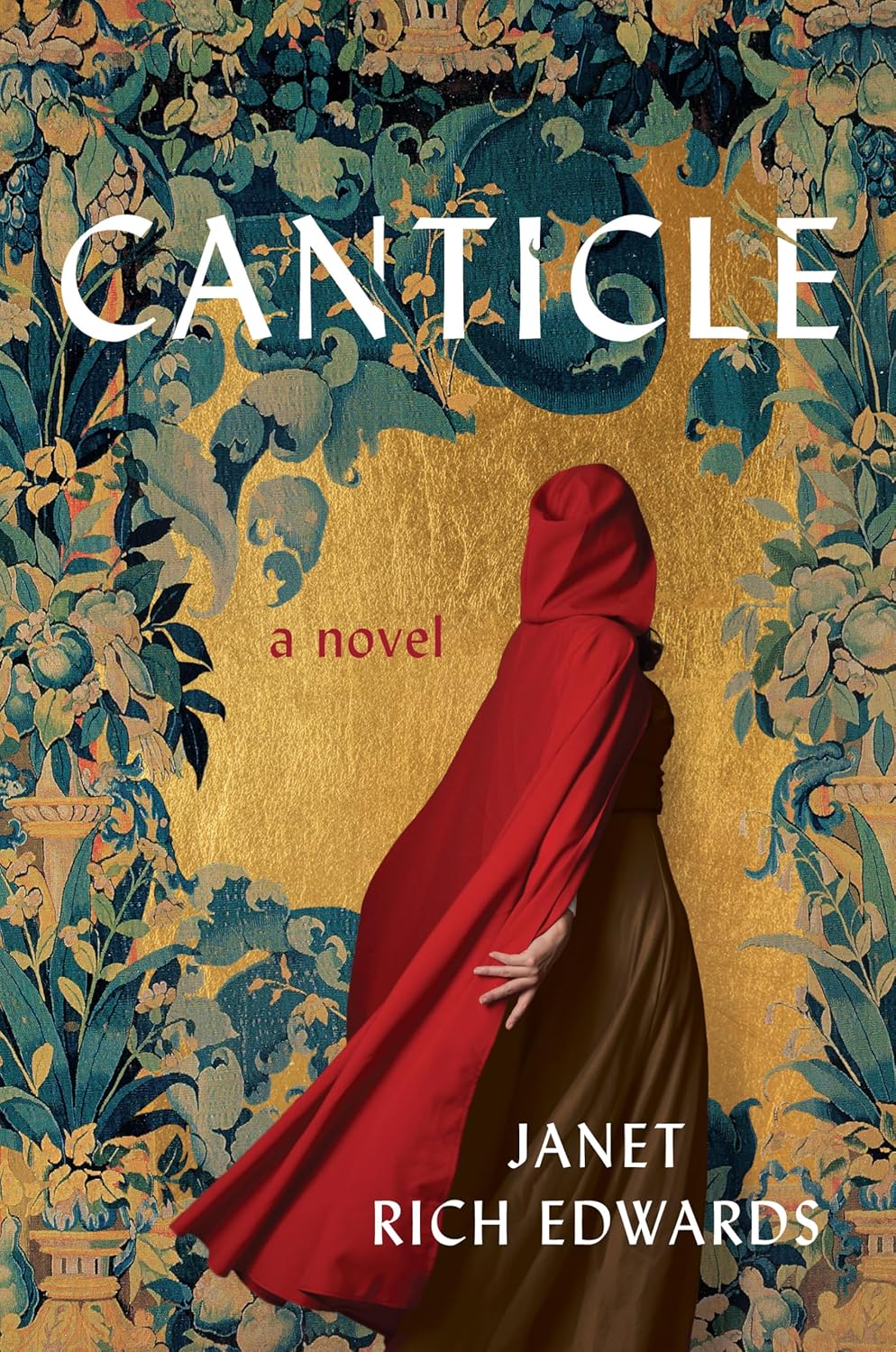
Imagine being sixteen, seeing visions of God, then getting locked in a stone box for life because a power-hungry bishop decided your divine gifts would make a cracking PR stunt. That's Aleys's reward in Janet ...
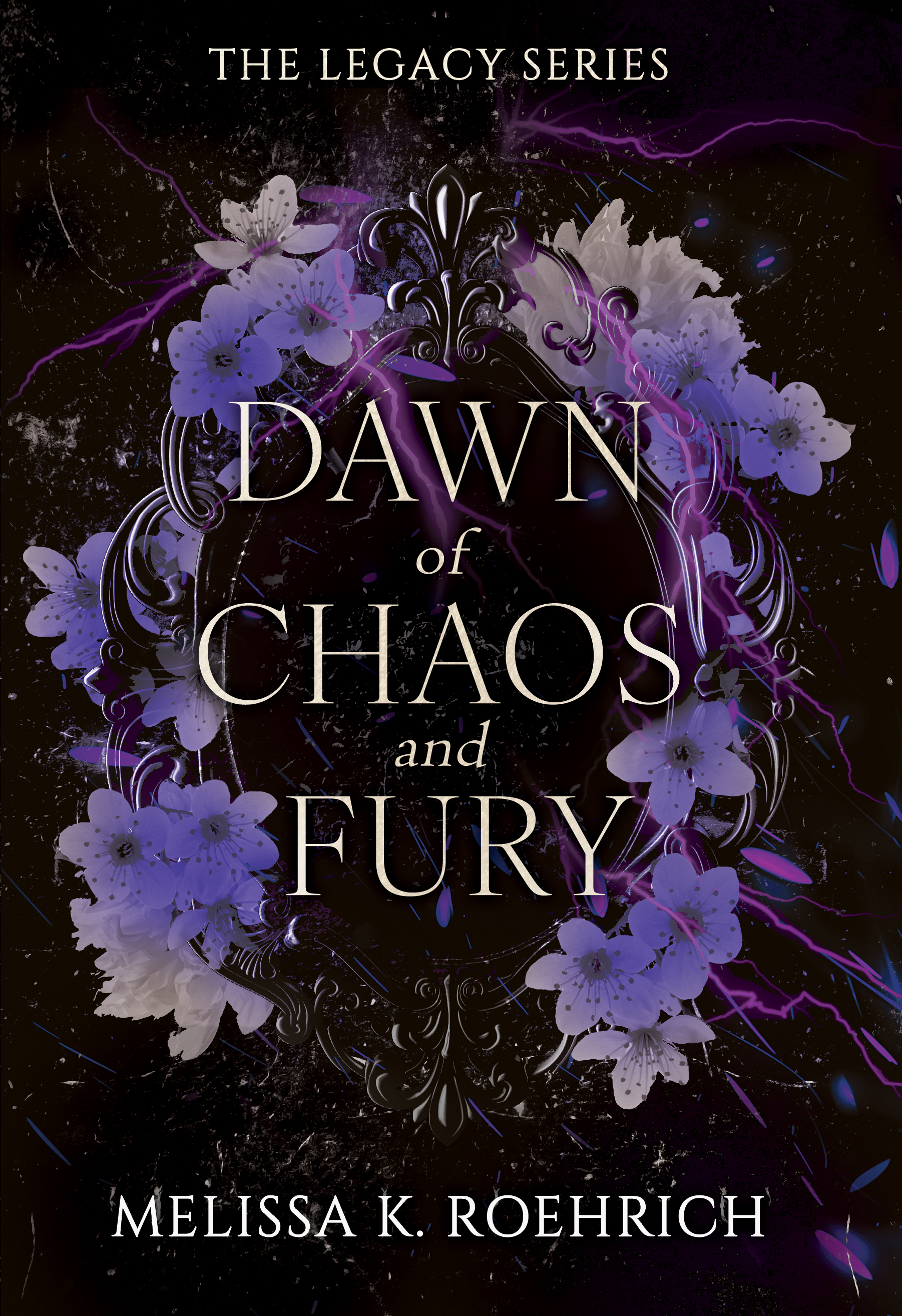
The Legacy Series finale crashes to a close with Tessalyn Ausra standing at the edge of salvation or total annihilation, her companions nursing fresh wounds from her chaos magic, and two love interests—Theon and Luka—who've ...