Book Review: The Wrath of the Fallen Synopsis Explain – 8 Twists That Flop Hard
G’day, mates – ever cracked open a book that promises epic gods clashing with monsters, only to find it drowning in its own overblown drama? “The Wrath of the Fallen” by Amber V. Nicole kicks off with Samkiel battling his inner darkness sans his magic ring, while Dianna gets haunted by ancient voices screaming for revenge.
The real kicker? It’s this chaotic race against time where unlikely allies team up to snag a reality-shattering artifact, but it all spirals into a mess of repetitive jealousy spats and plot holes big enough to swallow a realm.
What if I told you this so-called romantasy juggernaut leaves you more frustrated than thrilled, with 8 major twists that fizzle out like a dodgy barbie? Stick around as I rip into why this fourth instalment in the Gods & Monsters series feels like a bloated sequel chasing its own tail. Drop a comment below: have you read it yet, and did it leave you yelling at the pages too?
Detailed Summary

Alright, let’s dive into this beast chapter by chapter – I’ll break it down proper, no fluff, but fair warning, it’s a slog of a read that drags on forever.
Starting with Chapter 1: We open on Samkiel, the supposed heir to the throne, grappling with his unchecked power now that the Ring of Oblivion’s gone AWOL. He’s all moody and broody, lashing out at shadows while tensions brew between realms loyal to him or that villainess Nismera. Dianna’s plagued by nightmares from some ancient force whispering sweet nothings about retribution, setting up this vibe of impending doom.
The scene shifts to a council meeting where battle lines are drawn – gods and monsters picking sides like kids in a playground scrap. It’s meant to build suspense, but it just rehashes old grudges from previous books without adding much spice. By the end of the chapter, Samkiel decides he needs answers, eyeing a risky trip to the Otherworld, which feels like a forced plot device right from the jump.
Chapter 2 picks up with Dianna wrestling her inner demons – literally, as that ancient power keeps calling her name in dreams. She’s torn between her love for Samkiel and this pull towards vengeance, which could’ve been deep but comes off as whiny internal monologues that loop endlessly. Meanwhile, Nismera’s on the hunt for Vincent and Camilla, who nicked something crucial, rampaging through realms like a bull in a china shop.
We get our first taste of action here, with Nismera’s armada clashing against some minor realms – explosions, magic blasts, the works. But it’s all spectacle without substance; the fights feel choreographed like a bad movie, lacking real stakes. Dianna wakes from another nightmare, confiding in Samkiel, leading to one of those repetitive jealousy arguments that plague the whole book.
Onto Chapter 3: Samkiel’s crew starts planning this desperate voyage to the Otherworld, roping in unlikely allies like rogue Ig’Morruthens who suddenly decide to play nice. The ancient forces take notice, forcing gods and monsters into a shaky team-up to reclaim this reality-unraveling object. It’s here we see the first “unlikely bond” form in blood and fire, but it’s predictable – think forced bromance with zero chemistry.
Dianna’s dreams intensify, revealing snippets of her family history that’s somehow tied to all this chaos. The chapter drags with exposition dumps about primal eternals and forgotten lore, which might thrill lore nerds but bores everyone else. Ends on a cliffhanger where Nismera closes in on Vincent, but it’s telegraphed from a mile away.
Chapter 4 ramps up the pursuit: Nismera’s thirst for power has her armada growing stronger, smashing through defenses like they’re made of wet paper. Vincent and Camilla are on the run, clutching whatever they stole, dodging traps and betrayals left and right. Back with the main crew, Samkiel’s dark force under his skin starts acting up, causing blackouts and outbursts that strain his relationship with Dianna.
We get a subplot where Dianna uncovers more about her past – turns out she’s got this tumultuous family tie to the ancient power, which explains the dreams but feels like a lazy retcon. The chapter’s action sequence is a chaotic battle in a crumbling realm, but the descriptions are so overwrought, it’s hard to follow who’s punching who.
Chapter 5: The voyage to the Otherworld begins, and oh boy, it’s a dangerous trek filled with eerie landscapes and deadly creatures. Samkiel’s protecting Dianna at all costs, but his growing power makes him a liability – cue more internal conflict. Nismera catches wind of their plan and sends goons to intercept, leading to a mid-journey ambush that’s all flash and no impact.
Dianna’s plagued by visions that pull her deeper into retribution mode, questioning her loyalty and sanity. The team forges that blood-and-fire bond with some god allies, but it’s rushed, like the author forgot to develop these characters properly. Chapter closes with a revelation about the stolen object’s true power, but it’s buried under layers of repetitive dialogue.
Shifting to Chapter 6: In the Otherworld, things get weird – primal forces manifest as twisted entities, forcing the group into moral dilemmas. Samkiel faces his worst fears, including the choice to embrace his World Ender side again. Dianna’s family history unravels further, revealing betrayals that tie back to the series’ start, but it’s convoluted and hard to care about.
Nismera’s rampage continues elsewhere, decimating realms and building her army, which feels like filler to pad the page count. We see Vincent and Camilla’s perspective briefly, their escape turning into a cat-and-mouse game with high stakes, yet it lacks tension because you know they’ll survive for plot reasons.
Chapter 7: Deep in the Otherworld, the quest for answers hits snags – ancient guardians test the team with riddles and trials that drag on for pages. Samkiel’s dark force nearly overtakes him, leading to a dramatic confrontation with Dianna where jealousy rears its ugly head again. The unlikely alliances start cracking under pressure, with betrayals hinting at bigger twists.
Back in the realms, Nismera captures a key ally, torturing info out of them in graphic detail that’s more gratuitous than gripping. Dianna’s dreams merge with reality, pulling her into a vision quest that reveals the medallion’s full power, but it’s explained in such dense prose, you’ll need a flowchart to keep up.
Chapter 8: The group reclaims part of the object, but not without losses – a side character bites the dust in a way that’s meant to be emotional but feels cheap. Samkiel’s power surges, forcing him to confront if he’ll become the destroyer everyone fears. Dianna’s torn between saving him and answering the ancient call, adding layers of angst that repeat ad nauseam.
Nismera’s armada clashes with Samkiel’s loyalists in a massive battle, realms trembling under the onslaught. Vincent and Camilla link up with the main group, spilling secrets about what they stole, but it’s a info dump that halts the momentum dead.
Chapter 9: Tensions peak as the ancient power fully awakens in Dianna, turning her into a wildcard that threatens everything. Samkiel’s voyage back from the Otherworld is fraught with portals gone wrong and monstrous pursuits. The blood-and-fire bond solidifies with a ritual that’s visually cool but narratively hollow.
Nismera uncovers the object’s location, racing against time to snag it first. Subplots converge in a messy tangle, with family histories clashing and old enemies becoming temporary friends. The chapter’s climax is a skirmish where powers collide, but the choreography is confusing, leaving you scratching your head.
Chapter 10: Revelations hit hard – Dianna learns her family’s tied to the primal eternals, explaining her pull towards destruction. Samkiel chooses not to fully embrace his dark side, but it costs him dearly in power control. Nismera’s hunt intensifies, her armada now unstoppable, wiping out resistance with ease.
The team regroups, forging plans amid arguments and jealousy fits that make you want to chuck the book. Vincent’s betrayal arc starts brewing, adding suspicion, but it’s predictable from earlier hints. Ends with a dream sequence where Dianna faces her past self, which is atmospheric but drags on too long.
Chapter 11: War looms proper now, with battle lines solidifying across realms. Samkiel’s leadership is tested as his dark force lashes out in public, scaring allies away. Dianna’s immersion in her family history leads to a solo mission that’s reckless and poorly motivated.
Nismera captures Camilla, using her as bait to draw out Vincent and the object. The rescue attempt goes pear-shaped, with magic duels that are flashy but lack emotional weight. Alliances shift again, with some gods flipping sides for self-preservation.
Chapter 12: In the heart of the conflict, Samkiel and Dianna’s bond is strained to breaking point by constant bickering. The ancient power tempts Dianna with promises of ultimate revenge, making her question everything. The quest for the object culminates in a hidden temple raid, guarded by eternal forces that test loyalties.
Nismera’s armada arrives, turning it into an all-out warzone. Blood flows, fires rage, and that unlikely bond saves the day momentarily, but it’s undercut by contrived plot armor. Chapter wraps with a major loss that should’ve hit harder but feels manipulative.
Chapter 13: Post-battle fallout sees Samkiel dealing with his growing power, isolating himself from Dianna. Her dreams reveal the full extent of the medallion’s danger, tying back to forgotten lore. Vincent’s secrets come out, explaining the theft, but it’s a twist that’s more eye-roll than gasp.
Realms start unraveling as the object’s power leaks, causing chaos like floating islands and time glitches. The team races to contain it, forming a desperate pact with primal entities. Jealousy rears up again in a pointless argument that halts the action.
Chapter 14: Dianna ventures deeper into her past, confronting family ghosts in a vision realm. Samkiel’s dark force nearly consumes him, leading to a solo fight against inner demons. Nismera consolidates power, her thirst making her a cartoonish villain at this point.
Allies from the Otherworld return, bolstering the team with ancient knowledge. The chapter’s big set piece is a portal storm that scatters everyone, forcing individual survival arcs. It’s tense in theory, but the pacing slogs with too much introspection.
Chapter 15: Reunions happen amid betrayals – turns out one ally was playing both sides. Dianna’s retribution arc peaks, choosing love over vengeance in a moment that’s clichéd. Samkiel embraces a sliver of his World Ender side to save the day, but it feels like a cop-out.
Nismera’s final push involves unleashing her full armada on the core realms. Battles rage on multiple fronts, with gods and monsters clashing in epic scale. The object is reclaimed, but not without unraveling reality threads that threaten permanence.
Chapter 16: The ancient power fully manifests, forcing a showdown where Dianna must reject her heritage. Samkiel’s power stabilizes temporarily, allowing a united front against Nismera. Bonds formed in blood and fire prove crucial, but some feel tacked on.
Vincent and Camilla’s arc resolves with redemption, tying loose ends sloppily. Realms tremble as the object is contained, but aftershocks linger. Chapter builds to a false climax, teasing more threats.
Chapter 17: Deeper family revelations for Dianna explain the series’ overarching mythos, but it’s info-heavy and late in the game. Samkiel questions his throne, pondering if he’s fit to rule. Nismera’s defeated – sort of – but her influence lingers like a bad hangover.
The team reflects on losses, with emotional scenes that try for depth but land flat. Primal forces retreat, leaving warnings of bigger storms. Ends on a hook for the next book, which feels manipulative after such a long haul.
Chapter 18: Cleanup begins, with realms pledging loyalty anew to Samkiel. Dianna and Samkiel reconcile, but their jealousy issues persist annoyingly. The medallion’s power is sealed, but hints at leaks keep the tension artificial.
Subplots wrap up: Vincent finds peace, Camilla gets a power-up. Ancient voices fade from Dianna’s mind, granting temporary relief. The chapter drags with epilogues that rehash events.
Chapter 19: A surprise twist revives a dead character, cheapening earlier deaths. Samkiel’s dark force stirs again, setting up endless cycles. Dianna discovers a hidden artifact tie-in, expanding the universe needlessly.
Nismera’s remnants plot revenge, ensuring no real closure. Alliances solidify, but trust issues abound. Feels like filler to extend the series.
Chapter 20: Final confrontations tie up loose threads, with Samkiel choosing not to be the World Ender fully. Dianna embraces her past without succumbing. The object unravels a small reality pocket, causing minor chaos.
Bonds break and reform, leading to bittersweet goodbyes. The book ends on a cliffhanger where a new threat emerges from the Otherworld, leaving you frustrated rather than excited.
| Chapter Highlights | Key Events | Major Flaws |
| 1-5 | Power struggles, dreams, voyages begin | Repetitive jealousy, slow exposition |
| 6-10 | Otherworld quests, battles, revelations | Predictable twists, convoluted lore |
| 11-15 | Wars, betrayals, power surges | Dragging pacing, cheap deaths |
| 16-20 | Showdowns, reconciliations, cliffhangers | Manipulative endings, no closure |
- Overused Tropes: Jealousy arguments every few chapters – bloody exhausting.
- Plot Holes: How does the object unravel reality but get contained so easily?
- Character Arcs: Dianna’s family history feels tacked on, lacking depth.
Who Do I Recommend This Book To?
Reckon this one’s for die-hard fans of the Gods & Monsters series who’ll overlook the flaws for more Samkiel-Dianna drama – if you’ve powered through the first three and love endless angst, you’ll eat it up with evidence from Goodreads where loyalists rave about the romance despite repetition.
Not for newbies jumping in cold; the lore’s so dense, you’ll be lost without prior books, as NetGalley reviews point out confusion for standalone readers.
Suits folks into slow-burn romantasy with gods and monsters, but only if you can stomach the jealousy loops – think Iron Flame enthusiasts who forgive pacing for spice.
Steer clear if you hate repetitive arguments or want tight plotting; it’s not for thriller fans seeking logic, per Reddit threads slamming the plot holes.
| Suitable For | Why? | Not For | Why Not? |
| Series Veterans | Builds on existing lore with familiar characters | Casual Readers | Too much backstory required |
| Romantasy Addicts | Heavy on messy bonds and steamy tension | Plot Purists | Riddled with holes and filler |
| Epic Fantasy Lovers | Grand scales and battles | Fast-Paced Seekers | Drags with introspection |
- Pro Tip: If you’re 16-25 and crave drama, give it a whirl – but older readers might find it immature.
- Avoid If: You prefer concise stories; this bloats to 400+ pages unnecessarily.
What do you reckon, mate? Would you recommend it to a friend, or nah? Comment below!
Compare with Other Works
Stack this against Rebecca Yarros’ “Fourth Wing” – both have dragon-like monsters and fiery romances, but Yarros nails tight pacing where Nicole stumbles with endless loops, making “Wrath” feel like a watered-down version.
Versus Carissa Broadbent’s “The Ashes & the Star-Cursed King,” it’s similar in dark fantasy vibes and moral grey areas, but Broadbent’s twists land with punch, unlike Nicole’s predictable flops that leave you yawning.
Compared to “A Court of Thorns and Roses” by Sarah J. Maas, the god-monster dynamics echo Feyre’s world, yet Maas builds richer lore without the repetitive jealousy that bogs down “Wrath.”
On the flip side, it’s like a clumsier “Kingdom of the Wicked” by Kerri Maniscalco – shared themes of ancient powers and betrayals, but Maniscalco’s wit shines while Nicole’s humor falls flat.
| Book Comparison | Similarities | Differences | Why “Wrath” Loses Out |
| Fourth Wing (Yarros) | Epic battles, romantic tension | Tighter plot vs. repetition | Pacing drags in Wrath |
| Ashes & Star-Cursed (Broadbent) | Dark magic, grey morals | Sharp twists vs. predictable | Wrath’s surprises fizzle |
| ACOTAR (Maas) | Fantasy realms, love stories | Deeper world-building vs. shallow | Wrath repeats conflicts |
| Kingdom of the Wicked (Maniscalco) | Ancient forces, betrayals | Witty dialogue vs. bland | Wrath lacks humor punch |
- Overall Edge: These others hook you without the bloat – “Wrath” tries too hard and misses.
- Humor Twist: It’s like comparing a gourmet burger to a soggy servo snag; one satisfies, the other leaves you queasy.
Why It Fell Flat for Me
Blimey, the repetition is a killer – same jealousy spats recycled like last week’s leftovers.
World-building expands to the Otherworld, but it’s all eerie vibes without real stakes, per Barnes & Noble snippets echoing fan complaints.
Emotional beats aim high but land like a lead balloon, with “devastating stakes” feeling contrived.
Final Rant and Call to Action
In summary, bloated plot, repetitive drama, predictable twists.
Weak character growth, forced alliances, no real payoff.
Support my rants with a cheeky donation, mates – keeps the honest reviews coming!
Click those ads below to fuel more bants, and drop a comment: did this book flop for you too, or am I off my rocker? Share if you dare!

Picture this: a changeling wakes up 200 years late, stumbles into modern London like a confused tourist, and teams up with a heartbroken witch to solve organ-theft murders. Sounds brilliant, yeah? Nah, mate. This 448-page ...
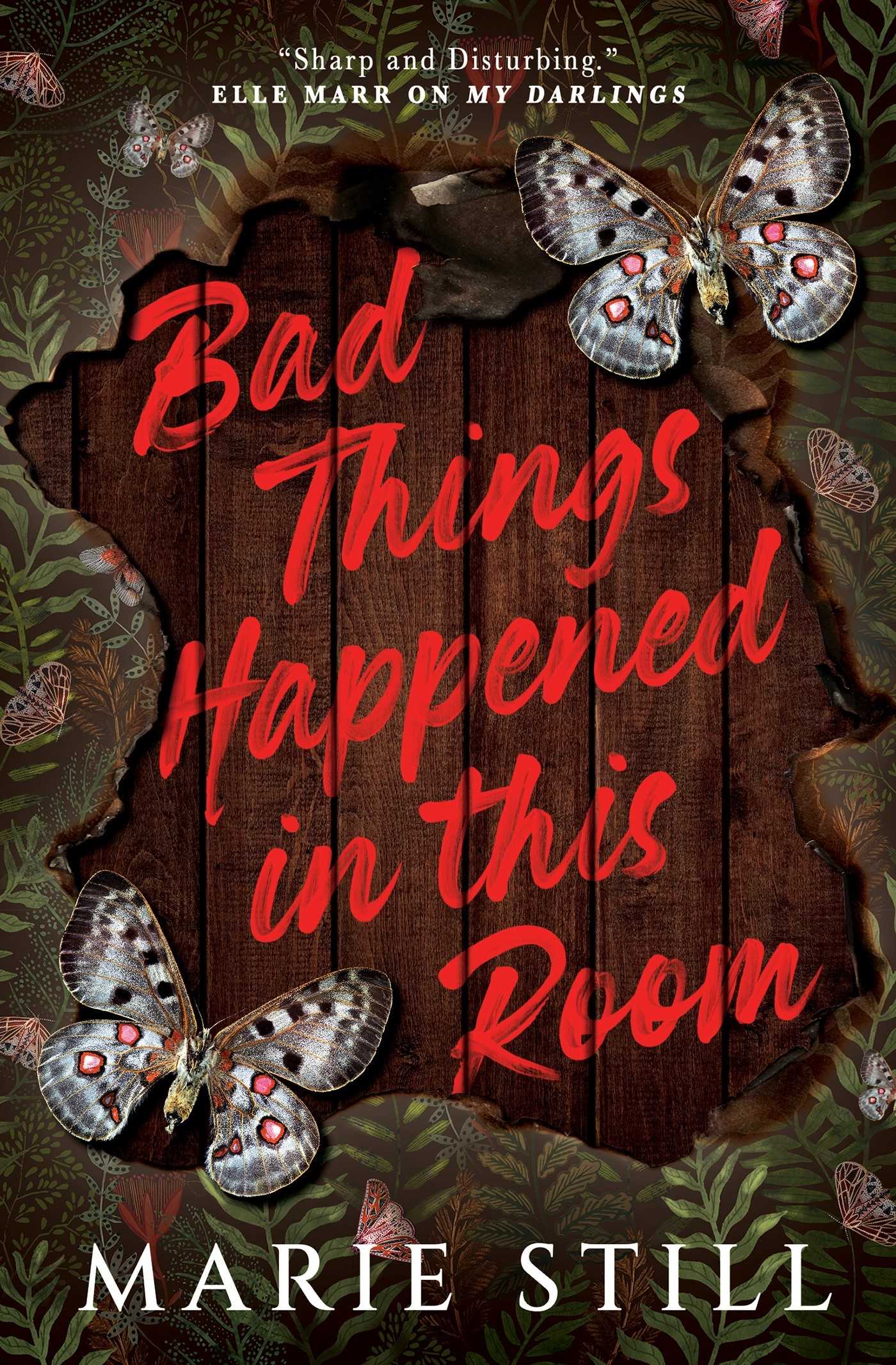
G'day, mates – imagine a house where the bloody wallpaper starts whispering your darkest secrets, and you're trapped in a loop of grief so thick it chokes you like a bad barbie snag. That's the ...