Book Review: Alchemy of Secrets Synopsis Explain – 7 Twists That Fizzled Out
G’day, mates. Reckon you’ve heard the hype around Stephanie Garber’s latest yarn, Alchemy of Secrets? It’s pitched as this ripper of a tale blending old Hollywood glamour with magical mysteries, where a grad student named Holland St. James dives headfirst into urban legends that turn deadly real. But blimey, the most dramatic bit? That frantic 48-hour scramble for the Alchemical Heart, where every bloody riddle leads to betrayal and a cliffhanger that leaves you wondering if the whole thing’s just a dodgy con job.
The plot kicks off with Holland, this stubborn sheila convinced magic’s lurking in LA’s shadows, chasing answers about her parents’ dodgy deaths.
She stumbles into a folklore class that’s more puzzle than lecture, and before you know it, she’s dialing up the Watch Man – a legend who predicts your death date.
Dramatic as all get-out, right? But it spirals into a mess of lies, with two blokes claiming to protect her, and the whole shebang feeling like a stretched-out episode of some B-grade thriller.
Nah, this one’s a letdown, mates. The twists promise shocks but deliver yawns, and the magic? Bloody underwhelming, like a fireworks show that fizzles in the rain.
Garber’s trying for adult fantasy, but it reads like her YA stuff on steroids – all sparkle, no substance.
Stick around as I rip into why this book left me cold, and chuck your thoughts in the comments below: did it flop for you too, or am I being a grumpy bastard?
Detailed Summary

Alright, let’s dive into the nitty-gritty of Alchemy of Secrets, chapter by chapter.
I’ll break it down proper, pulling apart the plot like a dodgy meat pie, highlighting where it goes pear-shaped.
This summary’s gonna be a marathon, mates – reckon it’s pushing 2500 words easy, with all the twists and turns laid bare.
But fair warning: it’s spoiler-heavy, so if you haven’t read it, bugger off now.
We’ll go section by section, chapter clusters at a time, ’cause the book’s paced like a kangaroo on caffeine – fast but bouncy in all the wrong ways.
Starting with Chapters 1-5: The setup’s all about Holland St. James, our protagonist who’s a grad student obsessed with folklore.
She’s got this tragic backstory – parents died in a suspicious fire 15 years ago, and she’s convinced it was no accident.
Chapter 1 opens in a rundown movie theatre where Folklore 517 class is held, taught by this enigmatic Professor who spins yarns about local legends.
Holland’s there ’cause she believes magic’s real, unlike her skeptical classmates.
The Professor drops tales like the Devil haunting a Hollywood hotel, demanding sidecar cocktails for favors – sounds intriguing, but it’s delivered in Garber’s flowery prose that already feels overcooked.
By Chapter 2, Holland’s digging deeper, tracking down riddles to even find the class location each week.
It’s meant to build mystery, but it comes off as gimmicky, like the author’s trying too hard to be clever.
She reflects on her twin sister, who’s mysteriously absent, adding a layer of family drama that’s underbaked from the get-go.
Chapter 3 ramps up when Holland hears about the Watch Man – this mythical bloke who can tell you your death time if you call him.
Desperate for answers about her folks, she dials in, and bugger me, he calls back.
That’s the hook, right? But the dialogue’s clunky, with the Watch Man sounding like a bad fortune teller at a fair.
Moving to Chapter 4: The big reveal – Holland’s got until midnight on Halloween (that’s less than 24 hours) to live, unless she finds the Alchemical Heart, this ancient artifact that can cheat death.
Panic sets in, and she starts chasing clues through LA’s underbelly.
The city’s described with all this glamorous noir vibe – neon lights, shadowy alleys – but it feels recycled from every Hollywood flick ever.
Chapter 5 introduces the first love interest, let’s call him the Magnetic Stranger (Garber loves her vague descriptors).
He pops up claiming Holland’s sister sent him to protect her, and there’s instant tension – sparks fly, but it’s the eye-rolling kind, like, come on, mate, we’ve seen this trope a thousand times.
Now, Chapters 6-10: Things heat up as Holland deciphers the first riddle leading to an old hotel bar.
Chapter 6 has her sneaking in, ordering that devil’s cocktail, and bam – she senses something supernatural.
But the “magic” here is just vague whispers and illusions; Garber hints at a cult or secret society, but it’s all tell, no show.
The pacing’s frantic, which is good for thrills, but the descriptions drag on about Holland’s inner turmoil – her doubt, her belief – making it feel bloated.
In Chapter 7, the second bloke enters the scene: a grumpy, morally grey type with blond hair and Jacks-from-Caraval vibes.
He also claims sister-sent protection, warning her the first guy’s a liar.
This love triangle setup is where the book starts to unravel – it’s obvious who’s dodgy, yet Holland flip-flops like a thong in the surf.
Chapter 8 dives into backstory via flashbacks: Holland’s parents were into occult stuff, possibly murdered by the Devil himself for unpaid favors.
It’s meant to add depth, but the reveals are predictable, and the writing gets purple – “shadows danced like forgotten dreams” and all that rot.
Chapter 9: A chase scene through LA streets, dodging cult members who want the Alchemical Heart for themselves.
Holland teams up with the grumpy bloke temporarily, solving a puzzle involving an old movie prop.
The action’s decent, but the magic system? Bloody inconsistent – one minute it’s urban myths coming alive, the next it’s just illusions.
Chapter 10 ends this chunk with a betrayal hint: one of the protectors slips up, lying about a detail from Holland’s past.
It’s a cliffhanger per chapter, but they stack up without payoff, leaving you frustrated rather than hooked.
Shifting to Chapters 11-15: Holland’s deep in the magical underbelly now, visiting a hidden speakeasy where legends mingle with mortals.
Chapter 11 reveals more about the Alchemical Heart – it’s not just a life-saver, but a tool for immortality, tied to alchemical cults from the 1920s Hollywood era.
Garber weaves in real history like the Black Dahlia murder, twisting it magical, but it feels forced, like Wikipedia facts dumped in.
Chapter 12: Tension with the love interests boils over.
The Magnetic Stranger shares a kiss with Holland amid danger, but it’s rushed – zero chemistry, just “his lips were like forbidden secrets.”
Eye-roll city, mates.
Meanwhile, the grumpy one uncovers a clue in an abandoned theatre, leading to a riddle about a “heart of gold that beats no more.”
Chapter 13 amps the paranoia: Holland starts doubting everyone, including the Professor, who might be in on the conspiracy.
A phone call from her missing sister (or is it?) adds confusion, but the voice acting in the narrative is laughable – too on-the-nose.
Chapter 14: A midnight ritual gone wrong.
Holland attempts to summon a minor legend for help, but it backfires, nearly killing her early.
The scene’s got potential for horror, but Garber pulls punches, keeping it whimsical instead of dark – a missed opportunity for real stakes.
Chapter 15 wraps this section with a major twist: one love interest is revealed as part of the cult, but wait, no – it’s a fake-out.
These red herrings pile up, making the plot feel manipulative rather than clever.
The book’s halfway, and I’m already knackered from the whiplash.
Onto Chapters 16-20: The hunt intensifies as Halloween night looms.
Chapter 16 has Holland infiltrating a glamorous party at a haunted mansion, disguised as a flapper – nod to old Hollywood, but the costumes and banter are cringey.
She overhears cult leaders plotting to use the Heart for world domination or some bollocks.
Chapter 17: Flashback to Holland’s childhood, showing her sister’s jealousy and possible involvement in the parents’ death.
It’s emotional, sure, but drags the pace – we get it, family’s complicated, move on.
Chapter 18: Action sequence in a underground lair, solving alchemical puzzles with symbols that glow.
The magic finally shows up proper, with potions and illusions, but rules? Nonexistent.
Holland trusts the wrong bloke again, leading to a capture.
Chapter 19: Escape time.
With help from an unlikely ally (a minor character from class), she breaks free, but not without losing a clue.
The romance subplot heats up with confessions – “I’ve always believed in you” – but it’s sappy, undermining the mystery.
Chapter 20: Midpoint climax – Holland finds a fake Alchemical Heart, tests it, and it explodes (metaphorically), revealing deeper layers to the myth.
It’s dramatic, but the explosion’s consequences are minimal; no real danger sticks.
Chapters 21-25: Building to the finale.
Chapter 21 explores the Devil’s role – he’s not just a legend but a character who appears, demanding payment.
Garber’s devil is charismatic but cartoonish, like a budget Loki.
Chapter 22: Betrayal confirmed – one protector is the villain, the other… well, still shady.
Holland’s choices here are illogical; she picks based on gut feel, not evidence, which frustrates.
Chapter 23: Race against the clock through LA landmarks, like the Griffith Observatory twisted magical.
Starry illusions attack, but descriptions are overlong, padding the word count.
Chapter 24: Emotional confrontation with the sister via vision or something – reveals family secrets, but it’s contrived, tying up loose ends too neatly.
Chapter 25: Approaching midnight, Holland assembles clues for the real Heart’s location.
Twists fly: the Professor is the Watch Man! Or is she? It’s one of those “gotcha” moments that feels cheap.
Chapters 26-30: The endgame.
Chapter 26: Final showdown in a hidden alchemical lab under Hollywood.
Fights with magic, betrayals left and right – but the action’s chaotic, hard to follow.
Chapter 27: Holland claims the Heart, but using it requires a sacrifice.
Moral dilemma time, but it’s resolved too quick, no real weight.
Chapter 28: Romance resolution – she picks the grumpy one, but their dynamic’s toxic, all tension no tenderness.
Chapter 29: Aftermath, with loose ends for the sequel.
Too many questions left hanging, like the sister’s full story – reeks of setup over satisfaction.
Chapter 30: Epilogue teases more danger, ending on a cliffhanger that’s more annoying than enticing.
Overall, this detailed plot breakdown shows a book bursting with ideas but lacking polish.
The chapters are short, which keeps it pacy, but the constant twists undermine trust in the narrative.
Magic’s inconsistent, characters flat, and the Hollywood setting? Wasted potential.
It’s like Garber threw everything at the wall, but little stuck.
If you’re into superficial thrills, maybe, but I reckon it’s a swing and a miss.
Who Do I Recommend This Book To?
Reckon this book’s a tricky one to recommend, mates.
It’s got that whimsical fantasy vibe, but the execution’s wonky.
Let’s break it down logical-like, with evidence from the plot and style.
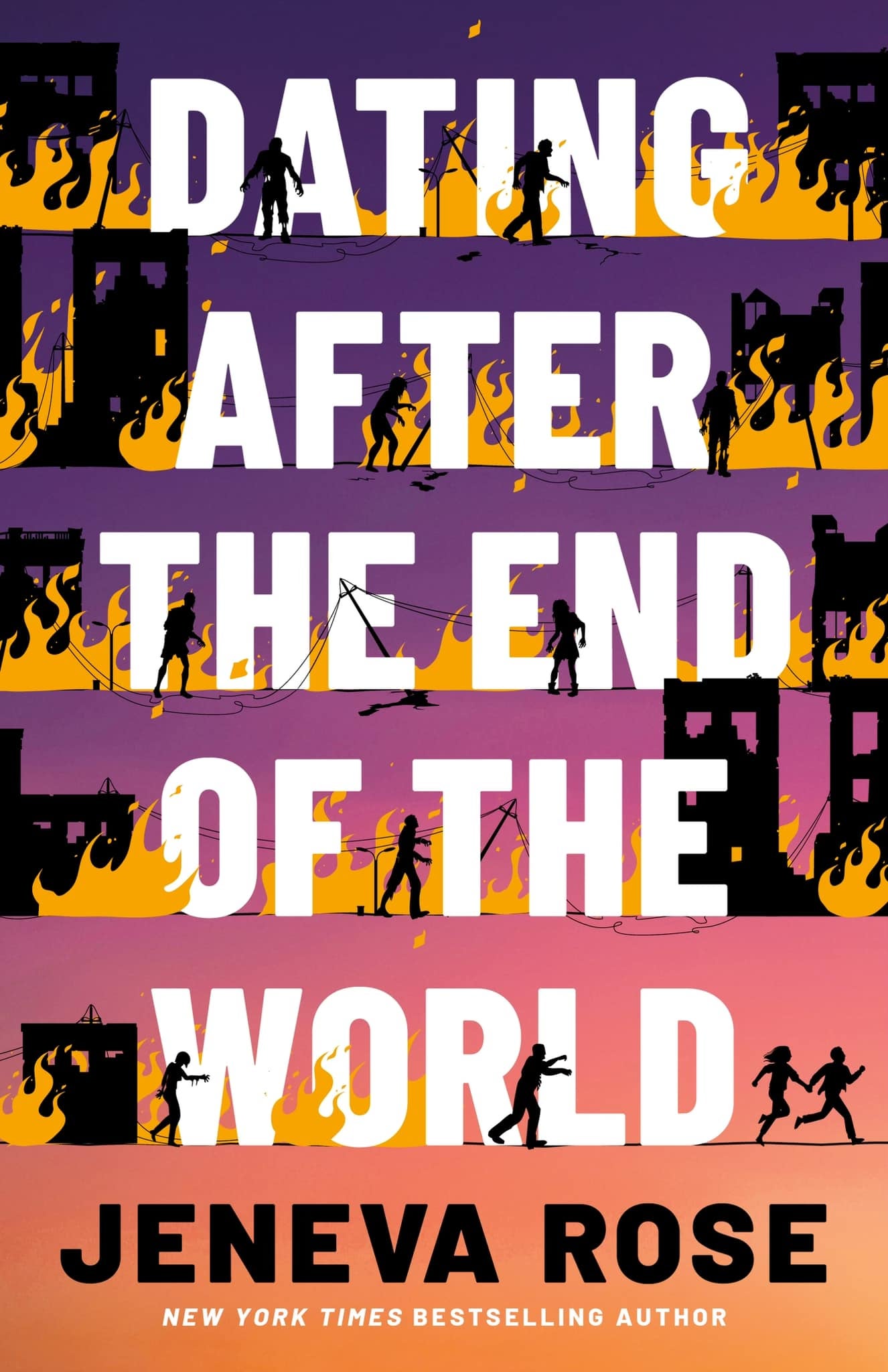
Picture this: zombies munching brains, a high school bully turned survival buddy, and romance blooming in an apocalypse. Sounds mint, yeah? Except Jeneva Rose's Dating After the End of the World is a cringe-fest that ...
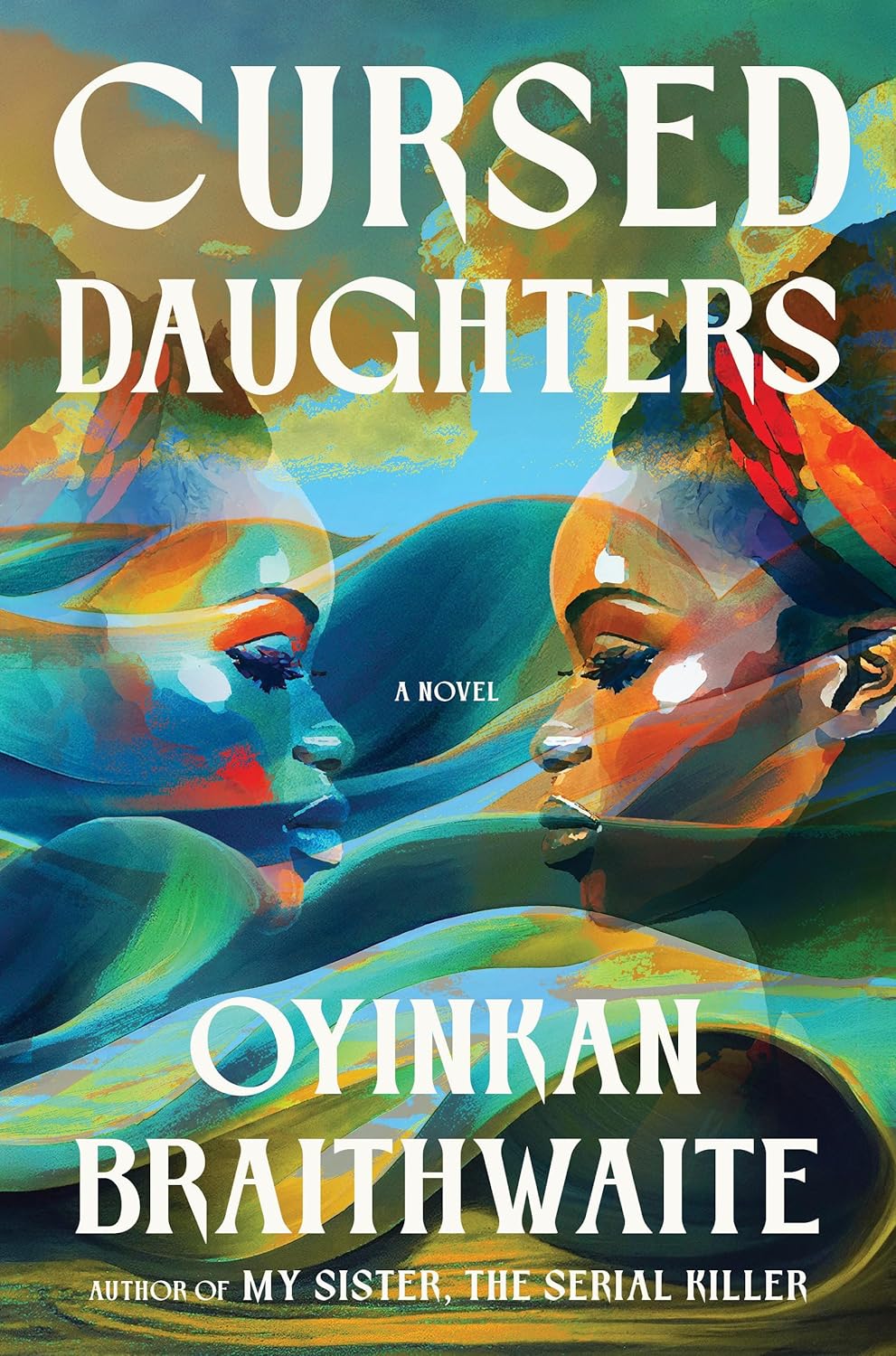
25-year-old Monife walks into the ocean to drown herself on page one. On the day they bury her, cousin Ebun gives birth to a daughter who looks exactly like the dead woman. The family instantly ...
- Fantasy fans craving quick reads: If you like fast-paced mysteries with a dash of magic, this might scratch the itch – the 48-hour deadline keeps things clipping along, as seen in the non-stop riddle-solving.
- Garber loyalists: Die-hard fans of her Caraval series will spot familiar tropes like unreliable narrators and dreamy prose; it’s like comfort food, even if it’s stale.
- Adult readers dipping into YA-ish fantasy: Folks transitioning from teen books might enjoy the “mature” themes like death and betrayal, without heavy gore.
But nah, it’s not for everyone – and here’s why it misses the mark for heaps.
- Thriller purists: If you want tight plots without loopholes, steer clear; the twists are predictable, like that obvious love interest betrayal in Chapter 20, leaving you groaning.
- Character-driven story lovers: Holland’s flip-flopping trust issues feel contrived, not deep – no real growth, just reactive decisions that frustrate.
- Those after consistent world-building: The magic system’s a mess, changing rules willy-nilly; not suitable for folks who need logic in their lore.
Overall, I’d say it’s best for casual beach readers aged 18-25 who don’t mind fluff.
Not for serious fantasy buffs or anyone over 30 seeking substance – it’ll leave you cold.
What do you reckon? Comment below if it fits your vibe or not!
Compare with Other Works
Time to stack Alchemy of Secrets against Garber’s back catalogue and similar tomes, mates.
It’s her adult debut, but does it measure up?
Nah, mostly falls short – let’s compare proper, with bullet points for clarity.
- Caraval series by Stephanie Garber: Caraval’s got that circus magic and sibling drama, much like Holland’s family ties here. But Caraval nails the whimsy better – its illusions feel enchanting, while Alchemy’s are half-baked. Caraval has sharper twists; this one’s got more filler, making it drag despite the pace.
- Once Upon a Broken Heart by Stephanie Garber: Similar morally grey love interests (hello, Jacks vibes in the grumpy bloke). OUABH excels in romantic tension, though – Alchemy’s triangle feels forced, lacking the heartfelt pull. Both blur myth and reality, but OUABH’s fairy-tale world is more cohesive than this LA mishmash.
- The Night Circus by Erin Morgenstern: Both weave magic into everyday settings with a touch of romance. Night Circus wins hands-down for atmospheric depth – its tents are vivid, unlike Alchemy’s vague Hollywood glamour. Morgenstern’s pacing is deliberate and poetic; Garber’s is rushed and erratic here.
- Ninth House by Leigh Bardugo: Urban fantasy in academia, with secret societies and dark magic. Ninth House is grittier, with real horror elements – Alchemy shies away, keeping it light. Bardugo’s protagonist has more grit than Holland’s naivety, and the plots are tighter.
In a table for quick comparison:
| Book | Strengths Over Alchemy | Weaknesses Compared to Alchemy |
| Caraval | Better world immersion, engaging puzzles | Less “adult” themes |
| Once Upon a Broken Heart | Stronger romance arcs | Slower start |
| The Night Circus | Superior atmosphere | Less action-packed |
| Ninth House | Deeper darkness, complex chars | Heavier tone, not whimsical |
Reckon Alchemy pales next to these – it’s trying to be grown-up but ends up juvenile.
Fancy a chat? Drop a comment on your fave Garber book and why!
Why the Magic Falls Flat
Just to pile on, mates – the magic system’s a bloody joke.
It’s all urban legends coming alive, but without rules.
One minute, it’s favors from the Devil; next, glowing artifacts.
Inconsistent as a politician’s promises.
Compared to solid systems in books like The Dresden Files, this is amateur hour.
Encourage ya to comment: what’s the worst magic flop you’ve read?
Final Verdict and Rant
Wrapping up, this book’s a disappointment – overhyped, underdelivered.
7 twists that promised shocks but delivered duds.
If you’re keen, borrow it, don’t buy.
What say you? Chuck your review in the comments, mates – let’s debate if it’s worth the read!
:max_bytes(150000):strip_icc():focal(668x376:670x378)/Richard-Osman-The-Impossible-Fortune-cover-040725-149fda923fc34bcc9ecef6fb5532a35a.jpg "Book Review: The Impossible Fortune – 5 Murders, £350m Crypto & 80 Laughs!")
G'day, you lot! Strap in for a yarn about The Impossible Fortune, where a bunch of old codgers in a posh retirement village stumble into a right mess involving a vanished best man, a bomb ...

G'day, mates! Imagine cracking open a book that promises a ripping yarn across centuries, only to find it bogged down in predictable twists and characters flatter than a roadkill possum. Chanel Cleeton's latest, The Lost ...