Book Review: Brigands & Breadknives Explained + 7 Reasons It Stumbles
A drunken ratkin, a depressed elf warrior, and a chaos goblin walk into a cart—and somehow this becomes the messiest midlife crisis in cozy fantasy. Travis Baldree’s third entry ditches the coffee-shop vibes for a road trip nobody asked for, complete with talking cutlery and existential dread.
Forget the warm lattes. This one’s serving lukewarm identity crisis with a side of repetitive introspection.

Detailed Summary
Opening Act: The Renovation That Never Was
Fern, our foul-mouthed ratkin bookseller, rocks up to Thune with dreams of setting up shop next to her mate Viv’s legendary coffee joint, Legends & Lattes. The townspeople pitch in, transforming a dodgy old building into something resembling a proper bookshop.
Opening day hits, customers trickle in, and Fern should be chuffed. But she’s not. Instead of celebrating, she gets absolutely legless at the local pub with a dwarf, spiraling into a proper existential meltdown about whether she actually wants this life she’s built.
In her drunken state, Fern does what any sensible person would do—climbs into a random wagon and passes out among boxes. When she wakes, she’s facing the sharp-toothed grin of Zyll, a chaos goblin with orange pigtails and an alarming collection of pockets.
The wagon belongs to Asteryx One-Ear, Blademistress and Oathmaiden, a legendary elf warrior who’s transporting Zyll to collect a bounty. Fern’s now a day and a half from Thune, nursing the hangover from hell.
The Journey Begins: Meeting the Crew
Asteryx is the definition of dead inside—going through the motions of her warrior life without any spark left. She speaks in clipped sentences, follows ancient codes that no longer serve her, and seems to be running on autopathy rather than actual purpose.
Zyll, meanwhile, is tied up with excessive rope because apparently this goblin has a history of nicking silverware and causing general mayhem. Despite being a prisoner, she’s oddly cooperative and dispenses cryptic wisdom at the most inconvenient moments.
The group also includes Bucket, Asteryx’s horse, who’s described as stolid and brave. There’s also a murder bird hanging about, adding to the general chaos of this traveling circus.
Then we meet Nigel—a talking sword with personality. Because why have a normal weapon when you can have one that judges your life choices?
Road Trip Chaos: The First Conflicts
As they travel, various ne’er-do-wells attempt to claim the bounty on Zyll. These encounters range from mildly threatening to genuinely dangerous, forcing Fern out of her comfort zone.
The battles aren’t particularly graphic or intense by fantasy standards, but they’re enough to make Fern question everything. She realizes she’s been living in a kind of stasis, doing what she thought she should rather than what she actually wants.
Asteryx fights with mechanical precision, never breaking a sweat, never showing emotion. It’s clear she’s as trapped in her role as Fern was in hers.
Zyll watches it all with that unnerving goblin grin, occasionally making comments that hit way too close to home. She’s obsessed with cutlery, particularly interested in any sharp objects she can get her hands on.
Enter Breadlee: The Sentient Kitchen Knife
At some point during their travels, they acquire Breadlee—a sentient bread knife who becomes one of the story’s most memorable characters, apparently. This piece of cutlery has opinions, attitude, and what reviewers call “a tart mouth” to rival Fern’s own cursing.
Breadlee and Nigel have a dynamic that’s meant to be amusing—the refined sword versus the scrappy kitchen knife. They bicker, they banter, they provide comic relief during tense moments.
For some readers, this is the highlight. For others, it’s further proof that the story’s lost the plot by focusing on anthropomorphized silverware instead of meaningful character development.
The knife thing is cute for about five minutes, then it becomes a gimmick that can’t carry the emotional weight the story desperately needs.
Inns, Temples, and Endless Talking
The bulk of the middle section involves stopping at various inns and temples along the way. These pit stops are meant to provide moments of reflection and character bonding.
Fern and Asteryx have multiple heart-to-hearts where they discuss their respective crises. Fern doesn’t know what she wants. Asteryx has forgotten how to want anything at all.
Zyll occasionally interrupts with bizarre comments that are somehow profound. The goblin serves as the story’s unexpected sage, which is either brilliant subversion or lazy writing, depending on your tolerance for quirky characters.
These scenes drag. The pacing, which should be tight given the bounty hunters chasing them, instead feels sluggish. We get the point after the third “who am I really?” conversation, but Baldree keeps hammering it home.
More Encounters: Rinse and Repeat
Additional groups of mercenaries and bounty hunters attack. The pattern becomes predictable: threat appears, Asteryx handles it efficiently, Fern watches while having an internal crisis, Zyll makes a weird comment.
There’s a scene involving a traveler in grey who seems suspicious but ultimately goes nowhere particularly interesting. A gnome with attitude shows up. Various other fantasy creatures make cameo appearances.
The worldbuilding expands beyond the cozy confines of Thune, which should be exciting. Instead, it feels like padding—locations and characters introduced without real purpose.
The action sequences, while competent, lack the stakes needed to make them compelling. We know Asteryx is legendary for a reason, so there’s never real tension about whether they’ll survive.
The Emotional Climax: Finding Themselves
Eventually, after countless miles and conversations, both Fern and Asteryx reach revelations about themselves. Fern realizes she doesn’t have to be a bookseller just because she’s good at it. Asteryx understands her warrior code has become a prison.
Zyll’s bounty situation resolves in a way that’s meant to be clever but feels anticlimactic. The goblin was never the real story anyway—she was just the MacGuffin to force Fern out of her comfort zone.
The friends they’ve made along the way—Bucket the horse, the sentient weapons, even the chaos goblin—become Fern’s new found family. Because every cozy fantasy needs found family, apparently.
There’s crying. There’s hugging. There’s a sense that everyone’s learned valuable lessons about being true to themselves.
Return and Resolution
Fern doesn’t immediately return to Thune, which makes sense given she literally abandoned her brand new bookshop on opening day. That business is definitely bankrupt, and her friendship with Viv is probably cooked.
The ending suggests new beginnings for everyone involved. Fern has ideas about what she might do next, though it’s frustratingly vague. Asteryx contemplates stepping away from the warrior life.
Whether any of this sticks or they’ll all just fall back into old patterns is left ambiguous. The resolution feels unearned after 300+ pages of characters circling the same revelations.
The final pages are meant to be heartwarming and hopeful, leaving readers with that cozy fantasy glow. Whether it succeeds depends entirely on your patience for introspective middle-aged characters figuring out their lives.
Character Analysis
Fern – The ratkin protagonist who spends 80% of the book swearing and wondering what she wants from life. Her character arc is “unhappy bookseller becomes unhappy traveler becomes slightly less unhappy person.” The constant cursing is meant to make her edgy and relatable, but it becomes her only personality trait. She abandons her responsibilities without consequence, which is frustrating. Her internal monologue repeats the same anxieties chapter after chapter.
Asteryx One-Ear – The legendary elf warrior who’s basically a walking depression metaphor. She’s stoic to the point of being a cardboard cutout for most of the story. Her entire personality is “follows rules” and “good at fighting.” The emotional growth happens too late to make her interesting. Her legendary status is told rather than shown.
Zyll – The chaos goblin with a shark-like mouth and an obsession with silverware. She’s the quirky character who exists to dispense wisdom and cause shenanigans. Her cryptic advice gets old fast. The “chaotic but secretly profound” trope is overplayed. She’s more plot device than person, despite attempts to make her endearing.
Nigel – A talking sword who’s supposedly refined and dignified. His interactions with Breadlee are meant to provide comedy. The joke wears thin quickly. He’s essentially a wise mentor in sword form, which is exactly as derivative as it sounds.
Breadlee – The sentient bread knife who apparently steals the show for many readers. Her “tart mouth” matches Fern’s cursing energy. She’s feisty, opinionated, and has more personality than some of the human (well, humanoid) characters. The problem is she’s a knife. A literal piece of cutlery gets more memorable moments than the main cast.
Bucket – The horse. Described as brave and stolid. Gets less character development than the kitchen utensils, which says everything about this book’s priorities.
Viv – The orc from the first book barely appears. She helps set up Fern’s shop then disappears from the story. Fans expecting more of her will be disappointed.
Compare With Other Works
Versus Legends & Lattes – The original was a 4.14 rated Goodreads sensation about an orc opening a coffee shop. It worked because the stakes were small, the setting was contained, and the cozy vibes were genuine. Brigands & Breadknives tries to be both cozy AND adventurous and fails at both. Where Legends & Lattes was warm and focused, this is scattered and lukewarm.
Versus Bookshops & Bonedust – The prequel maintained the cozy formula with young Viv recovering in a seaside town and bonding with Fern at her bookshop. It had charm, character chemistry, and actual stakes that mattered. Brigands repeats the midlife crisis plot without the same emotional resonance. Most readers rank it last in the trilogy.
Versus T. Kingfisher’s Work – Kingfisher writes cozy fantasy with actual bite. Swordheart has a talking sword too, but it’s funnier, sharper, and serves a real narrative purpose. Her characters face genuine danger and make meaningful choices. Baldree’s attempt at raising stakes feels toothless in comparison.
Versus Becky Chambers – Chambers writes character-driven sci-fi that explores identity and belonging with nuance and heart. Her Wayfarers series deals with similar “finding yourself” themes but with depth and originality. Baldree’s approach feels shallow—characters state their feelings repeatedly rather than showing growth through action.
Versus the Cozy Fantasy Genre – Books like The House in the Cerulean Sea, Howl’s Moving Castle, and The Very Secret Society of Irregular Witches balance whimsy with substance. Brigands & Breadknives mistakes repetition for depth and quirkiness for personality. It’s cozy fantasy by checklist rather than genuine heart.
Achievement Numbers
| Metric | Figure |
| Goodreads Rating | 4.31 out of 5 stars (481+ reviews) |
| Release Date | November 11-13, 2025 |
| Audiobook Length | 8 hours 24 minutes |
| Series Ranking | #3 in Legends & Lattes trilogy |
| Legends & Lattes Status | #1 New York Times Bestseller |
| Audiobook Narrator | Travis Baldree (author) |
| Publisher | Tor Books / Pan Macmillan |
| Format Availability | Hardcover, ebook, audiobook |
| Hugo/Nebula Recognition | First book was finalist |
| Goodreads Choice Awards | First book was finalist 2022 |


The original Legends & Lattes hit #1 on the New York Times bestseller list and became a TikTok sensation, though specific sales figures aren’t publicly disclosed. The series has been translated into multiple languages with growing international editions. Brigands & Breadknives arrived November 2025 to mixed reception—rated lower than its predecessors by most readers.
7 Reasons This Book Stumbles
- Identity Crisis – Can’t decide if it wants to be cozy fantasy or adventure story, so it half-arses both genres.
- Repetitive Navel-Gazing – Fern’s internal crisis gets rehashed every chapter. We get it after page 50; why are we still here at page 250?
- Sentient Cutlery Over Substance – When your most memorable characters are kitchen implements, something’s gone wrong with your character development.
- Stakes That Don’t Matter – Bounty hunters chase them, but there’s never real tension because Asteryx is too competent and plot armor is thick.
- Abandonment Without Consequences – Fern literally ditches her business and responsibilities on day one, and the story treats this as liberating rather than deeply irresponsible.
- Dialogue That Drags – Characters talk in circles, having the same conversation about feelings and purpose multiple times in slightly different locations.
- Misleading Marketing – Advertised as cozy fantasy but delivers a road trip therapy session with occasional stabbings. Fans of the first two books feel betrayed by the tonal shift.
Writing Quality: The Technical Stuff
Baldree’s prose remains competent but unremarkable. His sentence structure is clean, his descriptions adequate, but nothing jumps off the page with particular beauty or insight.
The dialogue is where things falter most. Fern’s constant swearing is meant to give her edge, but it becomes a crutch. When every third word is a curse, it stops being characterization and becomes annoying verbal tic.
The pacing is genuinely problematic. The middle 40% of the book treads water, with similar encounters and conversations repeating. Better editing could have tightened this to a leaner, more impactful story.
Baldree excels at audiobook narration—he voices his own work—which adds dimension. His performance elevates material that might feel flatter on the page.
Who This Book’s Actually For
If you’re experiencing a midlife crisis and need validation that it’s okay to blow up your life, this might resonate. The target audience seems to be 40-something readers questioning their career choices and life paths.
Fans of the previous books wanting more cozy shop-opening vibes will be disappointed. This is different in tone and energy, trading warm comfort for restless wandering.
Readers who love quirky side characters and found family tropes might enjoy it despite the flaws. The sentient weapons genuinely charm some people, even if they’re gimmicky.
Anyone wanting tight plotting, genuine stakes, or character development that happens through action rather than endless introspection should look elsewhere.
The Verdict: Cozy Fantasy’s Awkward Middle Child
Brigands & Breadknives reads like Baldree had an existential crisis while writing it, unsure whether to stick with the formula that made him famous or branch into something new. The result satisfies neither camp fully.
It’s not terrible—the writing is professional, the world is still pleasant, and moments of genuine warmth exist. But it’s aggressively mediocre, a book that will be forgotten quickly despite the pedigree of its predecessors.
The series peaked with Legends & Lattes. Bookshops & Bonedust maintained momentum. This one stumbles across the finish line, carried more by brand loyalty than actual quality.
Your move, Baldree. Stick to coffee shops next time.
Drop your thoughts below—did the sentient bread knife save this book or is that the most ridiculous thing you’ve heard today? And seriously, who abandons their business on opening day? Let’s discuss.
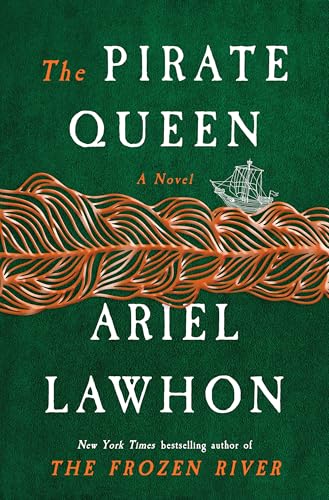
Ariel Lawhon trades frozen rivers for the Irish Sea — a full review of The Pirate Queen: detailed synopsis by timeline, every character dissected, and whether 448 pages of Gráinne Ní Mháille earn a spot ...
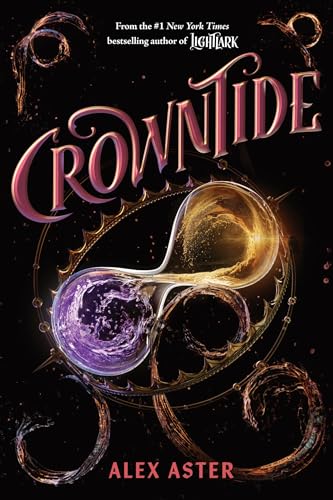
Isla Crown's back, and she's dragged herself—plus her two man-children kings—into another realm to fight her psycho ancestor. Spoiler: it's exactly as messy as it sounds. Crowntide, the fourth instalment in Alex Aster's Lightlark saga, ...