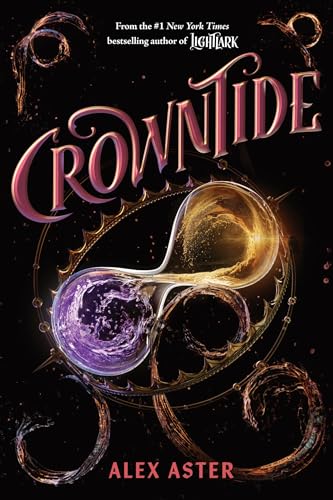
Crowntide Book Review: 4 Reasons This Love Triangle Drags On
Isla Crown’s back, and she’s dragged herself—plus her two man-children kings—into another realm to fight her psycho ancestor. Spoiler: it’s exactly as messy as it sounds.
Crowntide, the fourth instalment in Alex Aster’s Lightlark saga, drops Isla in Skyshade, a hostile world where she’s hunting down Lark, the original Wildling and certified villain granny. Meanwhile, Grim and Oro are back on Lightlark having a big sulk because Isla bailed without them.
Their solution? Form an alliance despite centuries of wanting to rip each other’s throats out. The entire book hinges on whether these three can get their act together long enough to save the realms—or if Isla will just keep snogging both of them while the world burns.
Keys:
- Isla stuck in Skyshade fighting for survival against Lark while Grim and Oro reluctantly team up
- A love triangle that refuses to die after 3 books and 3 million copies sold
- Multiple POVs from Isla, Grim, and Oro that reveal just how exhausting this drama is
- Why this 448-page book feels like it should’ve ended two books ago
Detailed Summary
Part One: Isla Enters Skyshade
Crowntide picks up immediately after Skyshade’s cliffhanger ending. Isla has voluntarily yeeted herself through a portal into Skyshade, the ancestral realm, with one mission: kill Lark, her insidious ancestor who’s been pulling strings for centuries. The moment Isla lands, she realizes Skyshade is nothing like the magical wonderland she imagined.
It’s hostile, brutal, and determined to kill her. Isla has to rely on every skill she’s learned—her Wildling powers, her absorbed Nightshade abilities, and her capacity to kill for survival. The opening chapters establish that Lark isn’t just powerful; she’s ancient, cunning, and has been waiting for Isla to arrive. Isla quickly understands that brute force won’t win this fight.
She needs strategy, and she needs to survive long enough to find Lark’s weakness. The realm itself is a character—dangerous flora, deadly creatures, and landscapes that shift without warning. Isla spends days navigating this nightmare, searching for clues about Lark’s location and power source.
Part Two: Grim and Oro’s Reluctant Alliance
Back on Lightlark, Grim and Oro are losing their minds. Isla’s gone, potentially to her death, and neither king can do a damn thing about it. For the first time in the series, readers get POV chapters from both Grim and Oro, and it’s simultaneously enlightening and exhausting.
Grim is spiralling, blaming himself for every choice that led to this moment. His guilt over erasing Isla’s memories in book one, his betrayals, his war—it all comes crashing down. He’s desperate to get Isla back, but he knows he can’t do it alone.
Oro, ever the stoic Sun King, is equally devastated but channels it differently. He’s methodical, strategic, and painfully aware that Isla chose to leave him (again). His POV reveals the depth of his feelings and his frustration with the love triangle that’s consumed their lives.
The two kings are forced into an alliance, and it’s as awkward as you’d expect. Centuries of betrayals don’t vanish overnight. They argue, they posture, they grudgingly admit they both love the same woman. The alliance is built on shaky ground, but it’s their only option.
Part Three: The Hunt for Lark
Isla’s hunt for Lark intensifies. She discovers that Lark has been manipulating events across realms for millennia, orchestrating the curses, the wars, and even Isla’s own existence. Lark views Isla as both a threat and a tool—someone with enough power to either destroy or continue her legacy.
The confrontations between Isla and Lark are brutal. Lark is everything Isla could become if she let darkness consume her: ruthless, powerful, and utterly devoid of mercy. Their battles aren’t just physical; they’re psychological. Lark taunts Isla about her indecision, her inability to choose between Grim and Oro, her weakness for love.
Isla fights back, but she’s outmatched. Lark has had centuries to hone her abilities, while Isla is still figuring out the extent of her powers. The middle section of Crowntide is a slog of near-death experiences, cryptic revelations, and Isla desperately trying to find an advantage.
Part Four: Grim and Oro’s Journey
Grim and Oro don’t sit idle. They use ancient texts, forbidden magic, and their combined resources to find a way into Skyshade. Their journey forces them to confront their shared history—the wars, the lies, the love they both have for Isla.
Oro’s POV chapters reveal his internal conflict: he loves Isla, but he’s tired of being her second choice. He questions whether fighting for her is worth the pain, but ultimately decides she’s worth everything. His character development is the strongest in this book, finally giving him depth beyond “noble king who pines.”
Grim, on the other hand, remains obsessed. His chapters are darker, more desperate. He’d burn the world to save Isla, and that single-minded devotion is both romantic and deeply unhealthy. The book doesn’t shy away from showing how toxic his obsession can be.
The kings eventually discover a dangerous ritual that could open a portal to Skyshade—but it requires immense sacrifice. They debate, they argue, and ultimately, they agree to risk it all.
Part Five: The Convergence
The climax brings all three POVs together. Grim and Oro successfully breach Skyshade and find Isla barely holding on. The reunion is chaotic—relief, anger, accusations, and yes, more romantic tension because apparently the world ending isn’t enough drama.
Together, the three of them face Lark in a battle that’s equal parts magical warfare and emotional reckoning. Lark forces them to confront their worst fears and deepest regrets. She exploits the love triangle, turning their feelings into weapons against them.
The fight is brutal, and not everyone walks away unscathed. The book delivers on action, but it’s bogged down by the constant romantic angst. Even in the middle of life-or-death stakes, Isla’s torn between Grim and Oro, and it’s maddening.
Part Six: The Resolution (Sort Of)
Crowntide ends with Lark defeated—or is she? The book leaves enough ambiguity to suggest this isn’t truly over. Isla survives, Grim and Oro survive, but the cost is high. Relationships are fractured, trust is shattered, and the love triangle remains painfully unresolved.
The final chapters hint at another book (because of course there is). Isla makes a choice—or does she? The ending is deliberately vague, designed to keep readers hooked for the next instalment. It’s frustrating, it’s predictable, and it’s exactly what you’d expect from a series that’s milking this love triangle for all it’s worth.
Characters?
Isla Crown
Isla remains the series’ most divisive character. On paper, she’s powerful—a dual-realm ruler with Wildling and Nightshade abilities, plus the capacity to absorb powers by killing. In practice, she’s indecisive, reckless, and exhaustingly self-absorbed.
Crowntide gives her moments of genuine strength, particularly when facing Lark. She’s resourceful, determined, and willing to sacrifice herself. But those moments are undercut by her constant flip-flopping between Grim and Oro. Four books in, and she still can’t make a decision. Her character growth is minimal, and her refusal to choose feels less like depth and more like Aster dragging out the drama.
Grim (The Nightshade Ruler)
Grim is the dark, brooding love interest who’s been in love with Isla since before the series began. His POV chapters in Crowntide finally give readers insight into his motivations, his guilt, and his obsession. He’s deeply flawed—manipulative, possessive, and willing to cross moral lines for Isla.
The book tries to redeem him by revealing his traumatic past (abusive father, cruel upbringing), but it feels like a lazy excuse for his toxic behavior. Grim’s devotion to Isla is intense, but it borders on unhealthy. He’s compelling in small doses, but an entire POV reveals how exhausting his character is.
Oro (The Sunling King)
Oro gets the most significant character development in Crowntide. His POV chapters reveal a man torn between duty and desire, tired of being Isla’s backup plan. He questions his love for her, considers walking away, but ultimately can’t.
Unlike Grim, Oro has interests and desires beyond Isla. He cares about his kingdom, his people, and justice. His internal conflict is the most believable, and his frustration with the love triangle mirrors the readers’. If Aster had given him this depth earlier, he’d be a far more compelling character.
Lark (The Villain)
Lark is everything a fantasy villain should be: ancient, powerful, and morally bankrupt. She’s Isla’s ancestor, the original Wildling, and she’s been orchestrating chaos for millennia. Her motivations are clear—maintain power at any cost.
She’s a formidable antagonist, but she suffers from typical villain syndrome: she talks too much, reveals her plans too easily, and underestimates Isla repeatedly. Despite her supposed cunning, she makes rookie mistakes that undermine her threat level.
Supporting Characters
Cleo, Celeste, and the other realm rulers are barely present in Crowntide. They exist in the background, occasionally popping up to remind readers they exist. It’s a wasted opportunity—these characters had potential, but Aster sidelines them in favor of the love triangle.
| Character | Role | Development | Likability |
|---|---|---|---|
| Isla Crown | Protagonist | Minimal | Divisive |
| Grim | Love Interest #1 | Moderate | Polarizing |
| Oro | Love Interest #2 | Strong | Improving |
| Lark | Villain | Moderate | Effective but flawed |
Compare With Other Works
ACOTAR (A Court of Thorns and Roses) by Sarah J. Maas
The comparison is inevitable. Both series feature a female protagonist caught between two powerful men, fae-inspired magic systems, and high-stakes fantasy worlds. However, ACOTAR executes it better.
Feyre’s character growth across the series is substantial—she evolves from a struggling human to a powerful High Lady. Isla, by contrast, feels stagnant. The love triangle in ACOTAR was divisive, but SJM eventually committed to a choice (Rhysand). Aster refuses to do the same, stretching the tension across four books and counting.
ACOTAR also has richer world-building, more compelling side characters, and prose that, while indulgent, doesn’t feel juvenile. Lightlark series reads like a pale imitation, borrowing tropes without the depth.
Fourth Wing by Rebecca Yarros
Fourth Wing is another recent BookTok sensation with dragons, romance, and magic. The key difference? Yarros commits to her choices. Violet chooses Xaden by the end of book one, and the subsequent books build on that foundation rather than rehashing the same will-they-won’t-they drama.
Fourth Wing also has better pacing. The action scenes are tighter, the character development is more consistent, and the world-building is more cohesive. Lightlark series feels bloated by comparison, stretching thin plots across multiple books.
The Hunger Games by Suzanne Collins
Aster herself compared Lightlark to The Hunger Games, which is absurd. The Hunger Games has tight plotting, social commentary, and a protagonist who makes difficult choices under pressure. Katniss chooses survival, then rebellion, then Peeta—but each choice is earned through character development.
Isla doesn’t have that trajectory. The “deadly game” premise of Lightlark was abandoned by book two, and the series devolved into standard fantasy romance. The comparison was always marketing fluff, but it’s particularly glaring in Crowntide, which has zero resemblance to Collins’ work.
| Series | Protagonist Growth | Love Triangle Resolution | World-Building | Pacing |
|---|---|---|---|---|
| Lightlark | Minimal | Unresolved (4 books) | Inconsistent | Slow |
| ACOTAR | Strong | Resolved (Book 2) | Rich | Moderate |
| Fourth Wing | Moderate | Resolved (Book 1) | Detailed | Fast |
| Hunger Games | Exceptional | Resolved (Book 3) | Functional | Tight |
Achievement
3 Million Series Copies Sold
The Lightlark series has sold over 3 million copies worldwide, a staggering number for a debut author. This figure includes all four books and various special editions. It’s a testament to Aster’s marketing prowess and the power of BookTok, though critics argue sales don’t equal quality.
100+ Weeks on NYT Bestseller List
Lightlark has spent nearly 100 weeks on the New York Times Bestseller list, including multiple stints at #1. The series consistently charts, even returning to #1 two years after the original release thanks to collector’s editions and aggressive marketing.
24,000 First-Week Sales
The first book sold 24,000 copies in its first week, an impressive debut that launched Aster into the spotlight. Subsequent books have maintained strong sales, though exact figures for Crowntide aren’t yet available (released December 2025).
Universal Pictures Film Deal
Before Lightlark even hit shelves, Universal Pictures secured the film rights with producers from Twilight and Love, Simon attached. Aster serves as executive producer, though no production timeline has been announced.
$460,000+ Book Deal
Aster’s initial three-book deal was worth over $460,000, including foreign rights. This six-figure deal came after her viral TikTok pitch, making her one of BookTok’s biggest success stories.
Goodreads Rating: 3.82/5
Crowntide currently holds a 3.82 rating on Goodreads (based on early reviews), slightly higher than previous books. However, the reviews are polarized—die-hard fans rate it 5 stars, while critics give it 1-2 stars. The rating reflects the series’ divisive nature.
| Metric | Achievement |
|---|---|
| Series Sales | 3 million+ copies |
| NYT Bestseller Weeks | 100+ weeks |
| First Week Sales | 24,000 copies |
| Book Deal Value | $460,000+ |
| Film Deal | Universal Pictures |
| Goodreads Rating | 3.82/5 stars |
Writing Quality
Aster’s prose remains accessible but juvenile. Sentences like “smiled meanly” and descriptions of expressions that read like a 12-year-old wrote them plague the series. Crowntide improves slightly—the multiple POVs add variety—but the writing still lacks sophistication.
The dialogue is particularly weak. Characters speak in modern slang that feels out of place in a fantasy setting. Emotional moments are undercut by clunky phrasing, and the romantic scenes veer into cringe territory. For a series marketed to older YA/NA audiences, the writing feels middle-grade.
Pacing Issues
Crowntide is 448 pages, but it feels longer. The middle section drags as Isla wanders Skyshade without clear direction. Grim and Oro’s alliance takes too long to form, with repetitive arguments about their shared history.
The action scenes, when they arrive, are chaotic and hard to follow. Aster describes magic and battles in vague terms, making it difficult to visualize what’s happening. The climax is rushed, cramming too much into the final chapters after a sluggish buildup.
The Love Triangle Fatigue
Four books in, and the love triangle is exhausting. Readers have begged Aster to let Isla make a choice, but Crowntide doubles down. Isla insists she loves both Grim and Oro equally, and the book bends over backwards to validate that.
The problem isn’t the love triangle itself—it’s that it’s the only conflict that matters. Political intrigue, realm dynamics, and even the battle against Lark take a backseat to “Who will Isla choose?” It’s shallow, repetitive, and wearing thin.
Verdict
Crowntide is a book that didn’t need to exist. The series could’ve—should’ve—ended with Skyshade, but Aster’s milking this cash cow for all it’s worth. The plot is stretched thin, the characters are stagnant, and the love triangle has overstayed its welcome.
That said, die-hard fans of the series will enjoy the multiple POVs and the (temporary) defeat of Lark. If you’ve made it through three books, you’ll probably read Crowntide out of obligation. Just don’t expect resolution, growth, or anything remotely satisfying.
For new readers: skip this series. There are better fantasies, better romances, and better love triangles out there. Lightlark is a marketing phenomenon, not a literary one.
Drop a comment below if you’re still Team Grim or Team Oro—or if you’re like me and Team “Isla Should Be Alone.” And if this review saved you from wasting 448 pages of your life, consider sharing it with a mate who needs the warning.
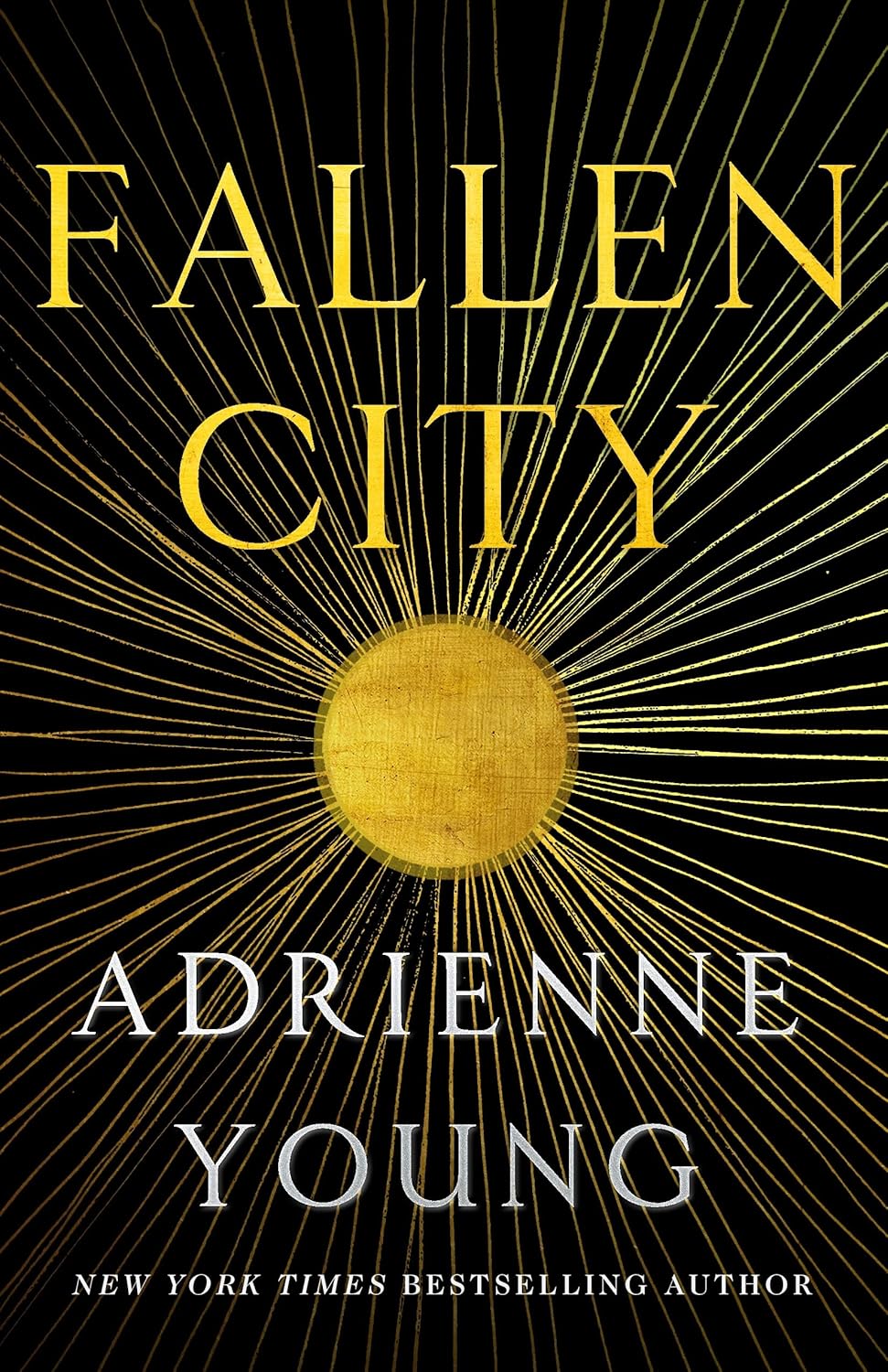
This star-crossed disaster throws you into ancient Isara where a legionnaire and a magistrate's daughter get tangled in a rebellion they never asked for. The gods are meddling, the city's burning, and these two lovers ...

Picture this: a country starlet traumatised at a concert, fleeing to Kentucky, and bumping into a bloke she'd already shagged in his truck months prior. Sounds spicy, yeah? But mate, what could've been a ripper ...