Fallen City Review: 7 Reasons This Greco-Roman Fantasy Stumbles
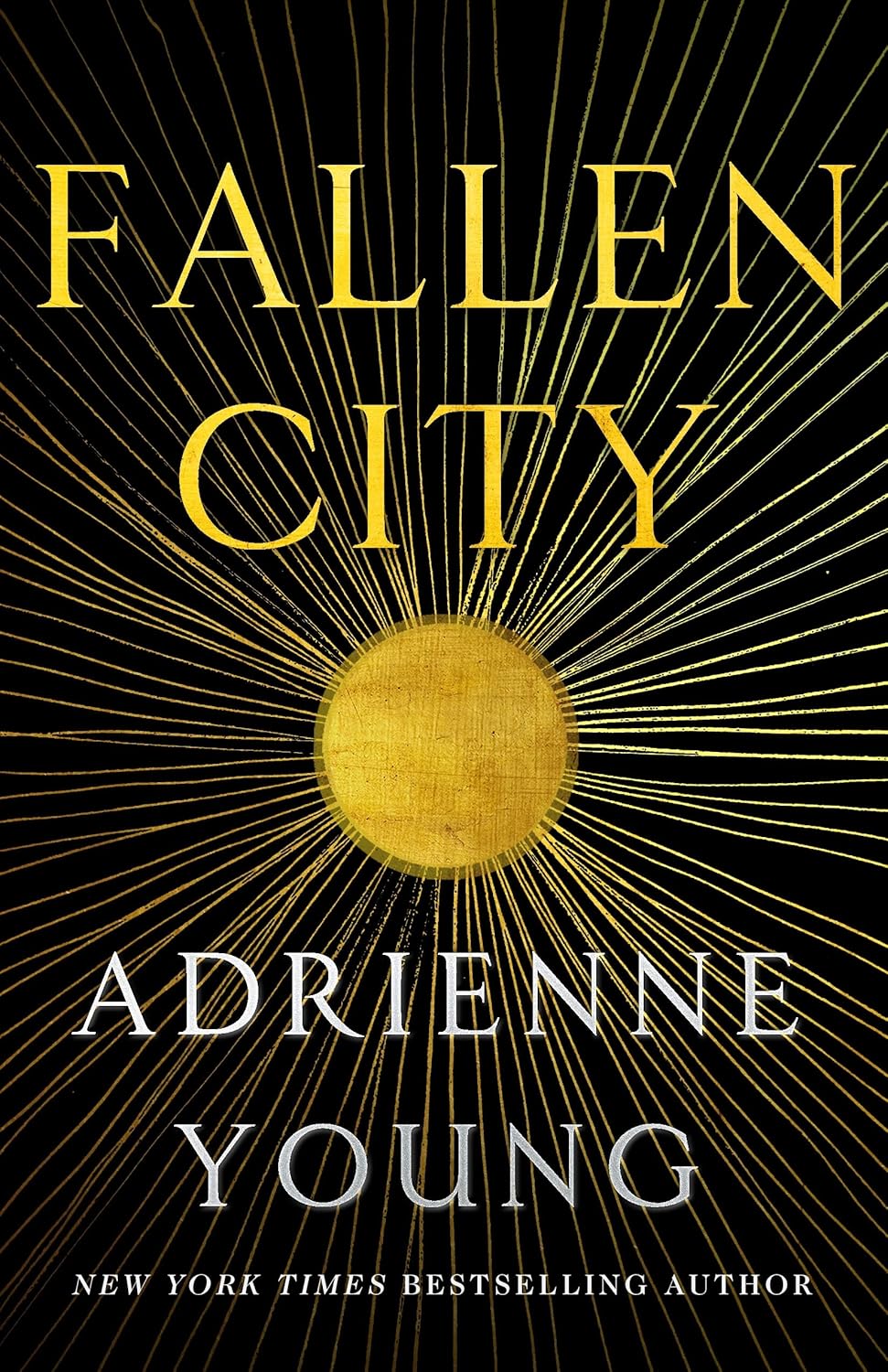
This star-crossed disaster throws you into ancient Isara where a legionnaire and a magistrate’s daughter get tangled in a rebellion they never asked for. The gods are meddling, the city’s burning, and these two lovers end up on opposite sides of a holy war that’ll rip your heart out and stomp on it. But here’s the kicker—the nonlinear timeline is so confusing you’ll wonder if the gods scrambled your brain too.
Detailed Summary
Opening Chaos
Fallen City dumps you straight into the walled city of Isara without a map or guidebook. The city’s split between the wealthy Citadel dwellers and the scraping-by Lower City folk. A rebellion’s been brewing for a century, and it’s finally boiling over.
Luca Matius is a legionnaire who never wanted any of this political rubbish. His cruel uncle holds power in the Forum, and Luca’s expected to carry on the family legacy. Instead, he becomes a novice to the city’s Philosopher, which puts him smack in the middle of a catastrophe.
Maris Casperia grew up in the Citadel’s strategic chess games. She’s been a novice to the last Priestess who’s hoarding stolen magic from the Old War. Maris dreams of a different future for Isara, one where corruption doesn’t run the show.
When these two meet, the gods basically hit the “start drama” button.
The Before Timeline
The story jumps between “Before” and “Now” timelines, which sounds clever but mostly feels like getting whiplash. In the Before sections, you see how Luca and Maris first crossed paths and fell for each other despite their positions.
Their romance had to stay secret because a legionnaire shagging a Magistrate’s daughter is basically asking for execution. They met during some city function, locked eyes, and boom—star-crossed lovers activated.
The problem? These Before scenes rush through their relationship development. One minute they’re strangers, next they’re declaring undying love. You’re left wondering what actually made them fall for each other besides convenience and plot demands.
Maris works under the Priestess, learning about the stolen magic that the city’s elite took during the Old War. This magic was supposed to belong to the gods, but humans nicked it and pretended they deserved divine favor.
The Rebellion Ignites
A secret comes to light that throws Isara into absolute chaos. The details are deliberately vague in the marketing, but it involves the corruption in the Citadel and how the ruling class has been screwing over the Lower City for generations.
An execution goes sideways and suddenly Luca becomes the symbol of the rebellion whether he wants it or not. The gods have chosen him, which is about as useful as being chosen for a firing squad.
Luca doesn’t want to lead anyone. He’s not some brave revolutionary—he’s just a bloke who wanted to survive his uncle’s cruelty and maybe have a quiet life. But destiny doesn’t care about your preferences.
The Now Timeline
In the present sections, the rebellion is in full swing. The Lower City is fighting against the Citadel, and it’s bloody, messy, and heartbreaking.
Luca and Maris are on opposite sides now. He’s the reluctant face of the rebellion, basically forced into the role by circumstance and divine meddling. She’s part of the Citadel’s ruling council, trying to reform the system from inside.
They still love each other, which makes everything ten times worse. Every decision feels like choosing between their hearts and their duties.
The Alliance Plot
Before everything goes to hell, Luca and Maris hatch a plan to create a calculated alliance. They think they can tip the scales of power and maybe—just maybe—find a solution where they don’t have to destroy each other.
It’s naive as hell, but you can’t fault them for trying. The plot involves political maneuvering, secret meetings, and a lot of “if we’re caught, we’re dead” tension.
Of course, nothing goes according to plan. This is a tragedy, not a fairy tale.
The Gods Intervene
The gods aren’t just watching from the sidelines—they’re actively writing this story. Luca and Maris are chess pieces in a divine game they don’t understand.
The gods’ motivations remain frustratingly unclear throughout most of the book. You know they’re pulling strings, but why? What do they actually want? The book doesn’t give you enough answers.
This would be more compelling if the gods were properly fleshed out characters instead of vague forces of fate.
The Holy War
As the rebellion escalates into a holy war, the body count rises. Friends die, alliances crumble, and the city tears itself apart.
Maris realizes that changing the system from inside is impossible. The corruption runs too deep. She has to make choices that would’ve horrified the idealistic girl she used to be.
Luca grapples with being a symbol. Real people are dying in his name, fighting for a cause he accidentally started. The weight of leadership crushes him.
The Gut-Punch Ending
The final act builds to a crescendo that’ll leave you emotionally wrecked. Luca and Maris’s fates diverge in ways that feel both inevitable and devastating.
The ending doesn’t resolve much—this is book one of a duology, after all. You’re left hanging on a cliffhanger that practically demands you count down the days until the sequel drops.
Whether they can find their way back to each other remains the central question. But by the end, you’re wondering if there’ll be anything left of Isara or their love to salvage.
Character Plots
Luca Matius – The reluctant hero who never wanted this gig. He’s faithless, which is ironic considering the gods choose him as their instrument. Luca’s arc is about being forced into leadership when all he wanted was to survive his uncle’s cruelty and maintain his family’s presence in the Forum. His major flaw? He needs to man up. Throughout the book, he’s too passive, too willing to be swept along by fate instead of grabbing destiny by the throat. His love for Maris is genuine, but some of his decisions don’t match his supposed devotion. He’s meant to be the symbol of rebellion, but he lacks the spine to truly embody it. By the end, you’re hoping book two transforms him into someone worthy of the role thrust upon him.
Maris Casperia – The pious idealist who thinks she can reform a corrupt system from the inside. She’s been raised in the Citadel’s strategic games, serving as novice to the last Priestess who possesses stolen magic from the Old War. Maris envisions a different future for Isara, but she’s painfully naive about the cost of change. Her character arc involves the brutal realization that reform isn’t possible—revolution is the only path. She’s forced to do things that betray her principles, which is compelling in theory but rushed in execution. Her devotion to both the gods and Luca creates internal conflict, but you never quite believe in her relationship with Luca because it develops too quickly in the Before timeline. She needs more agency and less hand-wringing.
The Philosopher – Luca’s mentor who represents science and reason in a world dominated by religious fervor. He’s positioned as the counterpoint to the Priestess, believing in knowledge over divine will. His role in the catastrophe that unfolds is significant, but the book doesn’t give him enough page time to become a fully realized character. He’s more of a plot device than a person.
The Priestess – The last person who possesses stolen magic from the Old War. She mentors Maris and holds secrets that could change everything. Her character embodies the religious side of Isara’s conflict. Like the Philosopher, she deserves more development. You know she’s important, but you never really understand her motivations or history.
Luca’s Uncle – The cruel, powerful figure in the Forum who shapes Luca’s early life. He’s meant to die at some point, passing the family legacy to Luca. He represents the corrupt old guard that the rebellion fights against. He’s a straightforward villain without much nuance.
Supporting Cast – Various magistrates, legionnaires, and rebels populate the story, but most remain frustratingly underdeveloped. You know they’re dying in the war, but you don’t care because you barely know them. This is a major weakness—the book focuses so heavily on Luca and Maris that the supporting characters become wallpaper.
Compare With Other Works
Fallen City desperately wants to be The Song of Achilles meets Red Rising but misses both marks. Where Madeline Miller crafted an intimate, devastating romance against the backdrop of myth, Young’s love story feels rushed and underdeveloped. The Before timeline should’ve been a full book establishing why we care about these lovers, but instead it’s cliff notes of a relationship.
The political rebellion elements echo Pierce Brown’s Red Rising, but without the visceral action or clear revolutionary stakes. Red Rising made you feel the oppression and understand exactly why the system needed burning. Fallen City tells you the Citadel is corrupt but doesn’t show you enough brutality to justify holy war.
Compared to Young’s own previous work, particularly the Fable series, this feels like a departure that doesn’t quite land. Fable had action, clear stakes, and a protagonist you could root for. Fallen City trades action for political intrigue but doesn’t commit hard enough to either.
The dual timeline structure resembles The Invisible Life of Addie LaRue, but where Schwab’s timelines illuminated character development, Young’s just creates confusion. You’re constantly yanked between Before and Now without enough context to ground yourself.
If you loved Circe, you might find Fallen City’s god-meddling interesting, but Miller’s prose is poetry while Young’s is merely competent. The gods in Circe had personality and clear desires. The gods in Fallen City are vague puppet masters whose motivations remain frustratingly unclear.
Achievement
Here’s where the numbers get interesting—or rather, where they don’t exist yet. Fallen City drops November 4, 2025, so there’s no sales data or chart positions to report. However, Adrienne Young brings serious credentials to the table.
She’s a New York Times and international bestselling author with 16,400 followers on Goodreads across 26 published books. Her previous works like Sky in the Deep and the Fable series hit bestseller lists, proving she’s got commercial appeal.
The Goodreads pre-release buzz shows mixed reception. Early ARC reviews on Goodreads show a split between 4-5 star ratings from devoted fans and 2-3 star ratings from readers who found it confusing. The rating distribution isn’t strong enough to predict blockbuster status.
On social media, the book’s generating moderate interest on BookTok and Instagram, but it’s not reaching viral levels. Most posts come from dedicated Adrienne Young fans rather than broader fantasy readership.
The limited edition pre-order sold through Saturday Books features stenciled edges, custom character endpapers, and foiled case stamps—suggesting the publisher has confidence in the book’s collectability. They wouldn’t invest in deluxe editions without expecting solid sales.
Young has author events scheduled, including a signing with Stephanie Garber on November 10, 2025, at Barnes & Noble, which indicates publisher support for a publicity push.
NetGalley distributed ARCs widely to reviewers, with enough advance copies circulating to generate substantial pre-release discussion. This is a calculated marketing move to build buzz before launch.
The book’s positioned as adult fantasy—Young’s first in this category after building her career in young adult. This transition could either expand her audience or alienate existing fans who prefer YA sensibilities.
The Pacing Problem
Let’s be brutally honest—this book is slow as molasses in winter. The opening chapters dump you into a world with unfamiliar terminology, dozens of character names, and a nonlinear structure that’ll have you flipping back and forth trying to piece together what’s actually happening.
If you’re expecting the action-packed adventure of Young’s earlier works, prepare for disappointment. This is political intrigue, which means lots of talking, scheming, and internal monologues. The actual rebellion violence happens mostly off-page or in brief bursts.
The Before timeline scenes grind the momentum to a halt every time you’re getting invested in the Now sections. Just when the rebellion plot gains traction, you’re yanked back to watch Luca and Maris moon over each other in secret meetings.
The Romance Fumble
For a book that hinges on forbidden love, the romance is surprisingly unconvincing. You’re told Luca and Maris love each other deeply, but you’re not shown enough moments to believe it. Their relationship develops in montage rather than scene.
The chemistry exists, but it’s surface-level attraction dressed up as epic love. They have maybe three substantial conversations in the Before timeline before declaring themselves soul mates. Come on.
The “star-crossed lovers on opposite sides” trope could work if the emotional foundation was solid. Instead, it feels like going through the motions because the plot demands they be in love, not because the characters earned it.
When they’re separated by the war, you should be heartbroken. Instead, you’re mildly concerned and mostly focused on the more interesting political machinations.
What Actually Works
The worldbuilding has potential. Isara feels like an actual city with history, architecture, and culture. The Greco-Roman influences create a familiar-yet-fantasy atmosphere that mostly works.
Young’s prose is competent and occasionally beautiful. She knows how to craft an atmospheric sentence and build tension through description. When she’s on, you can visualize Isara’s crumbling grandeur.
The central question—fate versus free will—is philosophically interesting. Are Luca and Maris choosing their paths, or are the gods writing a story they’re powerless to change? This theme deserves the full duology to explore properly.
The ending does land with emotional impact. Despite the book’s flaws, that final act gut-punch works. You’ll want the sequel immediately.
Should You Bother?
If you’re a die-hard Adrienne Young fan, you’ll read it regardless of this review. Go ahead—maybe you’ll connect with it more than I did.
If you love slow-burn political fantasy and don’t mind confusing structure, give it a shot. Just know you’re signing up for a duology, so you won’t get resolution.
If you want action, clear stakes, and well-developed romance, skip it. Read The Song of Achilles or Red Rising instead. They do what this book attempts but better.
If you’re curious about the Greco-Roman fantasy setting and can tolerate pacing issues for interesting worldbuilding, maybe borrow it from the library first. Don’t drop $32 on the hardcover until you’re sure it’s your thing.
The book isn’t terrible—it’s just frustratingly mediocre when it could’ve been great. Young has the skill to write compelling fantasy, but this needed either another draft or different structural choices.
Drop a comment below and tell me if you’re planning to read this or if you’ve already snagged an ARC. Did the dual timeline work for you, or did it give you whiplash like it did me? Let’s fight about it in the comments.

Andy and Dominique, cousins in small-town Indiana, both spectacularly ruin their New Year's Eve. Andy pukes on her crush, loses her car, and discovers her family's business faces closure. Dominique returns home as an influencer ...

Mate, imagine a marriage where she plots your murder mid-shag – that's Tender Cruelty by Katee Robert, Dark Olympus #9. This enemies-to-lovers banger cranks the hate-sex dial to 11, with Olympus crumbling and Zeus/Hera forced ...