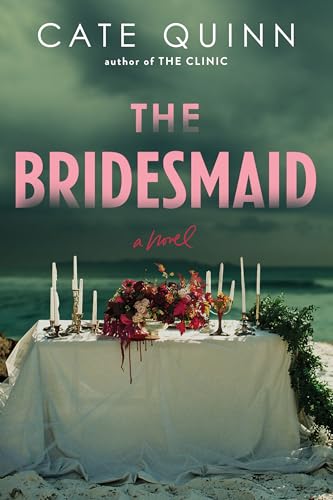
Book Review: The Bridesmaid Summary & Explained – 1 Killer, 0 Logic
One dead bridesmaid hanging in a designer wedding dress. Three days locked in a panic room during a kidnapping. Five suspects who all went to the same dodgy boarding school. A three-day wedding circus on a private Colombian island funded by Instagram sponsors. If you’re thinking this sounds like a fever dream crossed with a Keeping Up with the Kardashians episode gone homicidal, you’d be spot on—and that’s precisely the problem with Cate Quinn’s The Bridesmaid.
Stick around to uncover:
- Why a forensic expert with blue hair makes the world’s worst undercover operative
- How boarding school mean girls apparently become murderers
- The sponsorship-obsessed bride who cares more about her brand than dead bodies
- Whether this Caribbean bloodbath actually delivers on its twisted premise
Detailed Summary
Opening Scene: New York City Hotel Ballroom
The book kicks off in a Manhattan hotel where Adrianna Kensington, nightclub heiress and professional influencer, has gathered her bridesmaids for a final dress fitting. One small hiccup: a bridesmaid ends up strung from the ceiling like a macabre art installation, draped in one of Adrianna’s exclusive designer wedding gowns. The victim isn’t just any bridesmaid—she’s an investigative journalist who’d been digging into Adrianna’s unsolved kidnapping from three years prior. Blood everywhere, wedding dresses hanging beside the corpse, and Adrianna’s first concern? Whether this will mess with her sponsorship deals.
The murder scene tries desperately to shock you, positioning multiple gowns around the body in some theatrical display. It’s gruesome, sure, but it also feels like the author watched too many CSI episodes and thought “more is more.” The staging is meant to mirror Adrianna’s kidnapping, where she was locked in her family estate’s panic room for three days on Elysium island. Solved? Nope. Just another dangling mystery to add to the pile.
Enter Holly Stone: The World’s Most Obvious Undercover Agent
Holly Stone, forensic attorney extraordinaire with bright blue hair and a lip piercing, gets recruited to go undercover as the replacement bridesmaid. Let that sink in. A forensic expert—someone whose literal job involves investigating crimes—is supposed to infiltrate a group of society women without raising suspicion. Oh, and she was mentored by the dead journalist, which adds a lovely emotional conflict that makes her totally objective and professional. Right.
Mark Li, Adrianna’s tech billionaire fiancé, hires Holly because he apparently doesn’t trust the police (classic rich person move). Detective Fitzwilliam tags along as her “assistant,” and naturally, there’s simmering romantic tension because no thriller is complete without forced chemistry that adds absolutely nothing to the plot. Holly’s supposed to solve the murder, prevent another one, and maintain her cover—all while wearing couture and pretending to care about seating charts.
The Journey to Elysium Island
The story shifts from New York to Elysium, the Kensington family’s private island off the coast of Colombia. This is where Adrianna plans to host her three-day wedding extravaganza, complete with exclusive sponsors, cameras everywhere, and enough luxury to make a sultan blush. It’s also the site of her mysterious kidnapping, which nobody has solved because apparently Colombian and American authorities just gave up.
Elysium used to house the original Kensington Manor School, an elite boarding establishment where all the bridesmaids (and Holly herself, conveniently) attended before it relocated to New York. The school’s history drips with privilege, secrets, and the kind of Mean Girls behaviour that apparently festers for years until someone decides murder is the answer. The island setting should create claustrophobic tension—trapped with a killer, limited escape routes—but instead, it just becomes a backdrop for endless descriptions of wealth and excess.
The Bridesmaids: A Collection of Suspicious Rich Girls
Adrianna’s five bridesmaids weren’t chosen out of friendship—her father handpicked them based on their influence and social media following. They all attended Kensington Manor School together, though calling them friends would be generous. They tolerate each other at best, actively despise each other at worst. Each harbours secrets from their boarding school days, secrets that apparently justify murder in Quinn’s universe.
The bridesmaids spend their time engaging in petty squabbles, passive-aggressive comments, and generally acting like they’re still teenagers trapped in an overpriced dormitory. Holly attempts to befriend them, investigate them, and figure out which one is a killer. The problem? They’re all so uniformly shallow and unlikeable that you stop caring who did it about halfway through. The “friendships” are transparently fake, the loyalties shift every chapter, and the whole dynamic feels less like genuine human interaction and more like a reality TV show on fast-forward.
The Investigation: Forensics Meets Instagram Influencers
Holly’s investigation involves a lot of awkward questioning, forensic analysis that conveniently gets interrupted, and stumbling into clues that feel suspiciously planted. She examines the crime scene, interviews suspects, and tries to connect the current murder to Adrianna’s kidnapping. The forensic details are meant to add credibility, but they often slow the pacing to a crawl with technical explanations that don’t advance the plot.
Meanwhile, Adrianna refuses to postpone or cancel the wedding because her brand partnerships and sponsorships are more important than, you know, solving a murder. She’s characterized as a bridezilla on steroids—obsessed with aesthetics, social media metrics, and maintaining her influencer empire. Every decision filters through “how will this look on camera?” which might be realistic for her character type, but makes her insufferable to read about.
Wedding Preparations Amid Murder
As the three-day wedding ceremony approaches, tensions escalate. Holly discovers connections between the bridesmaids’ boarding school experiences and present-day grudges. Apparently, typical teenage drama—bullying, exclusion, stolen boyfriends—has evolved into homicidal rage. The author attempts to weave in themes about privilege, loyalty, and the cost of keeping up appearances, but these feel surface-level at best.
The wedding preparations continue despite the murder investigation, creating a bizarre juxtaposition of cake tastings and crime scenes. Adrianna micromanages every detail while Holly sneaks around trying to catch a killer. Detective Fitzwilliam provides backup and romantic subplot fodder, though his contributions to the actual investigation are minimal. The pacing lurches between rushed action scenes and endless descriptions of luxury amenities.
Secrets of Kensington Manor School
Flashbacks and revelations about the boarding school experience dominate the middle section. We learn about hazing rituals, secret societies, and the toxic culture that defined these women’s formative years. The school, owned by Adrianna’s family, operated with minimal oversight and maximum privilege. Students got away with behaviour that would’ve landed regular teenagers in serious trouble.
These boarding school secrets are meant to provide motive and context for the present-day murder, but they mostly reveal how little has changed. The same power dynamics, the same petty cruelties, just with more expensive shoes and better makeup. Holly’s own history at the school occasionally surfaces, though her memories feel conveniently selective—remembering crucial clues exactly when the plot needs them.
The Kidnapping Mystery Resurfaces
The investigation circles back to Adrianna’s unsolved kidnapping repeatedly. She was taken during her 21st birthday party on Elysium, held captive for three days in the estate’s panic room, then found alive but traumatized. No ransom demand. No clear motive. No suspects. Just trauma and unanswered questions.
Holly suspects the current murder connects to the kidnapping, and she’s right, because of course she is. The murdered bridesmaid was investigating the kidnapping for a story, getting too close to the truth, and presumably got killed to shut her up. The problem? The connection feels obvious from the start, robbing any revelation of its impact. You’re just waiting for the characters to catch up to what you figured out 100 pages ago.
Escalating Threats and Paranoia
As the wedding day approaches, paranoia infects the entire wedding party. Everyone suspects everyone else. Trust evaporates faster than champagne at a society party. Holly receives threats. Another “accident” nearly claims a victim. The killer is clearly still on the island, still dangerous, still watching.
The escalating threats should build unbearable tension, but they’re so frequent and varied that they lose impact. It’s like the author had a checklist of thriller tropes and determined to include them all: anonymous notes, near-miss accidents, suspicious conversations overheard, evidence that mysteriously disappears. At a certain point, it stops feeling suspenseful and starts feeling repetitive.
Holly’s Emotional Journey
Throughout the investigation, Holly grapples with grief over her mentor’s death, imposter syndrome among the wealthy elite, and romantic feelings for Detective Fitzwilliam. Her character arc involves learning to trust her instincts, confronting her own boarding school trauma, and finding closure. In theory, this adds emotional depth. In practice, it often distracts from the actual mystery.
Holly’s blue hair and lip piercing are mentioned constantly, as if these superficial markers make her edgy and different from the other women. She’s glamour-averse but somehow still fits into designer bridesmaid dresses. She’s out of her depth with rich people but went to the same exclusive school. These contradictions make her feel less like a fully-realized character and more like a collection of “quirky” traits slapped together.
The Wedding Day Arrives
The climactic wedding day finally comes, bringing all the simmering tensions to a boil. Cameras roll, sponsors get their product placements, and somewhere between the ceremony and reception, the killer makes their move. Holly races to piece together the final clues before another body drops. Adrianna remains focused on her perfect day even as chaos erupts around her.
The wedding itself is described in exhaustive detail—every flower arrangement, every dress, every carefully curated moment designed for maximum social media impact. It’s meant to satirize influencer culture and performative wealth, but it just makes you want to skip ahead to the actual resolution. Who cares about the centerpieces when there’s supposedly a killer on the loose?
The Big Reveal: Twists and Truth
The final act delivers the mandatory thriller twists, revelations about who killed whom and why. The kidnapping gets solved. The murder gets solved. Connections between past and present snap into place. Holly confronts the killer in a dramatic showdown that tests her forensic skills and emotional resilience.
Without spoiling specifics, the resolution involves boarding school grudges that spiralled way out of control, secrets that multiple people would kill to protect, and motivations that strain credibility. The reveal aims for shocking but lands somewhere around “mildly surprising if you weren’t paying attention.” The pieces fit together technically, but the emotional payoff feels hollow because you’ve spent 300+ pages with characters you don’t care about.
Characters
Holly Stone
Blue-haired forensic attorney with a lip piercing and a chip on her shoulder about rich people. Despite attending the same elite boarding school as everyone else, she positions herself as an outsider. Her forensic expertise comes in handy when the plot requires it and disappears when it doesn’t. The romantic subplot with Fitzwilliam adds nothing except distraction. Her grief over her mentor’s death should make her sympathetic, but it mostly makes her emotionally compromised and questionably professional. As an undercover operative, she’s laughably obvious—asking suspicious questions, getting caught snooping, and generally behaving exactly like someone investigating a crime rather than celebrating a wedding.
Adrianna Kensington
Nightclub empire heiress, influencer extraordinaire, and the most self-absorbed bride imaginable. Adrianna cares more about sponsorship deals than solving murders, more about her image than actual relationships. She’s meant to be complex—traumatized by kidnapping, pressured by family expectations, struggling with perfectionism. Instead, she reads as a one-dimensional Instagram caricature. Every decision filters through “how will this affect my brand?” which gets old fast. Her refusal to postpone the wedding despite active danger crosses from determined into delusional. The kidnapping trauma surfaces occasionally but never deeply enough to make her genuinely sympathetic.
Mark Li
Tech billionaire fiancé who hires Holly and basically disappears from the narrative except when needed for exposition or funding. He’s wealthy, he’s suspicious of the police, he loves Adrianna for reasons that remain unclear. Mark functions more as a plot device than a character—someone with resources to deploy and authority to override objections. His relationship with Adrianna lacks chemistry or depth. You never understand what these two people see in each other beyond compatible tax brackets.
Detective Fitzwilliam
The obligatory love interest masquerading as Holly’s police partner/assistant. Fitzwilliam provides backup, calms Holly down during emotional moments, and smoulders appropriately for romantic tension. His actual contributions to solving the case are minimal—he’s there to support Holly’s investigation and provide will-they-won’t-they energy. The romance feels forced and unnecessary, tacked on because apparently single female protagonists in thrillers need romantic subplots. His character could be removed entirely without affecting the mystery.
The Bridesmaids
A interchangeable collection of wealthy, suspicious women who all attended Kensington Manor School and all have secrets. They weren’t chosen for friendship but for influence. They engage in petty squabbles, passive-aggressive behavior, and general mean girl nonsense. Individual characterization is minimal—they exist primarily as suspects and red herrings. Their boarding school trauma supposedly explains current behavior, but it mostly reveals how little they’ve matured since adolescence. Distinguishing one from another requires constant mental effort because they blur together into a mass of designer clothes and childhood grudges.
| Character | Role | Key Traits | Function |
|---|---|---|---|
| Holly Stone | Forensic attorney/undercover bridesmaid | Blue hair, lip piercing, grief-stricken, “glamour-averse” | Protagonist/investigator |
| Adrianna Kensington | Bride/nightclub heiress | Influencer, brand-obsessed, kidnapping survivor, bridezilla | Victim/suspect |
| Mark Li | Groom/tech billionaire | Wealthy, police-averse, largely absent | Plot device/funding source |
| Detective Fitzwilliam | NYPD detective | Supportive, romantic interest, minimally useful | Love interest/backup |
| The Bridesmaids | School friends/suspects | Rich, secretive, interchangeable, mean | Suspects/red herrings |
| Dead Journalist | Murder victim | Investigative, mentor to Holly, truth-seeker | Inciting incident/motivation |
Plot Twists
The Kidnapping Connection
The murdered bridesmaid was investigating Adrianna’s three-year-old kidnapping, getting dangerously close to the truth before being silenced. This “twist” telegraphs itself from the opening chapters—why else would an investigative journalist be killed right before the wedding unless she discovered something? The connection between past trauma and present murder should create compelling symmetry, but it’s so obvious that the revelation lands with a thud. You spend half the book waiting for characters to figure out what you already know.
The Boarding School Secret Society
Kensington Manor School apparently operated a secret society or hazing culture that traumatized multiple students and created lasting enmities. These schoolgirl dynamics supposedly festered for years, eventually motivating murder. The problem? The leap from “mean girls were mean to me in school” to “therefore I commit murder as an adult” requires Olympic-level suspension of disbelief. Lots of people had terrible boarding school experiences without becoming killers. The proportionality feels wildly off.
Multiple Suspects with Motive
Every bridesmaid has secrets, grievances, and potential motives. Everyone could be the killer. This should create delicious uncertainty, but instead, it just muddies the waters. When everyone’s suspicious, no one’s particularly interesting. The red herrings pile up so high that you stop trying to guess and just wait for the author to tell you. Real mystery requires carefully planted clues that reward attentive readers; this just throws everything at the wall and hopes some sticks.
The True Identity Reveal
The killer’s identity and motive get revealed in the climactic chapters, connecting boarding school trauma, the kidnapping, and the current murder into one twisted narrative. The revelation aims for shocking but achieves merely adequate. The clues were there if you looked hard enough, but they were buried under so much extraneous detail and red herrings that finding them felt more like work than satisfaction. The emotional impact falls flat because the characters involved never earned sufficient investment.
Holly’s Personal Connection
Holly’s history with the victim and her own boarding school past create personal stakes in the investigation. She’s not just solving a case—she’s avenging her mentor and confronting her own trauma. This should add emotional resonance, but it mostly compromises her professional judgment. She makes decisions based on feelings rather than logic, gets emotionally overwhelmed at crucial moments, and generally behaves like someone who shouldn’t be running an undercover murder investigation.
Compare With Other Works
The Clinic (Cate Quinn’s Previous Novel)
Quinn’s earlier thriller The Clinic received significantly better reviews, with readers praising its locked-room mystery, rehab setting, and character development. That book apparently featured a tighter plot, more credible motivations, and genuine suspense. The Bridesmaid feels like a step backward—trying too hard to recreate success without understanding what made the previous book work. The exotic location, the isolated setting, the secrets and lies—these elements worked in The Clinic but feel recycled and less effective here.
The Unwedding (Ally Condie)
The Bridesmaid gets marketed for fans of The Unwedding, another wedding-gone-wrong thriller. Both feature luxury destination settings, wealthy protagonists, and deadly secrets. The difference? The Unwedding commits to its psychological suspense and character study, while The Bridesmaid can’t decide whether it’s a forensic procedural, a social satire, or a boarding school revenge tale. Condie’s book knows what it is; Quinn’s doesn’t.
Big Little Lies (Liane Moriarty)
The privileged women with dark secrets setup echoes Big Little Lies, but lacks Moriarty’s sharp character work and social commentary. Moriarty makes you care about her flawed, wealthy characters through genuine emotional depth and complexity. Quinn gives you cardboard cutouts in designer clothes. The satire of wealth and privilege in Big Little Lies cuts deep; in The Bridesmaid, it barely scratches the surface.
Typical Wedding Thriller Formula
The Bridesmaid follows the wedding thriller playbook religiously: destination setting, wealthy characters, dark secrets, a murder that disrupts festivities, and past trauma resurfacing. It hits every expected beat without adding anything fresh. Compared to standouts in the genre, it feels derivative and predictable. The forensic angle could have distinguished it, but Holly’s expertise gets deployed so inconsistently that it fails to set the book apart.
| Title | Setting | Strengths | How It Compares |
|---|---|---|---|
| The Bridesmaid | Private island wedding | Forensic details (when present) | Derivative, predictable, weak characters |
| The Clinic | Rehab facility | Tight plot, locked-room mystery | Better paced, more credible |
| The Unwedding | Luxury resort | Psychological depth, commitment to theme | More focused, better executed |
| Big Little Lies | Wealthy suburb | Sharp characterization, social commentary | Vastly superior in every way |
Achievement
The Bridesmaid published November 4, 2025, through Sourcebooks Landmark with modest commercial performance. Goodreads ratings hover around 3.5 to 4 stars—solidly mediocre territory. No bestseller lists. No major award nominations. No breakout success.
Early reviews praised the fast pacing and short chapters but criticized the predictable twists and unlikeable characters. The book generated some social media buzz pre-publication with promotional materials (wedding invitations, RSVP cards), but actual reader reception remained lukewarm. BookTok and Bookstagram posts acknowledge it without enthusiasm—the kind of book people finish and immediately forget.
Compared to Quinn’s earlier work The Clinic, which earned 4+ star averages and genuine enthusiasm, The Bridesmaid represents a commercial and critical decline. Sales figures aren’t publicly available, but the lack of bestseller status or extended buzz suggests underperformance relative to expectations.
The audiobook version received some positive mentions for narration quality, suggesting the material works better when someone else performs it than when you’re actually reading the prose yourself—never a good sign.
Writing Quality: Style Over Substance
Quinn’s prose prioritizes atmosphere and description over character development or plot coherence. Every luxury item gets lovingly detailed—the designer dresses, the island amenities, the gourmet food—while character motivations remain frustratingly shallow. The writing moves quickly with short chapters and alternating POVs, creating the illusion of momentum even when the plot spins its wheels.
Dialogue often feels stilted and expository, with characters explaining things they’d already know for the reader’s benefit. The forensic details, when present, add credibility but get deployed inconsistently—Holly’s expertise appears and disappears based on what the plot requires rather than logical consistency.
The satire of influencer culture and wealth never cuts deep enough to sting. Quinn observes these worlds without really critiquing them. Adrianna’s obsession with brand partnerships should be biting commentary; instead, it’s just character trait that gets repeated until it becomes annoying.
Pacing: Fast But Empty
The short chapters and multiple POVs create fast pacing that disguises lack of depth. You’re reading quickly, turning pages, but not because you’re genuinely gripped—more because each chapter ends and the next begins before you can think too hard about what’s actually happening. It’s the literary equivalent of junk food: easy to consume, unsatisfying afterward.
The three-day wedding timeline should create urgency—a ticking clock until the killer potentially strikes again. Instead, the endless wedding preparations pad the page count without advancing the investigation. Holly’s detective work proceeds in fits and starts, convenient clues appearing exactly when needed, progress stalling when the word count requires it.
Themes: Wealth, Privilege, and Murder
The book attempts to explore themes of wealth corrupting relationships, privilege protecting guilty parties, and past trauma shaping present violence. These themes get stated rather than explored. We’re told the Kensingtons’ money shields them from consequences, but we don’t feel the weight of that corruption. We’re shown boarding school cruelty but not its genuine psychological impact.
The friendship versus transactional relationship dynamic among the bridesmaids could be interesting—women who pretend closeness for social media while actually despising each other. But the execution lacks nuance. They’re all terrible to each other all the time, eliminating any complexity or surprise.
Final Verdict: Predictable Paradise Murder
Rating: 2.5/5 stars — Mediocre thriller that checks boxes without delivering thrills.
Now tell me in the comments: Would you trust a blue-haired forensic expert to solve your wedding murder, or does the whole premise sound as ridiculous to you as it did to me? Drop your thoughts below—especially if you actually enjoyed this mess and want to convince me otherwise.

Picture a pampered princess rocking up to brutal knight school with zero combat skills, chasing a bloke who dumped her, armed only with sewing needles and delusions. That's the cringe-worthy setup of The Princess Knight ...
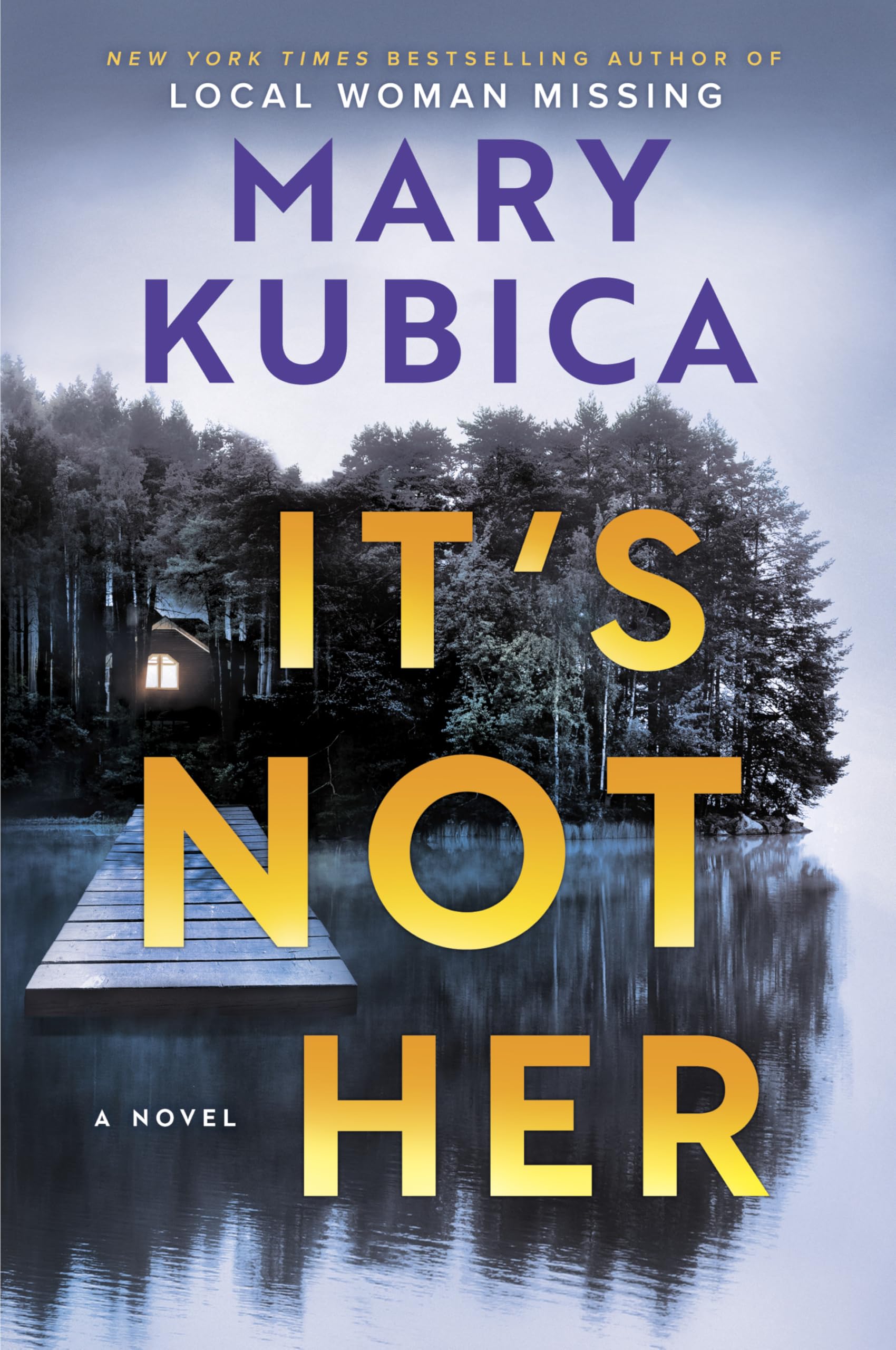
A double homicide rips through a quiet Wisconsin lake resort when Courtney Gray discovers her brother Nolan and sister-in-law Emily bludgeoned to death with a baseball bat. Their 17-year-old daughter Reese vanishes without a trace, ...