Maker of Gods Book Review Synopsis Explain 5 Red Flags
Death wears the face of someone Azul del Arroyo loved. He also controls her chance of recovering her sister, which makes their partnership considerably more complicated than the usual business of flirting with a dangerous immortal. Maria Z. Medina’s Maker of Gods builds its strongest tension around that uncomfortable arrangement: grief, attraction and manipulation sharing the same saddle. The gods may have returned, but apparently nobody asked whether they would be pleasant company.
Scheduled for December 2026, this concluding volume of the Mistress of Bones duology is assessed here through its published opening, confirmed synopsis and advance-reader responses.

Detailed Summary
A Rescue Mission That Has Escaped Its Original Boundaries
Azul’s objective began with her sister. She wanted to recover what death had taken, using necromancy to challenge a loss she could not accept. By the beginning of Maker of Gods, that personal mission has become entangled with the awakening of divine powers.
The appeal lies in the difference between the scale of her feelings and the scale of their consequences. Azul is motivated by someone specific, while the danger extends far beyond her family. That imbalance gives the premise a sharper edge than a routine quest to save the world.
Her determination is understandable without being automatically defensible. Loving someone does not settle the question of what everyone else should sacrifice to bring them back.
Enjul’s Death Changes the Meaning of Attraction
The opening returns to Enjul’s death before showing Azul travelling with Death in his body. Familiar features now belong to a different consciousness. Recognition becomes painful rather than comforting.
This arrangement creates a difficult distinction between wanting a person and responding to the reminders they leave behind. Azul cannot simply look at Death without encountering her memories of Enjul. Even attraction becomes something she has reason to distrust.
The premise is strongest when understood as a problem of identity. A familiar face might invite intimacy, but it cannot establish continuity of character, affection or trust.
Azul’s Bargain with Death
Azul must cooperate with Death to pursue the possibility of saving her sister. Their mission involves an underground organisation connected to the search for other gods, leading towards the city of Bremón.
This is an alliance with a considerable imbalance of power. Death knows more than Azul and possesses something she desperately needs. Cooperation under those conditions is always shadowed by pressure.
That gives the relationship an interesting double purpose. Their exchanges can entertain while also functioning as negotiations. The important question is whether a seemingly generous gesture changes Azul’s circumstances or merely makes her dependence easier to tolerate.
Revenge Brings Other Characters into the Conflict
Nereida, the Count and Esparza also head towards Bremón, seeking revenge against the Faceless Witch. Their motivations create a second current within the story, bringing personal grievances into contact with the divine crisis.
This convergence promises the satisfaction of separate storylines colliding. It also creates an obvious structural challenge: every additional thread needs space to develop and a reason to matter.
A crowded fantasy becomes compelling when its characters complicate one another’s choices. Merely gathering them in the same city would not be enough.
The Gods’ Return Threatens More Than Political Order
The duology’s world depends on divine bones that anchor floating continents above the Void. Humanity has treated that material as a resource, creating a disturbing connection between survival and exploitation.
The setting therefore gives the gods’ return a material significance. Their relationship with humanity concerns the foundations of civilisation as well as belief, obedience and power. The world’s inhabitants depend on a sacrifice they have increasingly treated as an entitlement.
My reading of this premise is that it invites criticism in both directions. Human need does not automatically justify exploitation, but divine sacrifice does not automatically justify unlimited authority. Neither side gets a moral exemption simply for being essential.
The Conclusion Divides Early Readers
Advance readers disagree about how successfully the novel resolves its ambitions. Some describe satisfying closure and stronger engagement with the mythology. Others report confusing transitions, awkwardly placed revelations or a hurried ending.
The distinction is between completing the plot and making its completion feel earned. A conclusion can answer outstanding questions while leaving the emotional consequences underdeveloped.
The available material does not establish every chapter or the precise final outcomes. A complete chapter-by-chapter reconstruction would go beyond what can be verified.
Characters?
Azul del Arroyo
Azul del Arroyo gives the divine conflict its emotional centre. Her determination to recover her sister makes an enormous fantasy problem immediately recognisable: she cannot accept the absence of someone she loves.
Her most interesting quality is the possibility that devotion and selfishness overlap. Refusing to surrender can be courageous, but it can also become an excuse to disregard consequences. The novel’s central opportunity is to make her confront that distinction.
Death
Death combines appeal with an unsettling degree of control. His interest in Azul exists alongside his ability to influence the outcome she wants most.
That makes him potentially compelling, but charm alone cannot carry the character. The story must give weight to what his power means for Azul’s freedom to choose.
Excellent banter is welcome. It is not a substitute for accountability.
Virel Enjul
Virel Enjul remains important through the emotional history attached to the body Death occupies. His significance lies in the distinction between the person Azul knew and the being she now encounters.
The question is whether that distinction remains emotionally meaningful. If Death simply becomes a convenient replacement, the premise loses much of its discomfort and originality.
Isadora
Isadora is Azul’s sister and the focus of her determination. Her absence shapes the heroine’s decisions.
The critical question concerns agency. A rescue story becomes richer when the person being saved exists beyond the rescuer’s longing. Wanting someone back and understanding what they would want are separate matters.
Sombra
Sombra accompanies Azul and Death, offering a comparatively steady presence within their tense relationship. Early reader commentary also identifies him as an intriguing supporting figure.
His value depends on more than reliability. A supporting character becomes memorable when loyalty involves judgement and difficult choices, rather than simply being available whenever the protagonist needs assistance.
Nereida
Nereida participates in the revenge plot against the Faceless Witch. Her involvement helps extend the story beyond Azul’s personal bargain.
Her narrative challenge is to possess priorities that remain distinct from those of her companions. Shared enemies can unite characters, but different reasons for pursuing them create the more interesting friction.
The Count
The Count joins the pursuit of the Faceless Witch and contributes to the ensemble converging on Bremón.
The available synopsis confirms his participation without establishing his complete development. His role is most usefully judged by what his decisions contribute that another character’s could not.
Esparza
Esparza also belongs to the revenge-driven strand. His presence adds another perspective to a story already managing several competing interests.
That creates both an opportunity and a burden. An ensemble earns its size through meaningful differences in judgement, not simply through an expanding attendance sheet.
The Faceless Witch
The Faceless Witch is the target of the revenge mission. The wider series premise associates her with turning Anchor into dreams that can be sold.
That is an evocative connection between commerce, desire and exploitation. The critical demand is that her motivations become as persuasive as the concept surrounding her. An excellent title can make an entrance; it cannot do all the character work.
Other Confirmed Figures
| Character | Established connection |
|---|---|
| Sergado de Gracia | Azul’s half-brother, a necromancer she wants to stop |
| Edine | Nereida’s younger sister, connected to Azul’s magic |
| Pica | A large feline creature restored by Azul |
| Lord Life | A member of the divine pantheon |
| Lady Dream | A member of the divine pantheon |
| Lord Nightmare | A member of the divine pantheon |
| The Blessed Heart | A member of the divine pantheon |
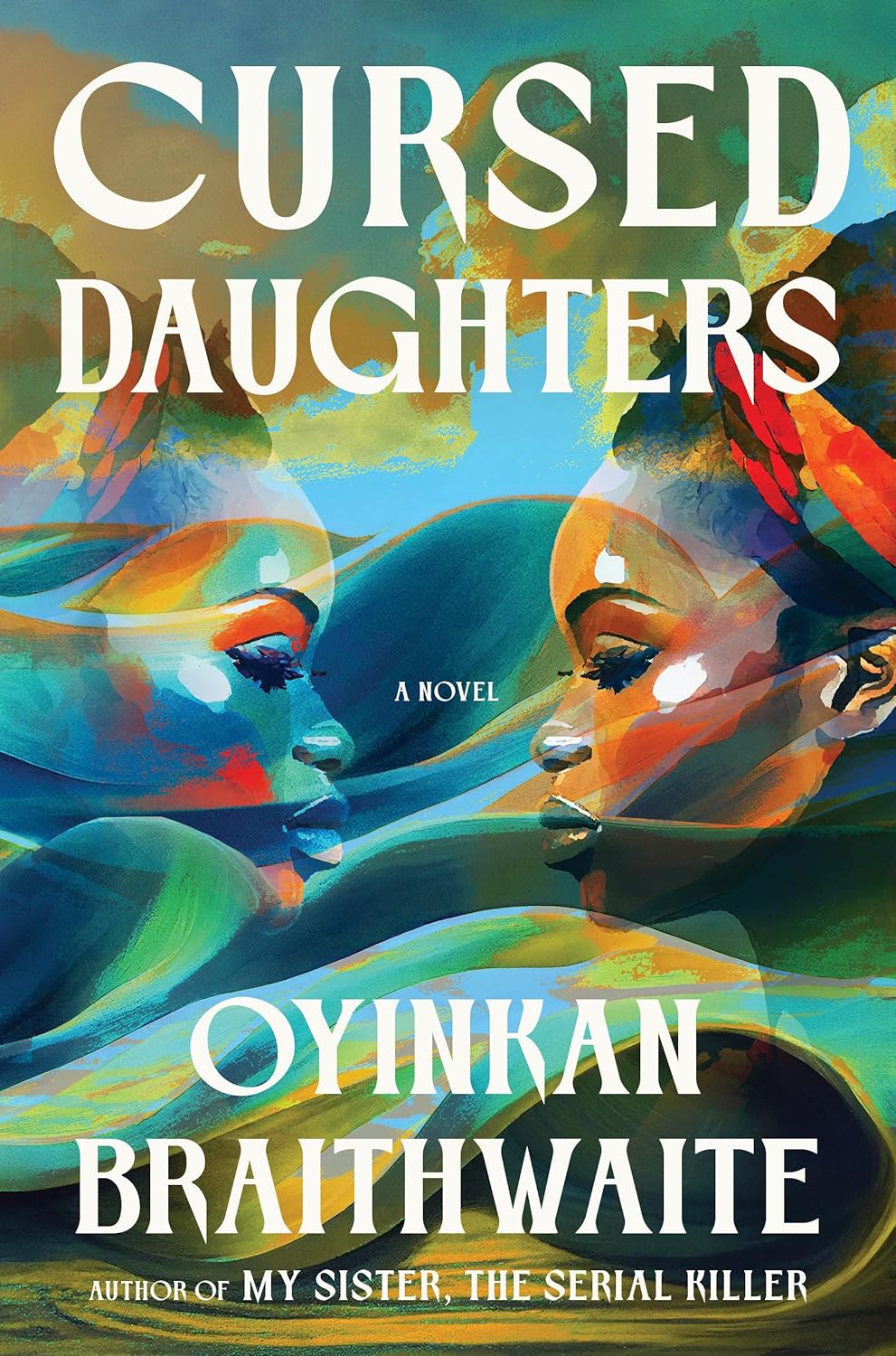
25-year-old Monife walks into the ocean to drown herself on page one. On the day they bury her, cousin Ebun gives birth to a daughter who looks exactly like the dead woman. The family instantly ...
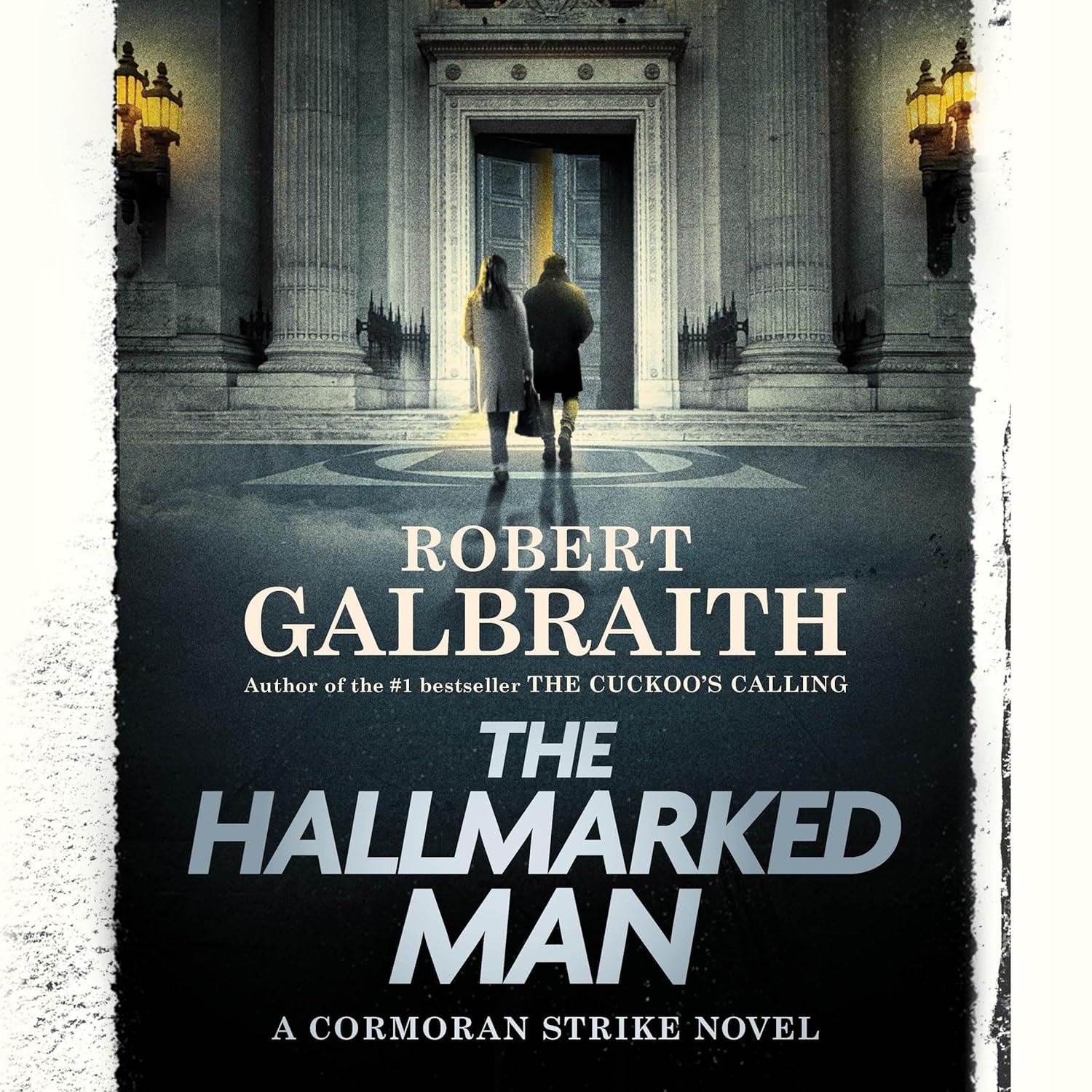
G'day, you lot! Imagine stumbling upon a chopped-up body in a dodgy silver shop vault, right next to Freemasons' Hall, and the coppers reckon it's some old armed robber – but nah, it's way more ...
The published opening establishes these connections without supplying a complete account of their eventual roles or fates.
Compare with Other Works
Mistress of Bones
The first volume introduces Azul’s resurrection quest and its entanglement with divine affairs. Maker of Gods changes the relationship by making Death a direct participant in her immediate circumstances.
The opportunity is greater intimacy with the conflict. The danger is that expanding the mythology could overwhelm the personal motive that made it compelling.
The Bone Shard Daughter by Andrea Stewart
The Bone Shard Daughter connects bone magic with imperial power and its costs. Lin’s attempt to master that magic takes place within a struggle over authority, inheritance and political instability.
The meaningful comparison is ethical as much as aesthetic. Both premises invite questions about who controls extraordinary power and who pays for its use. The shared interest extends beyond the presence of bones in the magic system.
Six of Crows by Leigh Bardugo
Six of Crows organises its ensemble around a dangerous heist. Its characters bring conflicting histories and motivations to an objective readers can readily understand.
The comparison with Maker of Gods makes sense through ensemble tension and competing agendas. However, a divine rescue mission creates different expectations from a criminal operation. Readers should not assume that a shared comparison guarantees the same narrative rhythm.
| Work | Strongest connection | Important difference |
|---|---|---|
| Mistress of Bones | Grief, resurrection and divine interference | Establishes the conflict the sequel must resolve |
| The Bone Shard Daughter | Bone magic and the costs of power | Centres on imperial authority and contested succession |
| Six of Crows | Ensemble tension and conflicting motives | Builds its central adventure around a heist |
Achievement: Publication Facts and Early Reception
There is evidence of advance-reader interest, but the reviewed material does not establish a major sales milestone, bestseller position or award win for Maker of Gods.
| Measure | Verified figure or status |
|---|---|
| Series position | Book 2 of 2 |
| Listed print length | 336 pages |
| Scheduled US publication | 8 December 2026 |
| Scheduled UK publication | 3 December 2026 |
| US NetGalley rating participation | 42 members in the retrieved listing |
| Confirmed sales total | Not established |
| Confirmed bestseller ranking | Not established |
| Confirmed awards for this title | Not established |
Publication details describe the book; they do not measure its success. Likewise, a small advance-reader sample cannot establish how the wider market will receive it.
Several endorsements displayed alongside the sequel explicitly concern Mistress of Bones. They support interest in Medina’s work, but should not be presented as reviews or achievements of Maker of Gods.
5 Red Flags Worth Considering
1. Complexity Could Become Confusion
Some advance readers struggle with the viewpoints and chronology, while others find the sequel more manageable than its predecessor.
The concern is whether the structure helps readers understand the characters or repeatedly interrupts that understanding. Intrigue should create curiosity. It should not require everyone to maintain a spreadsheet.
2. Attraction Could Overshadow the Power Imbalance
The central relationship has a strong premise because grief, identity and dependence complicate it.
Those complications need sustained attention. If flirtation becomes the main response to them, the romance risks simplifying the very material that makes it distinctive.
3. The Ensemble Could Weaken the Emotional Focus
A rescue mission, revenge, secretive organisations and returning gods offer plenty of movement. They also compete for the reader’s attention.
The strongest version of this story would make each strand sharpen Azul’s dilemma. Additional activity is less valuable when it merely postpones the central conflict.
4. Romance Expectations May Be Misaligned
An advance reviewer describes the sequel as remaining strongly plot-driven while increasing the romance.
That distinction matters. Readers seeking fantasy adventure with romantic tension may respond differently from those expecting a romance-led story. Attractive immortals do not automatically determine a book’s centre of gravity.
5. Closure May Arrive Faster Than Emotional Resolution
Early responses disagree about the ending’s effectiveness. Some appreciate its closure, while others question the pacing.
A finale must do more than distribute outcomes. The consequences need to feel connected to the choices that produced them, particularly in a story built around grief and the refusal to accept loss.
Final Verdict
Maker of Gods has an unusually uncomfortable central hook: Azul must negotiate with a being whose appearance keeps reopening an emotional wound. The setting adds another strong idea by connecting civilisation’s survival to resources taken from divine sacrifice.
The reservations concern execution. A crowded structure, unequal romantic power and ambitious mythology all require clarity and space. Early reader responses suggest that the balance will not work equally well for everyone.
Readers invested in Mistress of Bones have the clearest reason to continue. New readers should begin with the first volume, where the relationships and losses giving this sequel its weight are established.
The most interesting question is not whether Azul can defeat an impossible obstacle. It is whether she can recognise when love has become a demand that the whole world pay for her grief.
Would you trust Death if he wore the face of someone you loved—or would that be the very reason you could never trust him? Leave your answer in the comments.

Picture a pitch-black small-town logging road, a mystery stalker tossing bricks through a single mum's window, and a grumpy billionaire bodyguard who refuses to leave her porch. Beneath a Midnight Moon by Catherine Cowles promises ...

G'day, mates. Picture this: a posh sheila named Juliette from a dodgy powerful family bumps into a shadowy bloke called Roman, who's secretly the heir to their arch-rivals. Sparks fly in the dark, but daylight ...