The Once and Future Queen Review: Summary, Spoilers & 7 Twists Explained
What if you were just a waitress in Glastonbury, grieving your dead boyfriend, and some weirdo in a cloak told you that you’re actually Queen Guinevere and Camelot is waiting for you? That’s the hook of The Once and Future Queen. Paula Lafferty takes the Arthurian legend, tosses it in a blender with Outlander and The Princess Bride, and serves up a cocktail of magic, humor, and heart.
If you like your heroines swearing at knights and your kings emotionally constipated but secretly devoted, this is your jam. But be warned: the “time travel” logic is more magic than science, and Merlin is… well, a piece of work.
Quick Info Box
| Feature | Details |
|---|---|
| Author | Paula Lafferty |
| Genre | Historical Fantasy Romance / Time Travel |
| Tropes | Modern Girl in History, Grumpy King x Sassy Queen, “Chosen One”, Reincarnation |
| Spice Level | 🌶️🌶️ (Simmering tension, fade-to-black intimacy) |
| Page Count | Approx. 400 pages |
| POV | First Person (Vera/Guinevere) |
Detailed Plot Summary:
Part 1: The Grief & The Portal (Chapters 1-5)
Chapter 1-2: The Rut
Meet Vera, a 22-year-old waitress living with her adoptive parents in modern-day Glastonbury. She is deeply depressed, still mourning Vincent, her boyfriend who died in a car crash four months ago. She feels like a ghost in her own life, jogging aimlessly every morning just to feel something. Her life is small: cleaning toilets, serving tea, and trying not to cry.
Chapter 3-5: The Stranger
A mysterious guest checks into the George and Pilgrims Hotel. He’s eccentric, intense, and introduces himself as Merlin. He doesn’t mince words: Vera is the reincarnation (or lost version) of Queen Guinevere. Camelot is dying, magic is fading due to a curse, and only she can fix it. Vera thinks he’s crazy until he opens a “magically stabilized wormhole” right there in Glastonbury. With nothing left to lose in 2025, she jumps.
Part 2: Welcome to Camelot (Chapters 6-12)
Chapter 6-8: Culture Shock
Vera lands in the 7th century. It’s not the shiny Disney version; it’s gritty, smelly, and dangerous. Merlin casts a translation spell so she can understand the Old English/Welsh dialects, but it doesn’t stop her from swearing like a sailor or using Gen Z slang (“Okay,” “Cool,” “Whatever”), which confuses the hell out of everyone. She is immediately thrust into court life, where she is expected to be the Queen everyone remembers.
Chapter 9-12: The Cold King
She meets King Arthur. He is not the welcoming husband. He is cold, distant, and refuses to make eye contact. He seems angry at her existence. However, the text drops clues: he leaves small, thoughtful gifts in her chambers (a flower, a book). It’s clear his coldness is a defense mechanism, not hatred. Vera feels like an impostor, struggling to navigate a marriage to a stranger who looks at her like a ghost.
Part 3: The Impostor Syndrome (Chapters 13-20)
Chapter 13-16: The Magic Drought
We learn the stakes: Camelot’s magic is draining away because of a curse Guinevere witnessed or caused in a past life. Everyone expects Vera to “remember” how to fix it. She tries to fake it, but she has no memories. She bonds with Lancelot, who in this version is a charismatic, loyal best friend (strictly platonic!), flipping the famous love triangle trope on its head. He becomes her anchor in this strange world.
Chapter 17-20: Modern Solutions
Vera stops trying to be regal. She introduces modern concepts to the Round Table. She teaches the knights poker and rock-paper-scissors to settle disputes, which brings levity to the grim war council. She starts to earn the knights’ respect not by being a queen, but by being a person. Meanwhile, Mordred, Arthur’s nemesis, is gathering forces with the Frankish Kingdoms to crush a weakened Camelot.
Part 4: The Twist of the Three Veras (Chapters 21-28)
Chapter 21-25: The Revelation
Merlin drops the bombshell that changes everything. Vera is not the first attempt. Merlin has been pulling “Guineveres” from time/variants to save Arthur before. There were three Veras (or versions). The previous ones died or failed tragically. This explains Arthur’s coldness—he has watched “her” die repeatedly and can’t bear to get attached to another version only to lose her. He is protecting his heart.
Chapter 26-28: The Awakening
Vera realizes she isn’t just a vessel for memories; she is her own person. She stops waiting for “Guinevere” to wake up and decides to save Camelot as Vera. This acceptance triggers her latent magic. She realizes her “brokenness” (her grief, her humanity) is actually her strength, not a flaw. She confronts Arthur, breaking through his walls. They share their first real moments of intimacy, moving from awkward strangers to partners.
Part 5: The Battle & The Choice (Chapters 29-Epilogue)
Chapter 29-32: The Siege
Mordred attacks. The battle is chaotic. Vera uses her magic (which she is still learning to control) and her modern wits to turn the tide. She refuses to be hidden away in the tower. She rides out (or supports the front lines), proving her worth to the kingdom and to herself. Arthur sees her—not as a ghost of the past, but as the woman she is now.
Chapter 33-35: The Sacrifice
Merlin’s manipulative nature is fully exposed. He is willing to sacrifice anyone, including Vera, to maintain the timeline/magic. Vera has to outsmart him or force him to find another way. She manages to stabilize the immediate threat, but the curse isn’t fully broken—just stalled.
Epilogue: The Future
The immediate war is won, but the larger threat remains (setting up Book 2). Vera makes her choice: she could ask Merlin to send her back to 2025 to her safe, sad life. Instead, she chooses Camelot. She chooses the messy, dangerous life with Arthur. The book ends with them standing together, ready to face whatever comes next, finally united as a real couple.
Characters Analysis
Vera (The Modern Queen)
- Role: The Protagonist.
- Vibe: Grieving but snarky. A “fish out of water” who refuses to drown.
- Key Trait: Her modern perspective. She calls out the sexism and lack of hygiene. She is relatable because she reacts exactly how a 2025 girl would: “WTF is going on?”
King Arthur (The Tortured Hero)
- Role: The Love Interest.
- Vibe: Brooding, stoic, emotionally damaged.
- Twist: His “jerk” behavior is actually extreme grief/PTSD from losing previous incarnations of Vera. He is the ultimate “he falls harder” trope once the walls come down.
Merlin (The Morally Grey Puppet Master)
- Role: The Guide/Antagonist.
- Vibe: Not the benevolent wizard. He is a scientist/mage who views people as variables in an equation. He is dangerous because he thinks the ends justify the means.
Lancelot (The Golden Retriever)
- Role: The Bestie.
- Twist: Zero romance with Vera. He is the supportive friend she needs, providing a safe space away from Arthur’s intensity.
Comparison Table
| Feature | The Once and Future Queen | Outlander | The Mists of Avalon |
|---|---|---|---|
| Time Travel Method | “Magically Stabilized Wormhole” | Standing Stones | (None – Retelling) |
| Heroine | Modern waitress, funny, swearing | WWII Nurse, capable, serious | Priestess, spiritual |
| Romance Vibe | Grumpy/Sunshine + Reincarnation | Epic Soulmates | Tragic/Doomed |
| Magic System | Soft Magic (Mages, Curses) | Subtle/Folklore | Ritualistic/Pagan |


Tropes & Triggers List
- Tropes: Time Travel, Fish Out of Water, Grumpy x Sunshine, Forced Marriage (sort of), Found Family, “The Chosen One”.
- Triggers: Death of a partner (backstory), Car accident mentions, Grief/Depression, Fantasy Violence (sword fights, war), Kidnapping threats.
FAQs (People Also Ask)
- Does The Once and Future Queen have a happy ending?
- Yes, it ends on a hopeful note (“Happy For Now”). The couple is together, and the main battle is won, but the overarching story continues.
- Is there cheating in The Once and Future Queen?
- No. Unlike the traditional legend, Vera and Lancelot are purely friends. There is no affair plotline in this book.
- Is it spicy?
- It has tension and romance, but it’s not erotica. The spice is emotional and focused on the connection, with intimacy often fading to black or being less detailed than dark romance.
- Is this a standalone book?
- It functions as a complete arc for the first adventure, but the ending clearly sets up a sequel/series.
Verdict
The Once and Future Queen is a delightful, messy, and heart-warming romp through time. It’s perfect for readers who want the vibes of Camelot without the depressing tragedy of traditional myths.
Rating: ⭐⭐⭐⭐ (4/5)
Who should read: Fans of A Knight’s Tale, Outlander, and anyone who wants to see King Arthur get schooled in rock-paper-scissors.
Who should skip: Hardcore Arthurian purists who will get mad at modern slang in the 7th century.
Drop a comment: Would you choose the WiFi and showers of 2025, or the hot brooding King of 600 AD? Let me know! 👇
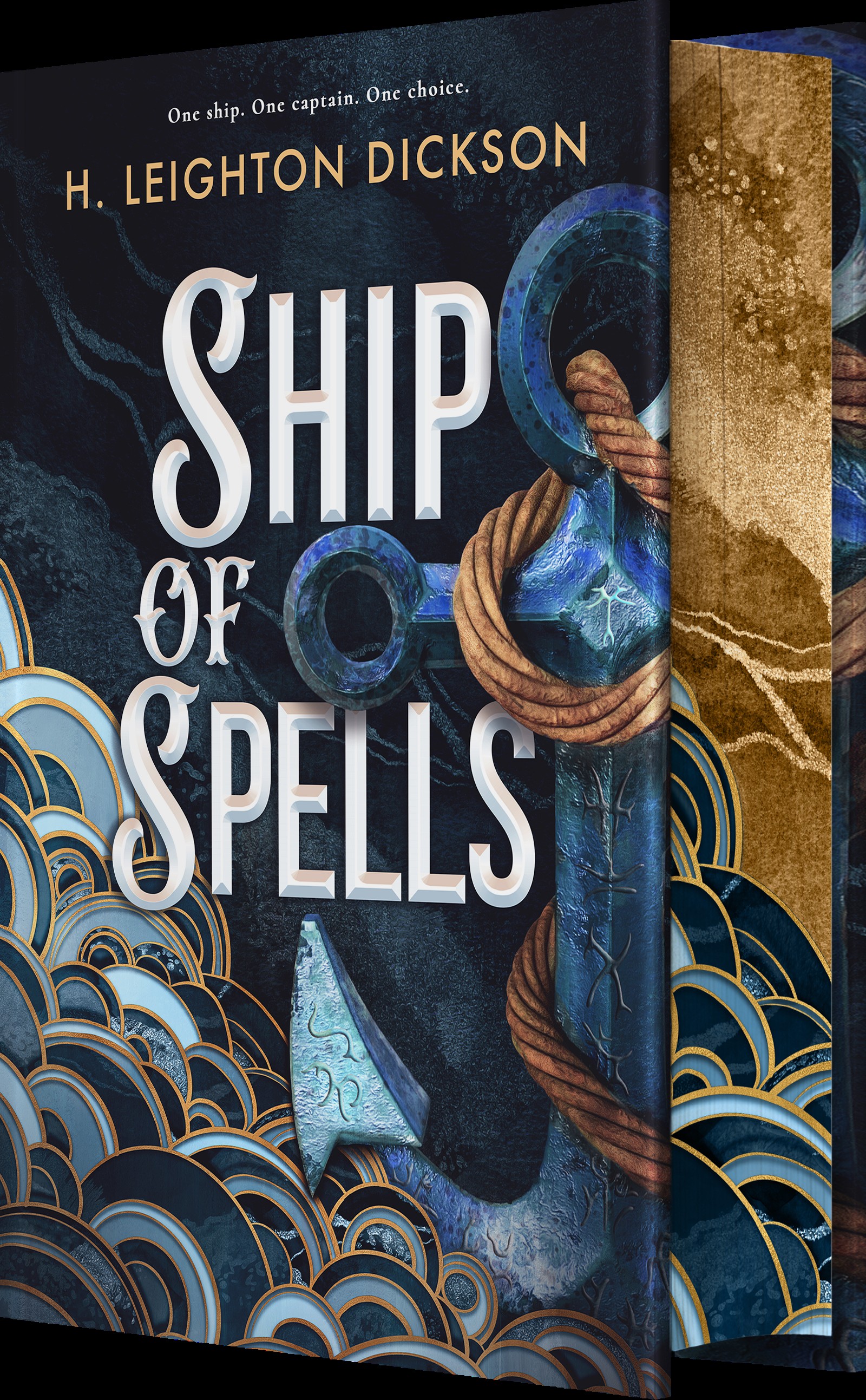
Picture this: you're floating in the ocean after your ship explodes, your hands are shredded ribbons of flesh exposing bone, and a magical sentient vessel rescues you. Your first move? Pull rank on the doctor ...
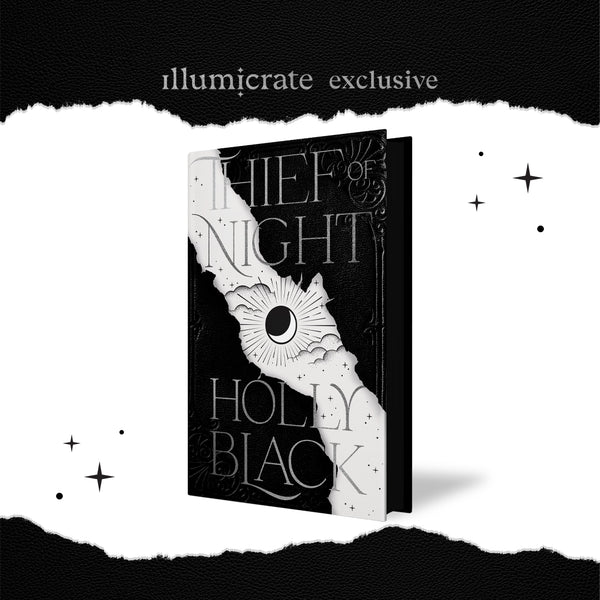
G'day, mates! Charlie Hall's got her dead boyfriend's shadow tethered to her soul, except Red doesn't remember shagging her, doesn't fancy her, and would probably murder her if the magical contract didn't stop him. She's ...