Book Review: Thief of Night Synopsis & Explain – 7 Twists That’ll Nick Your Sanity
G’day, mates! Charlie Hall’s got her dead boyfriend’s shadow tethered to her soul, except Red doesn’t remember shagging her, doesn’t fancy her, and would probably murder her if the magical contract didn’t stop him.
She’s hunting down a Blight that massacred an entire church congregation while her own shadow plots betrayal, her useless sister chases magic she can’t handle, and puppet-master villains jerk her around like a marionette with commitment issues—all while trying to make a bloke who thinks she’s rubbish fall in love with her again.
Take a look:
- Why 75% of this book feels like treading water in quicksand
- The shadow magic system that’s still confusing after 800 combined pages
- How Red becomes the only character worth caring about
- Whether this actually justifies being split into 2 books instead of 1
- Why the final quarter almost redeems three-quarters of mediocrity

Plot Summary: Breaking It Down Act by Act
Opening Chapters: Charlie’s Nightmare Begins
The book kicks off immediately after Book of Night’s cliffhanger with Charlie Hall waking up to the harsh reality that she’s royally screwed herself. She’s now the Hierophant—basically a supernatural hitman for the Cabal, the elite circle of gloamist wankers who control shadow magic in New England. Her job involves hunting down Blights, which are shadows that have gained enough sentience and power to go rogue and murder people.
The kicker is that Charlie took this suicide mission of a job specifically to be tethered to Vince, the shadow she loves. Except the tethering ritual wiped Vince’s memories of their entire relationship, leaving only Red—the ruthless, cold version of Vince who spent years as a contract killer for a billionaire psychopath. Red doesn’t remember Charlie, doesn’t trust her, and makes it abundantly clear he’d rather be literally anywhere else than bound to some tattooed bartender with a criminal record and terrible impulse control.
Charlie’s living situation is bleak as hell. She’s broke, heartbroken, and stuck in a dingy apartment with a bloke who looks at her like she’s something he scraped off his shoe. Red treats her with open contempt, questioning every decision she makes and refusing to engage with her attempts at connection.
The Church Massacre Investigation
Mr. Punch—also known as the Puppeteer because he specializes in possessing other people’s bodies like some demented body-hopping parasite—summons Charlie for a job. There’s been a brutal massacre at a local church where dozens of people were slaughtered in what authorities are calling a cult killing. But Punch suspects it was actually a Blight, and if the truth gets out that shadows are murdering entire congregations, the Cabal will face serious blowback from both law enforcement and the general public.
Charlie’s tasked with finding the rogue Blight responsible and eliminating it before the situation explodes. The problem is that Charlie’s not an investigator—she’s a thief and con artist who’s completely out of her depth. She doesn’t have proper training, resources, or even a plan beyond winging it and hoping she doesn’t die.
The investigation takes Charlie through the grimy underbelly of the Berkshires, interviewing survivors, examining crime scenes, and trying to piece together what kind of shadow could cause this level of carnage. Holly Black describes the massacre aftermath in disturbing detail—blood-soaked pews, bodies contorted in unnatural positions, survivors with thousand-yard stares who can barely articulate the horror they witnessed.
Red’s Internal Struggle
Interspersed throughout the narrative are interview transcripts where Red is questioned about his identity and memories. These sections provide crucial insight into Red’s psychological state as he grapples with being neither fully Vince nor fully the ruthless shadow he was before. He’s trying to figure out who Red actually is when he’s not pretending to be Vince or serving as a billionaire’s assassin.
Red’s character arc involves slowly regaining fragments of emotional capacity he’d suppressed for years. He’s drawn to Charlie despite his rational mind telling him she’s manipulative and dangerous. The blood-feeding scenes between them carry serious erotic tension—Red needs Charlie’s blood to survive, creating this twisted intimacy that neither of them knows how to navigate.
Posey’s Reckless Magic Pursuit
Charlie’s younger sister Posey appears sporadically throughout the book, still obsessed with quickening her shadow and becoming a gloamist. Posey’s storyline feels frustratingly underdeveloped—she’s making dangerous choices that could get her killed, but Charlie’s too overwhelmed with her own crisis to properly intervene. The sisters needed a proper confrontation about Posey’s recklessness, but it never materializes in any satisfying way.
Posey’s relationship with Malhar, the academic gloamist, gets hinted at but not properly explored. They’re clearly developing something beyond friendship, but Black keeps that storyline on the periphery, which feels like a missed opportunity given how much Posey needed actual character development.
The Cabal Politics
Charlie has to navigate the Byzantine politics of the Cabal leadership. There’s Adeline, Red’s cousin who wants him to reclaim his identity as Remy and inherit the family fortune. Balthazar, Charlie’s former employer, lurks in the background doing absolutely nothing of consequence. The various Cabal heads all have their own agendas and power plays, but none of them feel like genuine threats.
The weakness here is that these supposedly all-powerful gloamist leaders have zero impact on the actual story. They’re meant to be terrifying puppet masters controlling shadow magic from the shadows, but they come across as ineffectual bureaucrats who mostly just threaten Charlie without following through.
Charlie’s Shadow Betrayal
A major plot thread involves Charlie discovering that her own shadow is developing consciousness and making plans to betray her. This should be absolutely terrifying—the idea that your shadow could turn against you and potentially kill you or steal your identity. But the execution feels rushed and underdeveloped. The shadow magic system remains frustratingly vague even after two books.
Charlie has to constantly second-guess whether her shadow is manipulating her actions or whether she’s making her own choices. This creates paranoia and self-doubt that should be psychologically compelling but mostly just slows down the already sluggish pacing.
The Investigation Deepens
Charlie tracks down leads connecting the church massacre to a specific Blight that’s been feeding on people’s fear and religious fervor. The investigation involves a lot of legwork—interviewing traumatized witnesses, examining shadow magic residue at the crime scene, and trying to piece together the Blight’s pattern.
The middle section drags considerably. Charlie goes through repetitive cycles of investigating, hitting dead ends, having tense conversations with Red where neither of them will admit their growing feelings, and then investigating some more. It feels like Black is stalling, stretching out material that could’ve been condensed into far fewer pages.
Red and Charlie’s Relationship Evolution
Despite Red’s initial hostility, he can’t help being protective of Charlie when she’s in danger. Their relationship slowly shifts from mutual suspicion to grudging respect to something deeper neither wants to acknowledge. The slow-burn romance actually works well—it feels organic rather than forced, with both characters having legitimate reasons to resist their attraction.
The blood-feeding scenes become increasingly intimate as Red starts to crave not just Charlie’s blood but her presence. Charlie, for her part, starts seeing Red as his own person rather than just a shadow wearing Vince’s face. Their banter has genuine wit and chemistry, providing the emotional core that keeps readers engaged when the plot drags.
The Climactic Confrontation
The final quarter of the book suddenly kicks into high gear. Charlie identifies the Blight responsible for the massacre and realizes it’s far more powerful than she anticipated. The confrontation involves multiple Cabal members, shadow magic battles that are genuinely creative and exciting, and Charlie pulling off cons and tricks that remind readers why she was a successful thief in the first place.
Red’s character development culminates in a crucial choice about who he wants to be—not Vince, not the ruthless assassin, but Red on his own terms. His growth throughout the book finally pays off in satisfying ways.
The Controversial Ending
Charlie uses her thief skills and knowledge of cons to outmaneuver enemies in ways that some reviewers found brilliant and others found eye-rollingly convenient. The climax involves shadow magic, betrayals, last-minute reveals, and Charlie making massive personal sacrifices to save both Red and herself.
The ending wraps up Charlie and Red’s story arc but leaves Posey and Malhar’s storyline open-ended, suggesting Black might return to this world. The resolution is deliberately ambiguous in some respects—not everyone gets a neat happy ending, and some conflicts remain unresolved. This works for literary fiction but frustrated readers expecting clear-cut conclusions.
Characters
Charlie Hall remains the con artist with a death wish who supposedly drives this duology. She’s meant to be this brilliant thief who’s crooked from birth and makes terrible decisions with style. In practice, she spends most of this book feeling generically action-hero-bland rather than the distinctive character from Book of Night. Her personality only truly emerges in the final quarter when she finally starts pulling cons and using her actual skills. The first three-quarters feel like Black just maneuvering her into position rather than letting Charlie be Charlie. Her refusal to grow or learn from mistakes becomes frustrating rather than endearing.
Red is hands-down the best character in this entire duology and possibly one of Holly Black’s finest creations. He’s a shadow who gained consciousness and humanity but doesn’t know how to be human. Watching him navigate emotions, desires, and moral choices he’d suppressed for years provides genuine psychological depth. Red’s internal struggle between his ruthless killer instincts and his emerging capacity for love creates compelling tension throughout. The interview transcripts showing his perspective add layers that make him feel three-dimensional. He’s protective, dangerous, vulnerable, and trying desperately to figure out his own identity when everyone keeps trying to make him into someone else.
Posey Hall is Charlie’s younger sister who remains frustratingly underdeveloped despite being positioned as an important supporting character. She’s obsessed with shadow magic to dangerous degrees, makes reckless choices, and desperately needs her sister’s intervention. But their relationship never gets the confrontation or resolution it deserves. Posey disappears for huge chunks of the book and then reappears without meaningful character growth. The hints at her relationship with Malhar and her own storyline feel like sequel bait rather than proper development.
Malhar is the academic gloamist who provided crucial information in the first book. He gets slightly more page time here as Posey’s potential love interest and voice of scholarly reason, but he still feels like a supporting character who could’ve been so much more interesting if Black had given him proper development. He balances Posey’s impulsiveness with pragmatism but lacks distinctive personality traits beyond being the smart bloke.
Mr. Punch (The Puppeteer) should be absolutely terrifying as a Cabal leader who possesses other people’s bodies and manipulates shadow magic with expert precision. Instead, he comes across as a plot device—showing up to give Charlie missions and threaten her, then disappearing until needed again. For someone supposedly so dangerous and manipulative, he has remarkably little actual impact on events. His menace gets told rather than shown.
Adeline is Red’s cousin who wants him to reclaim his identity as Remy and inherit the family fortune. She’s positioned as an antagonist with her own agenda, but she never develops beyond one-note manipulation attempts. The family drama between Adeline and Red could’ve been compelling but gets shortchanged in favor of other plot threads.
Balthazar is Charlie’s former employer and a significant player in the gloamist underworld. He does virtually nothing in this book despite being present. Multiple reviewers complained they couldn’t get a read on his character because he barely affects the story. He’s just there, existing in the background without purpose.
| Character | Role | Development | Impact on Story |
| Charlie Hall | Protagonist, Hierophant, thief | Minimal until final act | Central but bland |
| Red | Shadow, Charlie’s tethered Blight | Exceptional growth | Emotional core |
| Posey Hall | Charlie’s sister, aspiring gloamist | Underdeveloped | Peripheral |
| Malhar | Academic gloamist | Slight | Supporting |
| Mr. Punch | Cabal leader, antagonist | None | Plot device |
| Adeline | Red’s cousin | Minimal | Minor antagonist |
| Balthazar | Former employer | None | Negligible |


Compare with Other Works
Versus Holly Black’s The Cruel Prince Series
This duology suffers catastrophically from comparison to Black’s YA phenomenon. The Cruel Prince delivered sharp political intrigue, morally complex characters, quotable dialogue, and a romance that consumed readers’ souls. Thief of Night has one good romance and vibes. The Folk of the Air trilogy felt alive with Jude’s ruthless ambition and Cardan’s devastating character arc. Charlie and Red’s story feels muted and sluggish by comparison. Black’s signature wit and clever plotting that defined Cruel Prince gets buried under meandering investigation sequences that lack urgency.
Versus A Court of Thorns and Roses
Both series feature morally grey protagonists and shadow magic elements, but ACOTAR’s pacing and romantic tension blow this duology away. Sarah J. Maas knows how to maintain momentum and sexual tension across multiple books. Black’s shadow magic is conceptually more interesting than Maas’s powers, but the execution leaves readers confused about how it actually works even after 800 combined pages. ACOTAR readers expecting similar addictive page-turning will be disappointed by Thief of Night’s languid middle sections.
Versus Ninth House by Leigh Bardugo
Both explore dark urban fantasy with magic systems rooted in violence and exploitation. Bardugo’s secret societies at Yale feel more fleshed out and impactful than Black’s Cabal, which supposedly rules shadow magic but mostly just makes threats without follow-through. Ninth House’s Alex Stern is a more compelling damaged protagonist than Charlie, whose con artist skills get underutilized for most of the book. However, Black’s romance between Charlie and Red has more emotional depth than anything in Ninth House.
The Slow-Burn Romance vs Other Fantasy Couples
Charlie and Red’s relationship genuinely stands out as one of the stronger slow-burn romances in recent fantasy. The forced proximity of their tether combined with Red’s memory loss creates organic tension that doesn’t rely on manufactured drama or miscommunication tropes. Their banter has wit, their growing intimacy feels earned, and the blood-feeding scenes deliver eroticism without explicit content. It’s better written than many romantasy couples who get more hype.
Achievement
| Metric | Result |
| Goodreads Rating | 4.16/5 stars (1,491+ ratings) |
| Page Count | 400 pages |
| Release Date | September 23, 2025 |
| Publisher | Tor/Macmillan (US), Del Rey (UK) |
| Format | Hardcover, Paperback, Audiobook |
| Audiobook Length | Approximately 13 hours |
| Series Position | Book 2 of 2 (duology conclusion) |
| Book of Night Rating | 3.77/5 stars (30,000+ ratings) |
| Book of Night Achievement | #1 New York Times Bestseller |
| Book of Night Award | 2022 Dragon Award Winner (Best Fantasy Novel) |
| Book of Night Recognition | Amazon Best Books 2022, Audible Best of Year 2022 |
The numbers tell an interesting story. Thief of Night’s 4.16 rating significantly outperforms Book of Night’s 3.77, suggesting readers who stuck with the series found the conclusion more satisfying than the debut. However, the rating count of 1,491 versus Book of Night’s 30,000+ demonstrates massive reader drop-off between books—a red flag indicating the first book failed to hook most readers enough to continue.
Book of Night’s #1 NYT Bestseller status and Dragon Award win in 2022 generated substantial hype, but that momentum clearly didn’t translate to the sequel. Holly Black’s name recognition from The Cruel Prince series likely drove initial sales, but the lukewarm reception to Book of Night meant Thief of Night launched to a much smaller audience.
The book hasn’t appeared on major bestseller lists despite releasing in September 2025, indicating it underperformed publisher expectations. For comparison, Black’s YA releases consistently dominate charts for weeks. The adult fantasy audience either didn’t embrace her darker, grittier style or found the execution lacking compared to her YA brilliance.
The Pacing Problem Nobody Wants to Admit
Let’s be brutally honest—this book is 75% filler with a brilliant 25% finale. Multiple reviewers specifically noted feeling like Black wrote the ending first and then spent three-quarters of the book moving pieces into position. That’s not how engaging fiction works. Readers shouldn’t have to slog through mediocre investigation sequences waiting for Charlie’s actual personality to show up.
The middle drags with repetitive cycles of Charlie investigating, hitting dead ends, having tense conversations with Red, and investigating again. It feels like Black had a duology contract but only enough story for 1.5 books, so she padded the second installment with wheel-spinning.
Red’s POV transcripts and the blood-feeding scenes provide the only consistent engagement during the sluggish middle sections. Without Red’s character development, this book would be genuinely tedious.
The Magic System Remains Frustratingly Vague
After 800 combined pages across two books, readers still can’t articulate exactly how shadow magic works, what its limitations are, or what consistent rules govern it. Black clearly has ideas about shadows gaining consciousness and the philosophical implications, but she never bothers explaining the actual mechanics in ways that make sense.
What exactly makes a Blight different from a regular quickened shadow? How much blood does Red actually need? What are the Cabal’s actual powers beyond vague threats? Why are some shadows sentient and others aren’t? These questions remain unanswered, making the magic system feel convenient rather than carefully constructed.
For comparison, Leigh Bardugo’s Grisha magic or Brandon Sanderson’s Mistborn system have clear rules readers understand. Black’s shadow magic feels atmospheric but ultimately hollow.
What Actually Works
The Charlie/Red romance genuinely delivers. Their slow-burn relationship from mutual suspicion to reluctant partnership to love provides emotional grounding that keeps readers engaged when the plot stalls. The blood-feeding intimacy, the banter, and Red’s journey toward claiming his own identity create a love story that feels fresh rather than tropey.
The final quarter absolutely slaps. Once Charlie stops investigating and starts conning, the book comes alive. The climactic confrontation delivers clever twists, genuine stakes, and payoff for character arcs. If the entire book had the energy and cleverness of the final hundred pages, this would be a legitimate great book instead of a decent one with a brilliant ending.
Holly Black’s prose remains elegant and atmospheric. She creates mood exceptionally well, and her dialogue has wit when she lets characters actually banter instead of just moving plot forward.
The Duology Should’ve Been One Book
The most damning critique is that this story didn’t need to be split into two books. A skilled editor could’ve combined Book of Night and Thief of Night into one 500-page novel by cutting the bloat from both installments. The first book’s meandering setup combined with this sequel’s sluggish middle suggests Black didn’t have enough material for a duology but got a two-book contract anyway.
Readers consistently expressed wishing this was a longer series because they loved the world and characters. But the actual problem is the opposite—the story needed to be shorter and tighter, not expanded further.
Final
Thief of Night is a frustrating book that demonstrates both Holly Black’s considerable talents and her weaknesses when writing outside her YA comfort zone. The romance between Charlie and Red is genuinely excellent—one of the better slow-burn love stories in recent fantasy. Red’s character arc alone almost justifies reading both books.
But the sluggish pacing, underdeveloped supporting characters, vague magic system, and ineffectual villains drag down what could’ve been great. Charlie doesn’t feel like the distinctive con artist protagonist she’s meant to be until the final act, making three-quarters of the book feel like watching a generic action hero go through motions.
The 4.16 Goodreads rating is inflated by fans who loved Book of Night enough to continue—the audience is self-selecting for people already invested. Readers who found the first book mediocre should skip this duology entirely. Those who enjoyed Book of Night will likely appreciate this conclusion, especially the ending.
For Holly Black’s considerable fanbase from The Cruel Prince, this duology represents a step down from her YA brilliance. She’s a phenomenally talented writer, but this adult debut needed better editing, tighter pacing, and more confidence in her protagonist’s distinctive voice from page one.
Read if: You’re already invested from Book of Night, you prioritize romance over plot, you don’t mind sluggish pacing if the ending delivers, or you’re obsessed with shadow daddy tropes.
Skip if: You found Book of Night boring, you need consistent pacing throughout, you want clear magic systems, you expect villains to actually do things, or you’re hoping for Cruel Prince-level brilliance.
The 4.16 rating is generous. This is a 3-star book with a 5-star final quarter that averages out to decent but ultimately disappointing given Holly Black’s demonstrated capabilities.
Drop a comment below if you actually made it through the slog to reach that brilliant ending—was it worth the wait? Did Red’s character arc save this book for you? And honestly, should this have been one book instead of two? Share this review if you want to save other readers from disappointment, or rage at me in the comments if you think I’m dead wrong about Charlie being bland for 300 pages!
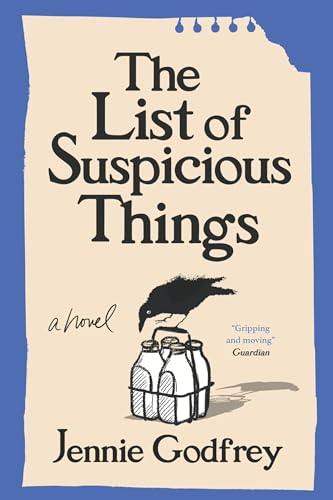
Quick Info Box Feature Details Author Jennie Godfrey Genre Historical Fiction / Coming-of-Age Mystery Series Standalone Tropes Child Detective, True Crime Backdrop, Best Friends Investigation, Silent Mother Mystery, Loss of Innocence, Small Town Secrets, Racism ...

Rachel Gillig's duology finale drags a drugged captive queen through five tournaments thrown by the husband who murdered everyone she loved. 27,000 readers rate it 4.36 — here's what the stars aren't telling you.