Book Review: The Merge Synopsis & Explained: 5 Merge Pairs, 320 Pages of Dread
Picture this: your mum’s got Alzheimer’s, Earth’s cooked from climate change, and some dodgy corporation reckons they can shove two consciousnesses into one body to “save the planet.” Sounds brilliant, yeah? Grace Walker’s debut drops you into a dystopian London where merging minds isn’t just science fiction—it’s government policy with a smile and a mandala neck tattoo.
Amelia and her mother Laurie sign up for this experimental nightmare, joining four other pairs who reckon combining their brains is better than the alternative. Spoiler: it’s not.
NOTE:
- Why 320 pages feels like 500 when the first half drags like a Monday morning
- How 5 merge pairs get butchered by an ending that quits before the story does
- The 4.23 Goodreads rating that’s way too generous for this mess
- BBC Radio 2 picked it—but should you actually read it?
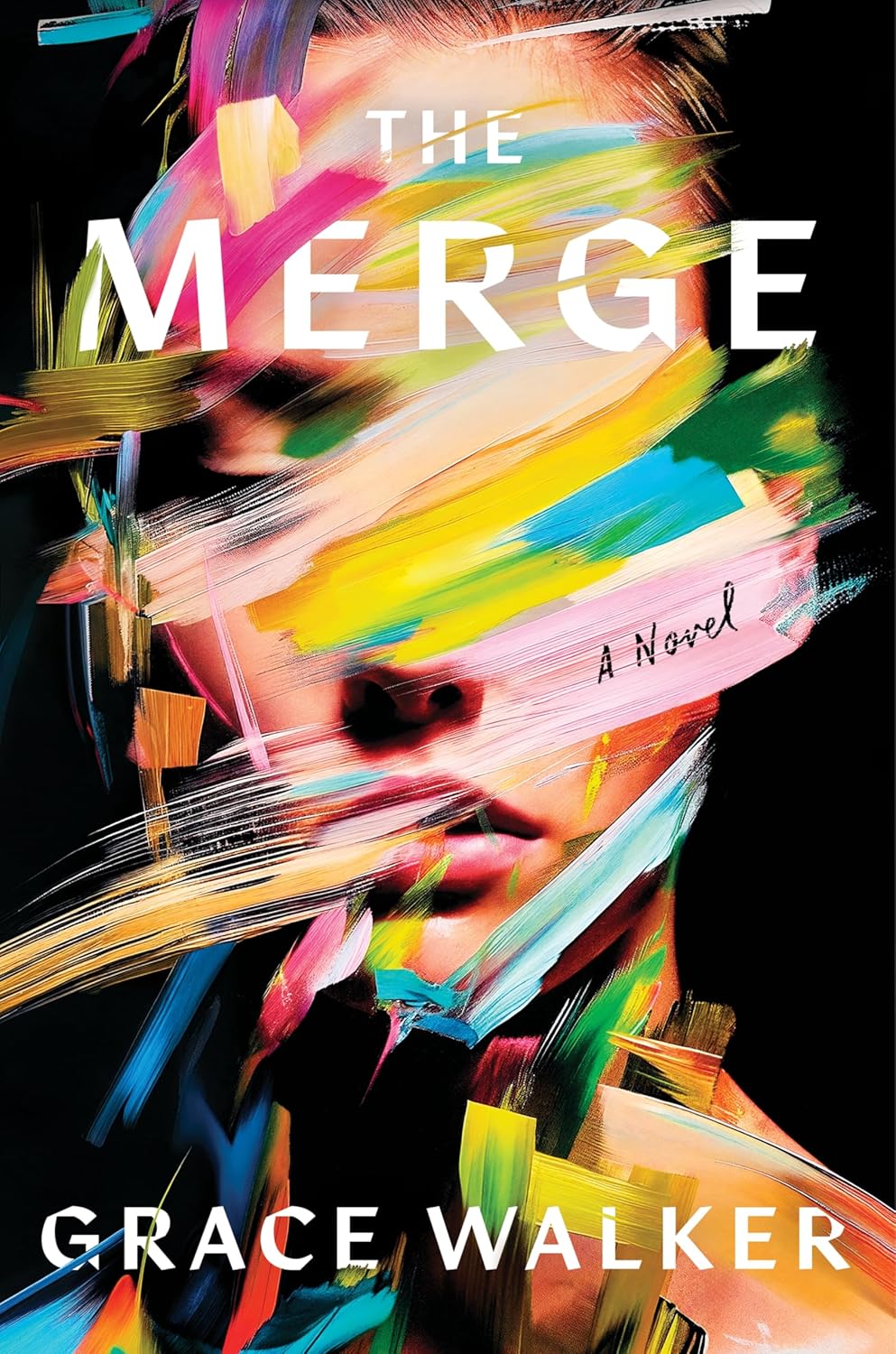
Detailed Summary
Part One: The Setup That Never Ends
Amelia Anderson, a 23-year-old videographer and former activist, makes the galaxy-brain decision to sign herself and her 65-year-old mother Laurie up for an experimental merge program. Laurie’s got Alzheimer’s, and instead of, you know, accepting the natural progression of a devastating illness, Amelia reckons uploading mum’s deteriorating brain into her own healthy body is the go. The kicker? Amelia’s secretly doing this as a gonzo journalism project to expose Combine, the government-corporate entity running this show. She plans to bail before the actual merge happens, which is definitely a plan that won’t backfire spectacularly.
The novel alternates between Laurie’s confused, heartbreaking POV and Amelia’s increasingly panicked one. Laurie doesn’t want the merge—even with her failing memory, she knows something’s off. But does anyone listen to the woman with Alzheimer’s? Course not. Walker spends an excessive amount of time showing us Laurie’s deteriorating mind, which is beautifully written but also feels like emotional manipulation. Yes, Alzheimer’s is horrific. Yes, we get it. Can we move on now?
The world-building trickles in like a leaky tap. Earth’s stuffed from overpopulation and climate disasters. The government solution? Merge people into single bodies to halve resource consumption. If you don’t merge, you’re punished: forced into government housing, monitored menstrual cycles (yes, really), no Oxford admission, and prison inmates get involuntarily merged. Rich people? They can buy their way out. Because of course they can.
Amelia and Laurie join a support group with four other merge pairs, and this is where the book should get interesting. Should. Lucas is a teenager merging with his brother Noah who has terminal leukemia. Ben’s merging with his pregnant fiancée Annie because apparently, you can only have kids if you’re a Combine. Jay’s merging with his addict daughter Lara to “save” her. Each pair gets identified by their double names and forced to wear green clothing and get mandala neck tattoos, which sounds less like medical procedure and more like joining a cult.
Part Two: The Village and the Waiting Game
The group prepares to move to The Village, this supposedly luxurious rehab center for merged people. Walker spends chapters—CHAPTERS—on therapy sessions, group bonding, and everyone side-eyeing the Combine staff who are shadier than a servo selling “fresh” sandwiches at 3am. The pacing here is absolutely glacial. You keep waiting for something to happen, and instead you get another feelings circle where characters talk about their fears and motivations.
The world outside is falling apart. There are protests in London streets, people against the merge getting arrested, and hints of government overreach everywhere. But Walker keeps the focus tight on this small group, which would be fine if the character development was stellar. It’s not. It’s adequate. You care about them enough to keep reading, but not enough to forgive what comes later.
Amelia’s videographer background comes into play as she tries to document everything secretly. She’s convinced there’s something sinister happening, and she’s right, but the book takes its sweet time revealing anything concrete. Meanwhile, Laurie’s chapters become increasingly disorienting as her Alzheimer’s worsens, which is effective writing but also exhausting to read. You’re trapped in her confusion, and not in a fun way.
The supporting characters get short-changed. Lucas and Noah have a convincing brotherly dynamic—probably the best relationship in the book. Ben and Annie are bland as unbuttered toast. Jay and Lara have potential but get sidelined constantly. Walker had five merge pairs and somehow made most of them forgettable, which is a bloody achievement in itself.
Part Three: The Merge Process (Finally)
Around the halfway mark, things supposedly “pick up.” The group starts noticing inconsistencies. People who’ve already merged aren’t allowed contact with the outside world. The Village staff avoid direct questions. There are hints that merged people aren’t exactly happy, but the book dances around concrete details like it’s afraid to commit.
Walker introduces the mechanics of merging: it’s irreversible, consciousness supposedly blends, memories become shared, and you lose complete autonomy over your own thoughts. It’s body horror meets psychological thriller, except Walker doesn’t lean into either genre hard enough. She wants it both ways—literary and thrilling—and ends up somewhere in the milquetoast middle.
The ethical questions are interesting on paper. What happens to identity when two minds occupy one body? Who’s in control? What about intimate relationships when your dead mum’s consciousness is rattling around in there with you? Walker addresses the sex question (awkwardly), but the deeper philosophical stuff gets surface-level treatment. For a book that wants to be thought-provoking, it doesn’t trust readers to think very hard.
Amelia discovers that Combine isn’t just about population control—it’s about complete governmental control over citizens. Merged people are easier to track, control, and manipulate. The corporation is collecting data, experimenting on people, and the whole “climate solution” angle is propaganda. Shock horror. Did anyone NOT see this coming from page one?
Part Four: The Great Escape (That Isn’t)
The last third is where Walker apparently remembered she was writing a thriller. The tension ramps up, the group realizes they’re in danger, and Amelia tries to execute her escape plan. Things go wrong. People die—or do they? With merging, death becomes complicated, which could be fascinating but instead feels like a cop-out.
The pacing goes from snail to Formula 1 with no middle gear. Characters make decisions that contradict everything established earlier. Plot holes open up like sinkholes. The mechanics of merging that were vague before become completely inconsistent. Can merged people be separated? Sometimes? Never? Depends on what the plot needs, apparently.
The climax involves Amelia and Laurie (and possibly others—the ending is genuinely confusing) attempting to expose Combine while escaping The Village. There are revelations about what happens to the “donor” consciousness—it doesn’t just blend, it gets essentially deleted over time. The merge isn’t a beautiful union; it’s slow erasure of one person by another. This is genuinely horrifying and the best concept in the book, introduced way too late.
Part Five: The Ending That Ends Nothing
And then the book just… stops. Not ends. STOPS. Like Walker hit her word count and said “righto, done.” The most common complaint from reviewers is the abrupt, unsatisfying ending, and they’re not wrong. Major plot threads dangle. Character fates remain unclear. The big questions about Combine’s ultimate plans? Unanswered. Whether the merge is reversible? Dunno. What happens to our protagonists? Your guess is as good as mine.
Some readers speculate it’s setting up for a sequel. Others think it’s meant to be ambiguous and literary. Most just feel cheated. When you invest 300+ pages in a story, you deserve an actual ending, not a literary shrug. The lack of closure isn’t bold or artistic—it’s lazy.
The book tries to be profound about identity and humanity but doesn’t earn its philosophical pretensions. It’s Black Mirror-lite, Severance without the cleverness, Never Let Me Go without Ishiguro’s devastating emotional precision. Walker had a brilliant premise and squandered it on meandering pacing, underdeveloped characters, and an ending that feels like she gave up.
Characters
| Character Name | Role | Merge Partner | Why They’re Forgettable |
| Amelia Anderson | 23-year-old videographer, former activist | Laurie (mother) | Supposed to be fiery and strong-willed but mostly just anxious and reactive. Her gonzo journalism angle is underbaked. |
| Laurie | 65-year-old with Alzheimer’s | Amelia (daughter) | The most compelling character because of her illness, not her personality. Used for emotional manipulation. |
| Lucas | Teenager | Noah (brother) | Actually has personality! Too bad he’s a side character. Best relationship dynamic in the book. |
| Noah | Lucas’s brother with leukemia | Lucas | Barely present before the merge. Exists to make Lucas sympathetic. |
| Ben | Generic fiancé | Annie (pregnant partner) | Cardboard cutout of a concerned partner. No memorable traits whatsoever. |
| Annie | Pregnant woman | Ben (fiancé) | Her pregnancy should make the merge concept more disturbing. It doesn’t. She’s just… there. |
| Jay | Father | Lara (addict daughter) | Had potential for complex father-daughter dynamics. Gets shortchanged by the narrative. |
| Lara | Teenage addict | Jay (father) | Addiction storyline feels like a checkbox. Never fully developed or resolved. |
Amelia is your standard dystopian protagonist: special enough to question the system, bland enough for readers to project onto. Her activism background should make her more interesting, but Walker tells us she was an activist without showing us any fire or conviction. She’s scared, she’s conflicted, she makes decisions that feel plot-driven rather than character-driven. Her relationship with Laurie is touching in moments but mostly overshadowed by the Alzheimer’s tragedy porn.
Laurie deserved better. Her POV chapters are heartbreaking and well-observed—Walker clearly researched Alzheimer’s thoroughly. But Laurie exists primarily to make readers sad and to raise the stakes for Amelia. Does she have agency? Barely. Does she get to make real choices? Not really. She’s a tragic figure, not a full character.
The supporting cast is somehow even worse. Lucas and Noah have the only believable relationship, probably because teenage brothers feels authentic. Ben and Annie are so forgettable I had to check my notes to remember their names. Jay and Lara could’ve explored addiction, family trauma, and redemption but instead get about fifteen minutes of page time total.
Walker had five merge pairs—ten individual characters—and couldn’t make most of them interesting. That’s a fundamental failure of characterization. When readers consistently say they were more invested in side characters than the main plot, that’s a problem.
Compare with Other Works
Black Mirror (TV Series): Everyone compares this to Black Mirror, and it’s not a compliment. Black Mirror takes big sci-fi concepts and explores them with razor-sharp precision in 60-90 minutes. The Merge takes 320 pages to say less. Episodes like “Be Right Back” or “San Junipero” tackle consciousness and identity with more depth and emotional impact than Walker’s entire novel.

Mate, imagine stumbling on a bloody murder, playing dumb, then getting hunted by a hockey psycho who stalks your every breath – that's Sweet Venom by Rina Kent in a nutshell. Violet's silent witness act blows ...
Picture this: zombies munching brains, a high school bully turned survival buddy, and romance blooming in an apocalypse. Sounds mint, yeah? Except Jeneva Rose's Dating After the End of the World is a cringe-fest that ...
Severance by Ling Ma: If you want a corporate dystopia that actually commits to its premise, read this instead. Ma’s prose is sharper, her worldbuilding more cohesive, and her ending actually exists.
Never Let Me Go by Kazuo Ishiguro: Both books deal with people created/modified for others’ benefit, facing their predetermined fates with quiet desperation. The difference? Ishiguro’s characters linger in your heart for years. Walker’s evaporate from memory the moment you close the book. Ishiguro trusts his readers with ambiguity; Walker just leaves threads hanging.
The Hunger Games by Suzanne Collins: Both are dystopias with government control and population management. Collins delivers tight plotting, memorable characters, and a protagonist who actually does things. Amelia mostly observes and reacts.
1984 by George Orwell: Corporate-government surveillance state? Orwell did it better 75 years ago. The Merge gestures at totalitarianism without committing to the horror.
Station Eleven by Emily St. John Mandel: Both are climate disaster books that focus on human connections. Mandel’s prose is luminous and her structure ambitious. Walker plays it safe with straightforward alternating POVs and surface-level philosophy.
The fundamental problem is that The Merge wants to be all these books at once—literary like Ishiguro, thrilling like Collins, philosophically dense like Orwell—and achieves none of it. It’s the dystopian equivalent of a participation trophy.
Achievement
| Metric | Number | Context |
| Goodreads Rating | 4.23/5 | Based on ratings from 27,766 readers—inflated by ARC hype |
| Total Ratings | 143+ reviews | For a November 2025 release, decent pre-pub buzz |
| Page Count | 320 pages | Feels like 500 with that first-half pacing |
| Publisher | Mariner Books (HarperCollins) | Major publisher backing, which explains the marketing push |
| BBC Radio 2 Book Club | Selected October 2025 | Prestigious UK book club pick—doesn’t mean it’s good, means it’s marketable |
| NetGalley Reviews | 50+ ARC reviews | Heavy advance review strategy, mostly 4-5 stars from people who got free copies |
| Release Date | November 11, 2025 | Brand new debut |
| Kirkus Reviews | Starred positive review | Called it “an excellent addition to the growing catalog of 21st-century dystopian nightmares” |
The 4.23 rating is suspiciously high for a book with this many structural problems. ARCs generate inflated ratings because reviewers feel obligated to be nice when they get free books. Wait six months and watch that number drop as regular readers who paid actual money realize they’ve been had.
BBC Radio 2 Book Club selection sounds impressive until you remember that book clubs prioritize “discussable” over “good.” The Merge is definitely discussable—you’ll have plenty to complain about. That’s not the same as being well-written.
Writing Quality
Walker’s prose is competent but unremarkable. She can write emotional scenes effectively, particularly Laurie’s Alzheimer’s experiences. But the overall style is functional dystopian fiction that could’ve been written by any competent MFA graduate. No distinctive voice, no memorable sentences, nothing that makes you stop and reread because the language is so good.
The dialogue is wooden. Characters speak in exposition chunks, explaining the world to each other (and the reader) in ways that feel unnatural. The therapy group scenes are particularly guilty of this—people don’t talk like that, even in therapy.
The pacing is a disaster. Slow, slower, slowest for 150 pages, then suddenly breakneck speed for the last 50, then it just stops. Walker needed a stronger editor to restructure this mess.
Themes (Or Lack Thereof)
The book wants to explore identity, autonomy, climate crisis, corporate control, and the meaning of consciousness. It scratches the surface of all of them without digging deep into any.
Climate change is mentioned constantly but never shown. We’re told resources are scarce and the planet is dying, but the characters live relatively normal lives until they choose to merge. Where’s the desperation? Where’s the collapse?
Corporate control is the most developed theme, but it’s also the most obvious. Evil corporation manipulates people for profit and control? Groundbreaking. Walker needed to say something NEW about surveillance capitalism, not just restate what we already know.
The identity questions are the most interesting—what happens to “you” when another consciousness shares your brain? But Walker introduces this properly only in the last third, way too late to explore it meaningfully.
The Verdict
Drop a comment below if you’ve read this—did that ending piss you off as much as it pissed me off? And if you found this review helpful, support my work by clicking those ads or tossing a small donation my way. Keeps me caffeinated and ranting about books that waste my time. Share this with anyone about to waste money on overhyped debuts!
Picture this: a 29-year-old librarian who's been with her bloke for 11 bloody years decides to shag around for a month before marriage, crushes on her grumpy coworker, then spends 416 pages doing absolutely nothing ...

G'day, mates! Picture this: a dodgy small-town lawyer in rural Virginia snags what looks like a golden goose—an old widow with a fortune hidden up her sleeve. But before you can say "fair dinkum fraud," ...