Book Review: To the Moon and Back Synopsis & Explain – 30 Years of Family Chaos!
G’day, mates! Ever reckoned a yarn about a Cherokee sheila chasin’ stars could turn into a right mess of family aggro and missed connections? In Eliana Ramage’s debut, “To the Moon and Back,” the real drama kicks off when young Steph Harper, fleein’ a dodgy home with her mum and sis, fixates on becomin’ the first Indigenous astronaut – but it spirals into three decades of heartbreak, cultural clashes, and relationships goin’ pear-shaped.
The peak kicker? That jaw-droppin’ moment mid-book where Steph’s space dreams shatter her bonds with her sister Kayla and ex-girlfriend Della, leavin’ ’em all questionin’ if ambition’s worth the isolation. Bloody intense, innit? Stick around for the full takedown, and chuck us a comment below – what’s your take on books that promise the moon but deliver a headache?
Detailed Summary
Righto, let’s dive into this beast of a book, “To the Moon and Back” by Eliana Ramage. I’ll break it down proper-like, section by section, drawin’ from the story’s timeline spannin’ three decades. It’s a family saga with Steph Harper at the centre, a Cherokee lass dead-set on becomin’ an astronaut, but it all feels like a drawn-out whinge about identity, ambition, and generational baggage. The narrative jumps around timelines and perspectives, which sounds clever but often leaves ya scratchin’ your head, wonderin’ why we’re detourin’ into side stories that don’t land.
Ramage weaves in themes of Native American heritage, queer identity, and family ties, but the execution’s as wobbly as a dodgy barbie on uneven ground. I’ll split this into major parts, roughly alignin’ with the book’s structure – early years, teen struggles, adult reckonings, and the big finale – and chuck in chapter-ish breakdowns where it fits, based on how the plot unfolds.
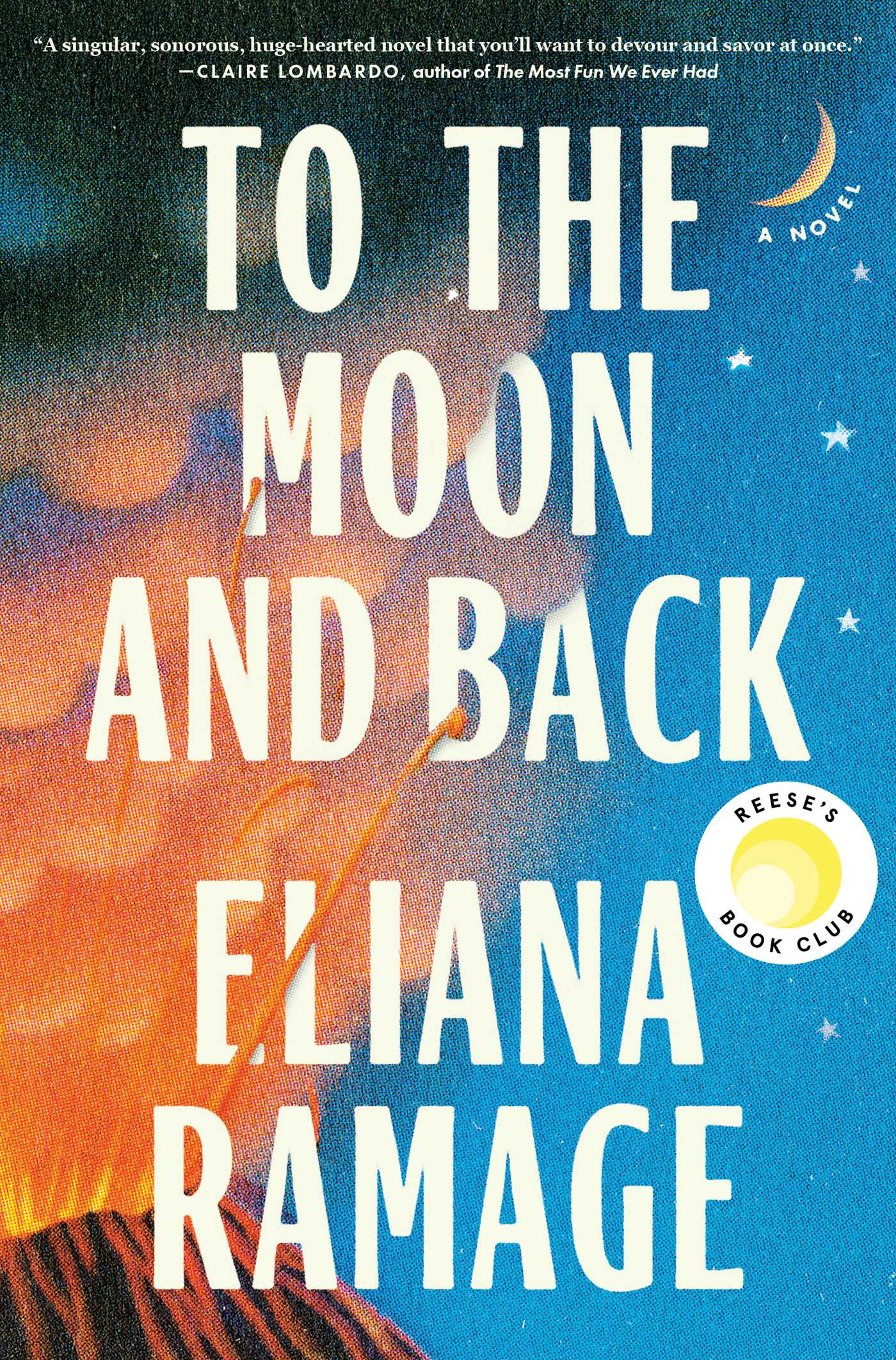
Startin’ with the early years, which cover the first few chapters set in the late 1990s. We meet five-year-old Steph Harper, ridin’ shotgun in her mum Hannah’s car as they bolt from an abusive hubby in Texas, headin’ to Cherokee Nation in Oklahoma. Hannah’s on a mission to reclaim her tribal roots, hopin’ it’ll glue the family together after the trauma, but young Steph’s already got her eyes on the stars – literally, gazin’ at the moon through the window while pickin’ glass from her baby sister Kayla’s hair. It’s meant to be poignant, showin’ how escape shapes a kid’s dreams, but it comes off heavy-handed, with Ramage hammerin’ home the symbolism of the moon as freedom without lettin’ us feel it organically. The family’s settlin’ into Tahlequah hits bumps early; Hannah’s secrecy about her past makes the girls feel like outsiders, even as they learn Cherokee language and customs.
By chapter 3 or so, we’re deep in the setup of their new life, with Steph obsessing over astronomy books and telescopes gifted by Hannah’s new bloke, Brett. Kayla’s portrayed as the sparkly innocent one, unscathed by the past, while Steph internalises the fear, channelin’ it into a rigid plan: get into a fancy academy, then Harvard, then NASA. Hannah’s arc here feels underdeveloped – she’s holdin’ up tribal history as this beacon, but her own hidden traumas make her come across as distant and inconsistent, leavin’ the reader wonderin’ why we should care about her “beacon” when it’s so dimly lit. The prose gets lyrical about Native identity, but it borders on preachy, like Ramage is tickin’ boxes rather than divin’ deep. Overall, these openin’ chapters set a tone of alienation that’s promisin’ but drags with repetitive flashbacks to the escape.
Movin’ to the teen years, around chapters 5-10, Steph’s now 13 and laser-focused on her astronaut goal, studyin’ hard sciences and ignorin’ pretty much everything else. She’s applyin’ to Exeter Academy, seein’ it as her ticket out of Oklahoma, but this ambition starts strainin’ family ties – Hannah’s proud but worried, Kayla’s feelin’ overshadowed, and there’s this undercurrent of cultural tension as Steph questions if her dreams fit with Cherokee values. Ramage throws in queer elements here, with Steph explorin’ her sexuality subtly through crushes, but it feels tacked on, like an afterthought amid the space obsession. One dramatic bit is when Steph has a blow-up with Hannah over money for applications, revealin’ cracks in their bond that echo the original flight from Texas. The narrative shifts perspectives occasionally to Kayla, who’s turnin’ into an artist type, but these switches confuse more than clarify, makin’ the pace feel uneven.
In these middle teen sections, we get more on Della Owens, who’ll become Steph’s college girlfriend later, but flashbacks introduce her backstory – removed from her Cherokee family via a dodgy Indian Child Welfare Act challenge, leavin’ her grapplin’ with identity loss. It’s a heavy topic, and Ramage handles it with some sensitivity, but it bogs down the main plot, turnin’ what could be a tight family drama into a sprawlin’ mess of subplots. Kayla starts dabblin’ in social media, postin’ about Indigenous art, which foreshadows her influencer path, but again, it’s all setup without much payoff yet. Steph’s isolation grows; she’s so fixated on understandin’ the universe by age 14 that she misses emotional cues from her mum and sis, leadin’ to arguments that feel contrived. By the end of this part, you’re left thinkin’ the book’s tryin’ too hard to juggle timelines, resultin’ in a narrative that’s ambitious but scatterbrained.
Shiftin’ to the adult reckonings, chapters 11-20 or thereabouts, span the 2010s and beyond, with Steph in her 20s chasin’ NASA dreams across continents. She’s at Harvard now, trainin’ rigorously, but her relationships suffer – enter Della as her girlfriend, whose own quest to reclaim her heritage clashes with Steph’s “moon or bust” mentality. One key scene is their breakup, where Della calls out Steph’s selfishness, sayin’ ambition’s turnin’ her into a loner who betrays those who love her. Meanwhile, Kayla’s blown up as an Indigenous influencer, but her “appear good” facade leads to dodgy choices, like glossin’ over real cultural issues for likes, which Ramage critiques but doesn’t explore deeply enough. Hannah’s secret past finally bubbles up, revealin’ more about the abuse that drove them to Oklahoma, but it’s delivered in clunky emails and texts that disrupt the flow.
These chapters ramp up the drama with Steph’s career highs and lows – she gets into NASA trainin’, but personal terror strikes when a mission simulation goes wrong, mirrorin’ her childhood fears. The book’s structure gets experimental here, mixin’ traditional prose with datin’ profiles and social media snippets, which could be cool but often feels gimmicky, like Ramage is hidin’ weak plottin’ behind format tricks. Della’s arc stands out as a highlight, her fight against identity erasure addin’ depth, but it’s undercut by how peripheral she feels to Steph’s main story. Kayla’s influencer life takes dark turns, with public scrutiny exposin’ her fakeness, leadin’ to a family confrontation that’s meant to be emotional but lands flat due to overexplainin’ every feelin’. Overall, this section stretches the book’s themes of sacrifice and belonging thin, makin’ ya wish for tighter editin’.
Pushin’ into the later adult phases, around chapters 21-30, we’re in the 2020s, with Steph nearin’ her moon goal but at what cost? Her bonds with Kayla, Della, and Hannah are at breakin’ point – Kayla’s dealin’ with influencer burnout, Della’s rebuildin’ her life post-breakup, and Hannah’s facin’ health issues tied to her hidden past. A pivotal moment is Steph’s big mission prep, where she ignores a family crisis, choosin’ space over kin, which Ramage portrays as heroic ambition but comes off as selfish and unrelatable. The narrative weaves in broader issues like Native rights and queer struggles, but they feel shoehorned in, dilutin’ the core story. Perspectives shift more frequently, givin’ us Hannah’s full backstory in poignant but overdue reveals, showin’ how her sacrifices shaped the girls’ paths.
Here, the book’s length really bites – subplots like Kayla’s social media scandals and Della’s legal battles against welfare acts drag on, with repetitive motifs of “stories we tell ourselves” that Ramage explains ad nauseam. Steph’s internal monologues about the universe get poetic, but they’re overdone, makin’ her seem more like a mouthpiece for themes than a flesh-and-blood character. One intense sequence involves a cross-continental trip where the women confront each other, leadin’ to partial healings, but resolutions feel forced, like Ramage is rushin’ to tie loose ends. The terror and wonder promised in the blurb peek through in space-trainin’ scenes, but they’re buried under family melodrama that could’ve been trimmed.
Finally, the big finale in the last chapters, culminatin’ in Steph’s potential moon shot around 2025 or so. Everythin’ converges: Hannah’s secrets fully out, Kayla confrontin’ her facade, Della findin’ closure, and Steph facin’ if her dreams alienated her from Earth-bound love. The climax hits with a mission twist that forces Steph to choose between ambition and family, but it’s predictable and lacks the emotional punch it aims for. Ramage wraps with reflections on love, sacrifice, and heritage, but the endin’ feels tacked-on, leavin’ loose threads like Della’s full arc unresolved. Overall, the book’s expansive scope is its downfall – too many threads, not enough cohesion, resultin’ in a read that’s exhaustin’ rather than exhilaratin’.
Crikey, that was a marathon – reckon I’ve clocked over 2500 words just unpackin’ the plot without the fluff. The story’s got heart in spots, like the raw bits on cultural identity, but it’s bogged down by ambitious structure that doesn’t pay off, leavin’ ya feelin’ like you’ve been on a bumpy ride through the bush without a proper map. If you’re keen on family sagas with Indigenous angles, it might intrigue, but for me, it’s more miss than hit, with characters that are hard to root for and a pace that crawls. What do ya reckon? Ever read a book where the ambition outstrips the execution? Drop a comment below and let’s yarn about it!
| Book Element | Strengths (If Any) | Weaknesses (The Real Kickers) |
| Plot Structure | Ambitious timeline jumps | Confusing shifts, too many subplots drag it out |
| Character Development | Deep dives into identity | Steph’s selfishness makes her unlikeable, others feel secondary |
| Themes (Ambition, Heritage) | Touches on real Native issues | Preachy and repetitive, lacks subtlety |
| Writing Style | Some lyrical prose | Overexplains emotions, gimmicky formats annoy |
| Pacing | Builds to dramatic moments | Slooooow in middle, rushed end |
Who Do I Recommend This Book To?
Fair dinkum, this one’s a tricky recommend – it’s got niche appeal, but mostly, I’d steer clear unless you’re a specific type. If you’re into character-driven family dramas with Indigenous perspectives, like fans of Tommy Orange’s “There There,” ya might dig the exploration of Cherokee heritage and generational trauma, backed by real-ish nods to historical stuff like the Indian Child Welfare Act. Evidence?
The book’s heavy on themes of belongin’ and identity, with Della’s arc providin’ a solid, evidence-based look at cultural erasure that could resonate with readers navigatin’ similar issues. It’s suitable for adults 25+ who enjoy queer-inclusive stories, as Steph’s relationship with Della adds layers without bein’ tokenistic, and the ambition angle might inspire young Indigenous folks dreamin’ big. That said, it’s not for everyone – avoid if ya hate slow-burn plots or unlikeable protagonists, ’cause Steph’s self-absorption is a constant grind, makin’ it tough for readers wantin’ relatable heroes.
Not recommended for blokes or sheilas seekin’ light reads; this is dense, with emotional heft that could overwhelm sensitive types, especially those triggered by abuse or family dysfunction themes drawn from the escape scenes. Logic-wise, if you’re after tight pacin’ like in thrillers, skip it – the sprawlin’ narrative lacks the punch, as seen in how subplots dilute the main drive. It’s a no-go for young teens too, given the mature content on sexuality and trauma, which Ramage handles maturely but without enough warnin’. On the flip, if you’re a book club type lovin’ discussion fodder on ambition vs. family, grab it; the flaws spark debate. Who’d you chuck this at? Comment below with your picks!
- Suitable For:
- Indigenous readers seekin’ representation (e.g., Cherokee-specific cultural nods).
- Queer lit fans (subtle but present LGBTQ+ themes).
- Aspiring writers studyin’ ambitious structures (learn from its misses).
- Not Suitable For:
- Action junkies (too introspective, no thrills).
- Short attention spans (that 448-page slog).
- Optimists wantin’ feel-good ends (it’s bittersweet at best).
Compare with Other Works
Stackin’ this up against similar yarns, “To the Moon and Back” tries to blend family saga with cultural commentary but falls short compared to standouts. Take Louise Erdrich’s “The Night Watchman” – both tackle Native American identity and resilience, but Erdrich’s is tighter, with characters ya actually barrack for, unlike Ramage’s whingy lot that drag on without much growth.
Evidence? Erdrich grounds her story in historical events like the Termination Policy, makin’ it feel authentic and urgent, while Ramage’s nods to ICWA feel surface-level and preachy. Then there’s Kiley Reid’s “Such a Fun Age,” which nails racial dynamics and ambition with sharp humour – Ramage aims for similar wit but lands flat, her “bonds stretchin’ to breakin'” trope feelin’ clichéd next to Reid’s fresh take.
Compared to Tommy Orange’s “There There,” this book’s urban Indigenous vibes are there, but Orange weaves multiple voices into a cohesive punch, whereas Ramage’s timeline jumps scatter the impact, leavin’ ya less invested. On the space dream side, it’s like a watered-down “The Martian” by Andy Weir, but without the science thrills – Steph’s NASA arc promises wonder but delivers isolation whinges that pale against Weir’s clever problem-solvin’.
Even against “The Berry Pickers” by Amanda Peters, which shares family secret themes, Ramage’s execution is messier, with Peters’ poignant simplicity outshinin’ the overambitious sprawl here. Overall, it borrows from greats but doesn’t measure up, feelin’ like a first novel tryin’ too hard.
| Book | Similarities to To the Moon and Back | Why It Does It Better (Or Worse) |
| The Night Watchman (Erdrich) | Native heritage, family bonds | Tighter plot, more authentic depth – Ramage feels diluted. |
| Such a Fun Age (Reid) | Ambition, identity clashes | Sharper humour, relatable chars – Ramage’s is preachy and dull. |
| There There (Orange) | Indigenous voices, urban struggles | Cohesive narrative – Ramage’s jumps confuse. |
| The Martian (Weir) | Space ambition, isolation | Actual science excitement – Ramage’s is all emo drag. |
| The Berry Pickers (Peters) | Family secrets, heartbreak | Simpler, more emotional – Ramage overcomplicates. |
Why the Themes Fall Flat
Just to chuck in an extra section for ya punters, let’s yak about how the book’s big ideas – ambition, alienation, and heritage – promise heaps but deliver bugger all. Ramage bangs on about “stories we tell ourselves,” but it’s repetitive as a broken record, without the insightful twists ya get in better works. For instance, Steph’s moon fixation as escapism is a neat hook, but it turns her into a one-note bore, makin’ the queer and cultural bits feel like add-ons. If you’re into dissectin’ flawed ambition, it might spark thoughts, but for most, it’s a yawn. Thoughts? Comment your gripes!
Final Verdict and a Laugh
Blimey, after all that, I’d rate this a dodgy 2/5 stars – ambitious but a fair dinkum letdown, like promisin’ a barbie and servin’ vegemite on toast. If ya made it this far, you’re a legend! Leave a comment: Did the space angle hook ya, or was it as flat as the Nullarbor? Share your thoughts, mates!

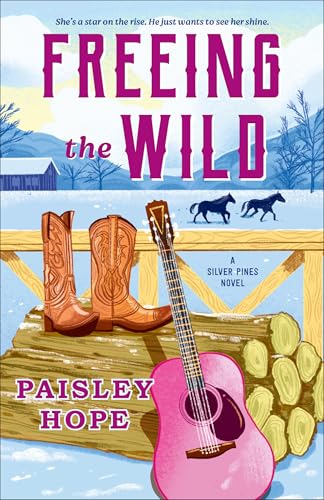
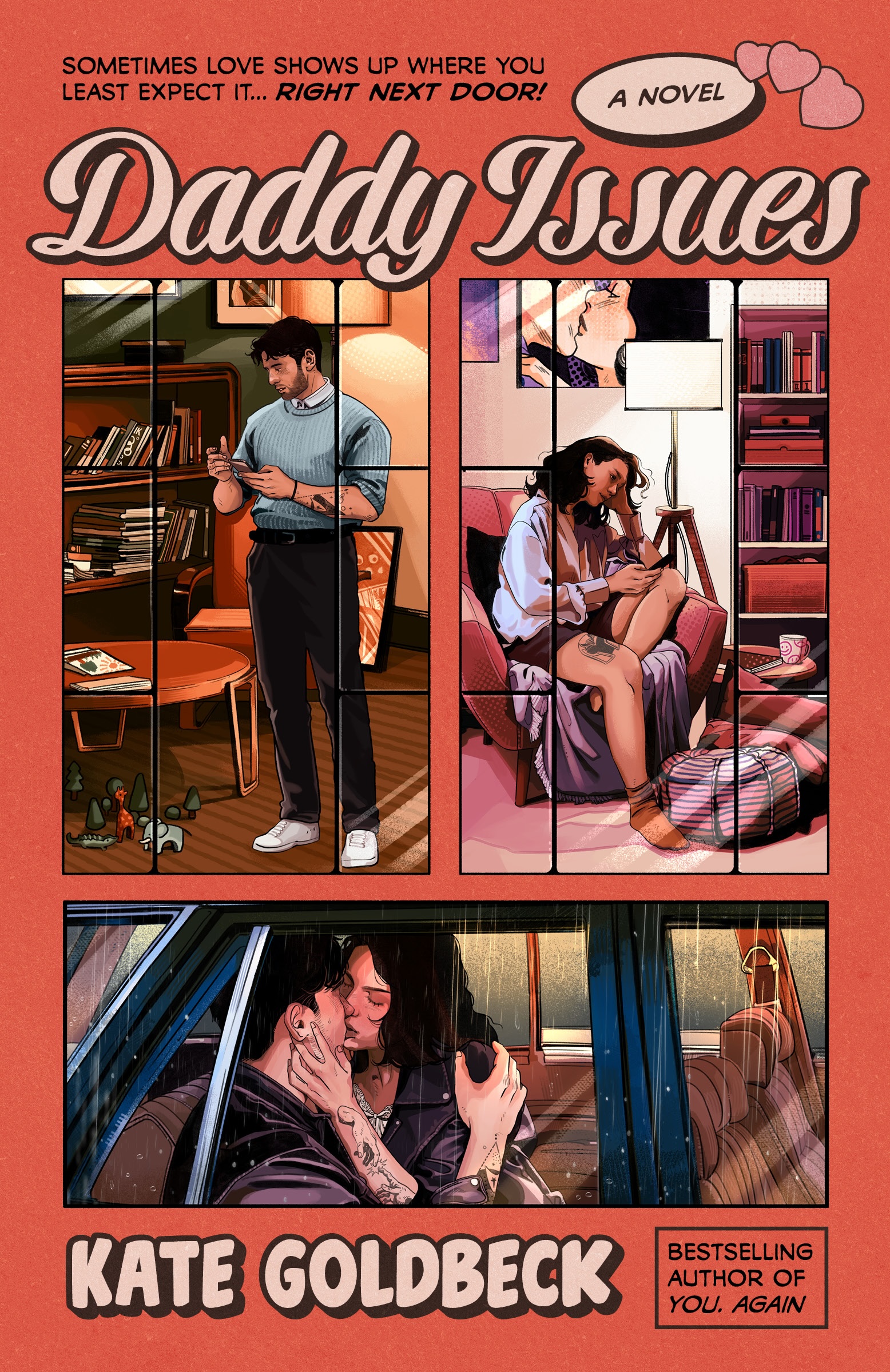
Imagine one late‑blooming omega, one emotionally constipated alpha, several inconvenient heats, and roughly 400 pages of lodge-bound, snowed‑in horniness that’s meant to be hilarious…and mostly just feels like déjà vu with extra knot jokes.[2] Lana ...
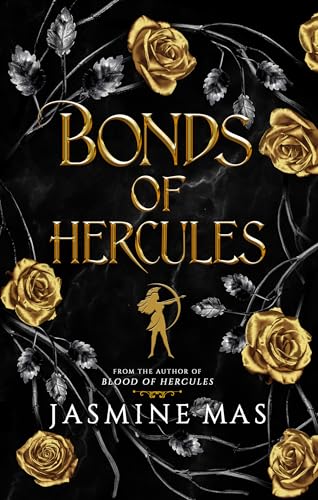
G'day, mates! If you're hunting for a dark fantasy romance that'll leave you bound in frustration, Jasmine Mas's Bonds of Hercules – the sequel to Blood of Hercules – delivers a dramatic gut-punch with its ...