Hot Wax Book Review and Summary: 29 Rock Traumas That’ll Haunt Your Playlist
What if a rock tour in ’89 turned your childhood into a nightmare that chases you for 29 bloody years? M.L. Rio’s Hot Wax dives into that chaos with Suzanne, a kid dragged into her dad’s band world of guitars, gigs, and gut-wrenching secrets. It’s a gritty tale of fame’s fangs, midlife meltdowns, and roads that lead to hell—stick around to see why this one’s more fizzle than firecracker.
- 29 years of buried trauma exploding in a road trip from hell.
- A band called Gil and the Kills ripping apart like a bad riff.
- Why this rock ‘n’ roll saga left me cheering for the exit.
- A 3/5 rating that screams “proceed with caution, mate.”
Book Overview: The Grit Behind the Glam
Hot Wax hits shelves in 2025, penned by M.L. Rio, the same author who gave us If We Were Villains. It’s a dual-timeline yarn flipping between 1989’s sweaty tour buses and today’s dusty highways, all drenched in rock ‘n’ roll vibes. But fair dinkum, while it promises a wild ride, it often stalls like a dodgy engine—messy characters and a plot that meanders more than it motors.
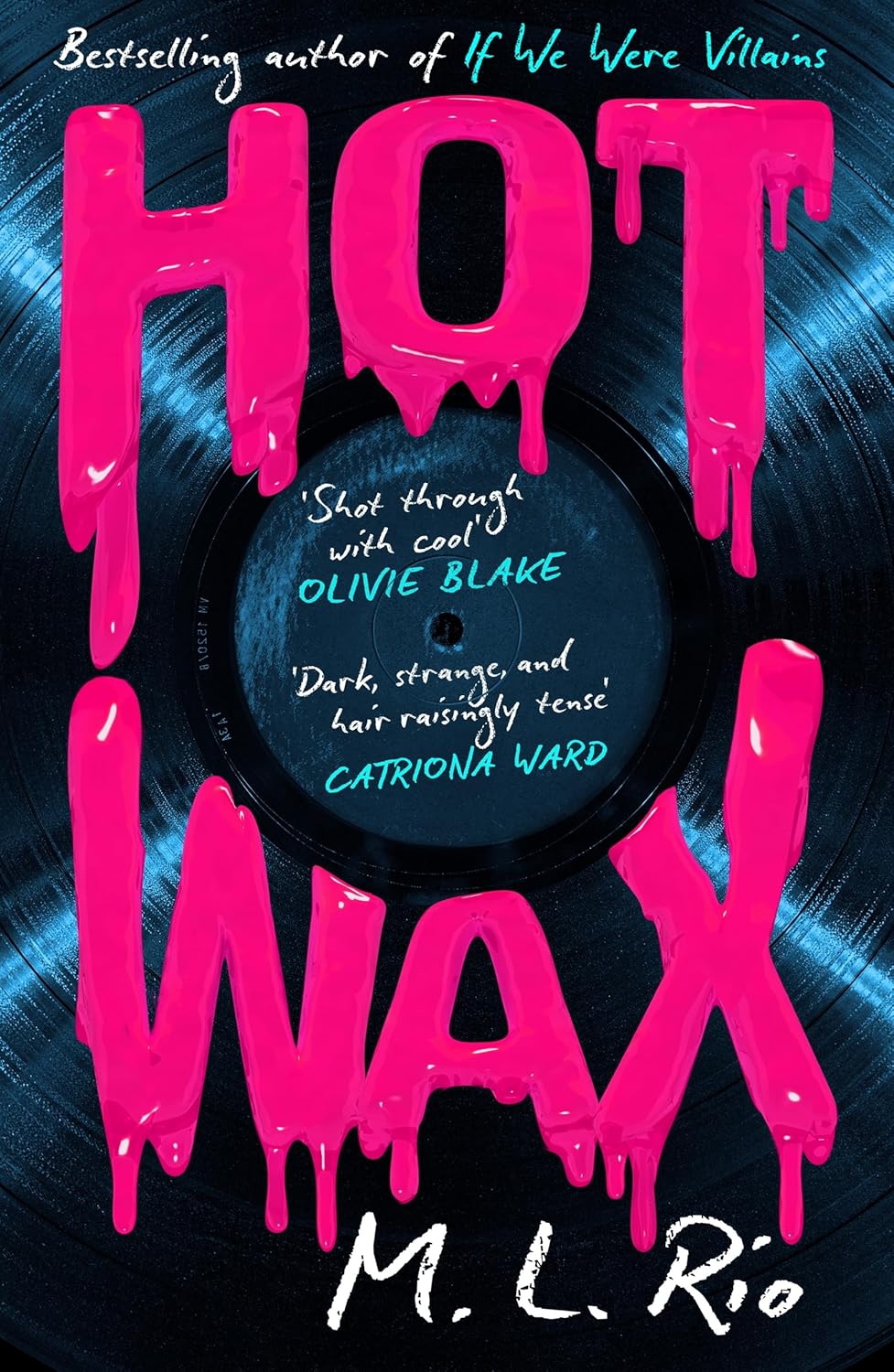
The standout drama? That explosive night in ’89 where fame’s dark side bites hard, leaving young Suzanne scarred for decades. Rio paints it vivid: drugs, jealousy, and a violent reckoning that shatters the band. Fast-forward, and adult Suzanne’s midlife crisis revs up when her dad’s death drops clues in her lap, sparking a chaotic quest for truth. It’s kudos for the raw grit, but crikey, the pacing drags like a ballad that won’t end.[1][2]
| Key Book Stats | Details |
| Author | M.L. Rio (Goodreads, 4.1/5 author rating, [3]) |
| Publish Date | September 2025 |
| Pages | Around 350 (NetGalley estimates, [4]) |
| Genre | Literary Fiction with Rock Thriller Vibes |
| Average Rating | 3.67/5 (Goodreads early reviews, [1]) |
In-Depth Summary: Side A and Side B Breakdown
The A-Side: Summer 1989
Summer 1989 kicks off with ten-year-old Suzanne Delgado escaping her mother Nora’s suffocating suburban remarriage by joining her estranged father Gil on tour with his metal band, Gil and the Kills. Suzanne idolizes Gil—the magnetic frontman with electric charisma who represents everything her boring home life isn’t. She’s immediately seduced by the forbidden world of tricked-out cars, screaming guitars, and the intoxicating chaos of life on the road.
The band performs their signature ritual before every show: Gil shouts “What are we here to do?” and each member responds—”Violence,” “Riot,” and the terrifying guitarist Skelly “The Hands” Skillman whispers “Kill.” Suzanne watches wide-eyed, not understanding she’s witnessing the toxic masculinity and performative aggression that will eventually destroy them all. Rio captures the grimy authenticity of late-80s touring life through Suzanne’s innocent lens, showing us backstage mayhem, the crushing intimacy of tour buses, and a child desperate for her father’s attention in a world designed for adults.
As Gil and the Kills start climbing the charts, internal power struggles intensify among band members. Suzanne becomes an unofficial roadie, documenting everything with her Polaroid camera and absorbing the music scene like gospel. She develops an encyclopedic knowledge of rock history, studying liner notes “like a seminarian at scripture,” and her connection to music becomes the defining feature of her personality.
The band’s inflammatory song “Papal Bullshit” generates buzz and controversy, propelling them toward potential stardom. But fame amplifies every personality clash, every ego, every simmering resentment. Suzanne witnesses the dark underbelly of rock and roll—drug use, violence, exploitation, and the way power corrupts creative partnerships.
Skelly emerges as a genuinely menacing presence in Suzanne’s life. With his tattooed skeleton hands and dead-eyed stare, he represents the violence lurking beneath the band’s glamorous surface. Rio crafts scenes between Skelly and young Suzanne that crackle with psychological tension, making readers increasingly uncomfortable as we watch a child navigate danger she can’t fully comprehend.
The catastrophic event Rio teases throughout the book finally happens—though she reveals it maddeningly late and frustratingly fast. Someone commits a desperate act of violence, and Suzanne becomes the only witness to something so traumatic it will shape her entire adult life. The incident remains “shrouded in mystery and lore” for decades, becoming part of rock mythology while Suzanne carries the burden of truth alone.
The B-Side: Present Day
Twenty-nine years later, Suzanne has transformed herself into the antithesis of her childhood. She lives in quiet suburban anonymity with her mild-mannered husband Rob, a straightlaced salesman whose favorite band is Dave Matthews—the ultimate insult in Suzanne’s music-obsessed worldview. She’s traded guitars for safety, mayhem for monotony, and her father’s wild legacy for a carefully constructed façade of normalcy.
Gil’s sudden death detonates Suzanne’s fragile stability. Unable to reconcile her grief with the complicated legacy he left behind, she makes the spectacularly irresponsible decision to abandon everything—her marriage, her home, her entire suburban existence—and hit the road in Gil’s inherited Ford Ranchero without explanation or plan.
Rob’s chapters alternate with Suzanne’s present-day narrative, showing his increasingly desperate pursuit across America. He rifles through her extensive CD collection, mystified by references to Captain Beefheart and obscure punk bands, realizing he never truly knew his wife. His perspective reveals a man fighting to retrieve a woman who never wanted to be caught, making him simultaneously sympathetic and suffocating.
Suzanne encounters Simon and Phoebe, free-spirited nomads living in an Airstream trailer who represent everything her suburban life suppressed. They’re in a polyamorous relationship that Rio handles with refreshing honesty, showing alternative relationship structures as genuinely healing rather than sensationalized. Suzanne hitches her fate to theirs, finding desire, adventure, and glimpses of the woman she buried decades ago.
The present-day timeline meanders through dusty highways, abandoned mining towns, roadside diners serving chile rellenos next to grilled cheese, and random antique fairs where characters browse junk while readers wonder when something will actually happen. Suzanne shops for vintage items, takes Polaroids, avoids her husband’s calls, and engages in vague soul-searching that feels more like aimless drifting than purposeful healing.
Rob refuses to let Suzanne go, tracking her across state lines with increasing desperation. When he finally confronts her in a Texas barroom, she insults his taste in music (the Dave Matthews burn) and temporarily escapes. But Rob’s pursuit becomes increasingly unhinged, transforming him from concerned husband into antagonist, forcing Suzanne toward confrontations she’s spent three decades avoiding.
The road trip through New Mexico’s small desert towns provides atmospheric moments—truckers at diners, the scorching heat, the vast emptiness mirroring Suzanne’s internal landscape. But these vignettes often feel disconnected from any coherent narrative momentum, sacrificing plot progression for mood and introspection.
The Revelation and Resolution
Rio finally reveals what happened during that fateful 1989 tour, though the disclosure feels rushed after 300+ pages of build-up. The violence Suzanne witnessed involved sexual assault, exploitation, and the brutal realities of how the music industry chews up and spits out everyone in its path, including children who should never have been there.
The ending remains deliberately ambiguous, with Rio leaving major threads unresolved. Suzanne’s journey toward self-acceptance and healing doesn’t follow a neat redemptive arc—she’s still messy, still broken, still figuring out who she is outside the trauma that defined her. The book concludes without providing the cathartic closure many readers expect, instead offering the unsettling truth that some wounds never fully heal.
Characters
Suzanne Delgado dominates this novel as both protagonist and most frustrating presence. As a ten-year-old, she’s sympathetic—a lonely child desperate for her father’s love, thrown into an adult world that fails her at every turn. But forty-year-old Suzanne becomes maddeningly self-absorbed, abandoning her entire life without explanation and expecting readers to applaud her reckless “self-discovery.” She’s an unreliable narrator who can’t or won’t examine her own trauma head-on, making the reader work exhaustingly hard to piece together what actually happened. Her obsession with music and photography provides interesting texture, but her complete inability to communicate or take responsibility for her choices makes her difficult to root for.
Gil Delgado functions as the charismatic destroyer—a magnetic frontman who genuinely loves his daughter but provides zero actual parenting. Rio avoids romanticizing the absent rockstar father trope, instead presenting a man whose passion for music constantly overshadows his paternal responsibilities. He’s simultaneously protective and neglectful, creating a toxic dynamic where Suzanne craves his approval while being exposed to violence, drugs, and exploitation. His relationship with Suzanne forms the emotional core, but it’s a love story poisoned by silence and the brutal realities of fame.
Skelly “The Hands” Skillman emerges as Rio’s most chilling creation—a guitarist with tattooed skeleton hands whose quiet menace pervades every scene. He represents rock and roll’s capacity for darkness without descending into caricature. His interactions with young Suzanne pulse with predatory tension that makes readers deeply uncomfortable, which is precisely Rio’s intention. The violence surrounding him becomes inevitable rather than shocking.
Rob starts as Suzanne’s mild-mannered suburban husband and gradually transforms into the story’s antagonist. He’s boring, conventional, and represents the suffocating normalcy Suzanne married for safety rather than love. While his pursuit of Suzanne across America initially seems like concern, it escalates into controlling desperation. Rio never lets readers fully sympathize with him because he fundamentally misunderstands the woman he married—his Dave Matthews fandom becoming shorthand for his inability to access Suzanne’s authentic self.
Simon and Phoebe are the nomadic couple living in an Airstream who pick up Suzanne on her road trip. They’re free-spirited, polyamorous, and represent liberation from societal expectations. Simon and Phoebe function more as catalysts for Suzanne’s transformation than fully developed characters, offering her glimpses of alternative ways to live and love. Their relationship provides contrast to Suzanne’s suffocating marriage, though they sometimes feel like wish-fulfillment characters rather than real people.
Vince and other band members populate the 1989 timeline but remain frustratingly underdeveloped despite being crucial to the story’s central violence. The drummer, bass player, and other crew members blur together, serving as background chaos rather than distinct personalities.
Nora (Suzanne’s mother) exists mostly in Suzanne’s bitter memories as the suburban conformist who remarried and created the suffocating environment Suzanne fled. Multiple reviewers identify Nora as “the real villain,” suggesting her maternal failures rival the band’s more obvious toxicity.
| Character | Role | Impact on Story | Likability |
| Suzanne | Protagonist, photographer, music obsessive | Central to everything, witnesses trauma | Low (as adult) |
| Gil Delgado | Rockstar father, frontman of Gil and the Kills | Creates chaos Suzanne can’t escape | Medium |
| Rob | Suburban husband, eventual antagonist | Represents suffocating normalcy | Very Low |
| Skelly Skillman | Guitarist with skeleton hand tattoos | Embodies violence and menace | Very Low |
| Simon & Phoebe | Nomadic couple in Airstream | Catalysts for Suzanne’s road trip | Medium |
| Nora | Suzanne’s mother | Creates initial trauma through neglect | Very Low |

Compare with Other Works
Versus M.L. Rio’s If We Were Villains
Hot Wax suffers catastrophically from comparison to Rio’s 2017 debut, which became a dark academia phenomenon with a devoted cult following. If We Were Villains delivered a tightly plotted mystery with Shakespeare-obsessed theatre students, quotable dialogue, and an ending that gutted readers. Hot Wax abandons that precision for sprawling, meandering literary fiction that prioritizes atmosphere over plot. Multiple reviewers expressed disappointment that Rio’s eight-year follow-up feels simultaneously overworked and undercooked, lacking the magnetic urgency of her debut.
Versus Daisy Jones & The Six by Taylor Jenkins Reid
The comparisons to Daisy Jones are inevitable but ultimately unfair to both books. Taylor Jenkins Reid’s 2019 novel used an oral history format to capture 1970s rock band dynamics with propulsive energy and a cast of fully realized characters. Hot Wax attempts similar territory in the late-80s metal scene but gets bogged down in dual timelines and psychological trauma. Where Daisy Jones celebrated music’s transcendent power while acknowledging its costs, Hot Wax wallows in the darkness without providing sufficient payoff. Daisy Jones readers expecting similar vibes will find Hot Wax significantly grimier, slower, and less satisfying.
Versus High Fidelity by Nick Hornby
Some reviewers invoked High Fidelity comparisons, but Hornby’s music-obsessed protagonist had wit, self-awareness, and narrative momentum that Suzanne lacks. High Fidelity balanced music nerdery with genuine character growth, while Hot Wax mistakes meandering for depth.
Literary Context
Hot Wax joins rock literature alongside Jennifer Egan’s A Visit from the Goon Squad and Patti Smith’s Just Kids, but it lacks Egan’s structural innovation or Smith’s raw authenticity. Rio’s prose is undeniably gorgeous—atmospheric and immersive—but style can’t compensate for the structural issues that plague the narrative.
Achievement
| Metric | Performance |
| Goodreads Rating | 3.57/5 stars (1,000+ ratings as of October 2025) |
| Page Count | 400 pages |
| Publisher | Simon & Schuster |
| Release Date | September 9, 2025 |
| Audiobook Length | 13 hours (narrated by Helen Laser) |
| If We Were Villains Rating | 4.28/5 stars (over 200,000 ratings for comparison) |
| Format | Hardcover $29, also available as audiobook and ebook |
| Previous Work | Graveyard Shift (2024 novella) rated 4.09/5 |
The numbers tell the story Rio probably didn’t want told. Hot Wax’s 3.57 Goodreads rating represents a significant drop from If We Were Villains’ 4.28, indicating readers’ disappointment despite high anticipation. While the book appeared on IndieNext lists and generated substantial pre-release buzz, it hasn’t achieved the bestseller status or cultural phenomenon that Rio’s debut eventually earned.
Hot Wax received trade reviews from Publishers Weekly and Kirkus, though Kirkus notably described it as “a bit of a hellride, but metal band–loving readers (hopefully not an oxymoron) may enjoy the scenery”—damning with faint praise. The book’s marketing as a thriller misled readers expecting If We Were Villains’ tension, resulting in widespread complaints that it’s actually slow-burn literary fiction masquerading as genre.
Simon & Schuster gave Hot Wax a major push with a multi-city book tour starting at The Strand in New York City, extensive ARC distribution to influencers, and coordinated media appearances. Despite this significant publisher support, the book hasn’t cracked major bestseller lists or generated the BookTok phenomenon that elevated If We Were Villains years after its initial publication.
The Pacing Problem
Let’s address the screaming elephant in the room: this book is excruciatingly slow. Rio takes nearly 300 pages to reveal information that should arrive by page 150, padding the narrative with endless road trip detours that test readers’ patience. The dual timeline structure theoretically creates tension, but in practice, it fragments the story until neither timeline generates sufficient momentum.
The “A-Side” 1989 chapters consistently outperform the “B-Side” present-day sections. Young Suzanne’s experiences on tour pulse with visceral energy and genuine stakes, while forty-year-old Suzanne’s aimless wandering through antique shops and random diners feels like filler. Readers repeatedly report dreading the return to present-day chapters, a devastating indictment of the book’s structural imbalance.
Rob’s point-of-view chapters prove particularly unnecessary—he’s always one step behind Suzanne, making his sections repetitive and dramatically inert. His pursuit should generate thriller tension, but instead, it highlights how little is actually happening in Suzanne’s storyline.
The Marketing Mismatch
Hot Wax was marketed as a thriller, leading readers to expect the propulsive mystery of If We Were Villains. Instead, they received a contemplative character study about childhood trauma and delayed healing. This fundamental genre mismatch created widespread disappointment among readers who felt misled by the packaging.
The book is literary fiction with thriller elements, not a thriller with literary aspirations. Readers seeking fast-paced plots, definitive conclusions, or satisfying resolutions will finish Hot Wax feeling frustrated and unsatisfied. The ambiguous ending that works in literary circles infuriates genre readers expecting closure.
What Actually Works
Rio’s atmospheric writing remains her greatest strength. The late-80s rock scenes feel authentic and immersive, capturing the sweat, blood, and electricity of live performances. Her descriptions create full sensory experiences—readers can hear the guitar feedback, smell the cigarette smoke, feel the crowd’s press.
Helen Laser’s audiobook narration reportedly elevates the material, using her vocal performance to propel readers through slower sections. Multiple reviewers credit the audiobook format with making the book more tolerable, suggesting the text alone struggles to maintain engagement.
The exploration of childhood trauma and its lasting effects demonstrates psychological nuance. Suzanne’s inability to access her own story directly, her unreliable narration, and her self-destructive patterns ring psychologically true, even when they’re narratively frustrating.
The polyamorous relationship between Simon, Phoebe, and eventually Suzanne receives refreshingly non-sensationalized treatment. Rio presents alternative relationship structures as valid healing paths rather than scandalous plot devices.
Final Thoughts: Worth the Spin?
- Messy rock drama with heart, but drags like a flat tyre.
- Strong on trauma themes, weak on payoff.
- Queer twists add spice, yet overall underwhelms.
- 3/5 stars—decent for niche readers, skip for thrill-seekers.
Loved the grit or reckon it’s rubbish? Drop a comment below—did the rock vibes rock your world, or leave you cold? Support my work with a small donation, or click the ads to keep these reviews rolling! Share if you dare, mates.

Vis gets cloned across three parallel dimensions after winning the Iudicium, and honestly? That's when this 736-page beast stops being clever and starts being exhausting. The ancient device beyond the Labyrinth rips him into three ...
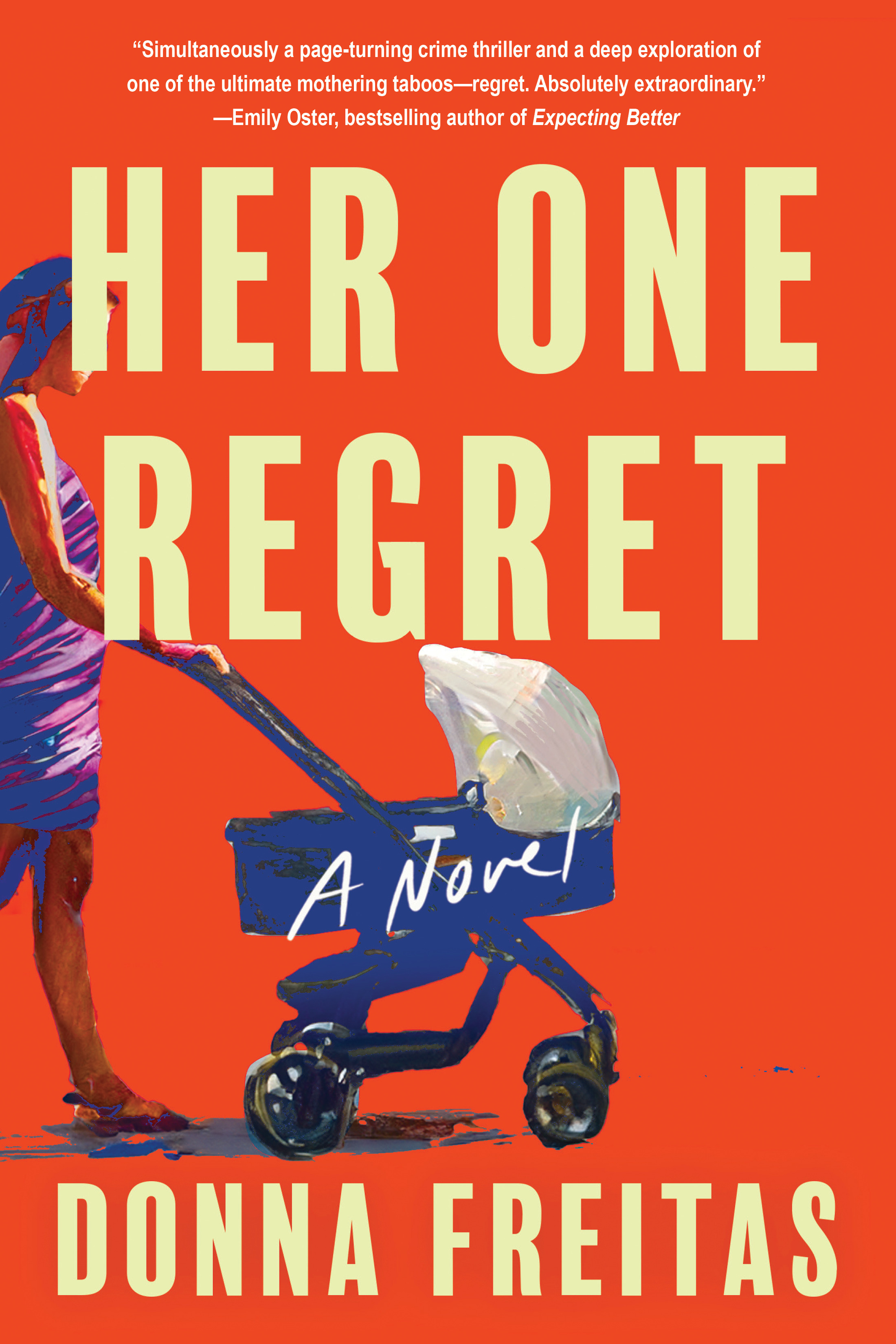
A successful real estate agent vanishes from a Narragansett Beach car park, abandoning her 9-month-old baby Emma in a shopping trolley. National headlines scream "monster mother," social media erupts, and the police scramble. But here's ...