Empire of the Dawn Synopsis & Explain: 3 Reasons This 766-Page
Gabriel de León’s swan song arrives drenched in blood and vengeance, racing through 766 pages of vampire carnage as the Last Silversaint hunts the Forever King while his surrogate daughter Dior speeds toward certain doom in besieged Augustin. The stakes couldn’t be higher, the trust couldn’t be lower, and Kristoff doesn’t hold back on the gut punches.
But here’s the thing – after two massive books building this world, does the finale actually deliver?
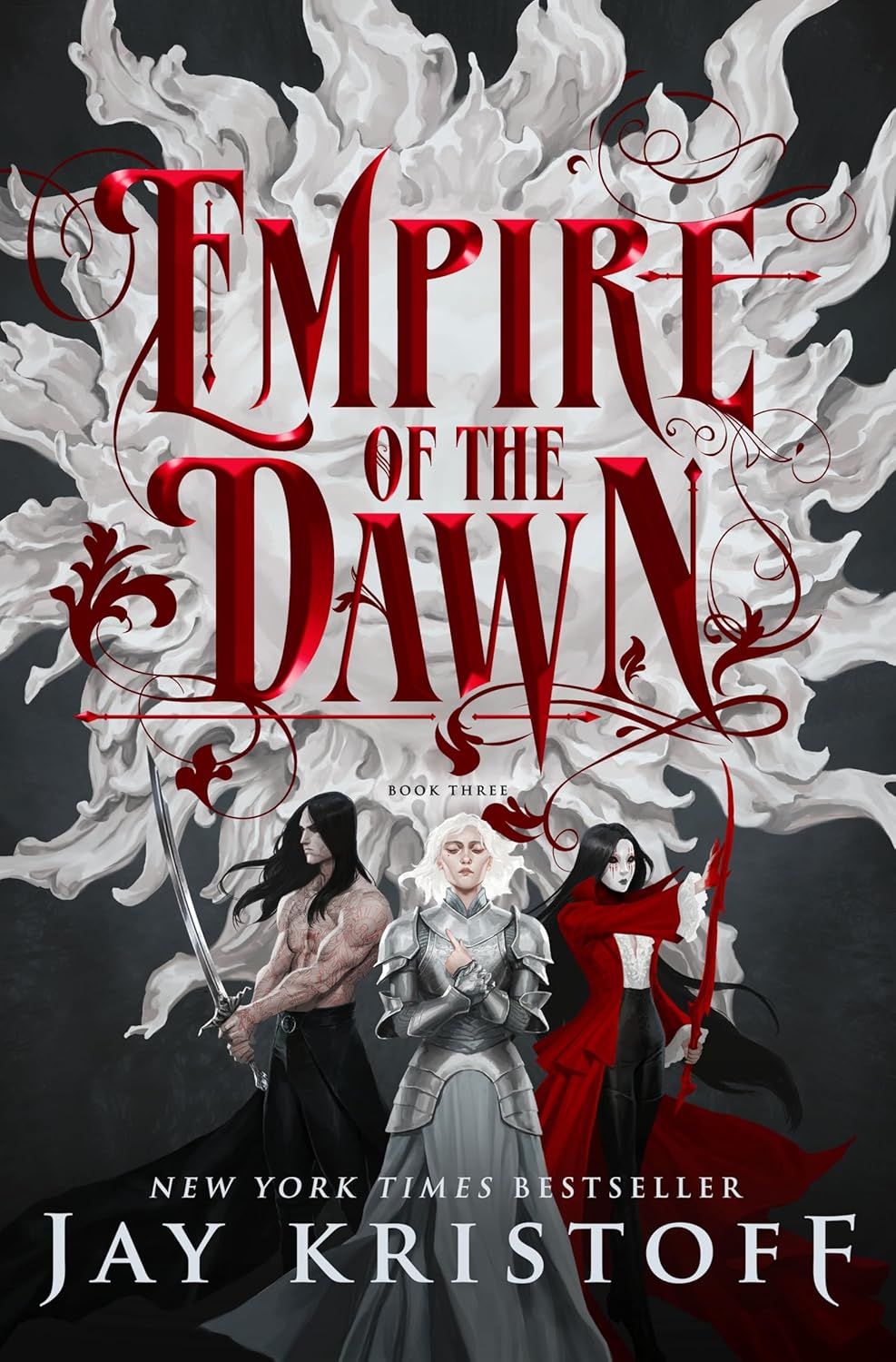
Detailed Summary
Opening: The Shattered Hope
Empire of the Dawn kicks off in the aftermath of the Maergenn massacre where clan Dyvok got absolutely obliterated. Gabriel’s standing in a ransacked chamber, hands covered in fresh blood and ash, smoking sanctus like his life depends on it. The Forever King still breathes, humanity’s on its last legs, and Gabriel thinks Dior’s dead.
He’s lost everything – family, faith, and now the Holy Grail herself. The only thing keeping him going is pure, unadulterated rage. He’s done playing the hero and ready to become the monster everyone thinks he is.
The narrative continues its Interview with the Vampire structure, with vampire historian Jean-François Chastain recording Gabriel’s confession. But there’s a twist – now Gabriel’s sister Celene gets her own chapters, adding her poisonous perspective to the mix. Mama Chastain (Empress Margot) is breathing down Jean-François’s neck, demanding the full story before the vampire families descend on their fortress.
Gabriel’s Quest for Vengeance
Gabriel leaves Maergenn convinced Dior perished in the battle, completely unaware she resurrected after three bloody days like some twisted savior. His mission is simple now – find Fabién Voss and rip his immortal heart out. No redemption arc, no moral high ground, just cold-blooded murder.
He reunites with his old crew: Aaron de Coste (now a freshly-turned coldblood vampire, which is all kinds of messed up), Baptiste Sa-Ismael (Aaron’s husband who’s dealing with his spouse becoming the very thing they hunted), and Lachlan (who apparently never shuts up). The band of brothers heads to the Barony of León, Gabriel’s ancestral home, to repair his legendary sword Ash at the family forge.
The León storyline drags Gabriel through family drama with his grandfather the Baron. There’s political scheming, forge work that takes way too long to describe, and a plot twist involving family secrets that honestly feels shoehorned in. The pacing here slows to a crawl when it should be racing toward the climax.
Aaron and Baptiste’s Toxic Drama
Aaron’s transformation into a vampire creates the expected relationship implosion with Baptiste. They snipe at each other constantly, Baptiste can’t touch Aaron without burning him (because of the Aegis silver tattoos that now torture Aaron’s undead flesh), and the whole situation is one massive tragedy waiting to explode.
The book spends considerable time on their marital strife, which adds emotional weight but also bloats the middle section. Aaron’s struggling with bloodlust, Baptiste’s drowning in grief and anger, and their bickering with Lachlan gets repetitive fast. You get it – everyone’s miserable and relationships are complicated when vampirism enters the chat.
Dior’s Separate Journey
Meanwhile, Dior’s alive and speeding toward Augustin with the weight of the world on her teenage shoulders. She’s the Holy Grail, descendant of the Redeemer, and her blood is literally humanity’s last shot at ending the 27-year-long Daysdeath. No pressure, right?
She faces deadly treachery in Augustin’s halls of power, because apparently even when vampires are knocking on the gates, humans can’t stop backstabbing each other. The political intrigue here feels unnecessarily convoluted when the plot should be streamlining toward the final confrontation. The Forever King’s legions are marching closer, but Dior’s stuck navigating court politics that would make Game of Thrones characters roll their eyes.
The Converging Paths
Gabriel and Dior’s storylines hurtle toward each other as the siege of Augustin intensifies. The book oscillates between past and present, with Jean-François frantically scribbling down every gory detail. Gabriel ends up imprisoned in a dungeon across the river from Celene, and they take turns narrating to the historian.
This structure creates tension but also frustration – just when one storyline gets interesting, Kristoff yanks you to another timeline. The constant jumping disrupts momentum, especially in the final act where you desperately want the story to just commit to one narrative thread and sprint to the finish line.
The Castle Wall Battles
Too many siege sequences. That’s the problem with the latter half of this book. Castle walls, vampire armies, desperate last stands – rinse and repeat. Multiple reviewers specifically called out the excessive fortress battles, and they’re not wrong. After the third major siege, the spectacle loses its impact.
Kristoff can write action like nobody’s business, but even the most gorgeously described vampire carnage gets exhausting when it’s the same tactical setup over and over. Defend the walls, breach the gates, sacrifice the redshirts, rinse, repeat. The choreography is technically impressive but emotionally numbing by battle number four.
The Final Confrontation
Gabriel finally faces Fabién Voss in the climactic showdown that’s been brewing for three books and 27 years of in-universe time. The Forever King is ancient, powerful, and supposedly unkillable – which makes the confrontation appropriately brutal. Without spoiling specifics, the battle delivers on visceral violence but perhaps not on emotional catharsis.
The fight itself is technically well-executed, but after 766 pages of buildup, some readers will find the resolution either too predictable or too subversive, depending on their expectations. Kristoff warned readers “you are not prepared” for the ending, which is author-speak for “you’re going to hate this or love it with no middle ground.”
The Controversial Ending
The finale throws readers hard. Multiple reviewers mentioned being “thrown by the ending” even though “if you were paying attention, it shouldn’t surprise you.” That’s code for: the foreshadowing was there, but you probably ignored it hoping Kristoff would chicken out and give you something conventional.
He doesn’t. This is not a happy ending – Jay Kristoff’s bio literally states “He does not believe in happy endings,” so anyone expecting sunshine and rainbows after 27 years of vampire apocalypse was reading the wrong trilogy. The conclusion fits the characters and the grimdark tone, but it’s emotionally devastating.
Trust is the final casualty. Gabriel and Dior reach the endgame with “no one left for them to trust. Not even each other.” That promise delivers in the most painful way possible, fracturing the one relationship readers invested three books into caring about.
Character Plots
Gabriel de León – The Last Silversaint crashes into his final act as a broken, rage-fueled shell of the idealistic warrior he once was. His character arc across three books charts a steady descent from faithful paladin to bitter antihero to something that barely qualifies as human anymore. The paleblood vampirism he inherited from his Esani mother finally takes over, the sangirè consuming his last shreds of humanity.
Gabriel’s defining trait in Dawn is his complete abandonment of redemption. He’s not trying to save the world anymore – he’s trying to murder everyone who took his family. This makes him a compelling protagonist but not particularly likable. His relationship with his blood addiction, his crumbling faith, and his guilt over failing Dior creates a tragic figure, but also one who’s exhausting to spend 766 pages with.
Dior Lachance – The Holy Grail herself gets substantial development in Dawn, evolving from protected McGuffin to active agent in her own fate. She’s still burdened by being humanity’s last hope, still wrestling with divine expectations she never asked for, but she’s making her own choices now. Unfortunately, many of those choices lead directly into treachery and heartbreak.
Dior’s arc explores the cost of being the Chosen One when the world’s already lost. Her powers can destroy vampires and heal wounds, but what good is holy blood when surrounded by enemies on all sides? Her maturation feels earned, but the trauma she endures borders on excessive even by Kristoff’s standards.
Celene Castia – Gabriel’s sister and a vampire of the Blood Esani, Celene gets her own narrative chapters in Dawn, and she’s magnificently venomous. Turned by Laure Voss during the destruction of their childhood village, Celene embodies the tragedy of losing your humanity while retaining your memories. She’s awfully, fearfully beautiful as a vampire, pale and perfect and absolutely monstrous.
Her conversations with Jean-François reveal a bitter woman who feels betrayed by Gabriel, by their family, by the entire notion of purity and righteousness. She rejects labels, embraces her identity as a monster, and challenges Jean-François’s assumptions at every turn. Her defiance and allure make her the most interesting character in the present-timeline sections, but her impact on the overall plot feels underutilized.
Aaron de Coste – Poor Aaron gets the worst transformation arc in the series. Turned into a coldblood vampire while bearing the Aegis (holy silver tattoos that burn vampire flesh), he’s trapped in an eternal cycle of agony. His skin heals, the tattoo reforms, and he burns again. The only relief comes from being flayed repeatedly, which is as horrific as it sounds.
Aaron’s struggle with his new nature while trying to maintain his relationship with Baptiste provides emotional depth, but the constant bickering gets tiresome. His friendship with Gabriel strains under the weight of Aaron’s bloodlust and Gabriel’s single-minded vengeance. By the end, Aaron’s character feels like a punching bag for Kristoff’s sadism rather than a fully realized person.
Baptiste Sa-Ismael – Aaron’s husband and a master blacksmith, Baptiste represents the normal human desperately trying to survive supernatural chaos. He’s loyal, skilled, and completely out of his depth dealing with his vampire spouse. Their relationship drama dominates several chapters, providing interpersonal conflict when the vampire armies aren’t actively attacking.
Baptiste’s arc explores loving someone who’s become the enemy. He can’t touch Aaron without causing pain, can’t trust that Aaron won’t lose control and drain him, can’t reconcile the man he married with the monster he’s become. It’s tragic and well-written but repetitive across too many pages.
Jean-François Chastain – The vampire historian recording Gabriel and Celene’s testimonies serves as audience surrogate and occasional comic relief. He’s caught between his duty to his mother the Empress, his fascination with Gabriel’s story, and his uncomfortable attraction to the dangerous creatures he’s interrogating. His role expands in Dawn as he becomes more active in the narrative rather than just passive scribe.
Fabién Voss – The Forever King, ancient vampire, and Gabriel’s ultimate nemesis. After murdering Gabriel’s daughter Patience and turning his wife Astrid into a vampire, Fabién represents everything Gabriel wants to destroy. As the self-proclaimed ruler of the vampire empire, he’s powerful, strategic, and allegedly unkillable. His characterization as ultimate villain works on paper but lacks the personal menace needed to carry three books worth of buildup.
Lachlan – A late addition to Gabriel’s crew, Lachlan provides banter and sarcasm that borders on annoying. His constant sniping with Aaron gets old fast, and his character feels like comedic relief in a story that doesn’t need it. He serves a functional purpose in the plot but lacks the depth of the core cast.
Empress Margot Chastain – Jean-François’s mother and the vampire empress pulling strings from behind the scenes. She’s desperate for Gabriel’s story before the vampire families converge on her fortress, but her motivations and ultimate role in the narrative remain frustratingly opaque for too long.
Compare With Other Works
Anne Rice’s Vampire Chronicles – The Interview with the Vampire structure is the most obvious comparison, with Gabriel recounting his life story to Jean-François just as Louis did with the boy reporter. However, where Rice’s vampires were brooding, philosophical immortals wrestling with the burden of eternal life, Kristoff’s bloodsuckers are straight-up monsters. No romantic anti-heroes here – these vampires kill violently and indiscriminately.
Kristoff cited Interview as his biggest influence, but Empire of the Dawn lacks the moral complexity that made Rice’s work transcendent. Gabriel isn’t wrestling with the nature of evil – he’s just trying to survive it. The gothic atmosphere is there, the beautiful violence is present, but the existential dread gets buried under action sequences.
Patrick Rothfuss’s The Name of the Wind – Multiple reviewers compared Empire of the Vampire to Rothfuss’s debut, presumably because both feature a legendary hero recounting his rise and fall to a chronicler. However, where Kvothe’s story is lyrical and mysterious, Gabriel’s tale is brutal and straightforward. Dawn delivers the conclusion Rothfuss fans are still waiting for, which is both a compliment to Kristoff’s ability to finish a trilogy and a reminder that not all endings are worth the wait.
Joe Abercrombie’s First Law Trilogy – The grimdark tone, morally compromised heroes, and “no happy endings” philosophy align closely with Abercrombie’s work. Both authors excel at making readers care about terrible people doing terrible things. However, Abercrombie’s character work is tighter, his plotting more economical. Kristoff’s tendency to over-describe and drag out action sequences would benefit from Abercrombie’s ruthless editing.
Bram Stoker’s Dracula – The obvious vampire literature touchstone, but Kristoff’s take pushes vampires back toward Stoker’s monstrous roots rather than modern romantic interpretations. The Forever King shares Dracula’s ancient power and strategic mind, but lacks the singular presence that made Stoker’s creation iconic. After three books, Fabién Voss still feels more like a concept than a character.
George R.R. Martin’s A Song of Ice and Fire – The sprawling cast, political intrigue, and willingness to brutalize beloved characters invites Martin comparisons. However, where Martin’s strength lies in intricate plotting and character perspective switches, Kristoff’s dual-timeline structure creates frustration rather than revelation. The Augustin political subplot feels like a pale imitation of King’s Landing machinations.
Achievements
| Metric | Specific Numbers |
| Page Count | 766 pages |
| Series Sales | 2+ million books in print worldwide |
| Countries Published | 35+ countries |
| Author Awards | 8 Aurealis Awards, 1 ABIA (Australian Book Industry Award) |
| Goodreads Rating | 4.69/5 stars (based on 152 ratings pre-release) |
| ARC Reviews | 92+ advance reviews on Goodreads |
| Book 1 Bestseller Lists | #1 New York Times, #1 USA Today, #1 Wall Street Journal, #1 Sunday Times, #1 Barnes & Noble, #1 Dymocks |
| International Success | #1 bestseller in France and Spain, bestseller status in Germany and Italy |
| Special Editions | 14+ different exclusive editions for Book 1 |
| Release Date | November 4, 2025 |
The numbers are undeniably impressive. Kristoff broke into the top tier of fantasy authors with this trilogy, achieving commercial success that most writers only dream about. The fact that multiple special editions sold out within hours, crashing retailer websites in the process, demonstrates the rabid fanbase he’s cultivated.
However, commercial success doesn’t automatically equal quality. The Twilight series sold 160+ million copies worldwide, and nobody’s holding that up as the pinnacle of vampire fiction. Empire of the Dawn will likely match or exceed its predecessors’ sales figures, but whether it deserves that success is debatable.
Writing and Prose
Kristoff’s prose is dense, lyrical, and absolutely exhausting. His signature blend of crude humor (“I’d rather shit in my hands and clap” when asked to pray) and cynical observations creates a distinctive voice, but 766 pages of it feels like drowning in sanctus smoke. The vivid imagery and darkly enchanting descriptions that dazzled in Book 1 become repetitive by the trilogy’s end.
The constant profanity worked in small doses but loses impact when every other line contains a creative way to say “fuck.” Gabriel’s sardonic worldview was charming across one book; across three, it’s one-note. The prose style speaks to a specific audience who loves dense, baroque fantasy, but it actively alienates readers who prefer tighter, more economical writing.
Pacing Problems
Dawn suffers from serious pacing issues. The opening is strong, the middle sags under the weight of repetitive castle sieges, and the ending rushes to tie up loose ends. The dual-timeline structure that worked in earlier books becomes a crutch here, allowing Kristoff to avoid committing to a single narrative momentum.
The Barony of León sequence drags. The Aaron/Baptiste relationship drama repeats the same beats. The political intrigue in Augustin meanders when it should be sprinting. Multiple readers specifically called out having to wait until the last quarter of the book for things to actually pick up again, which is damning for a trilogy finale.
The Art
One bright spot: the artwork by Gonzalo Mendiverry is gorgeous. Bon Orthwick’s departure from the series is noticeable, but Mendiverry brings his own stylistic approach that honors the original character designs while adding new flavor. The illustrated fantasy format that made Book 1 stand out continues to elevate the reading experience, giving visual breaks from the dense prose.
Final Verdict
Honestly? That depends entirely on your tolerance for grimdark excess and whether you’ve invested in the previous two books. If you’re already committed to Gabriel’s story, you’ll want the conclusion despite its flaws. If you’re considering starting the trilogy, understand that you’re signing up for 2,000+ pages of brutal vampire carnage with no promise of satisfying payoff.
Empire of the Dawn delivers technically competent dark fantasy with impressive worldbuilding and memorable violence. What it doesn’t deliver is emotional catharsis, tight plotting, or restraint. Kristoff’s talent is undeniable, but so is his tendency to bloat a story with unnecessary sequences and over-describe every sword swing.
The ending will polarize readers. Some will appreciate its boldness and thematic consistency. Others will feel betrayed after investing three books into caring about these characters. Both reactions are valid.
Rating: 3.5/5 stars – Good but not great. Impressive in scope, exhausting in execution.
Drop a comment below – Did the ending wreck you or redeem the series? Are you team “Kristoff’s a genius” or team “someone needed to edit this down by 200 pages”? And seriously, how many castle siege scenes is too many? Let’s argue about it because this book deserves discussion, even if it doesn’t quite deserve the uncritical praise it’s receiving.
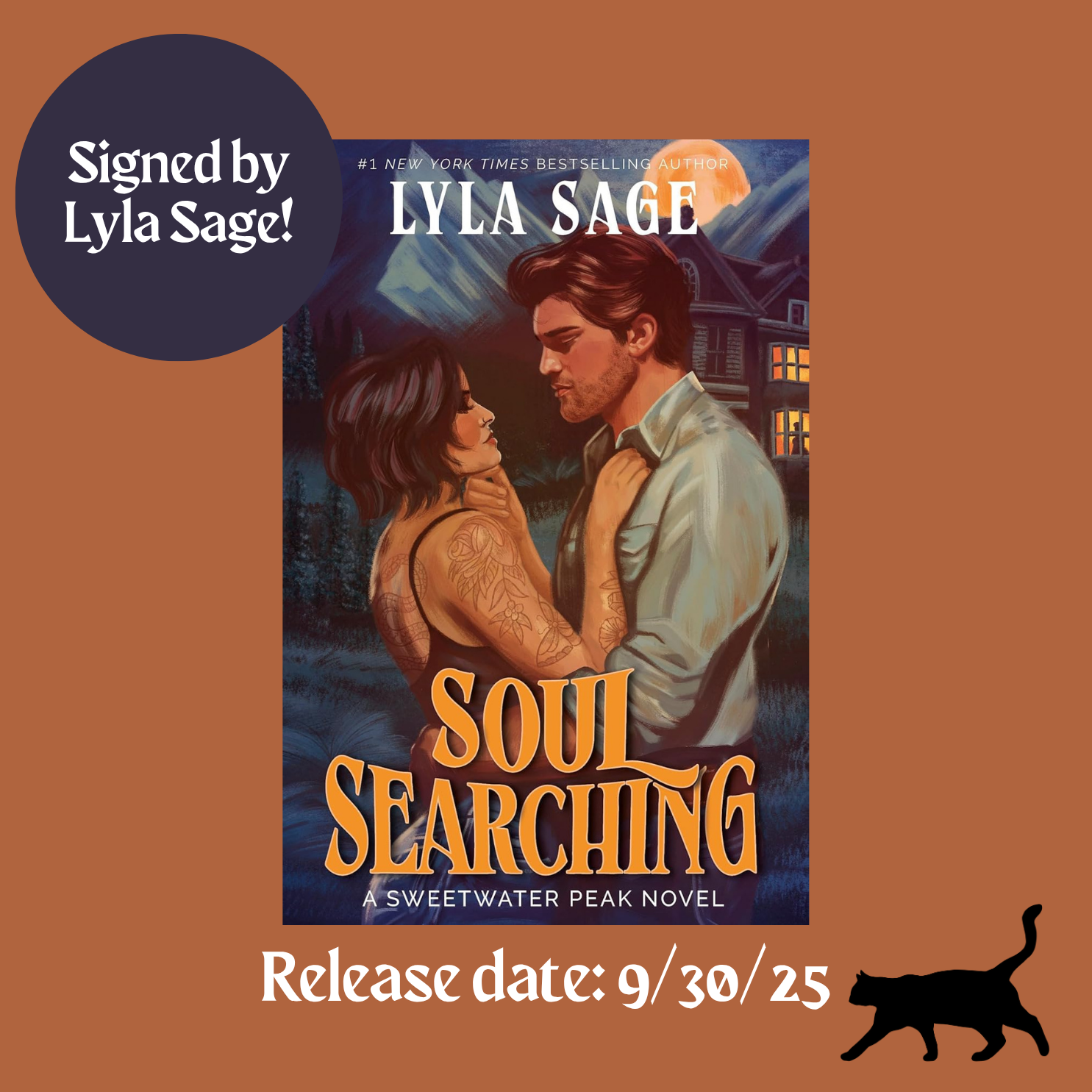
G'day, mates – buckle up for a yarn about Soul Searching by Lyla Sage, where a ghost-whispering sheila named Collins rolls back into her dusty Wyoming hometown, Sweetwater Peak, only to cop a faceful of ...

Picture this: a figure skater with Olympic trauma teams up with a cocky hockey bloke who got booted off his team for being a dickhead, and they're supposed to glide gracefully into love while sharing ...