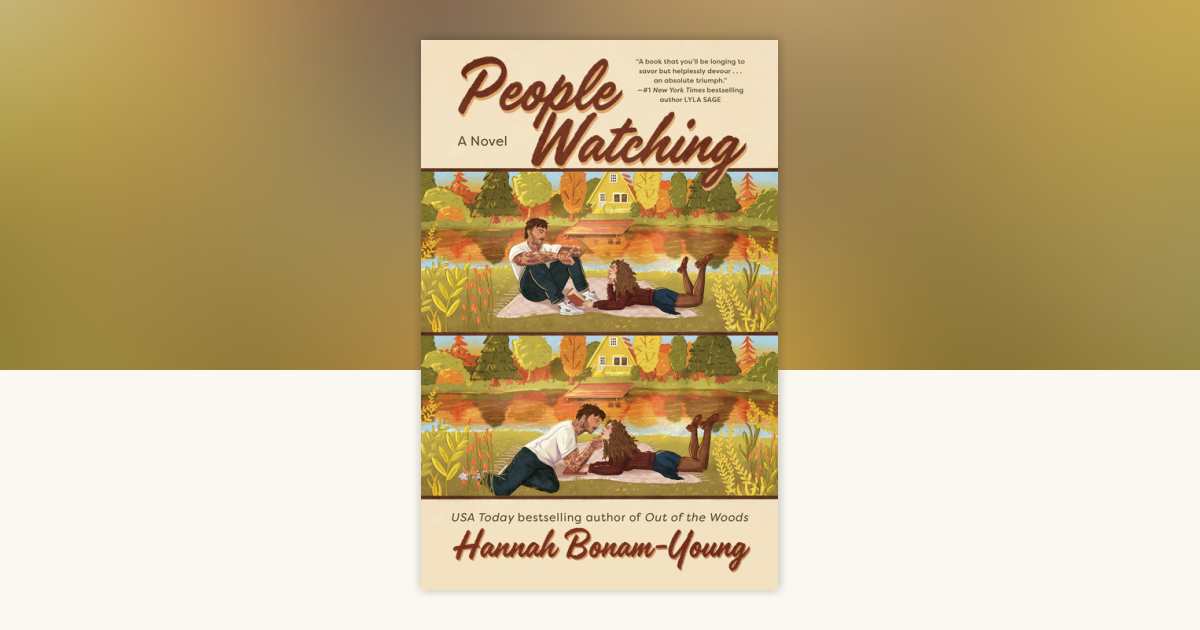
“People Watching” Summary & Explain : 9 Numbers You Won’t Believe | Book Review
Twenty-four-year-old Prue sacrifices everything to care for her mum with early-onset Alzheimer’s in small-town Ontario, writing poetry between shifts at the family servo. Then tattooed wanderer Milo rolls into town in his dodgy van, and what should be a sweet story of healing and connection becomes 352 pages of questionable consent, predatory behaviour masquerading as charm, and a protagonist so inexperienced she needs “sex lessons” like it’s Year 7 health class all over again.
Take a look:
- Why Milo’s 200+ body count becomes his entire personality
- The consent issues that plague nearly every romantic interaction
- How Alzheimer’s representation gets buried under constant horniness
- Why this 3.66 Goodreads rating represents a massive drop from her previous work
- The one-day third-act breakup that’s laughably pointless
Impressive Numbers This Book’s Nailed
Blimey, this one’s climbing the charts even before its big drop on September 9, 2025. No massive sales figs yet since it’s pre-release, but it’s already copping solid buzz. Here’s the lowdown in a tidy table – all backed by the goss from reliable spots.[1]
| Metric | Figure | Source/Details |
| Goodreads Average Rating | 4.0 out of 5 | Based on 109 early reviews; fans rave about its emotional depth and swoony vibes[2][3] |
| Barnes & Noble Sales Rank | 79,153 | Pre-order popularity; sitting pretty among upcoming romances[1] |
| NetGalley Buzz | Over 100 ARC reviews | High praise for themes like grief and self-discovery, with 4-5 star averages[4][5] |
| Author’s Track Record | 3 prior bestsellers | Hannah’s smashed it with Next of Kin, Next to You, and Out on a Limb, all Amazon hits[6][7] |
Fancy that? If ya’ve snagged an early copy, spill in the comments – what’s your star count?
Detailed Summary: Broken Down by Key Parts
The Setup
Prudence Welch works at Welch’s Gas and Grocer, a family business spanning four generations in Baysville, Northern Ontario. She’s 24, a virgin, writes poetry in stolen moments, and has built her entire existence around caring for her mother Julia, who received an early-onset Alzheimer’s diagnosis when Prue was just 19. What should’ve been temporary—pausing college plans to help out—has stretched into five years of watching her dreams evaporate while her mum’s memories fade.
Prue’s dad Tom wants to move Julia into Horizon, a specialized memory care facility, because his own health is deteriorating. He’s pushing Prue to “get her own life,” but she’s terrified of losing the time she has left with her mum. The family dynamic is tender and heartbreaking—Tom and Julia’s love story serves as the gold standard Prue measures everything against, making her own romantic inexperience feel even more inadequate.
The town knows everyone’s business, and Prue has become the good girl who never left, never rebelled, never experienced anything beyond the petrol station and her mum’s declining health. She and Tom keep a “people watching” journal at the servo, jotting down observations about customers—a creative outlet that’s become Prue’s main connection to the outside world.
Milo’s Arrival
Enter Milo Kablukov, 28, rolling into town in his beat-up van named Bertha that’s covered in cringe bumper stickers including “my other ride is your mother.” He’s covered in tattoos that are supposedly meaningful memories and inspirational scribblings. He’s got a slutty moustache, dark hair, dark eyes, and an ego the size of Tasmania.
Milo’s in Baysville to help his older brother Nik open a brewery. He’s a self-described “nomadic slut” and commitment-phobe who’s slept with over 200 people, participated in orgies and threesomes, and makes sure everyone knows it. The first time he sees Prue, he’s imagining her naked—a charming introduction that sets the tone for his entire character.
Julia was actually Milo’s favourite high school art teacher a decade ago. She cheered the loudest at his graduation, and he hasn’t seen her in ten or eleven years. This connection gives him easy access to the Welch family, though it makes his later behaviour toward Prue even more questionable given the family trust he’s exploiting.
The Problematic “Arrangement”
Milo initially presents himself as casual-only, telling Prue upfront he doesn’t do relationships. But within pages, he’s confessing he’s falling too hard and too fast for her. The whiplash is exhausting. His internal monologue constantly sexualizes Prue, with thoughts like “Women like her are always the most fun to win over” and “Girls like that make you work for it in bed too, make you earn every second of their time. And I love to earn it.”
During a game of truth or dare, Prue reveals she’s a virgin with “zero bodies.” Instead of treating this revelation with respect, it becomes Milo’s entire focus. Prue proposes a “casual sex lessons” arrangement complete with a to-do list covering everything from oral sex to being tied up. What could be empowering becomes infantilizing as Milo positions himself as the experienced teacher and Prue as the clueless student.
The consent issues emerge immediately. When Prue tells Milo she doesn’t want to kiss him, he leans in anyway, later justifying it by saying “You hesitated.” He ignores her verbal boundaries, claiming his hands “have minds of their own” when asked to keep them off her. This isn’t sexy tension—it’s coercion dressed up as persistence.
The Sex Lessons
The book dedicates extensive page time to Milo “teaching” Prue about sex. He calls her “killer” constantly, even during intimate moments, which is bizarre and off-putting. The scenes are meant to be hot but read as uncomfortable because there’s no genuine emotional foundation—just a man with a massive body count taking virginity like it’s a trophy to collect.
Prue’s inexperience is written as adorable naivety rather than simply being sexually inexperienced. She’s treated as childlike, needing guidance on basic anatomy and responses. This infantilization is particularly gross coming from Milo, who constantly remarks on how “innocent” and “cute” she is while simultaneously pushing past her boundaries.
The lessons progress through Prue’s list, but every encounter feels more about Milo’s ego than Prue’s actual desires. He’s performatively good at sex, but emotionally? Completely unavailable and manipulative.
Family Dynamics
The strongest parts involve Prue’s relationship with her parents. Tom is genuinely lovely—a devoted husband watching his wife slip away while dealing with his own cancer diagnosis. Julia has good days and bad days, with the Alzheimer’s progression shown in realistic, heartbreaking detail. Their family traditions and the stories of how Tom and Julia met provide genuine emotional weight.
Unfortunately, every tender moment with Julia gets immediately undercut by Prue’s next thought being about shagging Milo. Her mum’s having a memory crisis? Better think about that time Milo did that thing with his tongue. The tonal whiplash is jarring and disrespectful to the serious subject matter.
Milo’s family includes brother Nik (opening the brewery), sister Nadia, and mentions of Aleks. The brewery is called MANS—an acronym for Milo, Aleks, Nadia, and Sef. Milo’s childhood was abusive with unaffectionate parents, which is meant to excuse his emotional unavailability and boundary-stomping behaviour. Spoiler: it doesn’t.
Milo “Helps”
Milo offers to spend an hour daily painting with Julia and another hour with Prue. He helps clean out Julia’s art studio and works shifts at the servo with Tom. This should make him likeable, but it feels manipulative—like he’s buying access to Prue through her family’s vulnerability.
They dance to ABBA, sing off-key, and have moments that are meant to be cute but feel hollow because Milo’s never developed beyond “slutty wanderer with trauma.” His growth is superficial at best.
The people-watching journal becomes something Milo and Prue share, with his sketches paired with her poems. It’s their “unique language of intimacy,” but like everything else, it’s underdeveloped and rushed.
The Community
Baysville is a small tourist town where everyone knows everyone. The community supposedly rallies around Julia, which is sweet in theory but barely explored in practice. The brewery subplot with Nik exists mainly to give Milo a reason to stay in town.
Secondary characters like Nik, Nadia, and Aleks remain frustratingly underdeveloped despite being important to the plot. Their relationships feel more interesting than the main romance, which is damning.
The Laughable Third Act
With only 10% of the book remaining, we get the mandatory third-act breakup. It’s completely manufactured drama that exists only because romance novels are “supposed” to have one. The separation lasts approximately one day before they’re back together.
No real growth occurs. No meaningful conversations happen. It’s resolved so quickly that it’s pointless, deflating any emotional impact it might have had.
The Resolution
Prue and Milo end up together because of course they do. Prue supposedly learns to advocate for herself and pursue her own dreams, but this journey feels unearned because she spends the entire book being steamrolled by Milo’s wants and needs.
Milo claims he’s learned to commit and stay in one place, but there’s no evidence he’s actually dealt with his trauma or changed his manipulative patterns. The epilogue is aggressively cheerful, glossing over the serious issues the book raised.
Tom’s health situation and Julia’s care get neat, tidy resolutions that feel unrealistic given the complexity of caregiving and terminal illness. Everything wraps up too perfectly for a book that pretends to tackle real, messy problems.
Characters
Prudence “Prue” Welch is 24 years old, a virgin, a poet, and has sacrificed five years caring for her mum. She should be sympathetic, but she’s written as so painfully naive that she reads as much younger than her age. Her virginity becomes her defining trait, with constant references to how inexperienced and “innocent” she is. She’s described as an “alien” who watches life from the sidelines, which is meant to be relatable but comes across as underdeveloped. Her internal monologue swings wildly between heartbreak over her mum’s condition and being ridiculously horny for Milo—there’s no middle ground. She has zero spine, letting everyone make decisions for her while she passively accepts whatever happens. Her poetry is mentioned constantly but never actually good when quoted. As a protagonist, she’s frustrating because she never truly advocates for herself, just transfers her people-pleasing from her parents to Milo.
Milo Kablukov is 28, bisexual, covered in tattoos, owns a van called Bertha, and has slept with 200+ people. That last fact becomes his entire personality—he brings it up constantly, making his bisexuality feel like a harmful stereotype rather than authentic representation. His first thought upon seeing Prue is imagining her naked, which sets the tone for his predatory behaviour throughout. He doesn’t understand consent, repeatedly pushing past Prue’s stated boundaries and justifying it as her “really wanting it.” He calls her “killer” constantly, even during sex, which is bizarre and off-putting. His childhood trauma (abusive parents, no affection) is meant to excuse his commitment issues and boundary violations, but trauma doesn’t justify being a creep. The book tries to present him as sweet and vulnerable, but his actions tell a different story. His relationships with siblings Nik and Nadia are mentioned as important but never fully explored. He supposedly grows and learns to commit, but there’s no actual character development—he just decides to stay because Prue is special, which isn’t growth.
Tom Welch is Prue’s father and the only genuinely likeable character in the book. He’s dealing with his own cancer diagnosis while watching his beloved wife Julia slip away to Alzheimer’s. His love for Julia is beautiful and heartbreaking, providing the emotional core the main romance lacks. He works the servo with Prue and develops a sweet dynamic with Milo built on shared work. His pushing Prue to “get her own life” comes from love and concern, not neglect. He’s patient, devoted, and realistic about the challenges of caregiving. Tom deserves better than being a supporting character in this mess.
Julia Welch is Prue’s mum, diagnosed with early-onset Alzheimer’s at roughly 45 years old. She was an art teacher who taught Milo in high school a decade ago. Her condition is portrayed with sensitivity in isolated moments—good days mixed with heartbreaking memory loss—but these scenes are constantly undermined by Prue immediately thinking about sex with Milo afterward. Julia’s relationship with Tom provides the book’s most authentic emotional moments. She exists more as a plot device to keep Prue trapped in Baysville than as a fully realized character, which is a shame because the Alzheimer’s representation had potential.
Nik Kablukov is Milo’s older brother opening the brewery MANS (Milo, Aleks, Nadia, Sef). He’s married with kids and serves as the responsible sibling who actually stayed connected to family. He’s barely developed beyond “supportive brother who needs Milo’s help,” which wastes his potential as a character who could provide contrast to Milo’s immaturity.
Nadia Kablukov is Milo’s younger sister, set up for a future book with Aleks. Like Nik, she’s mentioned as important to Milo but never given enough page time to feel like a real person. The sibling dynamics are described as crucial to understanding Milo’s trauma, but they’re so underdeveloped that they fail to provide meaningful context.
Aleks is positioned as Nadia’s future love interest and seems to be the “nice guy” contrasted with Nadia who “couldn’t afford to be nice.” This setup is meant to intrigue readers for the next book but instead feels like lazy sequel-baiting.
| Character | Age | Role | Fatal Flaw |
| Prudence Welch | 24 | Virgin protagonist, caregiver, poet | No backbone, defined entirely by inexperience |
| Milo Kablukov | 28 | Wanderer with 200+ partners, bisexual | Predatory, ignores consent, no real growth |
| Tom Welch | ~50s | Prue’s dad, cancer patient | Only flaw is being stuck in this book |
| Julia Welch | ~50s | Prue’s mum with Alzheimer’s | Reduced to plot device for Prue’s stagnation |
| Nik Kablukov | 30+ | Milo’s brother, brewery owner | Underdeveloped despite importance |
| Nadia Kablukov | ~26 | Milo’s sister, future protagonist | Barely present in her own setup |
Compare with Other Works
Versus Out on a Limb by Hannah Bonam-Young
The comparison to Bonam-Young’s previous work is absolutely brutal for People Watching. Out on a Limb earned a stellar 4.26 rating on Goodreads with over 166,000 ratings, while People Watching limps in at 3.66 with around 9,000 ratings. Out on a Limb featured Win and Bo, two characters with limb differences who developed genuine chemistry through witty banter, authentic vulnerability, and actual consent. That book balanced disability representation, unexpected pregnancy, and emotional growth with humour and heart. People Watching attempts similar emotional depth but drowns in consent issues and unlikeable characters. Where Out on a Limb felt authentic because Bonam-Young shares her characters’ lived experience with limb difference, People Watching feels hollow—like she’s writing about caregiving and virginity from a distance rather than understanding. The decline in quality from 4.26 to 3.66 tells you everything you need to know.
Versus Beach Read by Emily Henry
Both books feature writers finding love while confronting personal fears in small-town settings. But Emily Henry’s Beach Read delivers genuine character development, electric banter, and a romance that feels earned. January and Augustus challenge each other intellectually and emotionally, with their opposite approaches to writing creating real tension. People Watching tries for similar depth but fails because Milo and Prue’s connection is built on lust rather than substance. Beach Read balances humour with heavy themes like grief and parental betrayal; People Watching just makes you uncomfortable with its consent issues. Henry writes grumpy/sunshine dynamics that work; Bonam-Young writes predator/prey and calls it romance.
Versus The Kiss Quotient by Helen Hoang
Both books feature inexperienced heroines with patient, experienced heroes. The crucial difference? Michael in The Kiss Quotient actually respects Stella’s boundaries and builds trust gradually. Chloe Liese blurbed People Watching comparing it to emotionally satisfying romance, but it lacks The Kiss Quotient’s careful navigation of intimacy and consent. Hoang writes autism representation from lived experience, making Stella’s perspective authentic. Bonam-Young writes virginity like it’s a cute quirk rather than simply being sexually inexperienced, infantilizing Prue in ways that feel gross rather than empowering.
The Broader Romance Landscape
People Watching represents a disappointing step backward in contemporary romance. In 2025, readers expect better consent practices, more nuanced representations of diverse sexualities, and heroines who aren’t defined by their virginity. Authors like Talia Hibbert, Jasmine Guillory, and Casey McQuiston write bisexual characters without making their body counts their entire personality. They write sexually inexperienced characters without infantilizing them. People Watching feels dated despite being brand new, clinging to problematic tropes the genre has largely moved past.
Why it fails
The Consent Problem
Let’s address what multiple readers flagged as the biggest issue: Milo’s predatory behaviour. In 2025, romance readers rightfully expect enthusiastic consent, clear communication, and respect for boundaries. People Watching delivers none of these. Milo imagines Prue naked upon first meeting her, repeatedly pushes past her stated “no” to kissing, and justifies boundary violations by claiming she “hesitated” or “really wants it.”
The book presents this persistence as romantic when it’s actually harassment. Milo’s internal thoughts—”Women like her are always the most fun to win over” and “Girls like that make you work for it in bed”—aren’t swoon-worthy; they’re predatory. He views Prue’s reluctance as a challenge to overcome rather than a boundary to respect.
When confronted about these issues, defenders claim Milo’s trauma excuses his behaviour. Absolutely not. Childhood abuse doesn’t justify becoming an adult who coerces women. Trauma requires therapy, not a virginal girlfriend to “fix” you.
The Bisexuality Problem
Milo’s bisexual representation manages to be both important and handled terribly. Having a bisexual MMC in mainstream romance should be celebrated, but not when his sexuality is written as “will shag anything that moves.” The 200+ partners, orgies, and threesomes aren’t inherently problematic—many people have adventurous sex lives. The problem is making this Milo’s entire personality.
Bonam-Young seemingly equates bisexuality with excessive promiscuity, perpetuating harmful stereotypes about bi people being unable to commit or control themselves. Milo’s “slutty” behaviour is emphasized repeatedly, as if his attraction to multiple genders automatically makes him hypersexual. Quality bisexual representation exists in romance—Casey McQuiston and Rachel Lynn Solomon do it beautifully—but People Watching isn’t it.
The Virginity Problem
Prue being 24 and a virgin is completely fine. What’s not fine is how this is written. She’s infantilized constantly, treated as adorable and innocent rather than simply sexually inexperienced. She supposedly needs “lessons” in sex like she’s incapable of learning through experience, exploration, and communication.
The virgin/rake trope can work when handled with nuance. Here, it reinforces outdated ideas that virgins are precious, naive creatures who need experienced men to “teach” them. Prue isn’t allowed agency in her own sexual discovery—Milo positions himself as instructor and she’s the grateful student.
Romance novels in 2025 should know better. Sexual inexperience doesn’t equal childlike innocence, and experienced partners shouldn’t be positioned as authorities who bestow knowledge on grateful novices.
What Doesn’t Work (Basically Everything)
The pacing drags despite being only 352 pages. The first half is Milo being creepy while Prue blushes and giggles. The second half is sex scenes that feel uncomfortable because there’s no emotional foundation. The third-act breakup is laughably brief and pointless.
The writing tries too hard to be poetic, resulting in clunky metaphors that don’t land. Prue’s poetry is meant to showcase her talent but reads as amateur. The people-watching journal is a cute concept executed blandly.
Supporting characters are criminally underdeveloped. Nik, Nadia, and Aleks exist only to set up the next book rather than enriching this one. The brewery subplot goes nowhere. The Baysville community supposedly supports the Welches but barely appears on page.
The Alzheimer’s representation had genuine potential but gets buried under constant horniness. Every tender moment with Julia is immediately followed by Prue thinking about Milo’s body or their latest sexual encounter. This tonal whiplash is disrespectful to both the disease and people who actually experience caregiving.
The Audiobook Exception
Multiple reviewers noted that Helen Laser’s audiobook narration elevated the material significantly. Her vocal performance apparently propels listeners through the slower sections and makes the characters more tolerable. This suggests the fundamental issues are with the writing itself—if a narrator can salvage it through delivery, the bones of the story are flawed.
Final Verdict
People Watching is a massive disappointment from an author capable of so much better. After Out on a Limb’s success, this follow-up should’ve cemented Hannah Bonam-Young as a romance powerhouse. Instead, it exposed concerning patterns in how she handles consent, diverse sexualities, and female sexuality.
The consent issues alone should disqualify this book from recommendation lists. Milo’s behaviour crosses lines repeatedly, and framing boundary violations as romantic persistence perpetuates harmful ideas about courtship. Romance as a genre is working hard to move past these problematic dynamics—People Watching drags us backward.
The bisexual representation is harmful, playing into stereotypes about promiscuity and inability to commit. The virgin/rake dynamic infantilizes the heroine while positioning the hero as a teacher rather than partner. The serious Alzheimer’s subplot deserves better than being background noise to constant sexual tension.
The 3.66 Goodreads rating is generous considering the book’s problems. That it hit the NYT Bestseller list speaks to Bonam-Young’s fanbase loyalty rather than this book’s merit. Readers showed up for another Out on a Limb and instead got something that made them deeply uncomfortable.
The strongest elements—Tom and Julia’s relationship, the Alzheimer’s care details, the small-town setting—are overshadowed by a romance that fundamentally doesn’t work. Milo and Prue have chemistry built entirely on physical attraction, not emotional connection or mutual respect.
Skip this one entirely. If you loved Out on a Limb, pretend People Watching doesn’t exist and reread that instead. If you’re looking for well-handled caregiving stories, try something else. If you want virginity tropes done right, read literally any other book. If you need bisexual representation, seek out authors who won’t perpetuate harmful stereotypes.
The book isn’t just mediocre—it’s problematic in ways that matter. Consent issues, harmful LGBTQ+ stereotypes, and infantilization of adult women are serious problems, not minor quibbles. Romance readers deserve better, and Hannah Bonam-Young is capable of better.
That New York Times Bestseller status will bring this book to many readers who trust the designation. They’ll discover too late that popularity doesn’t equal quality, and bestseller lists don’t screen for consent practices. The enthusiastic author blurbs suggest they read an advance copy before reader pushback highlighted the problems—or their standards differ wildly from actual readers.
Drop a comment below if you also found Milo creepy as hell or if you’re brave enough to defend his behaviour. Did the consent issues ruin this for you? Were you expecting another Out on a Limb and got whiplash instead? Share this review to warn your mates before they waste money on this disappointment, or smash that like if you appreciate reviews that don’t sugarcoat problematic content.

Picture this: a world where blokes are scarce, and a fierce sheila kidnaps a prince for hubby duties—bloody brilliant or a total stitch-up? Stick around as I unpack this spicy romantasy that'll have you chuckling ...
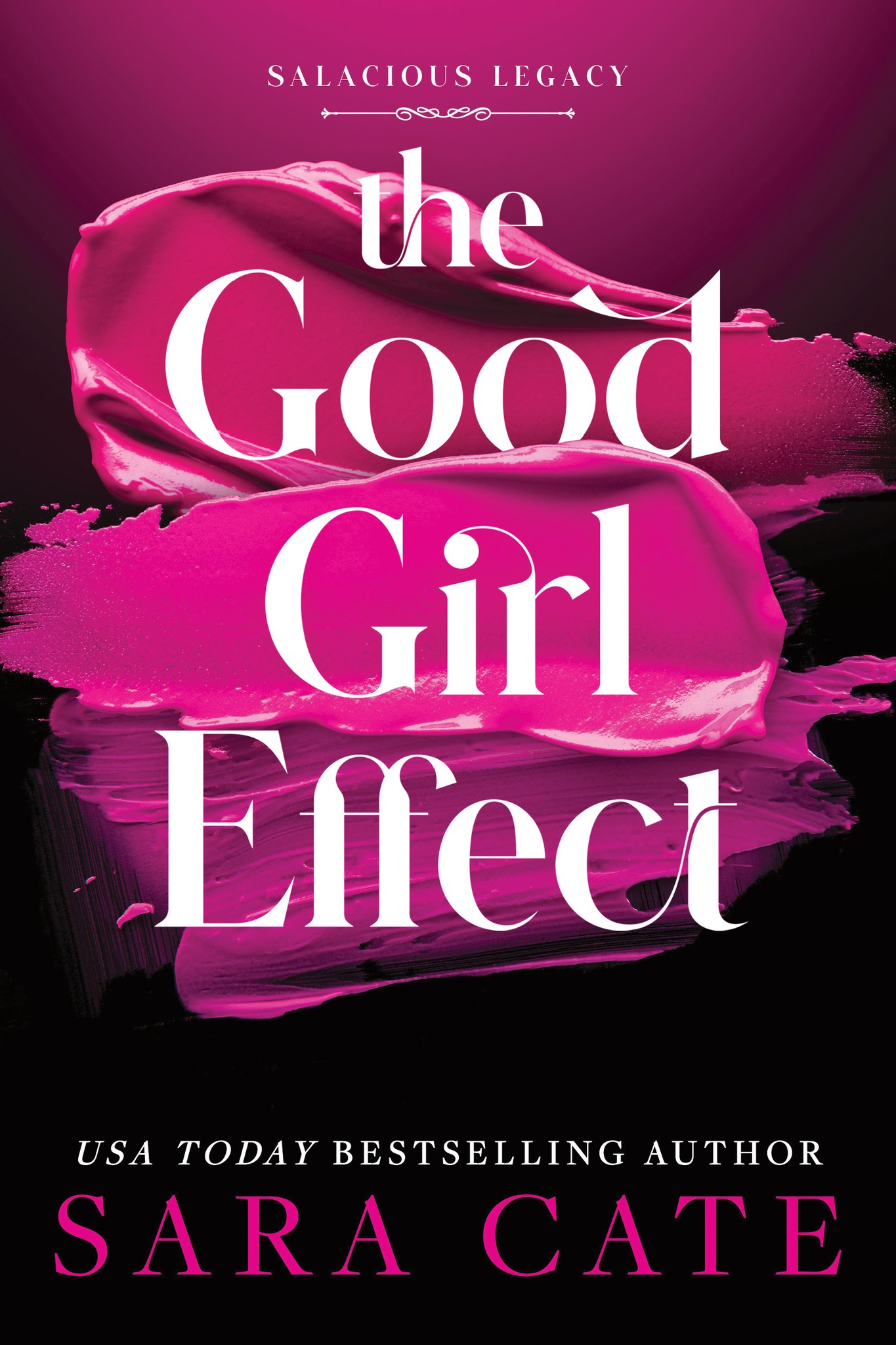
What if a steamy kink club in Paris couldn't save a book from feeling as flat as a day-old lamington? Sara Cate's The Good Girl Effect promises a sizzling mix of grief, bondage, and forbidden ...