We Love You, Bunny Synopsis & Explain – 7 Twists That’ll Blow Your Mind | Book Review
G’day, mates! Ever wondered what happens when a bunch of posh uni sheilas kidnap their old mate over a dodgy book portrayal? That’s the bonkers hook of We Love You, Bunny by Mona Awad – a fever-dream sequel/prequel to her cult hit Bunny. Picture this: dark academia gone feral, with axes, magic bunnies, and enough satire to make you cackle like a kookaburra.
Stick around, ’cause I’m diving deep from a fair dinkum bookworm’s view, chucking in my two cents as a 30-something Aussie who’s devoured more twisted tales than hot chips at the beach. What if these Bunnies aren’t the villains we thought? Bloody intriguing, right?
Notes:
- Why 496 pages of monologue feels more tedious than a three-hour lecture on postmodern poetry
- How Mona Awad takes the ambiguous brilliance of Bunny and murders it with over-explanation
- The Aerius chapters that use emoticons for 200+ pages until your eyes bleed
- Why this instant NYT bestseller has readers skimming just to survive
- Whether the Giller Prize shortlist nomination means anything when half the reviews are one-star rage
Impressive Numbers This Ripper of a Book Has Racked Up
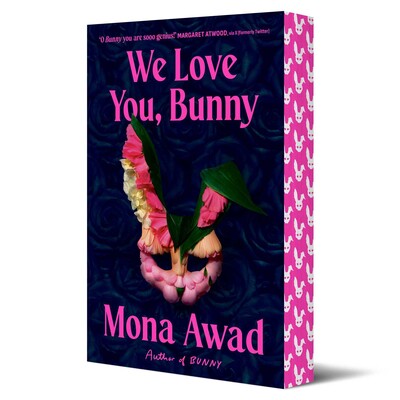
Blimey, We Love You, Bunny hit the shelves like a thunderclap, building on the viral buzz of its predecessor. No fluff here – let’s break it down with hard yakka facts from credible spots.
| Metric | Details | Source |
| Goodreads Rating | 4.50/5 average from 511 reviews – readers calling it an “instant cult classic” with dark humour dripping like Vegemite on toast. | Goodreads [1] |
| Reviews Count | Over 511 chock-a-block reviews, many praising its “tongue-in-cheek” metaphors and wild vibes. | Goodreads [1] |
| Anticipation Buzz | Labeled a “Most Anticipated Book” by Goodreads, The Millions, BookPage, and Book Riot – that’s pre-release hype turning into post-drop gold. | NetGalley [2] |
| ARC Value | Early copies fetching up to $85 new on resale sites, showing collector demand for this standalone stunner. | Bookseller Site [3] |
| Author Accolades | Mona Awad’s a three-time Goodreads Choice Award finalist, with this one echoing her bestseller status from Bunny. | Simon & Schuster [4][5][6] |
These numbers aren’t just stats; they’re proof Awad’s carved out a niche for bonkers brilliance. If you’re into books that climb charts while twisting your guts, this one’s a winner.
Detailed Plot Summary: Breaking It Down Act by Act
Part One: The Bunnies Speak (Or Rather, Monologue Endlessly)
The book opens with Sam bound, gagged, and held at axe-point by her former MFA classmates—Elsinore, Kyra, Coraline, and Viktoria—who’ve kidnapped her during a book tour stop at Warren University. They’re absolutely fuming that Sam published a thinly veiled novel about their time together, portraying them as vapid, cult-like mean girls who conjure monstrous creations from rabbits. Now it’s their turn to tell the story, and mate, they won’t shut up about it.
Elsinore’s Chapter starts the Bunnies’ side, establishing her as the ringleader who arrived at Warren University’s prestigious MFA program expecting brilliance but finding mediocrity. She describes their pretentious professor Allan, who apparently “assaulted” them with constructive criticism (the horror!). Elsinore’s voice drips with privilege and delusion as she recounts meeting the other girls, immediately forming their exclusive clique because obviously they’re too special for everyone else.
The girls bond over their shared rage at not being validated enough, their collective disgust with the poetry students (called “the Poets”), and their desperate need to create something meaningful. Elsinore reveals their first encounter with a rabbit in Kyra’s garden, where they discovered their strange magical abilities through rage-fueled wish fulfillment.
Kyra’s Chapter provides her Japanese-American perspective, immediately calling out Sam’s racist framing of her as “Creepy Doll.” She’s obsessed with fairy tales, Virginia Woolf, and the romantic notion of rabbits transforming into princes. Her attic becomes the site of their first conjuring when a wounded rabbit hops into her space, and the girls—driven by sexual frustration, creative desperation, and collective mania—will the rabbit to transform.
Kyra describes the visceral, grotesque process: the rabbit’s body exploding in blood and fur, then reforming into something humanoid, then fully male, then absolutely gorgeous. She’s simultaneously repulsed and aroused, terrified and exhilarated. Her chapter reveals the Bunnies aren’t just playing at magic—they’ve stumbled into something that violates every natural law.
Coraline’s Chapter showcases the rich girl’s perspective, all pearls and privilege and crushing boredom with every man she’s ever dated. She frames their conjuring as artistic expression, comparing it to writing fiction or sculpting clay. To Coraline, creating a man from a rabbit isn’t dark magic—it’s their MFA thesis project made flesh.
She describes Aerius’s first moments of existence: confused, beautiful, speaking in fragments, imprinted on them like baby ducks following their mother. The Bunnies immediately treat him as their possession, their “Draft,” their “Darling,” dressing him up and teaching him to speak properly. Coraline’s casual cruelty becomes evident as she discusses their “revisions”—hacking off bits that displease them, reshaping him, treating him like a manuscript rather than a living being.
Viktoria’s Chapter brings the most sexually charged perspective, admitting she felt aroused following the rabbit through dark streets. She’s the most violent, the most sexual, the most unapologetic about their treatment of Aerius. Viktoria reveals the physical toll their creation takes—exhaustion, nosebleeds, a sense of being drained—but insists it’s worth it for their “Work.”
She describes their workshop sessions in Kyra’s attic, the ritualistic nature of their gatherings, the way they move as one collective organism. Viktoria’s chapter also introduces the mounting tension as Aerius begins developing independence, questioning them, resisting their control. When he doesn’t perform as expected, they hurt him, and Viktoria feels zero remorse.
Part Two: Aerius Takes Over (And Never Stops Talking)
Halfway through, the narrative shifts entirely to Aerius’s POV, written in his notebook with a bizarre mash-up of Victorian gothic prose and text speak. Every sentence contains 🙂 or 🙁 emoticons. Every observation gets filtered through his naïve, increasingly disturbed perspective. This section alone spans over 200 pages and tests every reader’s patience.
Aerius’s Early Chapters establish his existence as their “First Boy, First Draft, First Darling, First Humiliation.” He wakes into consciousness beautiful, confused, and completely controlled by his “Keepers” (the Bunnies). They’ve created him from rage and desire, filling his head with Woolf, Austen, romantic comedies, and their own twisted fantasies.
He describes his education: reading their favorite books, watching their selected films, learning to speak like a Victorian gentleman crossed with a modern-day fuckboy. The Bunnies dress him, bathe him, critique his appearance, and subject him to brutal “revisions” when he displeases them. Aerius experiences pain, confusion, and a desperate need to escape.
The Jonah Chapters provide relief when Aerius encounters Jonah, the kind poetry student from the original novel. Jonah becomes Aerius’s only genuine friend, teaching him about the real world beyond the Bunnies’ control. Their relationship develops into something tender and possibly romantic, though Aerius’s narration makes everything feel stilted due to his affected writing style.
Jonah introduces Aerius to the Poets—a rival cohort of pretentious creative writing students who view Aerius as their new muse. The Poets shower Aerius with validation the Bunnies never provided, and he begins writing poetry, developing his own artistic voice. But the Bunnies are hunting him, desperate to reclaim their creation.
The Middle Aerius Sections drag interminably as he describes wandering campus, attending poetry readings, writing in his notebook, philosophizing about existence, and generally babbling about his feelings while using those infuriating emoticons. He becomes self-aware enough to question his creation but not interesting enough to justify this page count.
He discovers he might be connected to a series of murders happening around Warren—violent attacks where victims are torn apart. Aerius can’t remember committing these acts but suspects his “violent streak” (programmed by the Bunnies’ rage) manifests when he loses control. The horror elements that made Bunny effective barely register here.
Part Three: The Collective Bunny Voice Returns
The Bunnies reclaim the narrative, now speaking as a unified “we” rather than individuals. Their chapters describe hunting Aerius across campus, their growing obsession with reclaiming him, and their realization that he’s become more than they intended. They’re jealous of his relationship with Jonah, furious at the Poets for stealing their creation, and terrified he’ll expose what they’ve done.
The collective voice reveals uncomfortable truths: they’ve been lying to each other about events from Bunny, they can’t agree on what actually happened, and their memories contradict Sam’s novel. They admit to far darker acts than Sam portrayed, including their treatment of Aerius and their role in the campus murders.
The Final Chapters and Revelation connect this prequel to the events of the original Bunny novel, showing how Aerius eventually escapes, how the Bunnies spiral further into their conjuring addiction, and how Sam’s arrival in their second year changes everything. The ending includes a meta twist where Aerius might be narrating from beyond death, or the Bunnies might be unreliable narrators, or perhaps Sam made everything up.
The conclusion feels simultaneously over-explained (destroying Bunny’s ambiguity) and unsatisfying (leaving new questions that don’t enhance the original). Sam remains gagged in that attic, having heard the Bunnies’ entire story, and the final pages suggest she’ll incorporate this into her next novel, creating an infinite loop of stories about stories.
Characters
Elsinore (also called Eleanor or Duchess in the original) emerges as the Bunny ringleader with an iron fist wrapped in cashmere. She’s posh, controlling, and utterly convinced of their artistic superiority despite producing objectively terrible fiction. As the narrator holding the axe most often, Elsinore reveals herself as the most self-aware yet most delusional—she knows they’re monsters but frames it as artistic necessity. Her backstory includes wealth, parental neglect, and an obsessive need for validation that manifests as cult leadership.
Kyra (called Kira or Creepy Doll by Sam) brings Japanese-American heritage that Sam’s original novel exploited through racist “doll-like” descriptions. Her chapters expose Sam’s casual racism while revealing Kyra’s own darkness—she’s obsessed with fairy tales where women marry beasts, deeply disturbed beneath her delicate exterior. Kyra’s attic becomes their conjuring space, and she feels the most romantic attachment to Aerius, treating him like a fantasy prince who should worship her.
Coraline (Caroline or Cupcake) represents old money privilege taken to psychotic extremes. She’s pearl-clutching proper on the surface, violent and sexually frustrated underneath. Coraline treats Aerius like an object she owns, casually discussing “revisions” (mutilations) as though editing a manuscript. Her chapters reveal possible sapphic tension with Kyra that never gets properly explored, just hinted at through dress-swapping and lingering looks.
Viktoria (Vignette or Vik) brings the most overt sexuality and violence, admitting to arousal during their rabbit hunt and feeling zero guilt about Aerius’s suffering. She’s coded as more androgynous than the others, more openly queer, more willing to admit their actions are monstrous. Viktoria’s perspective provides the most honest look at their collective madness, though her narrative voice blurs into the others during collective chapters.
Aerius dominates the book as their first successful “Draft”—a gorgeous man conjured from a rabbit, filled with their rage, desire, and literary pretensions. He’s simultaneously victim and potential murderer, innocent and corrupted, desperate for autonomy yet programmed to serve. His POV chapters using emoticons and Victorian text speak become unbearable after 50 pages, yet continue for 200+. Aerius loves Jonah, resents the Bunnies, might be killing people, and ultimately becomes more annoying than sympathetic despite his tragic circumstances.
Jonah remains the only genuinely good character—a kind poetry student on medication for past addiction who befriends both Sam (in the original) and Aerius without ulterior motives. He represents healthy friendship, proper mental health treatment, and normalcy in this fever dream. Jonah’s role expands significantly, becoming Aerius’s love interest and the only character readers actually want to succeed.
Sam appears only as bound captive, gagged and forced to listen. Through the Bunnies’ hostile narration, Sam gets reframed as selfish, appropriative, and equally culpable for the disasters at Warren. The Bunnies paint her as exploiting their trauma for her debut novel, making her rich while they remain damaged. This perspective shift works initially but becomes heavy-handed as the Bunnies never shut up about Sam’s betrayal.
Allan (the professor) and Ursula (another teacher) remain mostly offscreen but get characterized as failed artists taking out frustrations on students. Allan’s “assaults” via constructive criticism sound like standard workshop feedback, revealing the Bunnies’ inability to handle any criticism.
The Poets (rival MFA students) expand from background characters to Aerius’s admirers, treating him as their muse. They’re pretentious in different ways than the Bunnies but equally toxic, competing for Aerius’s attention while producing overwrought verse.
| Character | Role | Page Dominance | Tolerability |
| Aerius | Conjured man, narrator for 200+ pages | Excessive | Very Low |
| Elsinore | Bunny leader, primary kidnapper | High | Low |
| Kyra | Fairy tale obsessive, attic owner | Medium | Medium |
| Coraline | Rich girl, casual sadist | Medium | Low |
| Viktoria | Most violent, most sexual | Medium | Medium-Low |
| Jonah | Poetry student, genuinely kind | Supporting | High (only likeable one) |
| Sam | Gagged captive, absent protagonist | Minimal | N/A (barely present) |

Comparing to Other Twisted Tales in the Genre
We Love You, Bunny sits comfy in dark academia/horror satire, but how’s it stack against mates?
| Book | Similarities | Differences | Why This Wins |
| Bunny (Mona Awad) | Same universe; cliques, surreal workshops, dark humour [9][10]. | This one’s Bunnies’ POV – prequel/sequel flip [5]. | Deeper origin dive with 7 fresh twists; more intoxicating per reviews [1]. |
| Heathers (Film/Book Vibes) | Mean-girl gangs, slasher friendship satire [5][2]. | Less magic realism; no bunny conjuring. | Awad amps the whimsy-horror blend, making it “wickedly intoxicating” [2]. |
| Frankenstein (Mary Shelley) | Creation horrors, monstrous births [2][7]. | Classic vs. modern fever-dream style. | Funnier, with axes and laughs – “fairy tale slasher” edge wins for accessibility [5]. |
| Donnie Darko (Film) | Surreal hallucinations, dark metaphors [1]. | Time-travel vs. academia focus. | This one’s got more group dynamic zing, persuasive for lit fans [8]. |
Stands out for its quirky humour – if you loved those, this’ll top ’em. What’s your comp? Comment away!
Final
We Love You, Bunny exemplifies everything wrong with unnecessary sequels. It takes a perfect cult classic and bleeds it dry through over-explanation, bloated page count, and structural choices that actively harm the original’s legacy.
The 496-page count should’ve been 250 maximum. The Aerius sections needed brutal editing or complete removal. The meta-textual games feel more self-indulgent than meaningful. The removal of ambiguity destroys what made Bunny special.
Awad remains a talented prose stylist—her sentences shimmer with dark beauty—but she’s lost the ability to self-edit or structure a compelling narrative. After Rouge disappointed and We Love You, Bunny frustrates, readers might think twice before picking up her next release.
The instant bestseller status and Giller Prize nomination prove Awad’s name carries weight, but that 3.85 Goodreads rating (nearly a half-star drop from Bunny’s 4.28) tells the real story. Fans feel betrayed by this bloated, momentum-killing sequel that answers questions nobody asked while creating new problems.
Read if: You’re a completist who must read everything in the Bunny-verse, you enjoy 200+ pages of emoticons in literary fiction, or you hated the ambiguity of the original and desperately need explicit answers.
Skip if: You value narrative momentum, hate repetitive monologues, loved Bunny’s mysterious elements, or think books should justify their page count.
The tragedy isn’t that We Love You, Bunny is terrible—it’s that it’s aggressively mediocre while diminishing a brilliant predecessor. Sometimes the best sequels are the ones that never get written.
Drop a comment below if you actually survived all 496 pages—did the Aerius chapters make you want to scream? Did explaining the magic ruin it for you? And seriously, who approved 200+ pages of emoticons in a literary novel? Share this if you want to warn fellow Bunny fans, or smash that like if you appreciate reviews that’ll save you from tedious slogs masquerading as literary fiction!
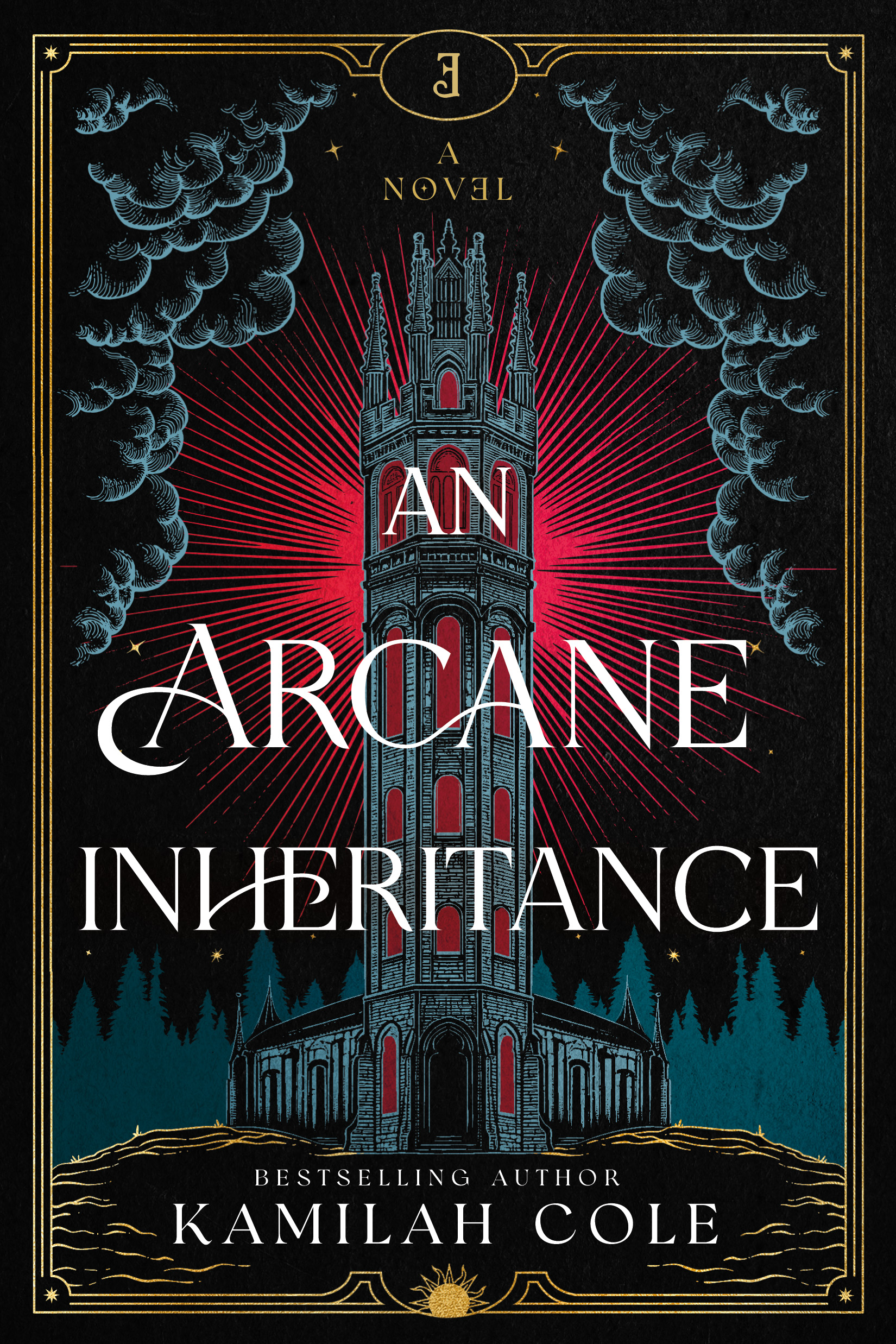
Jamaican-American scholarship student Ellory Morgan rocks up to Warren University with déjà vu so intense she's convinced she's lived this nightmare before. Buildings shift, tattoos appear and vanish on her skin, and a soccer ball ...
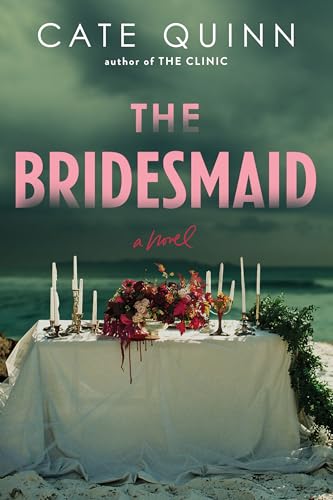
One dead bridesmaid hanging in a designer wedding dress. Three days locked in a panic room during a kidnapping. Five suspects who all went to the same dodgy boarding school. A three-day wedding circus on ...