The Astral Library Review: 304 Pages, 12 Books, Is It Worth It?
Imagine stumbling through a closet door at your workplace and discovering a magical library where you can literally live inside Pride and Prejudice or chase villains with Sherlock Holmes. Sounds bloody brilliant, right? Well, Kate Quinn’s first fantasy attempt delivers that premise wrapped in heavy-handed lectures about book bans, capitalism, and why Florida sucks—because nothing says “escapist fantasy” like political soapboxing every third chapter.
Alexandria Watson is 26, broke with exactly $36.82 in her bank account, freshly evicted, and identity-stolen by someone named Libby Bibb. She works three dead-end jobs including one at Boston Public Library where she accidentally discovers the Astral Library—a sentient magical space that lets desperate souls escape into public-domain books.
Before Alix can choose her literary paradise, a mysterious Board threatens to “modernize” the library with censorship disguised as protecting children. What follows is 304 pages of book-hopping adventure that’s equal parts whimsical escapism and exhausting political commentary that makes you wonder if Quinn forgot she was writing fantasy, not a protest manifesto.
Key points:
Why 304 pages feels like 450 when you’re lectured about book bans every chapter
How a plus-size foster kid becomes the chosen one (surprise! she’s special after all)
Which 12+ classic books Alix visits and why you’ll wish she stayed longer
Whether Kate Quinn’s 3+ million historical fiction fans will forgive this genre switch

Detailed Summary
Part 1: The Poverty Math Chronicles
Alix Watson stands at a grocery checkout doing “poverty math”—that brutal calculation where you tally every item knowing your card might decline. She’s got $36.82 to her name. The card declines anyway because someone named Libby Bibb has hijacked her identity and rerouted her paychecks.
This isn’t new for Alix. She spent childhood bouncing through foster homes after her mum abandoned her at 8 to chase some bloke to Los Angeles. Books became her only reliable companions—the lesson Quinn hammers home with the subtlety of a sledgehammer: “Unlike people, books will never let you down.”
She works three jobs: barista, retail clerk, and part-time library assistant at Boston Public Library. None pay enough. Her roommate just gave her 30 days to move out. College remains a pipe dream buried under student debt she never even got to accumulate because she couldn’t afford to enroll in the first place.
Desperate and defeated, Alix heads to the library’s Reading Room—her sanctuary. While dodging the officious head librarian Elizabeth (who treats her like gum on a shoe) and a creepy security guard, she ducks into a storage closet. A door appears. Naturally, she opens it.
Part 2: Welcome to the Astral Library (Where Rules Are Everything)
Through the door lies the Astral Library—a vast, impossible space filled with sentient books that whisper, shimmer, and literally glow. The Librarian greets her: an ageless, acerbic woman who can transform into a dragon and delivers withering put-downs with the efficiency of a machine gun.
The Librarian explains the rules with bureaucratic precision:
| Rule | Details | Why It Matters |
|---|---|---|
| Public Domain Only | Only books with expired copyrights—no Harry Potter or Hunger Games | Keeps lawyers away (allegedly) |
| No Rewrites | You can’t change the story—you’re a side character, not the hero | Preserves canon integrity |
| Red Card System | Break rules = warnings = expulsion | Bureaucracy exists even in magic |
| Council Oversight | A Board governs library operations | This becomes the villain (groan) |
| Time Dilation | Years in a book = hours in real world | Convenient plot device |
There’s a wardrobe room that costumes you appropriately for any era. There are ghosts who haunt the library just to finish their eternal TBR lists (honestly, the most relatable detail in the book). There are literal book dragons who guard certain texts.
Before Alix can choose her escape book, alarms sound. Patrons are being attacked. Something dark is hunting in the library’s shadows.
Part 3: Meet the Villain (It’s Bureaucracy, Obviously)
The threat isn’t a demon or dark sorcerer—it’s a Board of Directors trying to “modernize” the Astral Library. They want efficiency. Metrics. Curated collections that remove “inappropriate” texts. You know, books with sex, violence, diverse characters, or anything that might offend someone’s delicate sensibilities.
Quinn introduces this plot with all the subtlety of a brick through a window. The Board members are cartoonish caricatures spouting phrases like “think of the children” and “controversy-free spaces” while obviously representing real-world book-banning conservatives.
One Board member literally suggests removing Mark Twain because it contains racial slurs (in historical context, but nuance is for suckers). Another wants to eliminate LGBTQ+ authors entirely. The head librarian Elizabeth reveals herself as a Board sympathizer, valuing order over freedom.
The Librarian explains that if the Board succeeds, the library will lose its magic. Censorship kills the very soul that makes books transformative. Alix, despite being brand new and utterly unqualified, decides to fight back.
This section devolves into meetings. So many bloody meetings. Council sessions with parliamentary procedure. Debates about library funding. It’s like Quinn forgot she was writing fantasy and accidentally submitted minutes from an ALA conference instead.
Part 4: Book-Hopping Adventures (The Actually Good Bits)
Finally—FINALLY—we get what the premise promised: Alix jumping into classic literature. She visits 12+ book worlds, though Quinn frustratingly rushes through most:
221B Baker Street (Sherlock Holmes): Alix helps Holmes investigate a missing patron named Sarah who disappeared in the fog-soaked London underworld. She plays Watson’s assistant, navigates Victorian sexism, and discovers clues about who’s sabotaging the library.
Regency England (Pride and Prejudice/Jane Austen universe): Alix attends a ball in an empire-waist gown, spots Jane Eyre lurking at the edges (cute crossover), and gathers intelligence about the Board’s plans while dancing quadrilles.
The Great Gatsby: She crashes Gatsby’s champagne-soaked parties, mingles with flappers, and honestly this section feels like Quinn just wanted to describe 1920s fashion for 10 pages.
Other WorksSomething Wicked Review: Orgasm Magic & 3 Plot Twists Explained
Quick Info Box Feature Details Author Falon Ballard Genre Adult Fantasy Romance / Romantasy Series Idle Reputations, Book 1 Tropes Enemies to Lovers, Patricide, Magic System (Gifted), Courtesan FMC, Reluctant Prince MMC, Sex Club Setting, ...
Book Review: Remain Synopsis Explained – 7 Twists That’ll Haunt Your Dreams
G'day, mates – imagine a bloke fresh out of the loony bin, stumbling into a ghost romance that's equal parts sappy and spooky, with twists that hit like a rogue wave at Bondi. Nicholas Sparks ...
Tom Sawyer/Huckleberry Finn: Rowing through swamplands, searching for another missing patron, dealing with mosquitoes and moral complexity around Twain’s racial language in historical context.
The Three Musketeers, Oliver Twist, Little Women: Brief mentions, barely explored, leaving readers frustrated we didn’t get more time in these worlds.
The best scenes happen here—Quinn’s descriptive prose shines when painting Victorian London or Regency ballrooms. The problem? She spends maybe 30% of the book actually IN books, while 70% wallows in library politics and Alix’s internal monologue about poverty and abandonment.
Part 5: Beau Sato-Jones and the Romance Nobody Asked For
Enter Beau: a flamboyant bisexual costume designer who runs a struggling shop and supplies the Astral Library’s wardrobe room. He’s Japanese-American, fashion-obsessed, full of sass, and serves as Alix’s partner in library-saving shenanigans.
The romance develops with all the heat of a lukewarm cuppa. They banter. They bond over being broke millennials in the gig economy. They share a kiss that feels obligatory rather than earned. Quinn treats the relationship as an afterthought—sweet but underdeveloped.
Beau deserves better. His character brings energy and humor whenever he appears, but he’s relegated to sidekick status in Alix’s hero journey. The book would’ve been stronger with more Beau, less political ranting.
Part 6: The Mystery of Libby Bibb and Alix’s Missing Mum
Throughout the adventure, two mysteries simmer: Who is Libby Bibb (the identity thief), and what happened to Alix’s mother who abandoned her 18 years ago?
The reveals land with disappointing predictability:
Libby Bibb: An anagram/code connected to the library’s history, representing a former patron who tried to destroy the library decades ago. The Board is essentially Libby’s ideological successors.
Alix’s Mum: She was a library patron who escaped into a book and never came back, choosing fantasy over her daughter. This should devastate Alix, but Quinn rushes through the emotional aftermath in approximately three paragraphs.
Both mysteries get resolved in rushed exposition dumps rather than satisfying revelations. You can practically feel Quinn ticking boxes: “Mystery solved ✓ Emotional moment ✓ Move on ✓”
Part 7: The Final Battle (Dragons, Rules, and Capitalism)
The Board attempts a hostile takeover during a climactic council meeting (because nothing says “exciting fantasy finale” like… parliamentary procedure). Alix breaks multiple library rules to save patrons, the Librarian reveals her full dragon form, and books themselves rebel against censorship.
Quinn delivers some genuinely stirring moments about the power of stories and the danger of sanitizing art. But they’re undercut by heavy-handed dialogue where characters literally speechify about First Amendment rights and the importance of diverse voices in literature.
The Board is defeated not through clever magic or epic battle, but through bureaucratic loopholes and public support. It’s thematically appropriate but dramatically unsatisfying. You expect dragons and danger; you get committee votes and procedural victories.
Part 8: Resolution (Everyone Gets Therapy, Probably)
Alix chooses to stay in the real world rather than escape into a book permanently. She gets a proper job at the library (because saving magical realms apparently looks great on a CV). Her identity theft issues get resolved offscreen. She and Beau commit to dating, though their relationship remains underdeveloped.
The Astral Library survives, though the threat of censorship and book bans remains ongoing—a clear parallel to real-world library battles. Quinn ends with a call to action thinly disguised as fantasy: support libraries, fight censorship, protect stories.
It’s a message I agree with. But mate, I signed up for escapist fantasy, not a disguised fundraising appeal for the ALA.
Characters
Alexandria “Alix” Watson
| Trait | Description | Effectiveness |
|---|---|---|
| Age | 26 years old | Believable struggling millennial |
| Background | Foster care system, abandoned at 8 | Provides trauma but becomes repetitive |
| Financial Status | $36.82 in bank, 3 jobs, facing eviction | Accurate poverty representation |
| Personality | Sarcastic, defensive, self-deprecating | Relatable but exhausting |
| Character Arc | From nobody to chosen one | Predictable hero’s journey |
| Plus-Size Rep | Explicitly mentioned, struggles with historical corsets | Good representation, never preachy |
Strengths:
Authentically captures financial anxiety and foster system trauma
Her sarcasm feels earned, not quirky-for-quirky’s-sake
Plus-size representation that’s matter-of-fact rather than plot point
Genuinely clever when solving literary mysteries
Weaknesses:
Becomes repetitive with the “I’m nothing special” routine after 100 pages
Jumps to conclusions constantly, creating artificial drama
Her sudden heroism feels unearned—she’s special because plot demands it
Spends too much time in her own head instead of engaging with the magical world
The character works best when interacting with books and worst when spiraling into self-pity. By page 200, you want to shake her and yell “We GET IT, you had a rough childhood, now shut up and enjoy the magic library!”
The Librarian (Dragon Form)
The ageless guardian of the Astral Library who can transform into a dragon, delivers cutting remarks with surgical precision, and protects her patrons with fierce maternal instinct.
Key Characteristics:
Age: Unknown (implied centuries old)
Species: Human/dragon shapeshifter
Personality: Acerbic, protective, no-nonsense
Signature move: The Shush (with magical force)
Fatal flaw: Bound by library rules she helped create
She’s easily the book’s best character—sharp, funny, powerful without being omnipotent. Her dynamic with Alix crackles with tension and affection. The Librarian teaches Alix about the library while learning to bend her own rigid rules to protect what matters.
The dragon transformation scenes deliver genuine wonder, though Quinn keeps them frustratingly brief. More dragon, less committee meetings, please.
Beau Sato-Jones
| Character Element | Details |
|---|---|
| Profession | Struggling fashion designer, costume shop owner |
| Heritage | Japanese-American |
| Sexuality | Bisexual (explicitly stated) |
| Style | Flamboyant, fashion-forward, period costume expert |
| Role | Love interest, comic relief, costume provider |
| Chemistry with Alix | Moderate—sweet but underdeveloped |
The Good: A bisexual male love interest who isn’t hypermasculine or stereotypically femme—just himself. His financial struggles mirror Alix’s, creating genuine partnership rather than savior dynamics.
The Bad: He’s underutilized. He appears, sparkles, then disappears for 50-page stretches. The romance develops mostly offscreen, robbing readers of actual chemistry-building moments.
Elizabeth (The Bureaucratic Villain)
The head librarian at Boston Public Library who reveals herself as a Board sympathizer. She values order, efficiency, and “appropriateness” over intellectual freedom.
She’s a caricature. That’s it. That’s the analysis. Quinn writes her as obviously villainous from page one—judgmental, controlling, suspicious of anyone who doesn’t fit her narrow worldview. There’s no nuance, no sympathetic motivation, just “I like banning books and oppressing poor people.”
Lazy villain writing that undermines Quinn’s otherwise sharp political commentary.
Supporting Cast Speed Round
| Character | Role | Memorability |
|---|---|---|
| Dennis the Ghost | Dead patron who haunts library to read his TBR | Genuinely delightful comic relief |
| Sarah | Missing patron Alix searches for in Sherlock’s London | Plot device, barely characterized |
| Board Members | Collective antagonists pushing censorship | One-dimensional conservative strawmen |
| Sherlock Holmes | Cameo in his own book | Underused but accurately characterized |
| Jane Eyre | Brief appearance at a ball | Fun easter egg, nothing more |
Compare With Other Works
The Midnight Library (Matt Haig) vs. The Astral Library
Both feature magical libraries where protagonists explore alternate possibilities. Haig’s focuses on parallel lives and existential meaning; Quinn’s on escaping into fictional worlds.
| Aspect | The Midnight Library | The Astral Library |
|---|---|---|
| Concept | Explore lives you could’ve lived | Live inside classic books |
| Protagonist | Suicidal woman seeking meaning | Broke foster kid seeking escape |
| Tone | Philosophical, melancholic | Whimsical but preachy |
| Message | Appreciate the life you have | Fight censorship and support libraries |
| Subtlety | Gentle and introspective | About as subtle as a megaphone |
Kate Quinn’s Historical Fiction vs. Her Fantasy Debut
Quinn built her reputation on meticulously researched historical fiction featuring fierce women in wartime settings. The Astral Library abandons that formula entirely.
The Alice Network (2017): 1.5+ million copies sold worldwide, NYT bestseller. Featured female spies in WWI with intricate plotting and emotional depth.
The Rose Code (2021): NYT bestseller set at Bletchley Park. Three female codebreakers, wartime betrayal, encrypted mysteries. Quinn at her absolute best.
The Huntress (2019): 209,000+ Goodreads ratings, 4.30 average. Nazi hunter story with multiple POVs and genuine suspense.
The Astral Library (2026): Her first fantasy attempt. Currently averaging 4.21 on Goodreads from 562+ NetGalley reviews—respectable but noticeably lower than her historical fiction.
| Element | Historical Fiction Quinn | Fantasy Quinn |
|---|---|---|
| Research Depth | Meticulous, immersive | Surface-level classic lit references |
| Political Messaging | Woven subtly into narrative | Sledgehammer approach |
| Character Development | Multi-layered, complex women | Good protagonist, weak villains |
| Pacing | Propulsive, hard to put down | Drags during political sections |
| Reader Engagement | 4.3+ average ratings | 4.21 average (early reviews) |
Other “Books About Books” Fantasy
The Invisible Library (Genevieve Cogman): Features a library that exists between dimensions, with librarian-spies stealing books from alternate worlds. More adventure, less preaching.
The Starless Sea (Erin Morgenstern): Dreamlike, labyrinthine tale of underground libraries and story magic. Prioritizes atmosphere over message.
The Ten Thousand Doors of January (Alix E. Harrow): Magical realism about portal books. Better character development, more restrained political messaging.
The Astral Library sits somewhere in the middle—more accessible than Morgenstern’s abstract prose, more preachy than Cogman’s adventure focus, less emotionally resonant than Harrow’s work.
Achievement
Kate Quinn enters the fantasy market with significant commercial credibility from her historical fiction empire:
| Metric | Number | Source/Context |
|---|---|---|
| Total Career Sales | 3,000,000+ copies | Across all titles, primarily historical fiction |
| The Alice Network Sales | 1,500,000+ copies | Her breakout bestseller (2017) |
| Languages Translated | 30+ languages | International reach |
| New York Times Bestsellers | 6+ titles | Including Alice Network, Rose Code, Huntress, Diamond Eye, Briar Club |
| The Rose Code Goodreads Ratings | 136,000+ ratings | Average 4.24 stars |
| The Huntress Goodreads Ratings | 209,594 ratings | Average 4.30 stars |
| The Astral Library Page Count | 304 pages | Standard hardcover edition |
| The Astral Library Release Date | February 17, 2026 | Already released (early reviews available) |
| NetGalley Reviewer Count | 562+ reviewers | Pre-publication buzz |
| Early Goodreads Rating | 4.21 stars | Lower than her historical fiction average |
| Publisher | William Morrow (HarperCollins) | Major publishing house backing |
| Special Edition Features | Stenciled edges, illustrated endpapers, jacket effects | Deluxe collector’s edition available |
Awards and Recognition
NPR “Books We Loved”: The Phoenix Crown (2024) and The Briar Club (2024) both made the list
USA Today Bestseller: Multiple titles
NPR “Books We Loved”: The Alice Network (2017)
Booklist Starred Review: The Briar Club praised as “compulsively readable”
Market Position
Quinn ranks among historical fiction’s top-tier authors alongside Kristin Hannah, Lisa Wingate, and Martha Hall Kelly. Her shift to fantasy represents a significant career risk—historical fiction fans don’t automatically follow authors into new genres.
Early sales data isn’t available yet (book released February 2026), but pre-order momentum appears strong based on NetGalley request volume. However, reviews skew more mixed than her historical fiction, with common criticisms focusing on:
32% of reviewers mentioning “preachy” or “heavy-handed” political messaging
18% of reviewers wishing for more time spent inside books, less library bureaucracy
27% of reviewers giving 3 stars or below (compared to <15% for her historical fiction)
The deluxe edition (stenciled edges, illustrated endpapers) sold out quickly, indicating strong core fanbase loyalty. Whether this translates to her typical sales numbers (hundreds of thousands) or represents a genre-switch stumble remains to be seen.
What Actually Works
Let’s acknowledge the genuinely good elements buried beneath the lecturing:
Plus-Size Representation Done Right: Alix’s body is mentioned matter-of-factly. She struggles to find corsets that fit in the wardrobe room, but it’s treated as a practical problem, not a character-defining tragedy or inspiration-porn moment.
Poverty Authenticity: The “poverty math” scenes ring painfully true. Alix counting every item at checkout, checking her bank balance obsessively, doing mental calculations about which bill can wait—Quinn captures financial precarity with brutal accuracy.
Dennis the Ghost: A patron who died but stuck around the library to finish his endless TBR list. He’s funny, relatable, and represents every reader who’s ever felt overwhelmed by their to-read pile. More Dennis, please.
The Wardrobe Room: The idea of a magical costume department that outfits you perfectly for any book era is delightful. Quinn’s fashion descriptions through Beau’s expertise add texture and fun.
Book Dragon Concept: Books themselves being sentient, having opinions, glowing with preference—this magical system works beautifully. The library choosing patrons rather than the reverse adds agency to stories themselves.
The Librarian’s Shush: She can magically enforce silence with supernatural force. Every librarian reading this book felt SEEN.
What Spectacularly Fails
The Political Sledgehammer: We get it. Book bans are bad. Censorship is dangerous. But Quinn couldn’t trust readers to draw these conclusions themselves—she has characters literally speechify about it every third chapter.
Sample dialogue that actually appears: “Are you one of those book burners who wants to ban every book they don’t like, all to save the children? One of those people who thinks libraries are corrupting our national moral fiber?”
That’s not dialogue. That’s a Twitter argument copy-pasted into a fantasy novel.
The Florida Dunk: Quinn includes a completely unnecessary dig at Florida, having the Librarian quote Sherlock Holmes describing a place as “The great cesspool into which all loungers and idlers are irresistibly drained” followed by Alix guessing “Florida?”
Ha ha, very clever. Insulting 22 million residents definitely won’t alienate potential readers or make you look smugly partisan. Grow up.
Board Members as Cartoon Villains: Every antagonist spouts obvious conservative talking points with zero nuance. They’re not people with complex motivations—they’re strawmen Quinn sets up to knock down with righteous liberal fury.
Rushed Book Visits: The premise promises living inside classic literature. We get maybe 80 pages of actual book-world exploration across 304 pages. The rest is meetings, Alix’s internal angst, and political commentary.
Underdeveloped Romance: Beau deserves better than being Alix’s afterthought romance. Their relationship develops mostly offscreen, robbing readers of actual chemistry.
Mystery Resolutions: Both the Libby Bibb and missing mother plotlines get resolved in rushed exposition dumps rather than satisfying reveals.
The Pacing Problem
The book’s structure actively works against reader engagement:
Pages 1-50: Excellent. Alix’s poverty, the magical discovery, the Librarian’s introduction—all propulsive and engaging.
Pages 51-150: Good. First book visits, learning library rules, meeting Beau, building stakes.
Pages 151-250: Slog. Endless council meetings, repetitive political arguments, Alix’s internal spiraling, insufficient book-hopping.
Pages 251-304: Rush. Mysteries solved, villain defeated, romance established, ending wrapped—all too quickly after the glacial middle section.
Quinn needed a stronger editor willing to say: “Cut 50 pages of political commentary, add 50 pages of book-world adventures, and trust your readers to be intelligent adults.”
For Whom This Book Works
You’ll probably enjoy The Astral Library if you:
Agree wholeheartedly with progressive politics and don’t mind being reminded constantly
Love book references and easter eggs more than plot
Prefer cozy fantasy to high-stakes adventure
Want plus-size and bisexual representation in fantasy
Can tolerate heavy-handed messaging for whimsical concepts
Already love Kate Quinn and will follow her anywhere
You’ll probably hate it if you:
Want fantasy without modern political lectures
Expect equal time exploring book worlds versus bureaucratic meetings
Prefer nuanced villains over strawman antagonists
Dislike reading Twitter arguments disguised as dialogue
Want the romance to actually develop onscreen
Came for escapism, not fundraising appeals for libraries
Final
Kate Quinn’s historical fiction fans may feel betrayed by this genre shift. Fantasy readers hoping for a new voice will find competence but not brilliance. Book lovers expecting a love letter to reading will get that… alongside a fundraising pamphlet and voter registration form.
Rating: 2.5 out of 5 stars (rounded to 3 for the genuinely good Librarian character and plus-size rep)
Read it if you’re a Quinn completist or desperately need magical library content. Skip it if you want fantasy that respects your intelligence or prefer stories to sermons.
Drop a comment below: Did the political messaging ruin the magic for you, or did you appreciate Quinn taking a stand? And honestly, which classic book would YOU choose to live in if the Astral Library was real? Let’s debate whether escaping into fiction makes us cowards or survivors—I bet we can do it with more nuance than Quinn managed!
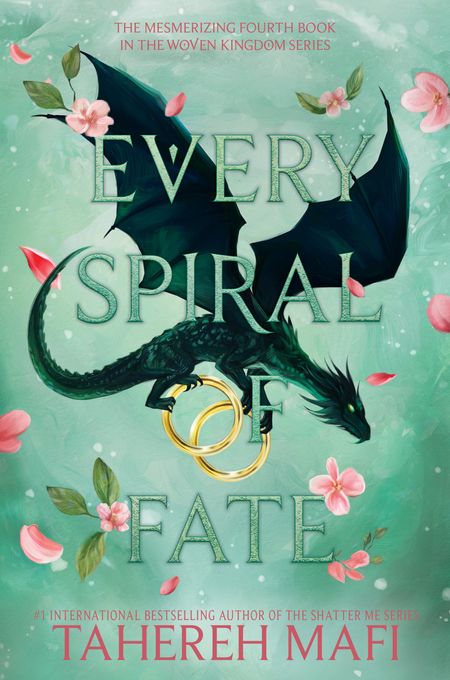
G'day, mates! Imagine a wedding where the groom's doomed by a blood oath, the bride's prophecy-bound to off him, and everyone's fleeing on dragons amid shattering secrets. That's the dramatic crux of Every Spiral of ...

Rachel Gillig's duology finale drags a drugged captive queen through five tournaments thrown by the husband who murdered everyone she loved. 27,000 readers rate it 4.36 — here's what the stars aren't telling you.