Hazelthorn Synopsis & Explain – 7 Twisted Kills in a Psycho Garden | Book Review
G’day, mates – ever wondered if your backyard could straight-up murder you?
Hazelthorn by C.G. Drews chucks you into a nightmare estate where the garden’s got more teeth than a croc in the outback.
Picture this: a reclusive autistic kid inherits a mansion crawling with killer vines, poisonous shrooms, and a family of nutters who’d stab you for a quid.
The drama peaks when the garden starts bleeding through walls, demanding flesh – bloody hell, it’s like Knives Out gone feral with queer rage and botanical gore.
Take a look:
- 7 years of buried hate exploding into obsessive lust.
- A garden that eats relatives like snags at a barbie.
- Twists that make you question if the hero’s the real monster.
- Why this book’s lush prose hides a rotten core that’ll haunt your dreams.
Detailed Summary

Righto, let’s dive into this bloody mess of a book – I’ll break it down chapter by chapter, bold as brass, with all the gory details from Evander’s twisted life at Hazelthorn estate.
This summary’s gonna be a long slog, mate, ’cause the plot’s thicker than Vegemite on toast.
Expect murder, mind games, and a garden that’s basically a hungry beast.
I’ll keep it real: the story’s got queer vibes, autistic rep, and enough body horror to make you chuck.
But fair dinkum, it’s repetitive as a stuck record, with flowery writing that drags like a flat tyre.
Chapter 1: The Forgotten Ward
Evander’s holed up in his room like a ghost in the machine, forbidden from the gardens after some dodgy “accident” seven years back.
His billionaire guardian, Byron, treats him like a fragile ornament – cold, controlling, and full of secrets.
We get hints of Evander’s “episodes,” where he blacks out and wakes up covered in dirt, but it’s all vague as.
The chapter sets up the estate as this claustrophobic trap, with moss creeping in like it’s alive.
Downright eerie, but the prose bangs on about “thorns in his veins” for ages – gets old quick.
Evander spots Laurie, the grandson who supposedly tried to off him, lurking like a bad penny.
Tension builds slow, with Evander’s anxiety described in endless metaphors: ribs hooking like fish on a line.
Byron’s all mysterious, banning gardens ’cause they’re “dangerous,” but why?
It’s a tease that doesn’t pay off fast enough.
The chapter ends with Evander feeling roots in his guts – literal or not? Bloody confusing.
Chapter 2: The Sudden Death
Byron carks it right in front of Evander – poisoned, maybe?
The old bloke’s last words: “Don’t go in the gardens, swear it!”
Evander’s left reeling, inheriting the lot, but he’s got no clue how to adult.
Family starts swarming like flies on roadkill: greedy aunts, dodgy cousins, all eyeing the fortune.
Laurie shows up, smirking like a shark, and their hate’s electric – but is it really hate?
The garden’s whispering now, vines snaking through cracks in the walls.
Evander finds mushrooms sprouting under floorboards, toxic as.
He suspects murder, but everyone’s gaslighting him: “You’re just ill, mate.”
Prose gets lush here, describing blood like “petals unfurling,” but it bogs down the pace.
Chapter drags with internal monologues that loop like a broken jukebox.
Chapter 3: Unearthing Secrets
Evander sneaks into the garden – big mistake, cobber.
It’s overgrown chaos: carnivorous plants that snap at shadows, flowers that bleed.
Flashbacks hit: seven years ago, he and Laurie were mates, then bam – attempted murder.
But memories are fuzzy; Evander thinks he ate something weird, like dirt or worse.
Laurie confronts him, all brooding and bi-curious vibes, saying “We need to team up against the family vultures.”
They dig into Byron’s will, finding clauses about “feeding the garden” – what the hell?
A cousin turns up dead, thorns in her throat.
Evander’s “episodes” worsen: he wakes with soil in his mouth, craving flesh.
The autistic rep shines here, with Evander’s sensory overload described raw, but it’s hammered too hard.
Chapter’s thrilling, yet repetitive descriptions make it feel padded.
Chapter 4: Family Invasion
Relos descend en masse – think a pack of hyenas in suits.
Aunt what’s-her-face schemes for the inheritance, accusing Evander of being “unfit.”
Laurie and Evander’s alliance gets steamy: stolen glances, charged touches amid the chaos.
Garden’s rampaging now – vines choke a greenhouse, revealing buried bones.
Evander uncovers Byron’s journals: experiments with plants that “consume rage.”
Twist: Byron might’ve engineered the garden to eat bad vibes, literally.
A dinner scene goes pear-shaped when mushrooms poison the soup – another body drops.
Evander blacks out, wakes next to the corpse.
Is he the killer? The unreliable narrator bit’s clever, but overplayed.
Prose blooms with “roots threading veins” again – yawn.
Chapter 5: Buried Memories
Deep dive into flashbacks: young Evander and Laurie bonding over books, then a garden fight turns deadly.
Laurie claims he didn’t try to kill him – it was an accident, or was it the plants?
Evander’s rage bubbles: years of isolation, treated like a monster.
They explore the estate’s underbelly, finding a lab with hybrid flora that’s part human.
Gross-out moment: a flower blooming from a relative’s eye socket.
Queer tension peaks – a almost-kiss amid the thorns.
But family plots thicken: someone’s forging documents to steal the estate.
Evander’s body horror ramps up: thorns piercing his skin from inside.
Chapter’s packed, but the metaphors repeat like a bad habit.
Feels like the author’s in love with her own words.
Chapter 6: The Garden’s Hunger
Garden’s alive, mate – demanding “food” via creepy visions.
Evander realises Byron fed it bodies to keep it sated.
Laurie confesses: seven years ago, the garden possessed Evander, making him feral.
They tried to prune it, but it backfired.
Now, it’s targeting the greedy family, one by one.
A chase scene through hedges that lash like whips – bloody intense.
Evander’s autism portrayed as strength here, his hyperfocus cracking clues.
But the romance feels forced: hate-to-love in six chapters? Nah.
More deaths: uncle impaled on rose bushes.
Prose gets poetic overload, describing gore like “symphonies of red.”
Tedious after a while.
Chapter 7: Rage Unleashed
Evander confronts his “monster” side – the garden’s in him, roots and all.
Flashback reveals Byron abused him, gaslighting to control the inheritance.
Laurie helps him fight it: “Your pain deserves space, don’t silence it.”
They burn parts of the garden, but it fights back, vines wrapping relatives.
Twist: Laurie was protecting Evander from Byron’s experiments.
Queer romance blooms – a kiss amid flames.
But family betrayal: a cousin’s the real murderer, poisoning Byron for cash.
Evander’s rage manifests as plant powers, nearly killing everyone.
He reins it in, barely.
Chapter’s climax is bonkers, but logic’s out the window.
Chapter 8: Inheritance of Thorns
Aftermath: estate’s half-destroyed, garden subdued but lurking.
Evander inherits, but at what cost? Bodies everywhere.
He and Laurie bond over trauma, planning to tame the beast.
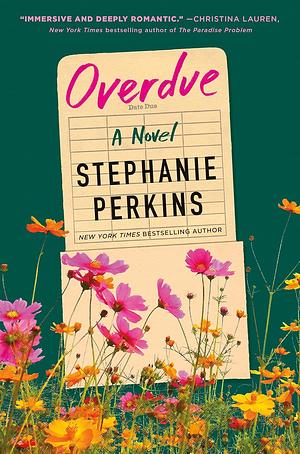
Picture this: a 29-year-old librarian who's been with her bloke for 11 bloody years decides to shag around for a month before marriage, crushes on her grumpy coworker, then spends 416 pages doing absolutely nothing ...

Matilda Klein rocks up to a crumbling castle expecting daddy-daughter bonding with renowned artist Kingsley Cello, only to discover he's done a proper runner. Left behind are three dodgy blokes, a suspicious stepmum brewing sketchy ...
Reflections on rage, autism, and queer identity – heavy-handed.
Ends with Evander planting a safe flower, symbolising hope.
But the resolution’s rushed, loose ends dangling like vines.
Prose wraps up with more flowery guff.
Overall, the book’s a slog – beautiful but bloated.
Who Do I Recommend This Book To?
Alright, let’s sort the wheat from the chaff – who should crack open this thorny tome, and who should chuck it in the bin?
Logic’s simple: if you’re into over-the-top horror with queer twists, maybe.
But fair warning, it’s not for everyone.
- Suitable for: YA fans craving botanical body horror – think teens obsessed with dark academia who don’t mind gore that’d make a butcher blush.[1][2]
Autistic readers might vibe with Evander’s rep, as it’s raw and real, backed by the author’s note on lived experience.[3]
Queer folks hunting enemies-to-lovers with bite – the tension’s electric, if you ignore the clichés.[4]
- Not Suitable for: Sensitive souls who faint at blood – this book’s got torture, cannibal vibes, and enough body horror to scar you for life.[5][6]
If you hate repetitive prose, steer clear; it’s like reading the same metaphor on loop.[7]
Parents of young kids – too dark, with themes of abuse that hit hard without enough payoff.[8]
Why? Evidence from reader rants: some devoured it in one sitting for the atmosphere, but others chucked it for being “awkward and distracting”.[2][5]
Pulse-racing for horror junkies, but a yawn for plot purists.
Drop a comment below: you reckon it’s worth the nightmares, or nah?
Compare with Other Works
Time to pit this against similar yarns – is Hazelthorn a standout or just another weed in the genre?
I’ll break it down in a table for easy scanning, mate.
Based on vibes, flaws, and thrills from what punters say.
| Book | Similarities to Hazelthorn | Differences | Why Hazelthorn Loses Out |
| Don’t Let the Forest In by C.G. Drews | Both got killer plants, queer rage, and lush prose that crawls under your skin[8][6]. | Forest one’s got more fairy-tale twists; this is straight murder mystery with family drama[3]. | Hazelthorn’s repetitive metaphors drag it down – Forest feels fresher, less bloated[4]. |
| Belladonna by Adalyn Grace | Poisonous gardens, gothic estates, and slow-burn romance amid murders[9]. | Belladonna’s got historical flair; Hazelthorn’s modern with autistic leads[10]. | Grace’s pacing’s tighter – no endless flower rants like Drews[11]. |
| Your Blood, My Bones by Kelly Andrew | Body horror, dark fantasy, and lyrical gore that guts you[10]. | Andrew’s more supernatural romance; this one’s heavy on inheritance plots[6]. | Hazelthorn’s queer rep shines, but Andrew’s twists are less predictable[5]. |
| The Westing Game by Ellen Raskin | Murderous inheritance games with quirky families[3]. | Westing’s puzzle-fun; Hazelthorn’s horror with actual blood[8]. | Raskin’s clever without the gross-out – Hazelthorn overdoes the viscera[12]. |
| Knives Out (film, but book vibes) | Greedy relatives, estate mysteries, and whodunit chaos[9]. | Knives is witty satire; this is dark, thorny horror[6]. | Benoit Blanc’s charm beats Evander’s angst – less depressing[3]. |
Overall, Hazelthorn tries hard but gets outshone by snappier tales.
It’s got unique queer autistic angles, but the bloat kills it compared to leaner horrors.
What d’you think – does it stack up to your faves? Comment your comps below!
Why the Prose is a Bloody Drag
Can’t resist adding this – the writing’s the real villain here.
Drews piles on metaphors like compost: “thorns for teeth,” “roots in ribs” every other page.
It’s meant to be atmospheric, but crikey, it smothers the story.
Readers on socials moan about it feeling “flowery and repetitive”.[13][5]
If you’re after poetry over plot, fine – else, it’s a hard pass.
Final Verdict
Blimey, this book’s a mixed bag, but mostly thorns.
- Overhyped horror that fizzles with repetition.
- Queer rep’s ace, but plot holes gape like open graves.
- Garden gimmick’s cool, yet overdone by the end.
Support a bloke’s reviews – click an ad or donate a coffee!
Share if it gave you chills, or comment: would you brave the garden, or bolt

A girl with heavenly magic infiltrates an enemy academy, manipulates her own memory, and trains under cutthroat monks to avenge her slaughtered clan. Sounds epic? Not quite. Sarah Mughal Rana's adult fantasy debut promised a ...
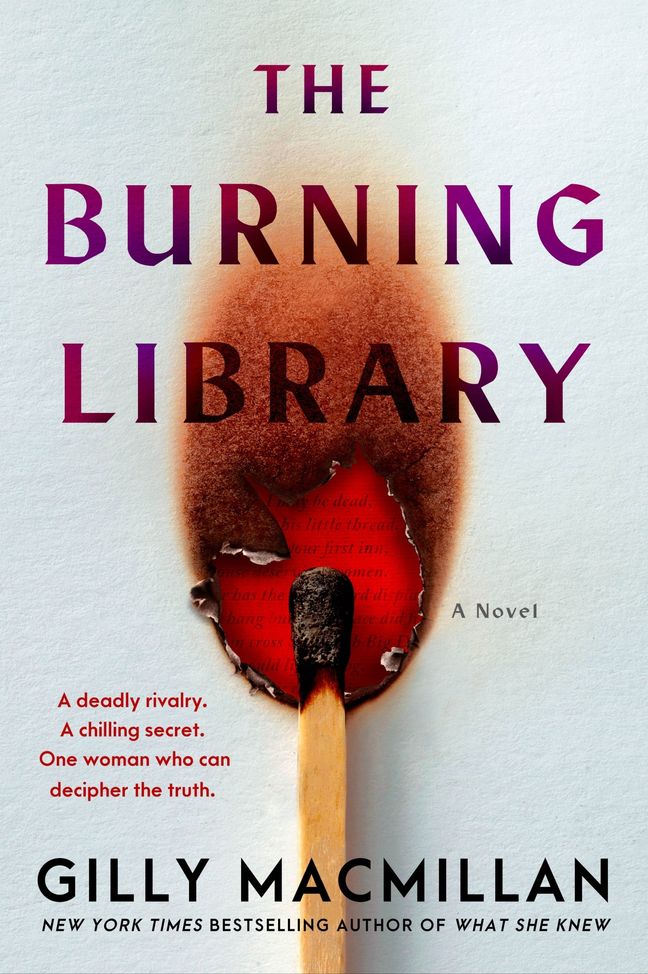
Eleanor Bruton's corpse washes ashore clutching a tatty bit of embroidery, and suddenly two centuries-old women's societies are ready to murder anyone standing between them and a medieval manuscript that supposedly grants ultimate power. Sounds ...